Why is Barre called the Granite Center of the World?
Photographs: Stripus, Wikimedia Commons, CC BY-SA 3.0 · Kenneth C. Zirkel, Wikimedia Commons, CC BY 4.0 · Kenneth C. Zirkel, Wikimedia Commons, CC BY-SA 4.0
The Journal · Barre and the Granite Quarries
How a Vermont city of modest size became a worldwide name in granite, and what visitors can still see of it.
Why it matters
Barre, pronounced BARE-ee, is a city of about eight thousand five hundred people, the most populous municipality in Washington County. It is almost completely surrounded by a separate municipality, Barre Town, and local media and businesses often pair the city with nearby Montpelier. Together the two form the core of a micropolitan area of nearly sixty thousand people, Vermont's third largest after those centered on Burlington and Rutland.
Barre is itself Vermont's fifth largest city, which places it among the handful of places in the state visitors might reasonably call urban. See Towns for how it compares with the others.
What sets Barre apart is not size but stone. The city calls itself the Granite Center of the World, and its quarries, sheds and sculptors are the reason it grew at all. The State House in Montpelier, among many other buildings, was built from Barre granite; see The State House for that story.
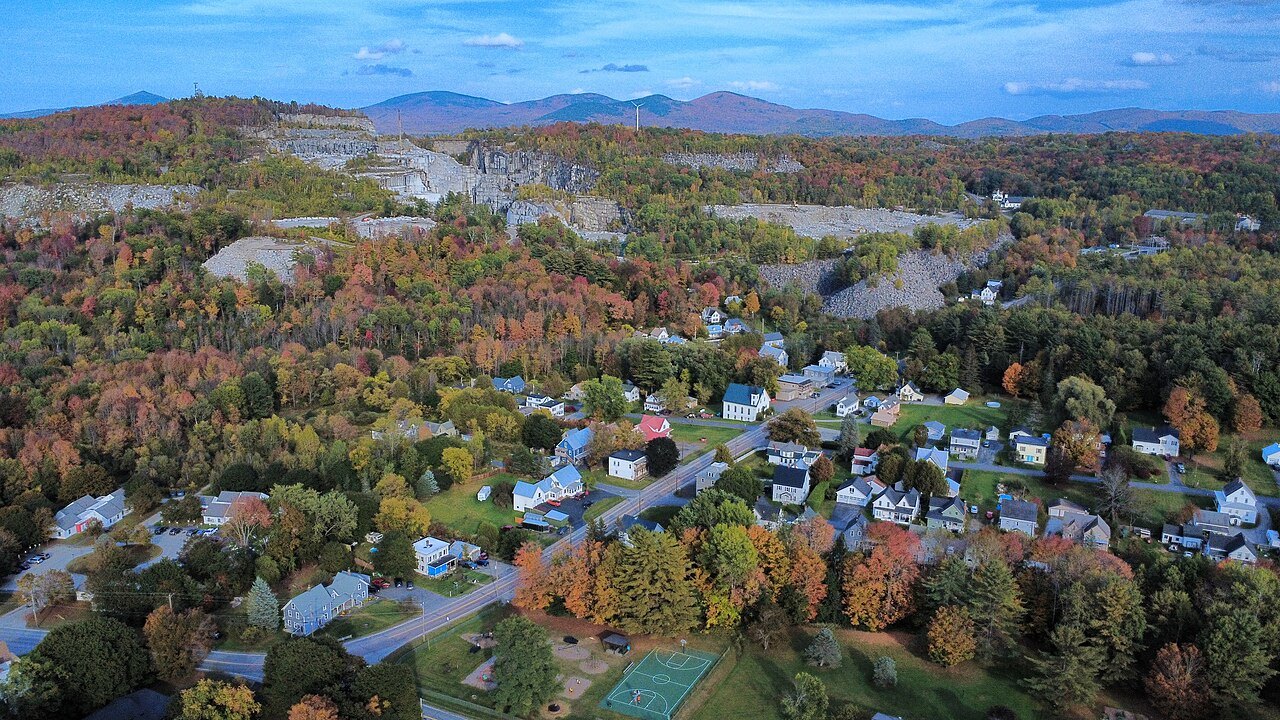
How the stone built the city
The land was granted on November 6, 1780, to William Williams and sixty-four others under the name Wildersburgh. The first settlers arrived in 1788, and dissatisfied citizens renamed the town Barre, for Isaac Barré, a champion of the American colonies. Another account credits the name to an 1793 bid by Ezekiel Dodge Wheeler, who offered the most toward a meeting house and named the place for Barre, Massachusetts, home to some of the settlers.
The city was set off from the town and incorporated separately in 1895. Long before that, vast granite deposits had been found at Millstone Hill soon after the War of 1812.
The industry, and the city, boomed once the railroad arrived. Some geologists describe the deposit as four miles long, two miles wide and ten miles deep, and its fame spread to Europe and Canada. Population figures tell the story bluntly: two thousand sixty people in 1880, six thousand seven hundred ninety in 1890, and ten thousand by 1894.
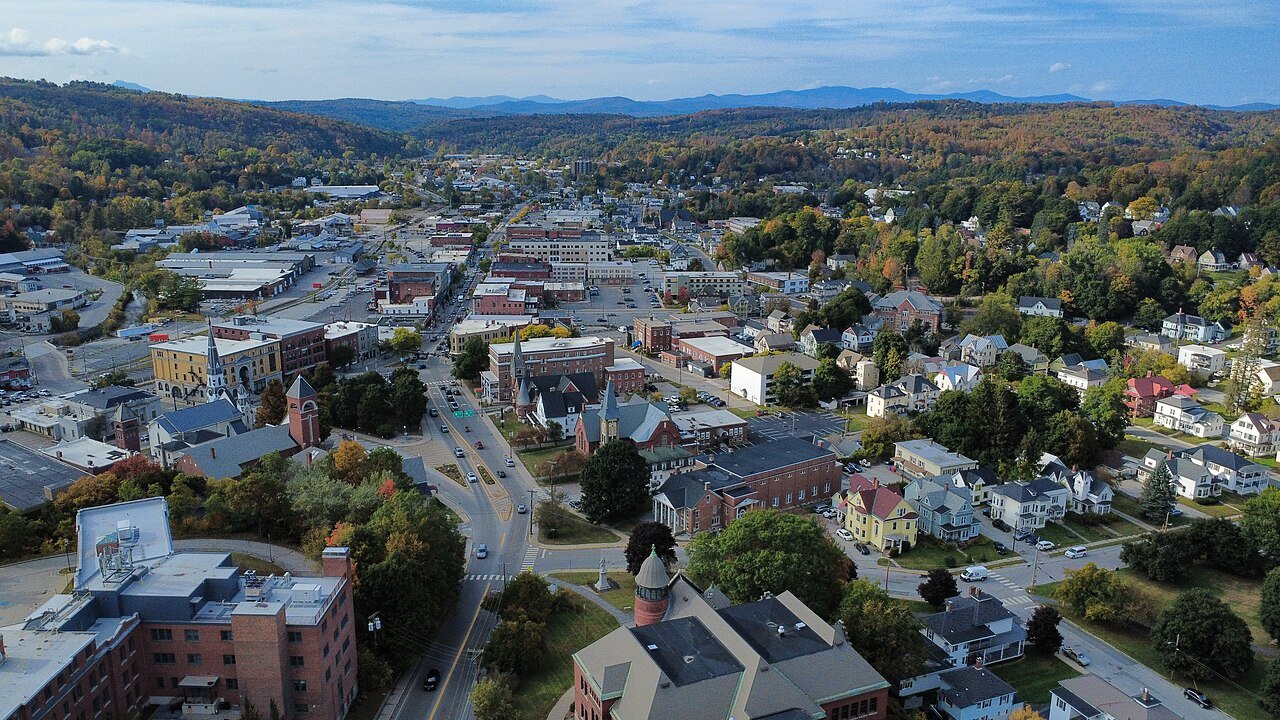
A city of many countries
Large numbers of people moved to Barre from Italy, Scotland, Spain, Scandinavia, Greece, Lebanon, Canada and elsewhere, and by the turn of the century it was noted as the most diverse city in the state. Italian immigrants in particular brought a radical, largely anarchist labor tradition that shaped the quarries and sheds for decades.
In the 1920s and 1930s a series of granite strikes shook the city, as disputes over wages gave way to disputes over health and hazards in the quarries and sheds. The Quarry Workers' International Union of North America was based in Barre.
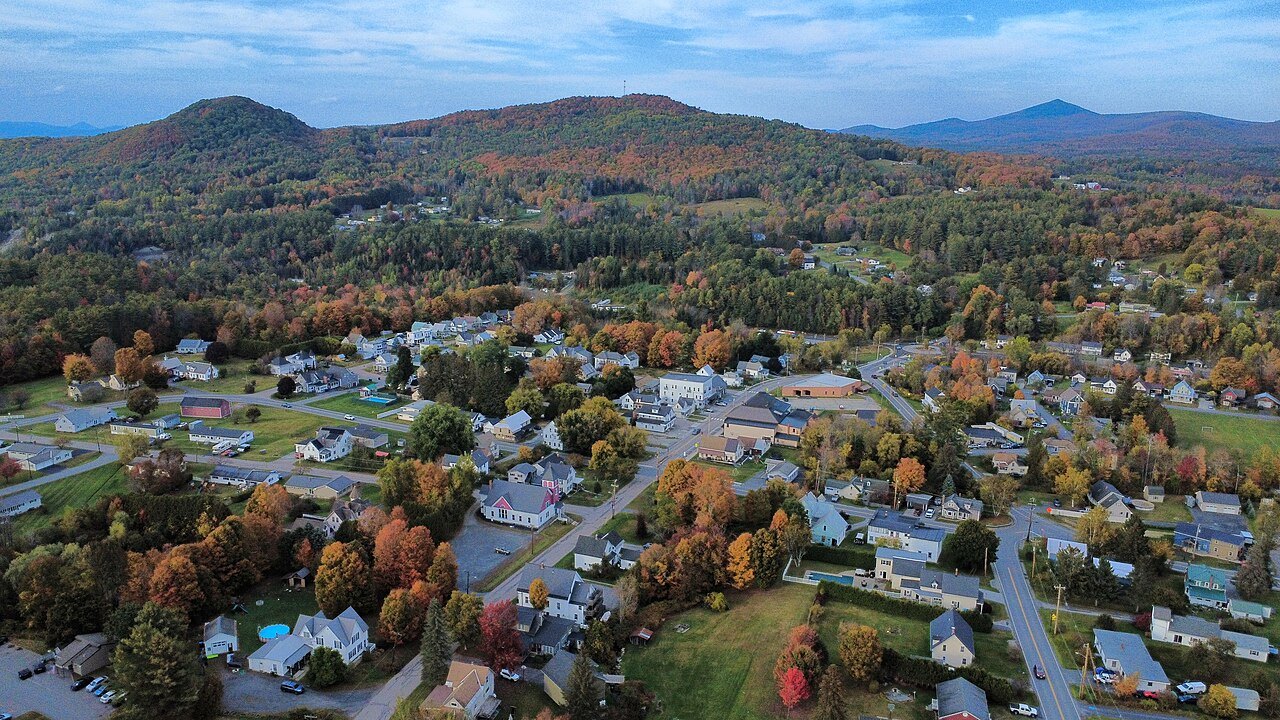
The city elected a Socialist Party mayor twice, in 1916 and 1929. The old Socialist Labor Party Hall survives and was added to the National Register of Historic Places in 2000, a physical reminder of a labor history unusual for a Vermont town of this size.
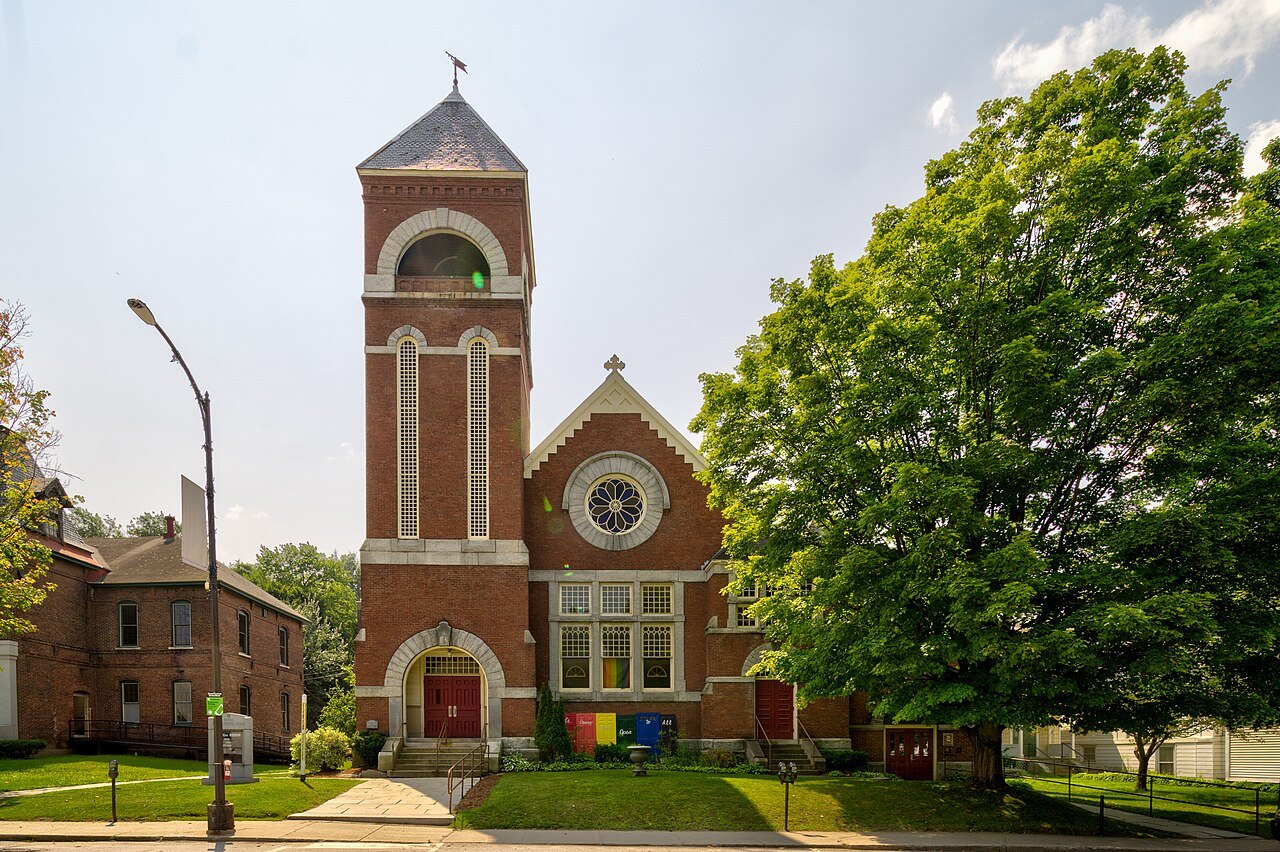
The stone itself
Barre Gray granite is prized worldwide for its fine grain, even texture and resistance to weather, qualities that make many sculptors choose it for work meant to stand outdoors. In 1936 workers in Barre cut a thirty-five-ton cross from a single section of rock, a scale that gives some sense of what the quarries could produce.
Hope Cemetery in the city displays an extensive collection of the sculptors' art carved from local stone, a free and open-air way to see the craft without visiting an active quarry.
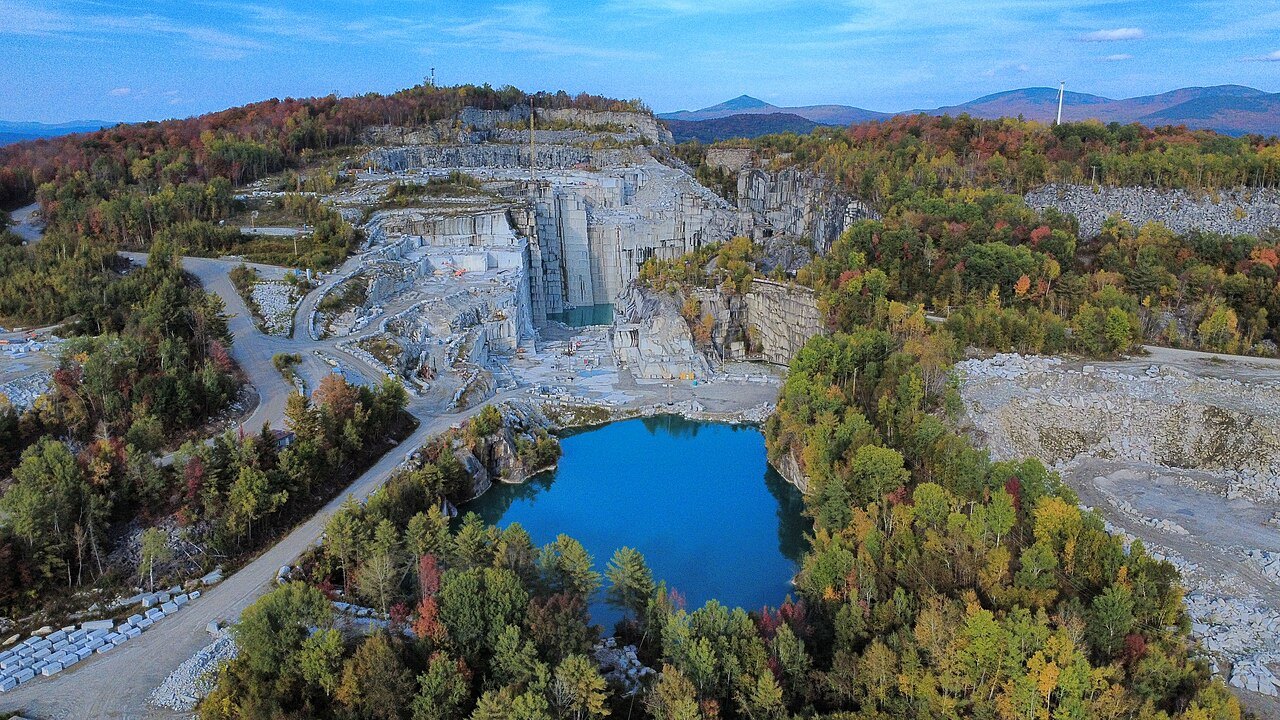
The Rock of Ages company, founded in 1885 and based in nearby Graniteville, operates what it describes as the world's largest deep-hole granite quarry, the E. L. Smith Quarry, where Devonian-age Barre Granite is mined. The company was the subject of a 2005 public television documentary on cemetery-related businesses.
Quarrying once relied on hand saws and explosive charges to blast away the benches of rock; modern work uses diamond-tipped wire saws and water jets instead. Visitors to the company's factory and gift shop can watch quarriers cutting granite directly from the quarry wall. One notable piece of Barre granite, carved by sculptor Frank Gaylord, became the United States Korean War Memorial at the United Nations Memorial Cemetery in Busan, South Korea.
The Vermont Granite Museum
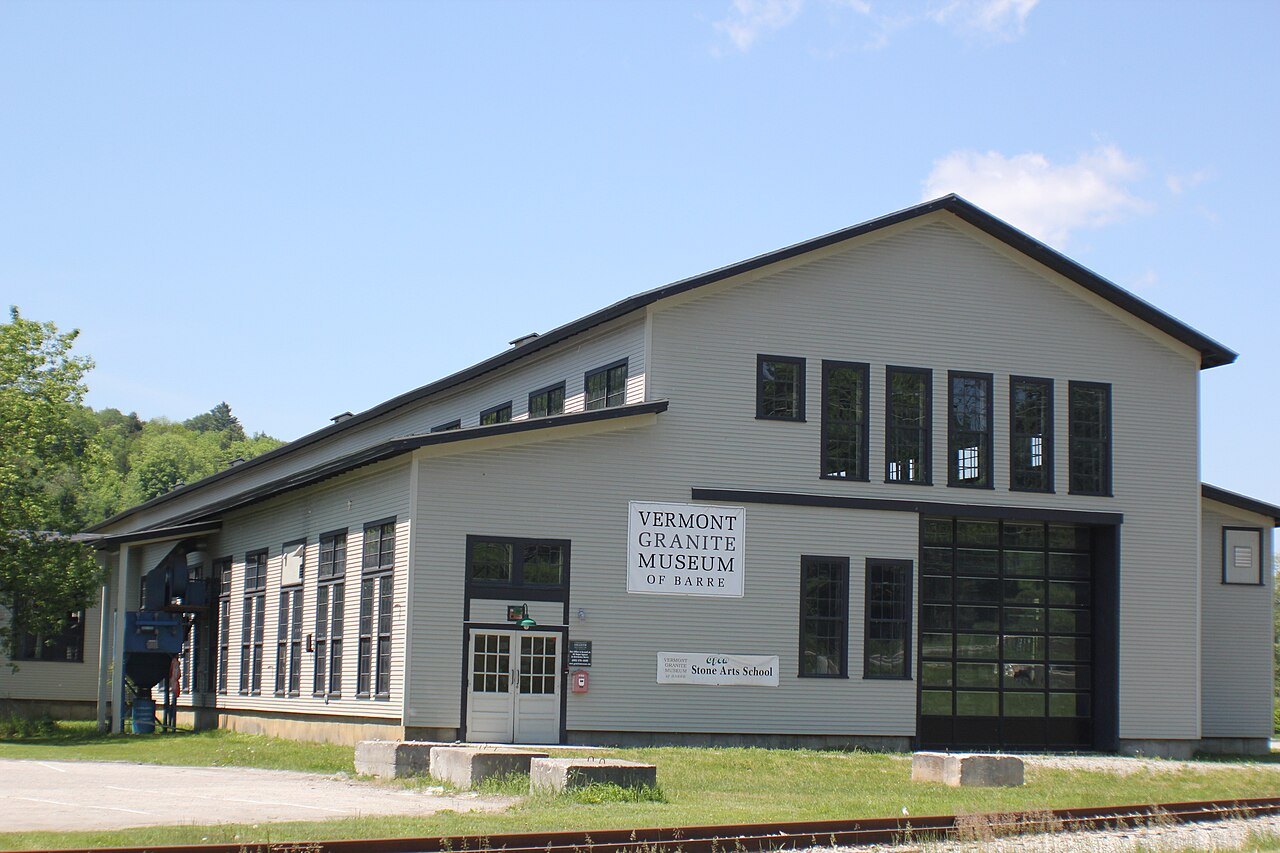
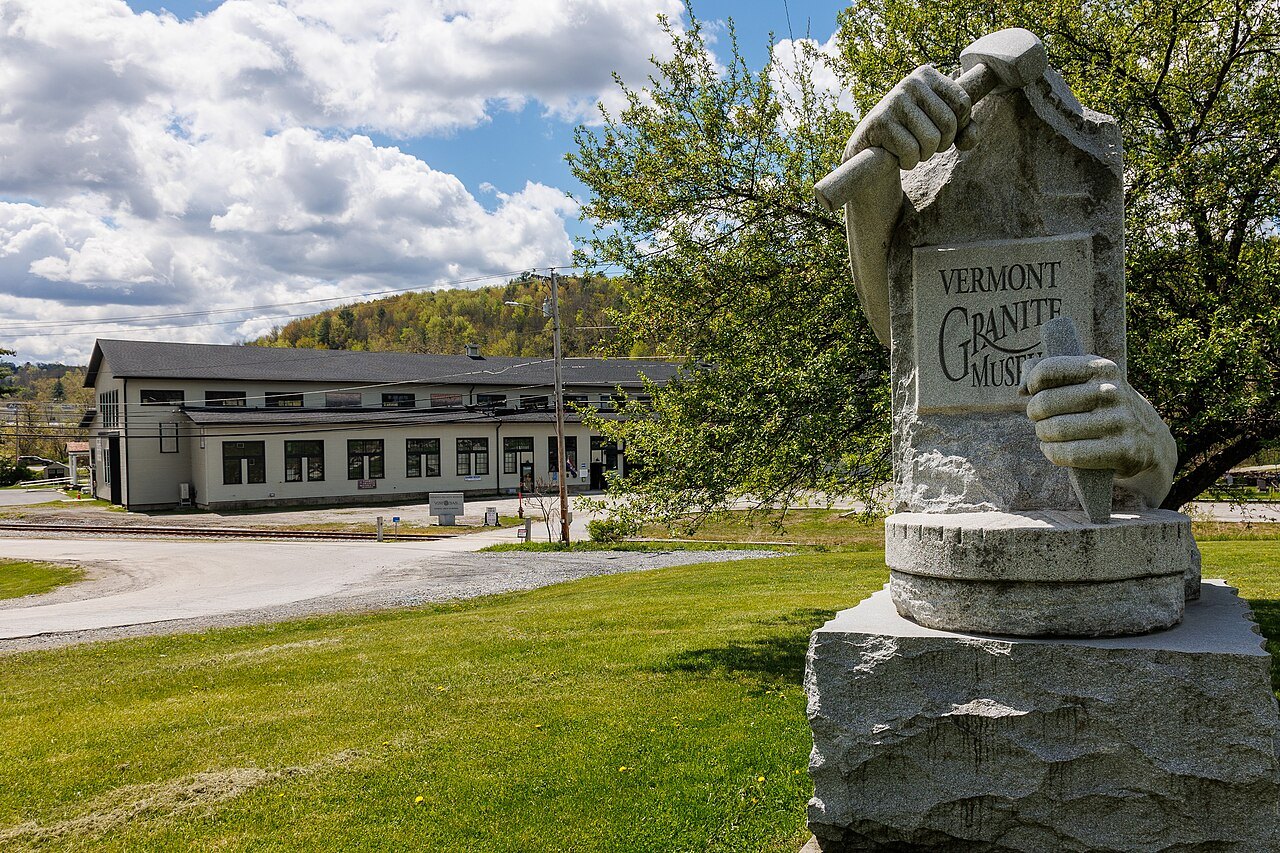
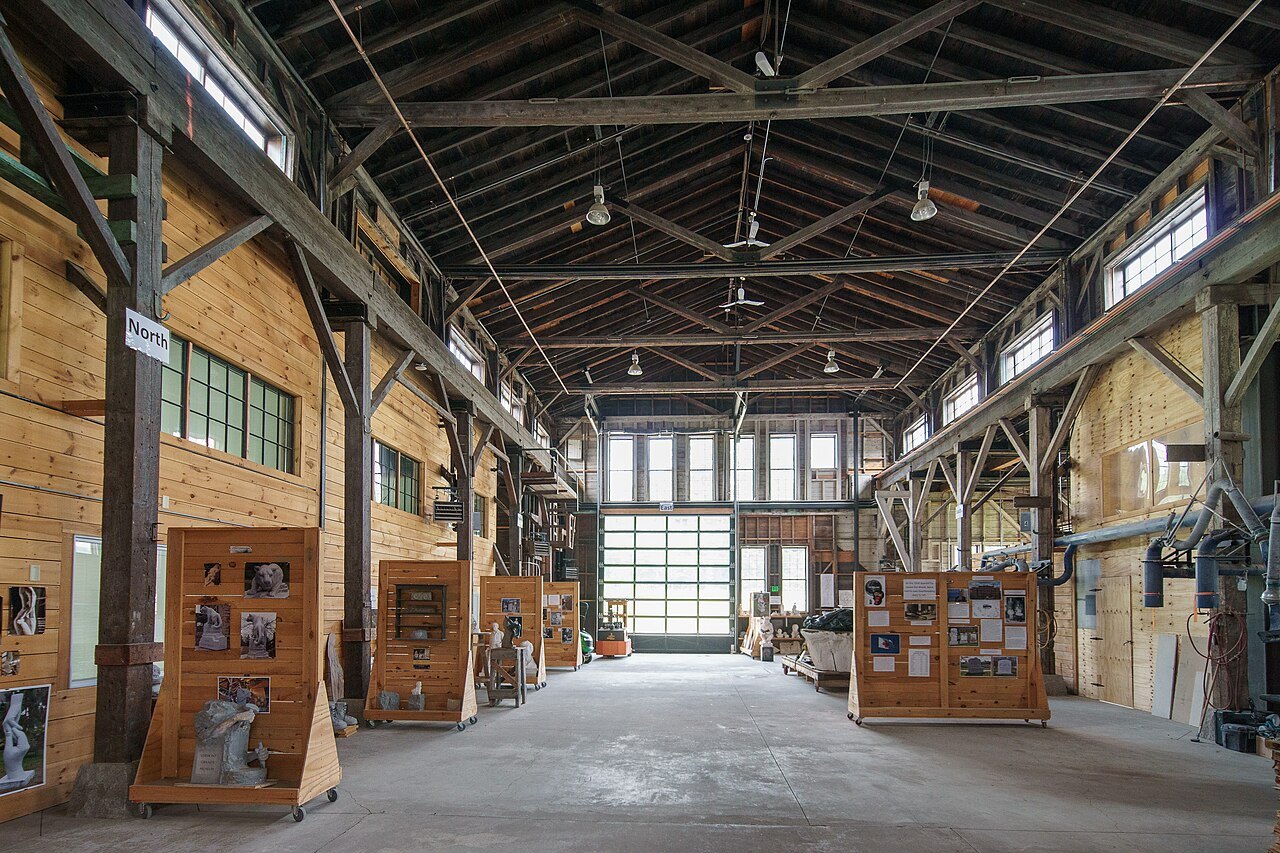
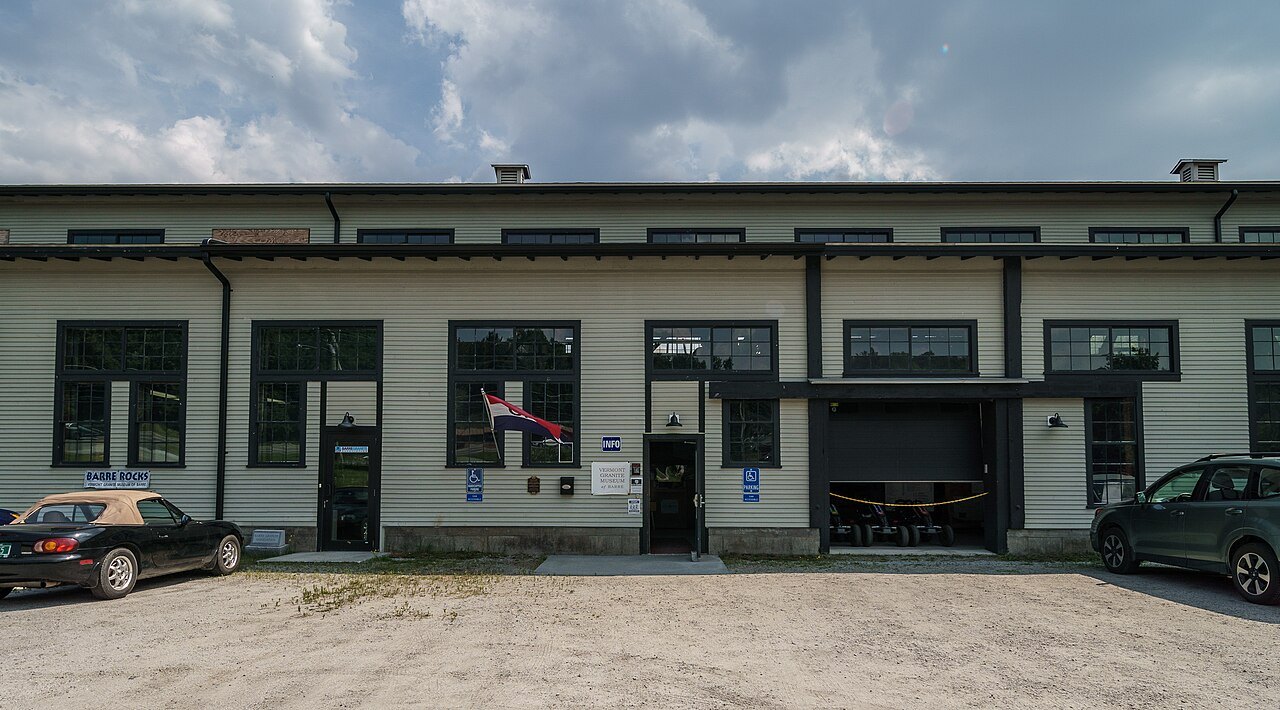
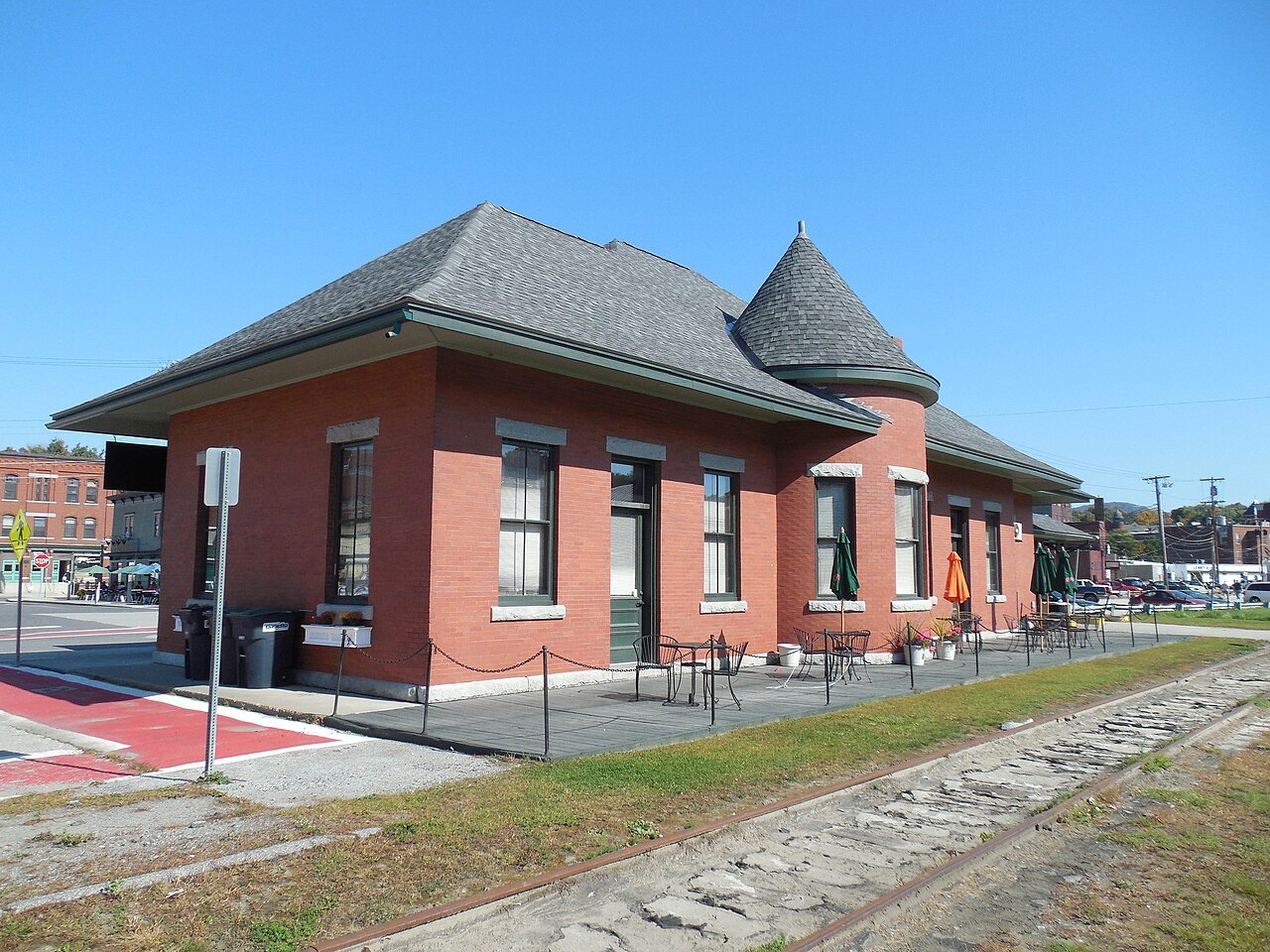
The Vermont Granite Museum, at 7 Jones Brothers Way northwest of downtown, preserves and interprets the industry's history. It sits between North Main Street, which carries US 302, and the Stevens Branch of the Winooski River, and occupies the former Jones Brothers Granite Shed, built in 1895 and listed on the National Register of Historic Places.
The shed is an early example of the straight-shed layout that replaced the older horseshoe design, and it is the principal surviving building of a once-larger complex. Inside it, large blocks of granite were cut and finished, mostly into cemetery markers.
Jones Brothers was founded in 1882 and was the oldest operating granite works in Vermont when it ceased work in 1975. The museum acquired the shed in 1997. Its Stone Arts School teaches both historic and modern granite-working techniques to aspiring sculptors, and visitors should check with the museum directly for current programs and access.
Walking Millstone Hill
Millstone Hill, where the first granite deposit was found, is now a recreational site threaded with wooded trails rather than an active quarry. Old mining holes and piles of waste stone, known locally as grout piles, are scattered through the woods and remain visible along the paths.
Walking the trails is the easiest way for a visitor to grasp how large the working quarries once were without entering one that is still operating, and it gives a sense of scale that photographs of the sheds alone do not convey.
As with any wooded trail network, conditions change with the season, and visitors should confirm current trail status and any access rules with the site's managing organization before setting out.
In the city and getting there
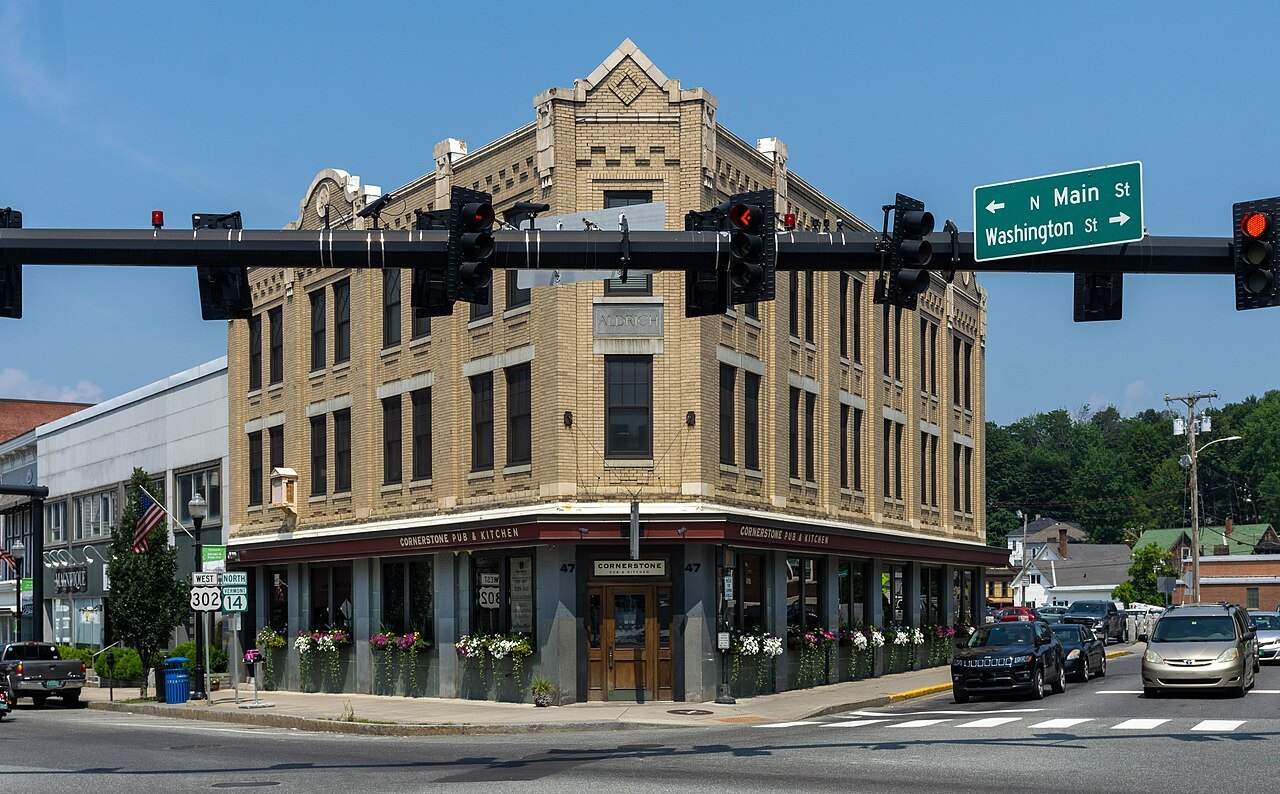
Downtown Barre holds the Barre Opera House, Studio Place Arts, the Vermont Historical Society and the Vermont Granite Museum, all within walking distance of one another. The city has its own place in film and theater history: Alfred Hitchcock's The Trouble With Harry premiered at the Paramount Theater in Barre on September 27, 1955, and the original version of the musical Hadestown first played in Barre in 2006.
The city is drained by the Stevens Branch and Jail Branch rivers, both tributaries of the Winooski, which run through the downtown area.
Barre is reached by I-89, US 302, VT 14 and VT 62, which makes it straightforward to combine a visit to the quarries, the museum and the opera house with a stop at the State House in Montpelier. See Driving Vermont for general guidance on driving in Vermont, and The State House for the building much of this stone went into.