Why is Killington called the Beast of the East?
Photographs: EgorovaSvetlana, Wikimedia Commons, CC BY-SA 4.0 · EgorovaSvetlana, Wikimedia Commons, CC BY-SA 4.0 · EgorovaSvetlana, Wikimedia Commons, CC BY-SA 4.0
How Killington earned its nickname: the largest ski area in the East, with the steepest drop and the longest season.
Why the nickname fits
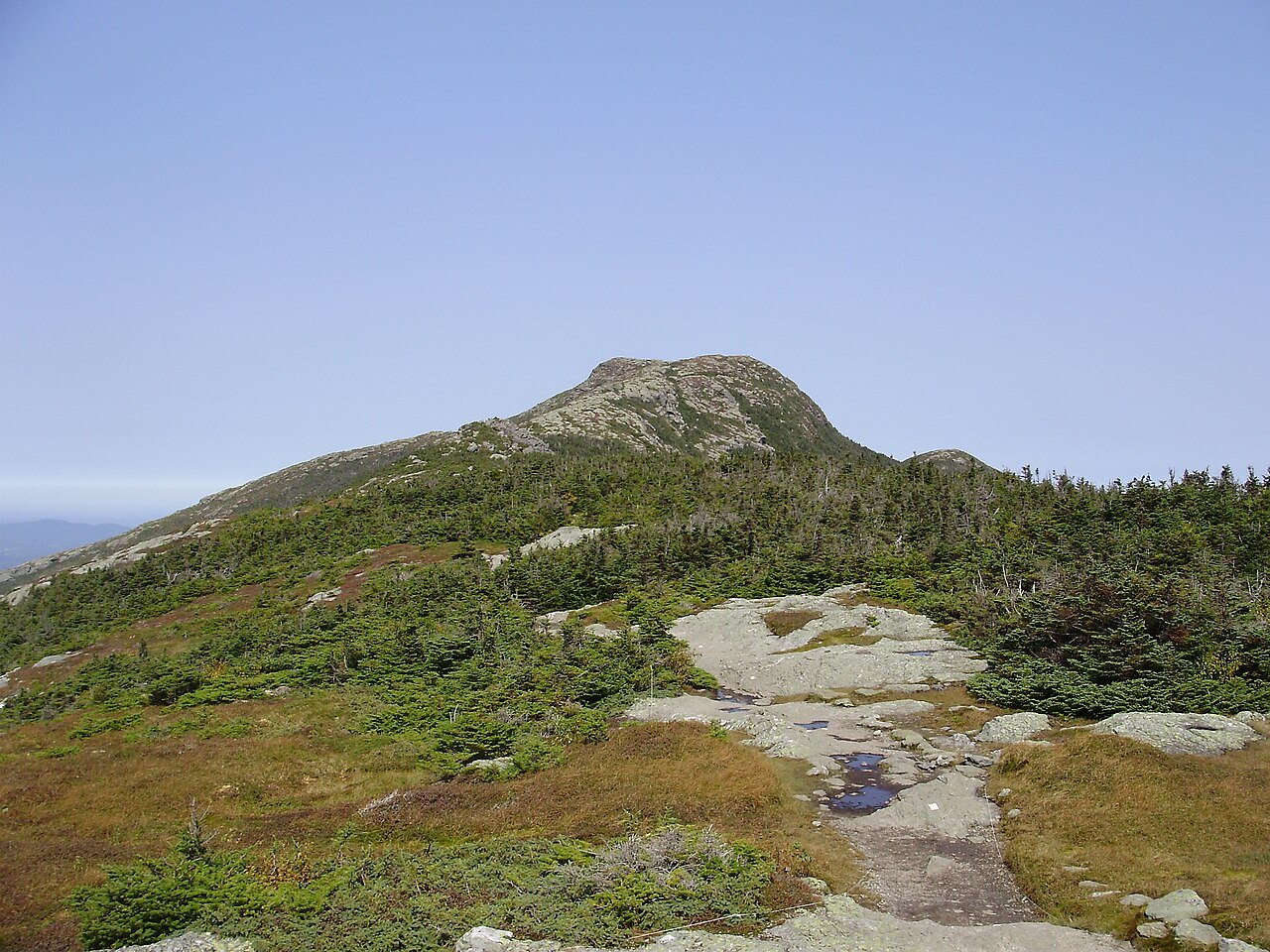
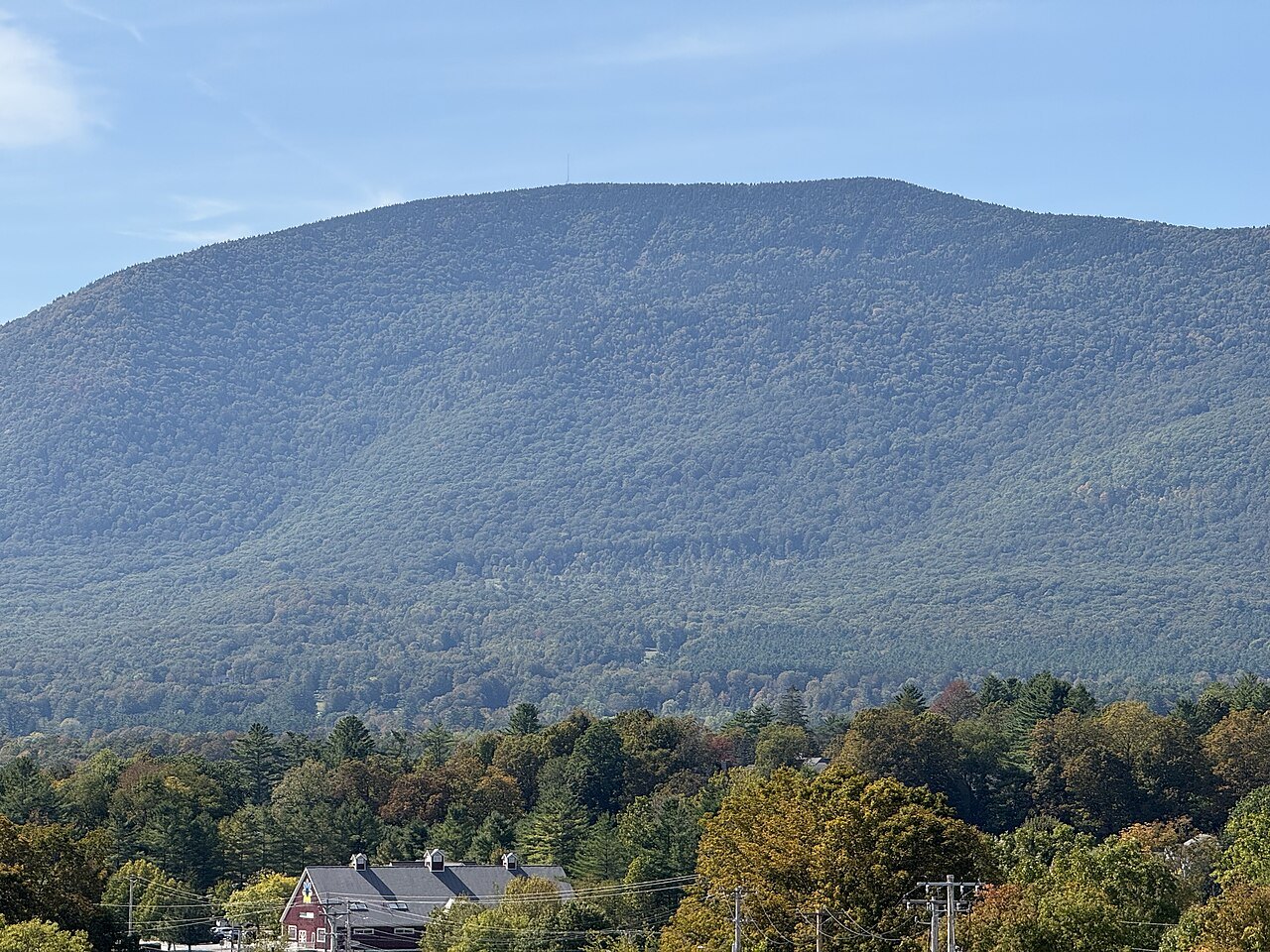
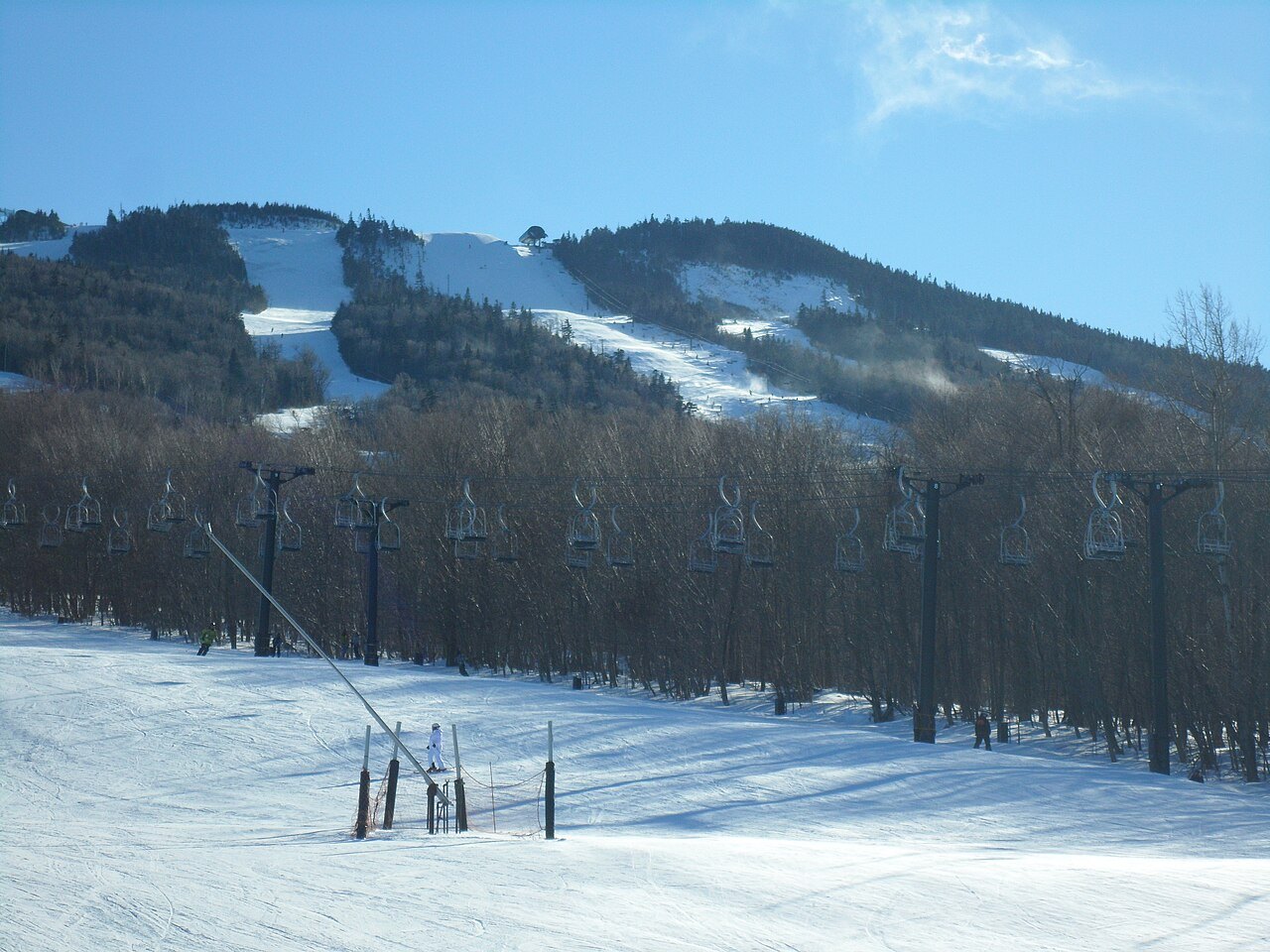
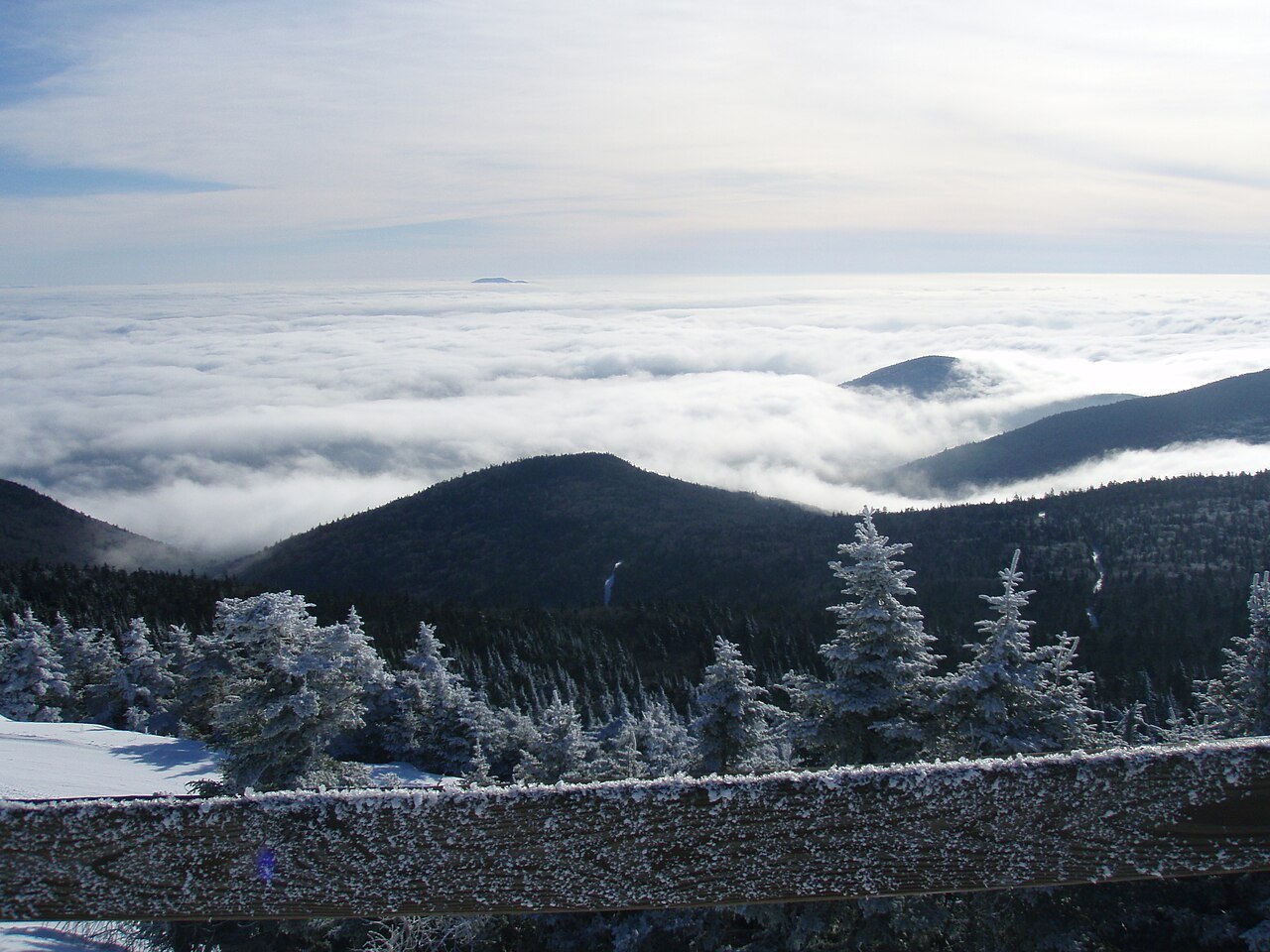
Killington Mountain Resort and Ski Area, near the town of Killington in Rutland County, is the largest ski area in the eastern United States. Its vertical drop of three thousand and fifty feet is the biggest in New England, and its summit, Killington Peak, is the second-highest mountain in Vermont. Those superlatives together earned it the nickname Beast of the East.
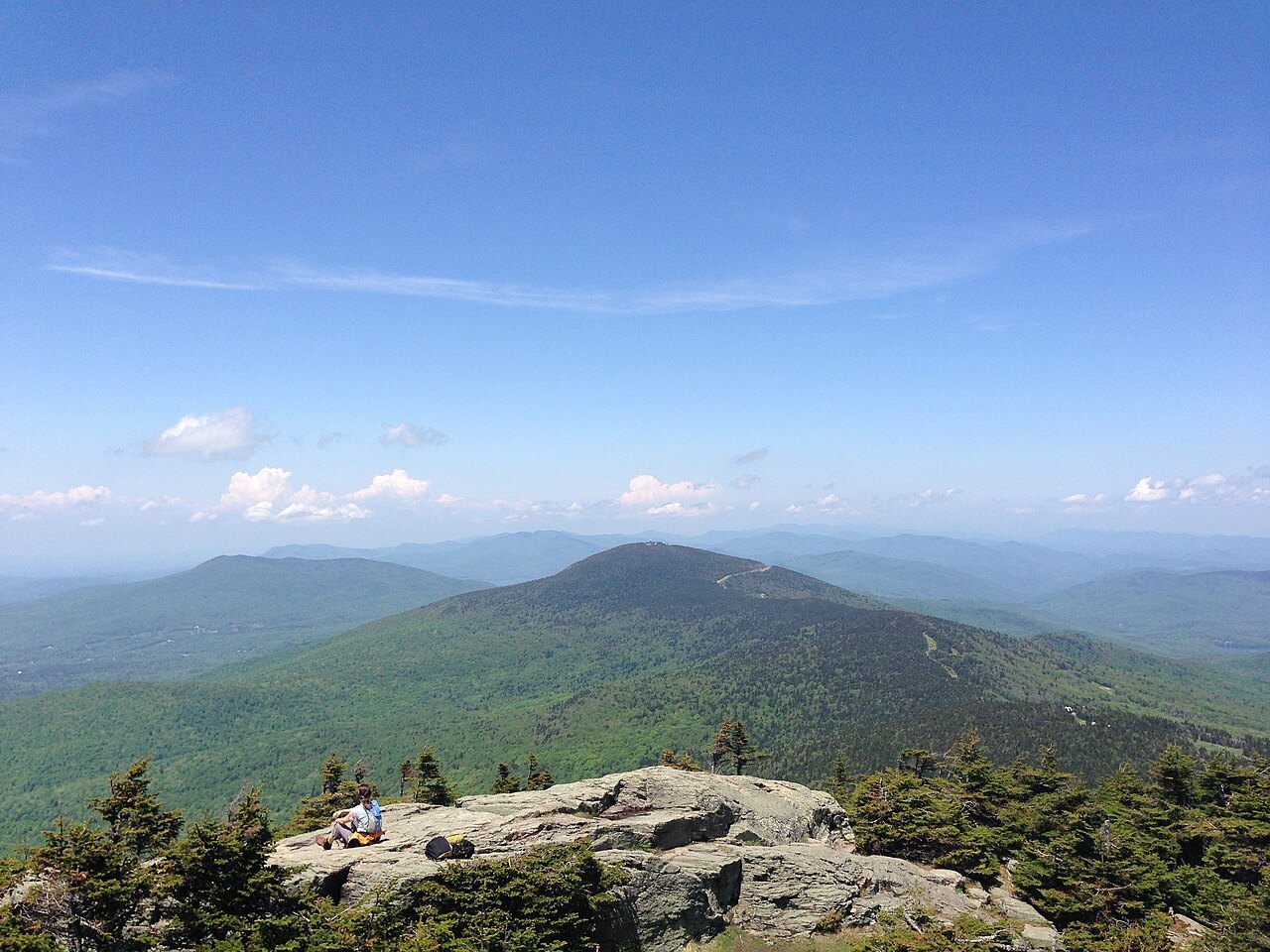
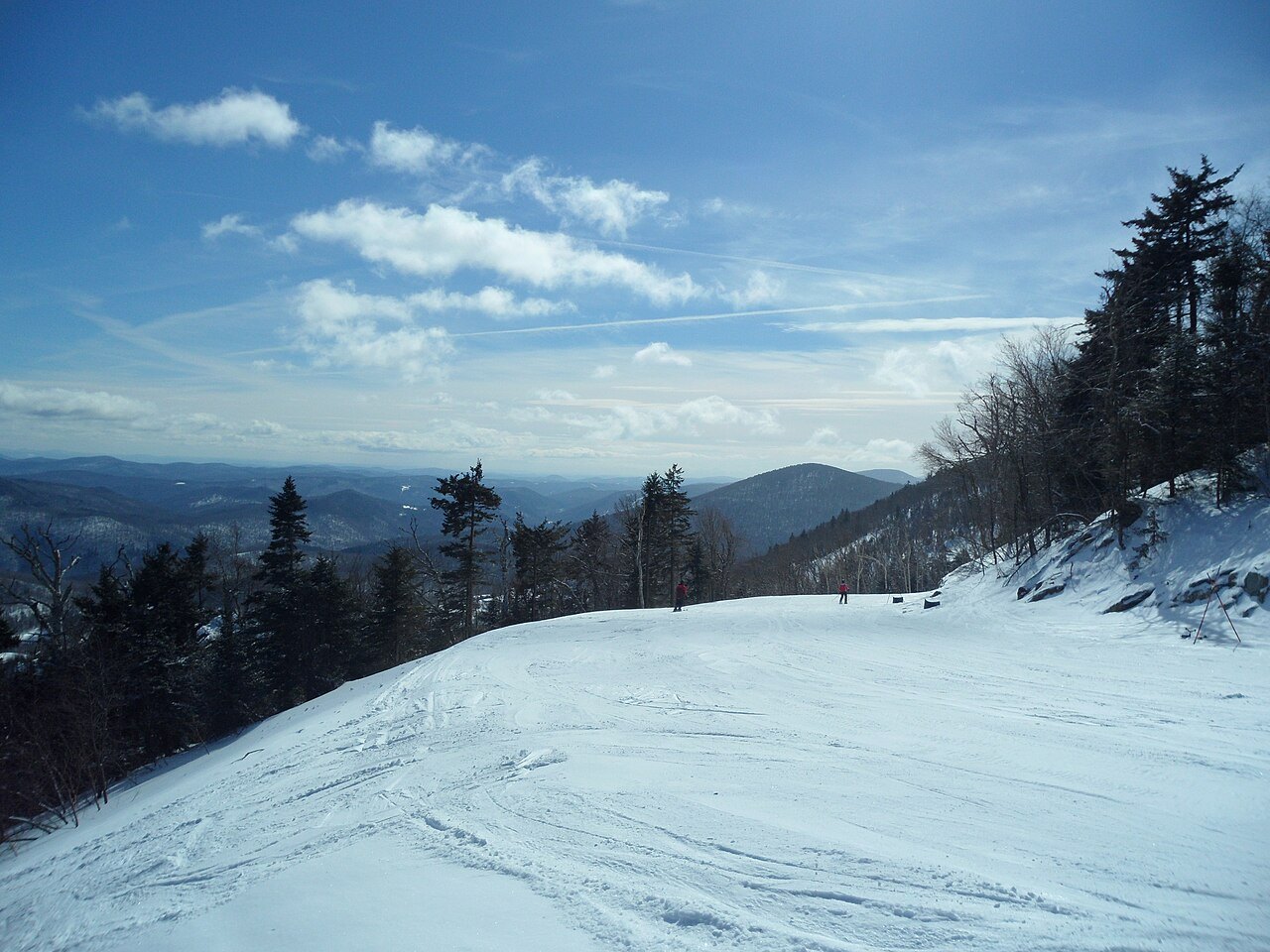
For a visitor the scale shows up in practice: six interconnected peaks, well over a hundred trails, and a snow season that regularly runs longer than anywhere else in the region. In summer the same mountain carries a stretch of the Green Mountains' Long Trail, so the Beast is not only a winter name.
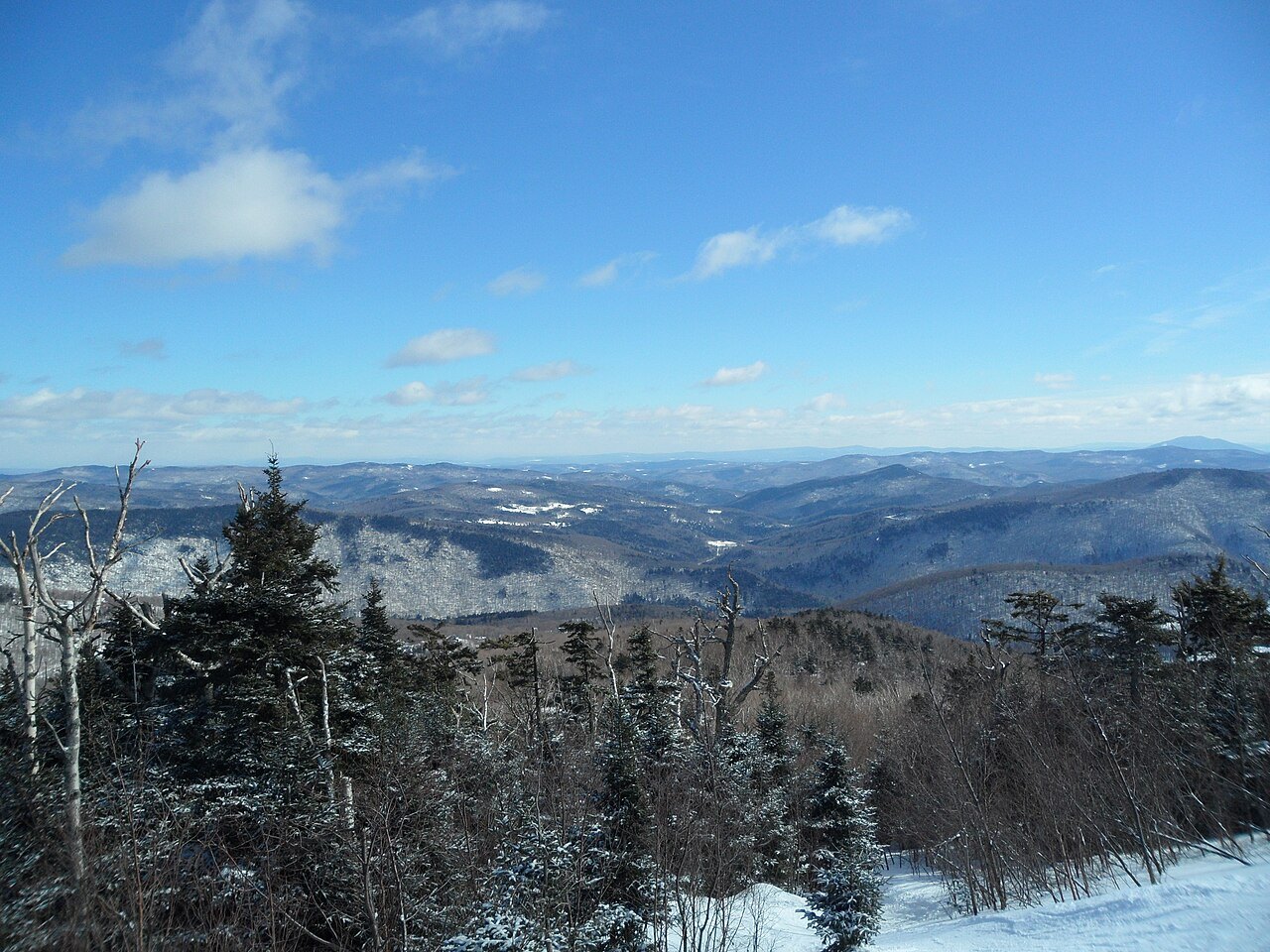
The resort sits on the Green Mountains roughly halfway down the length of the state, with the mountains themselves separating the town of Killington from the city of Rutland.
How the resort began
The idea came from Perry H. Merrill, later called the Father of Vermont's State Parks and Alpine Ski Areas, who in 1954 was the state's land lease officer and wanted a resort built on Killington Peak. Preston Leete Smith took on the project, and the resort opened on December 13, 1958.
Growth through the 1960s outpaced the industry generally. Smith insisted on beginner trails reachable from every lift, and Killington installed snowmaking equipment in that decade, an unusual move since the technology was still seen as a luxury in a cold climate. Several low-snow winters afterward proved the investment worth it.
In 1963 the resort introduced the ticket wicket, a device meant to stop skiers from sharing lift tickets without damaging their clothing. A larger overhaul came in the mid-1990s, when American Skiing Company modernized the lift network into much the layout skiers use today.
Six peaks, one network
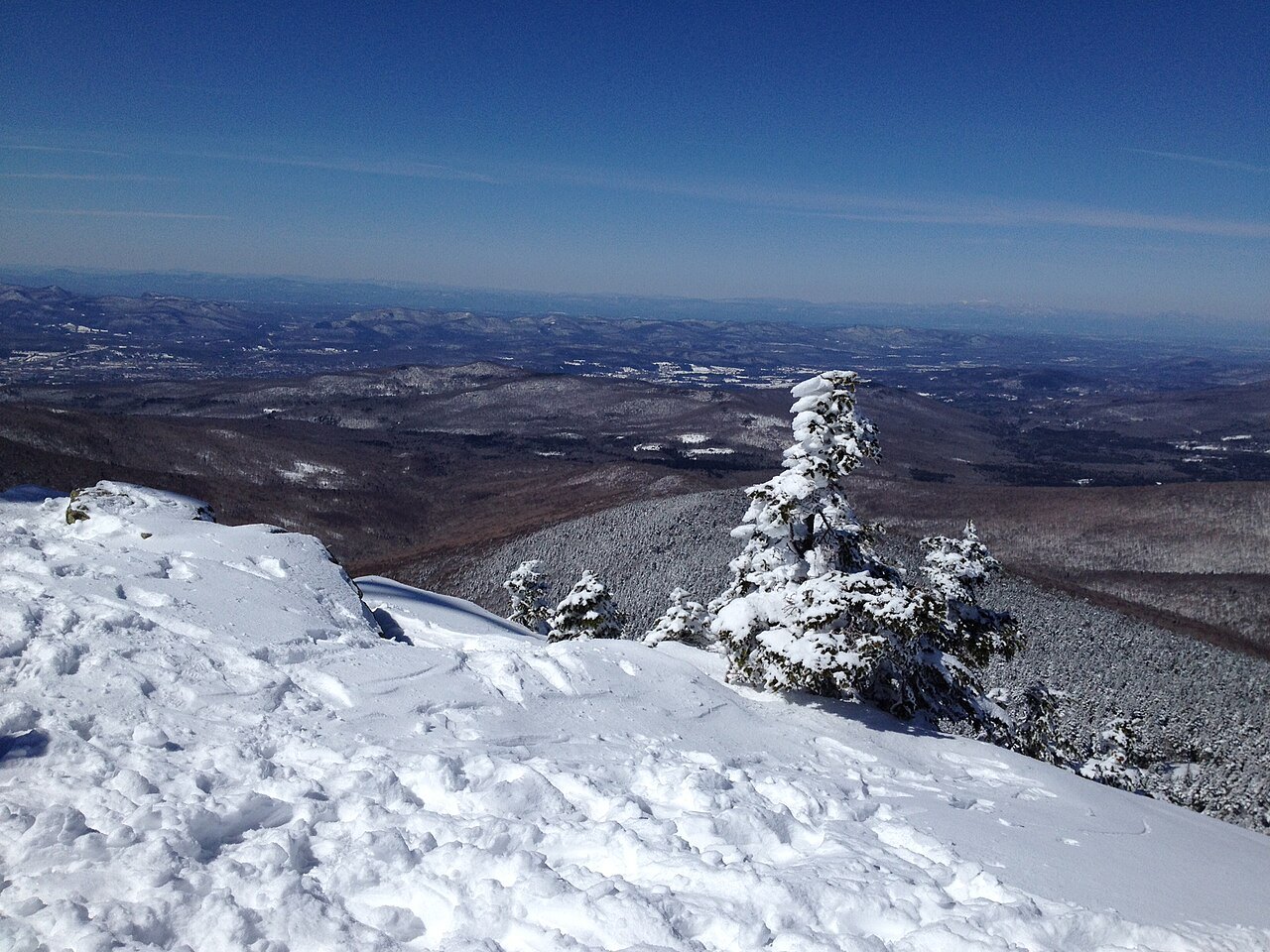
The resort counts a hundred and fifty-five trails, twenty-one lifts, and about one thousand five hundred acres spread across six connected peaks. Snowshed is the beginners' mountain, with the adult ski school at its base, while Ramshead carries beginner and intermediate runs and the youth ski school. Snowdon mixes beginner, intermediate, and expert terrain.
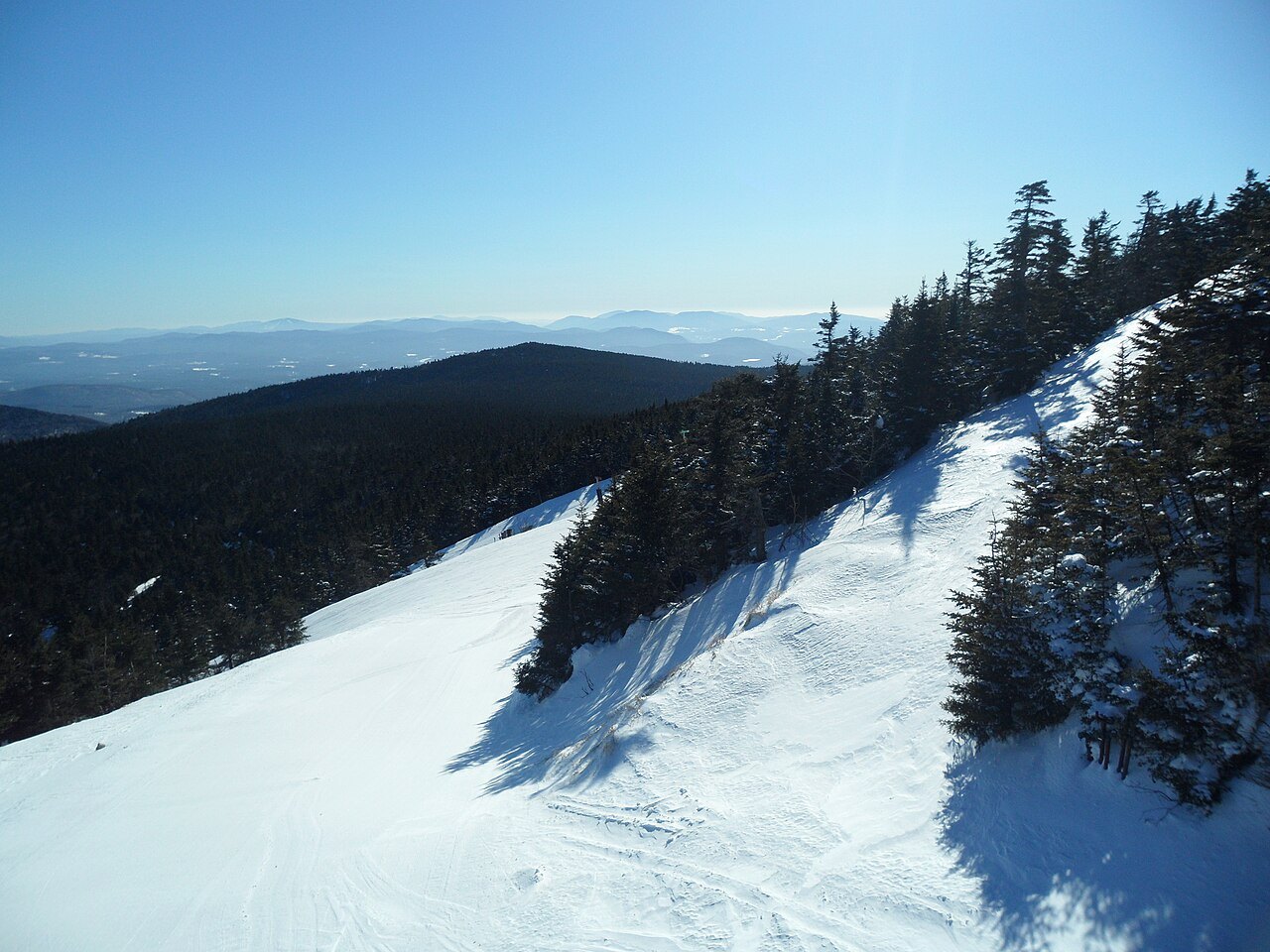
Killington Peak itself is the highest of the six. Near the top, the Canyon Area holds some of the steepest skiing on the mountain, and there are lodges with restaurants both at the summit and at the base. The eastern ski season has traditionally opened on the peak's Rime and Reason trail.
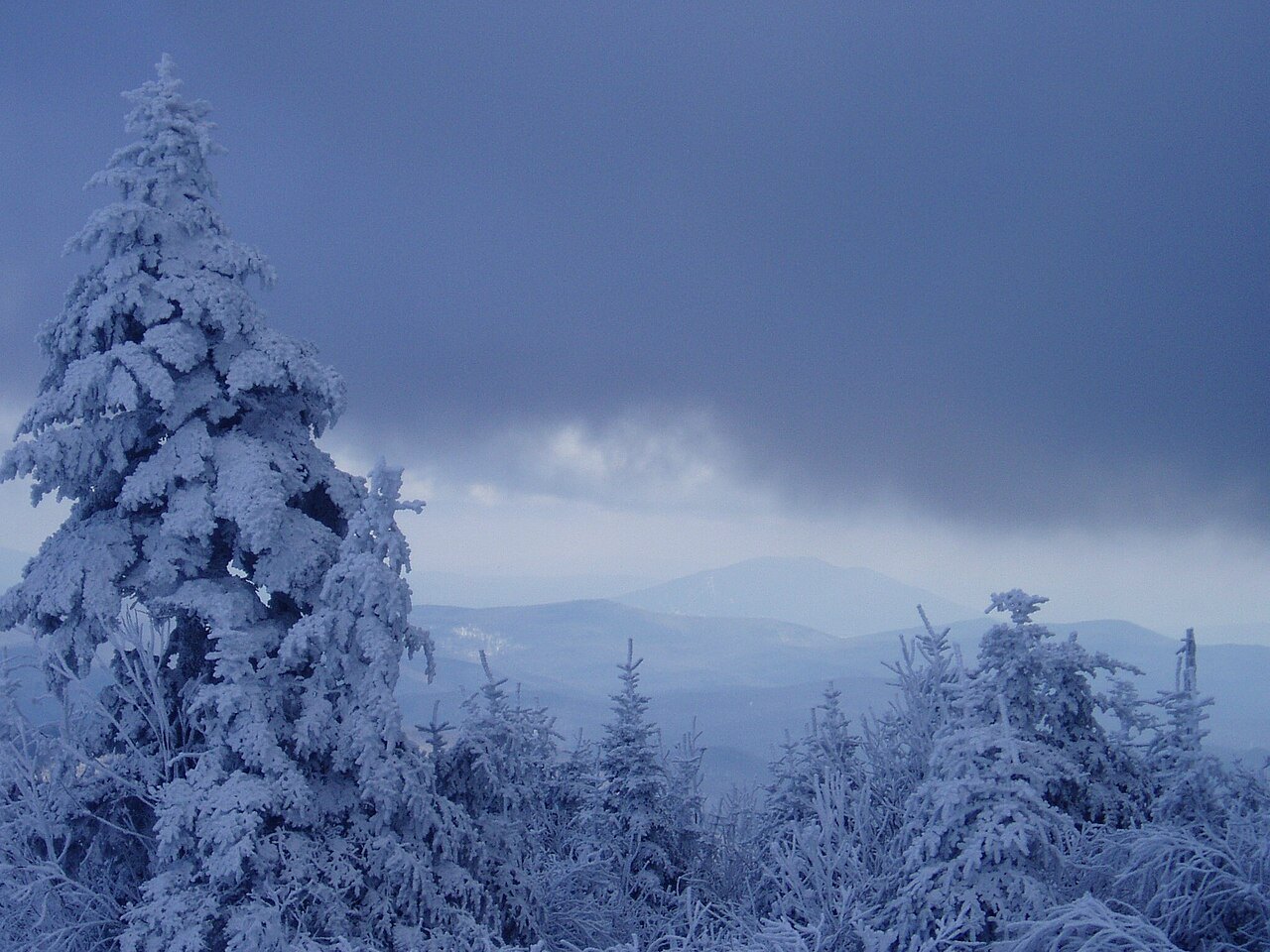
Skye Peak offers every grade of terrain, including Vertigo, the steepest trail without gladed trees, and Great Eastern, a green run roughly four miles long. Bear Mountain holds the famously steep mogul run Outer Limits along with terrain parks used for freestyle events.
Five snowboard and alpine terrain parks and several learning areas, mostly near the Ramshead and Snowshed bases, serve first-time skiers. The resort's trail map was hand-painted in 1990 by ski-map artist James Niehues, and Sunrise Mountain, developed in the early 1980s, once had its own long chairlift reaching toward Route 100, though that lower section left the trail system in the late 1990s.
Pico, a seventh peak
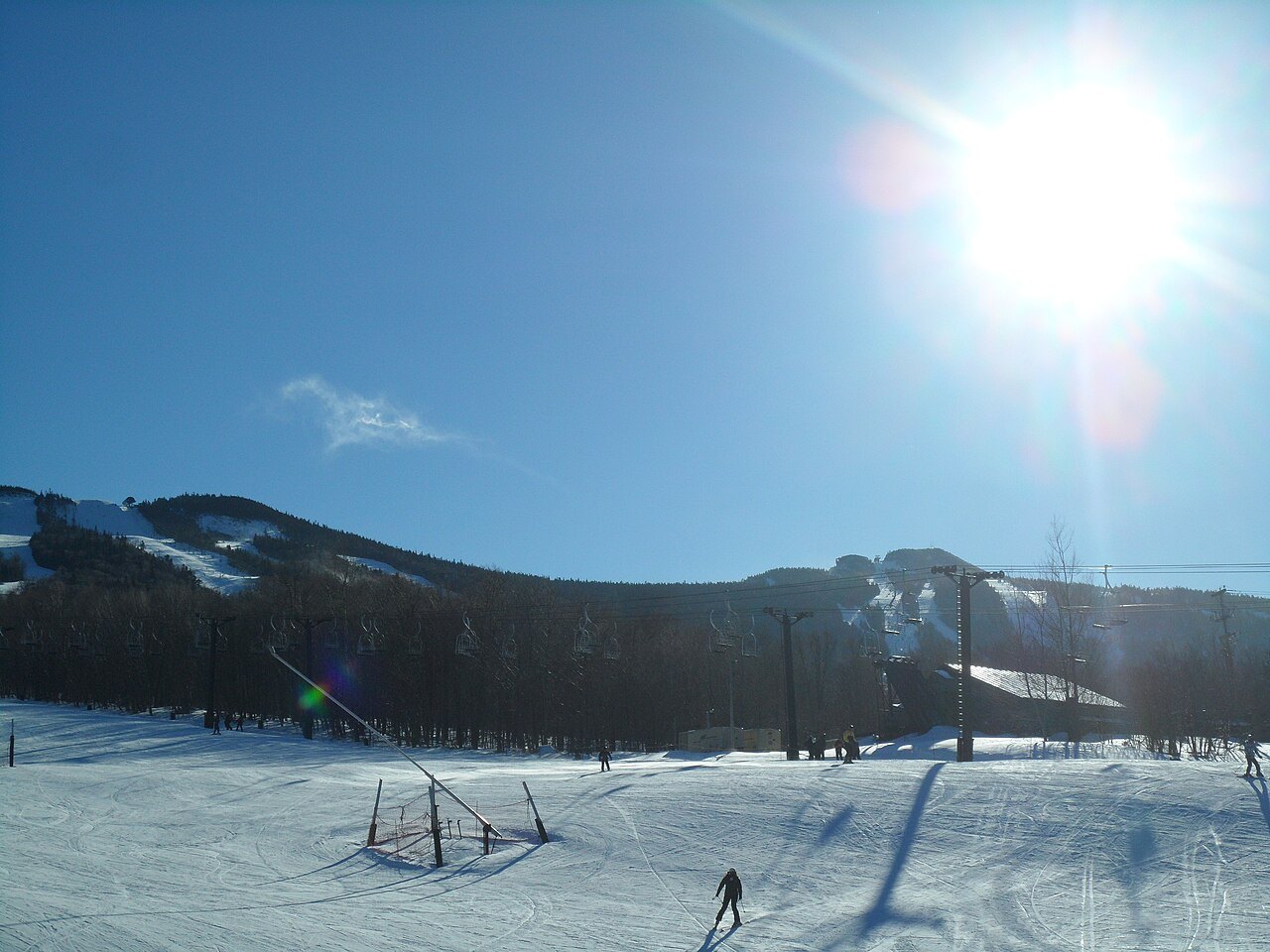
Several miles from the main resort stands Pico Mountain, once an independent area called Pico Peak. It has fifty-seven trails served by seven lifts. American Skiing Company bought it out of bankruptcy in the mid-1990s, the same company that then owned Killington, and when that company later collapsed, Powdr Corp. bought both mountains.
Connector trails link the two, and when natural snow allows, it is possible to ski from Pico across to Killington. Together they offer more than one thousand nine hundred acres of skiable terrain, and a lift ticket bought for Killington is also valid at Pico.
Because several miles separate the two bases, visitors moving between them should plan to go by car or by the resort's bus service rather than assuming trails alone will connect the day.
Pico's own history predates its link to Killington, having operated independently for decades before the two came under common ownership. The connector trails, cut over time, reinforce the sense of one sprawling mountain system behind the Beast of the East nickname, even though Pico keeps its own base area and character.
Snow and the long season
Killington averages about two hundred and fifty inches of natural snow each winter, and snowmaking machinery covers seventy-one percent of the trails. That combination has often given it the longest ski season in eastern North America, with more than two hundred days possible between a typical late-October opening and a late-May close.
The record extremes show the range: the resort has opened as early as October first and closed as late as June twenty-second in exceptional years. Between 1986 and 2001 it opened in October all but one season and never closed before May twenty-first.
More recent patterns have shifted. In the five years ending in 2011, opening day always fell in November and closing never came after early May, but later seasons reversed that trend somewhat, with the 2019 season ending in early June and 2022 closing in early June as well. Visitors should always confirm current dates directly with the resort.
World Cup racing
Since November 2016, Killington has hosted a stop on the World Cup ski tour, with women's technical events, giant slalom and slalom, held on Thanksgiving weekend on the Superstar trail. American racer Mikaela Shiffrin won the slalom in each of the first five editions held there.
Before 2016, the eastern United States had gone without a World Cup race since March 1991 at Waterville Valley, and Vermont itself had not hosted one since March 1978 at Stratton Mountain, making Killington's race a return of top-level international ski racing to the region after decades away.
The Thanksgiving weekend race date has repeated each year since the event began in 2016, making it a fixture of the international alpine racing calendar held in New England. Visitors hoping to watch should check the resort's own schedule and ticketing details well in advance, since race weekend draws large crowds to the town of Killington and the surrounding area.
Getting there and planning
The resort lies along Route 4, with the mountains separating the town of Killington from the city of Rutland. The Skyeship Gondola starts near a base on Route 4, and Route 100 passes close by, linking Killington into the broader loop described on the scenic drives page.
Because opening and closing dates swing widely from year to year and by trail, anyone planning a trip around specific dates should check current conditions with the resort directly before committing to travel plans.
In summer, the Long Trail crosses Killington Peak, and the resort pairs naturally with a longer Green Mountains itinerary, including the Mansfield ridge and the village of Woodstock nearby.
Travelers arriving by car typically follow Route 4 into the valley, while those coming via Route 100 can combine the resort with other nearby stops along that road. Because the terrain is mountainous, winter travelers should watch forecasts and road reports before setting out, and always carry basic winter driving supplies.