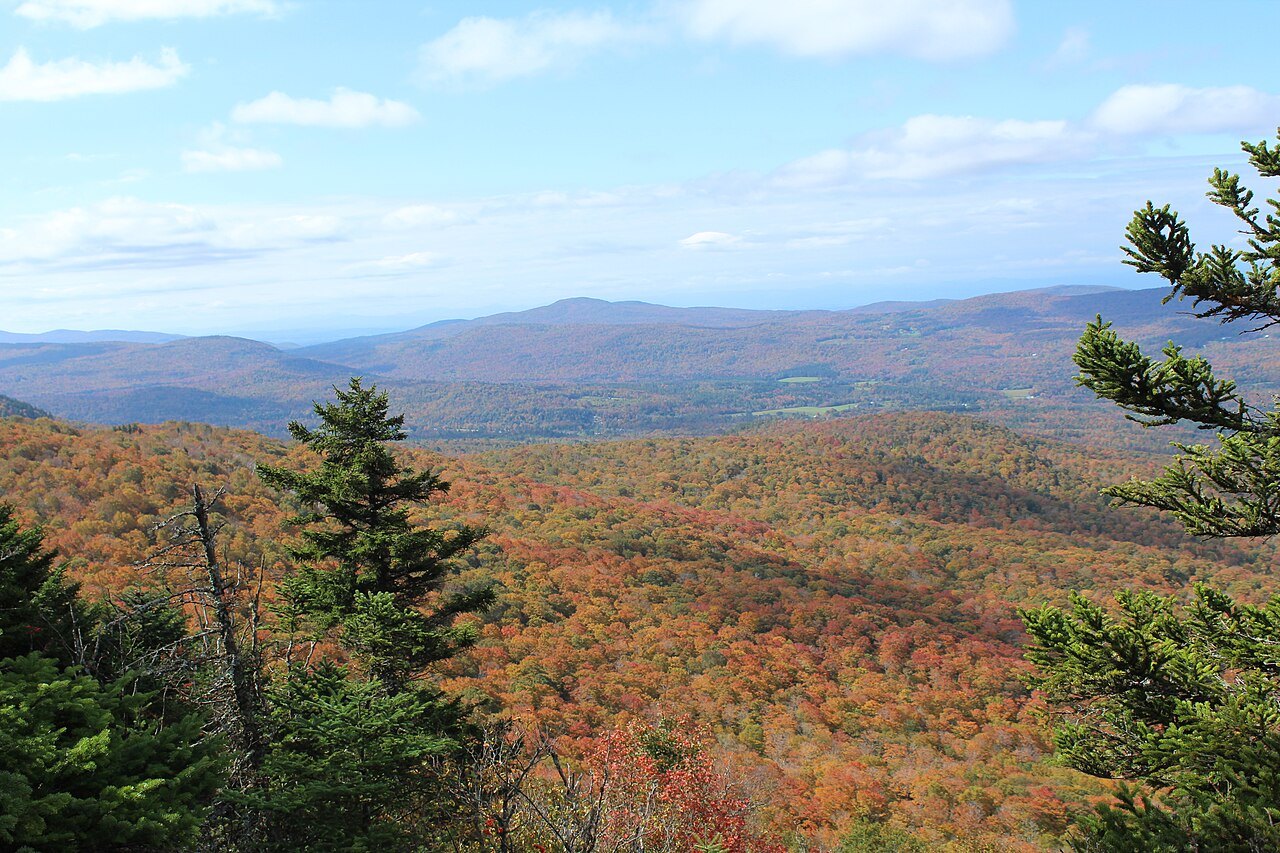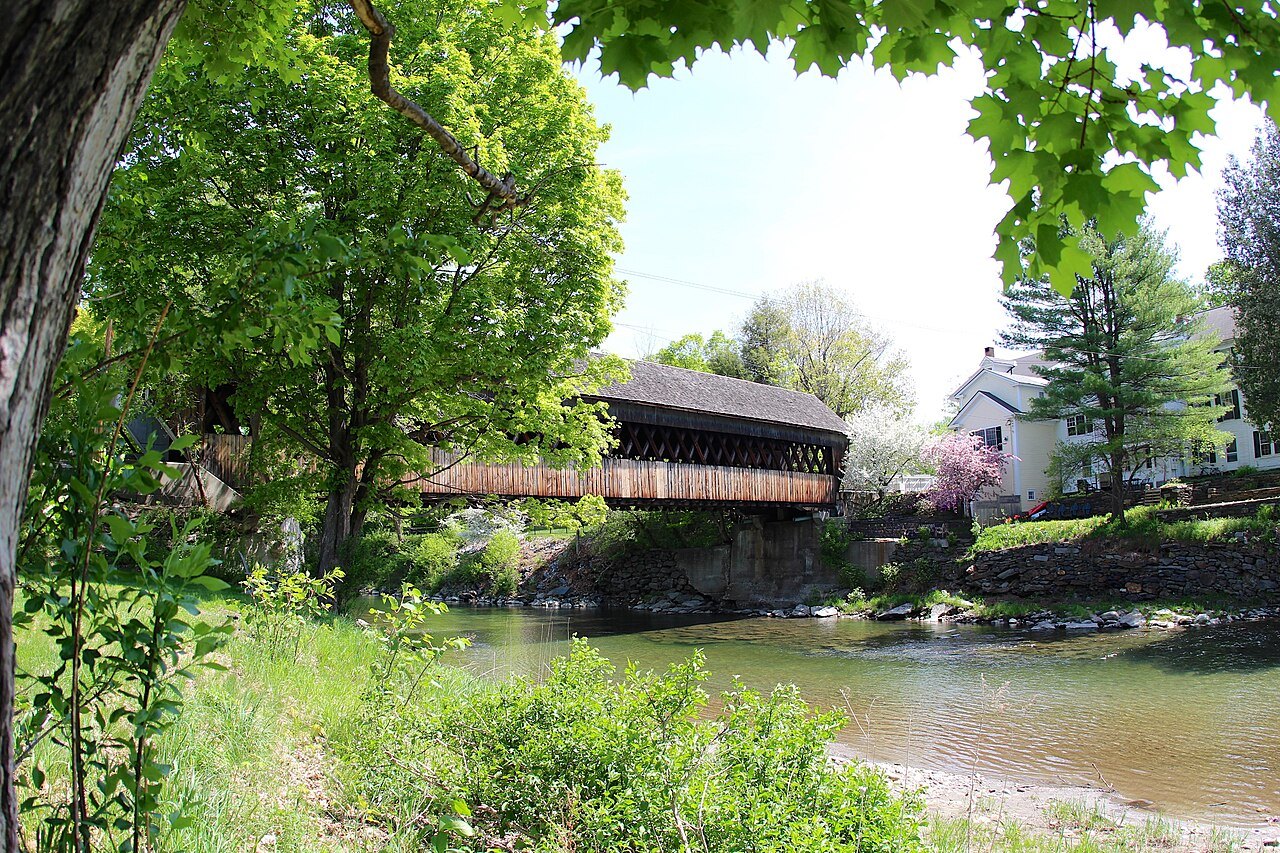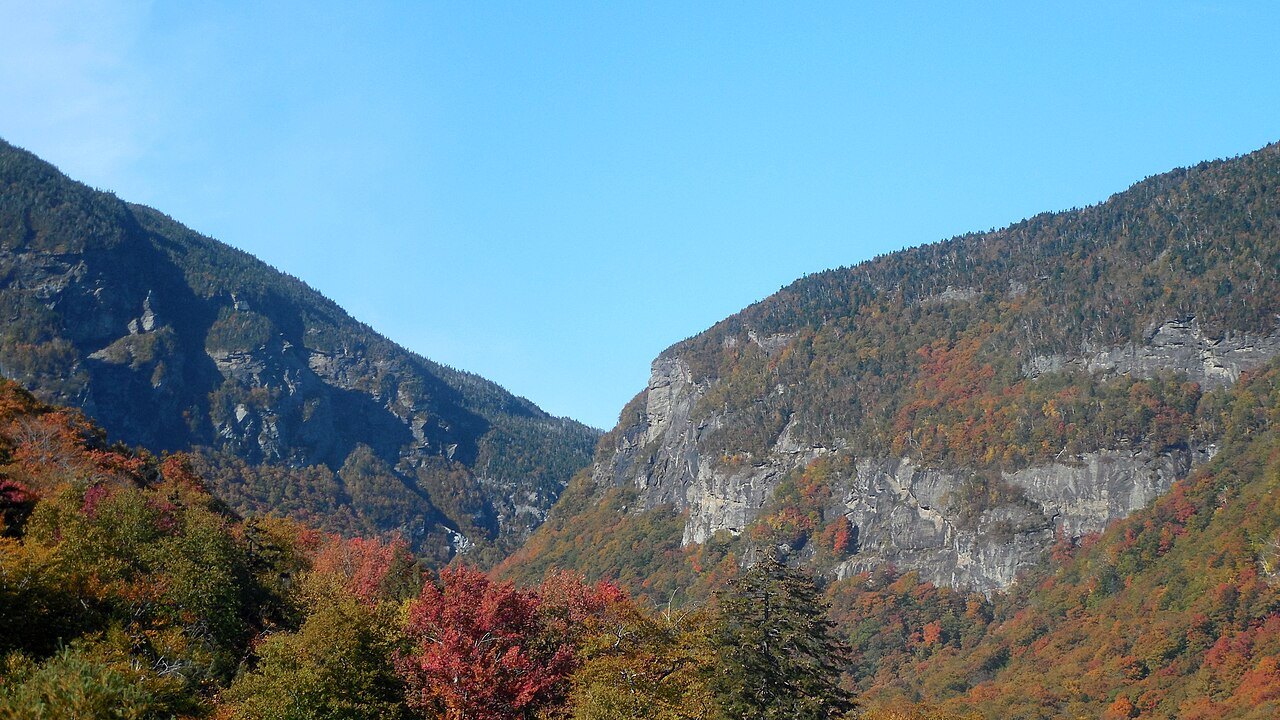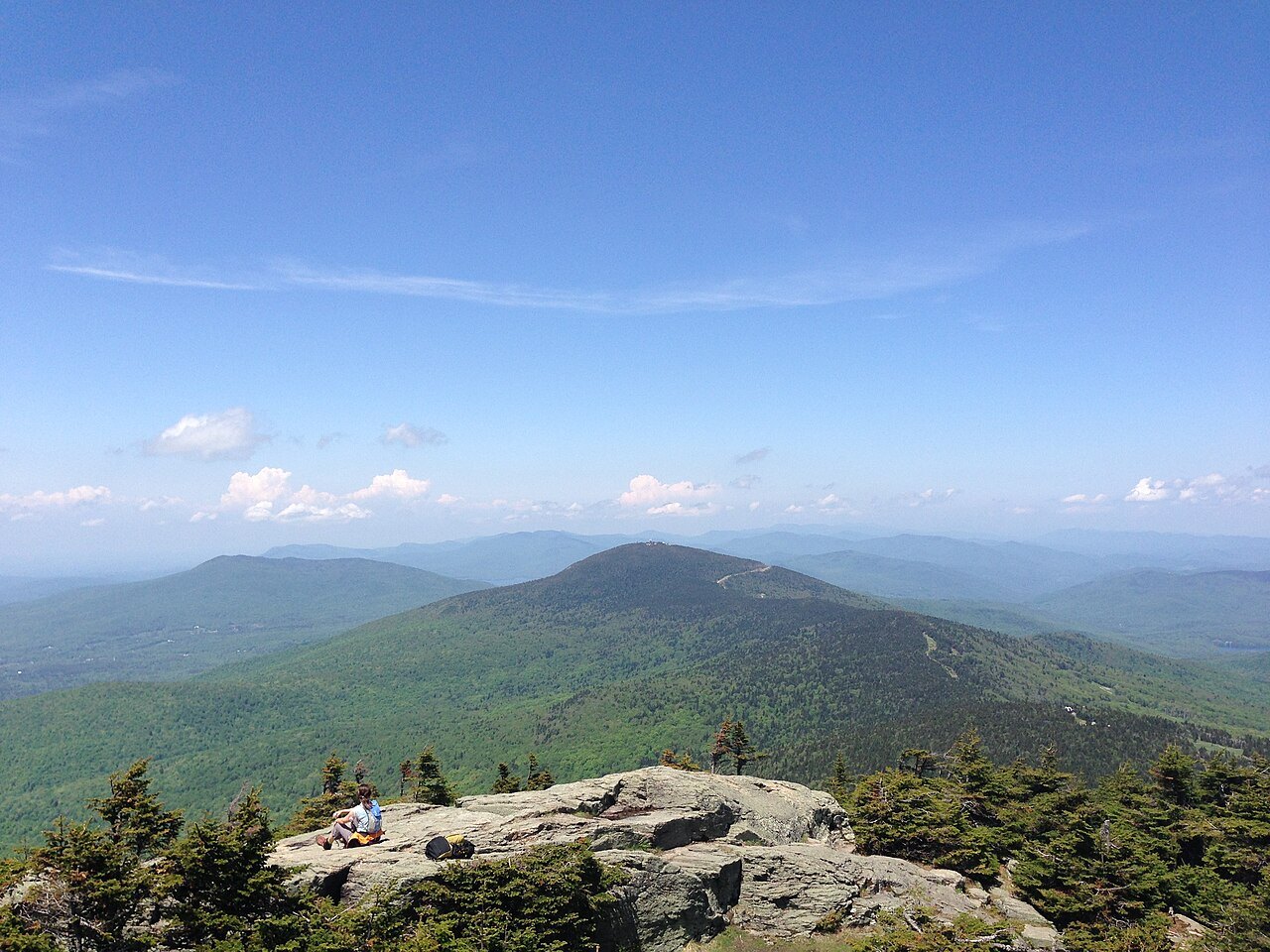
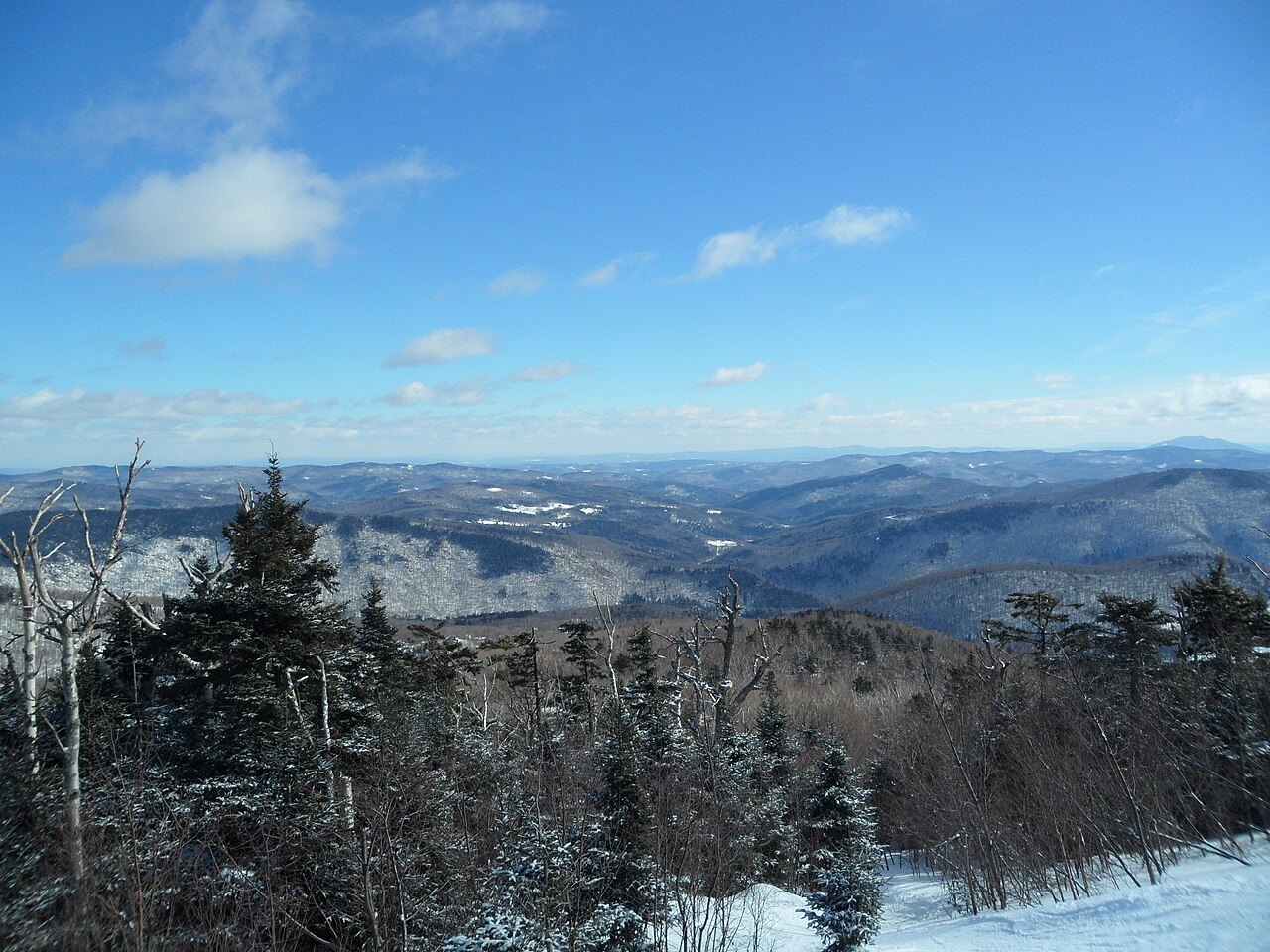
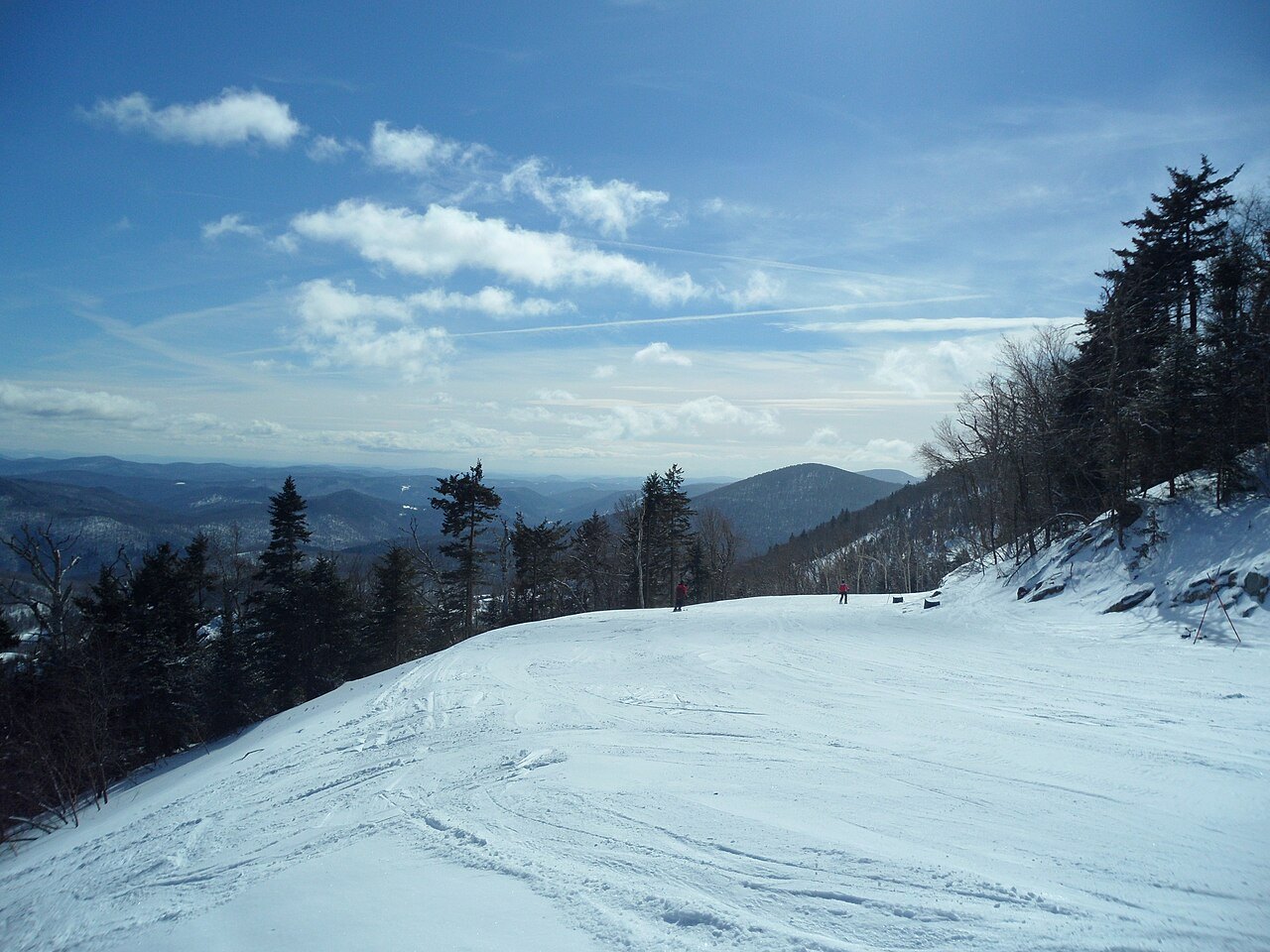
Killington, the Beast of the East and Vermont's second-highest peak
Photographs: Mimicamilleri, Wikimedia Commons, CC BY-SA 4.0 · EgorovaSvetlana, Wikimedia Commons, CC BY-SA 4.0 · EgorovaSvetlana, Wikimedia Commons, CC BY-SA 4.0
The Green Mountains · landmark 6 of 15
Killington is the largest ski area in the eastern United States, six interconnected peaks with the greatest vertical drop in New England, 3,050 feet, and a season that has run from October into June.
- Killington PeakThe summit, 4,229 feet, the second-highest in Vermont, with lodges at its top and base.
- Six peaksSnowshed, Ramshead, Snowdon, Killington Peak, Skye Peak and Bear Mountain share one trail network.
- SuperstarA snowmaking-heavy run that hosts World Cup slalom and giant slalom racing on Thanksgiving weekend.
- Pico MountainA seventh peak several miles away, bought in 1996 and run as a separate resort.
- The Skyeship GondolaBuilt in 1994 from the base near Route 4 up to Skye Peak.
Why it matters
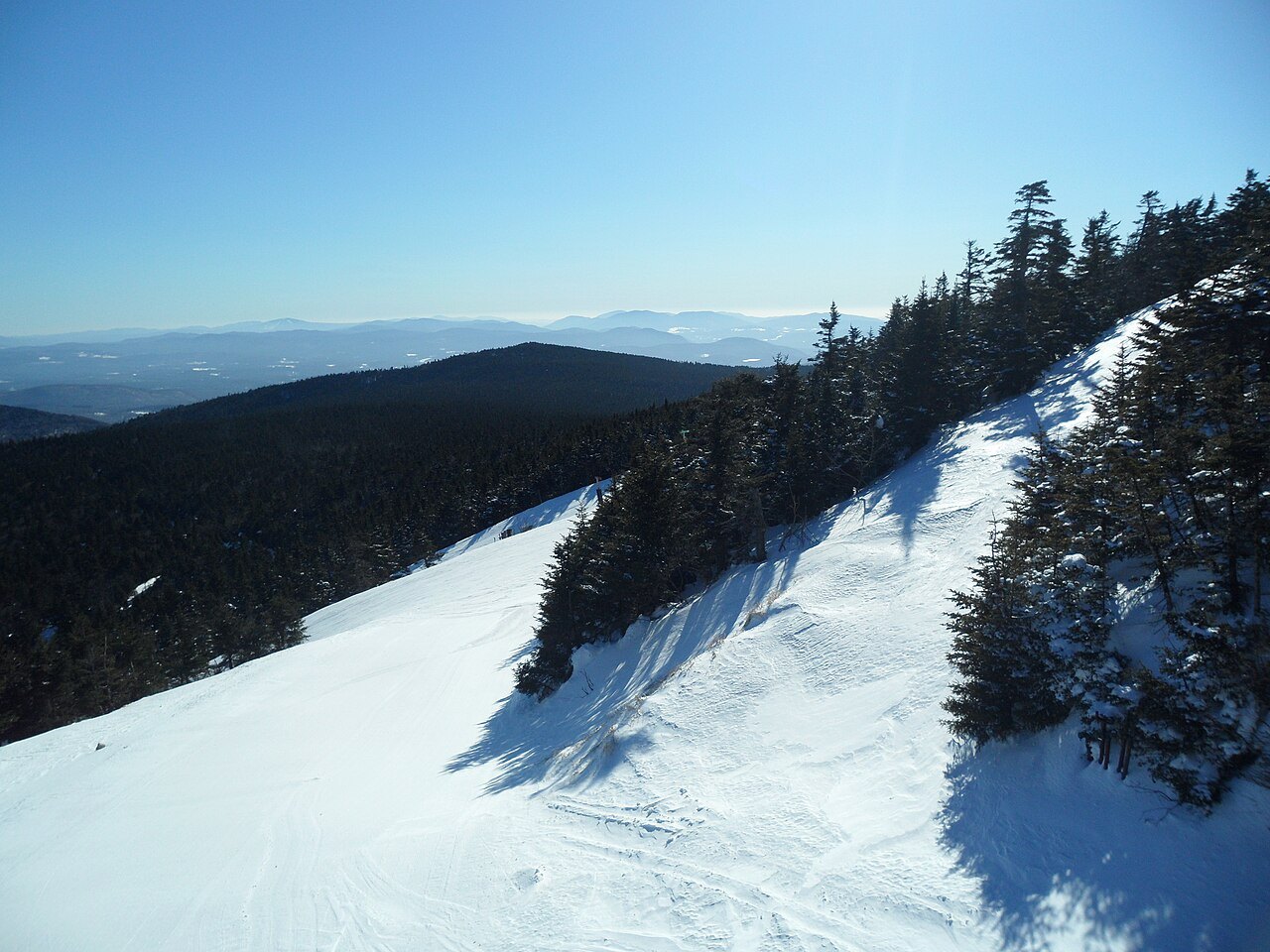
Killington Mountain Resort and Ski Area, in Rutland County near the town of Killington, is the largest ski area in the eastern United States. It has the largest vertical drop in New England, 3,050 feet, and the nickname Beast of the East. Its summit, Killington Peak, is the second-highest mountain in Vermont.
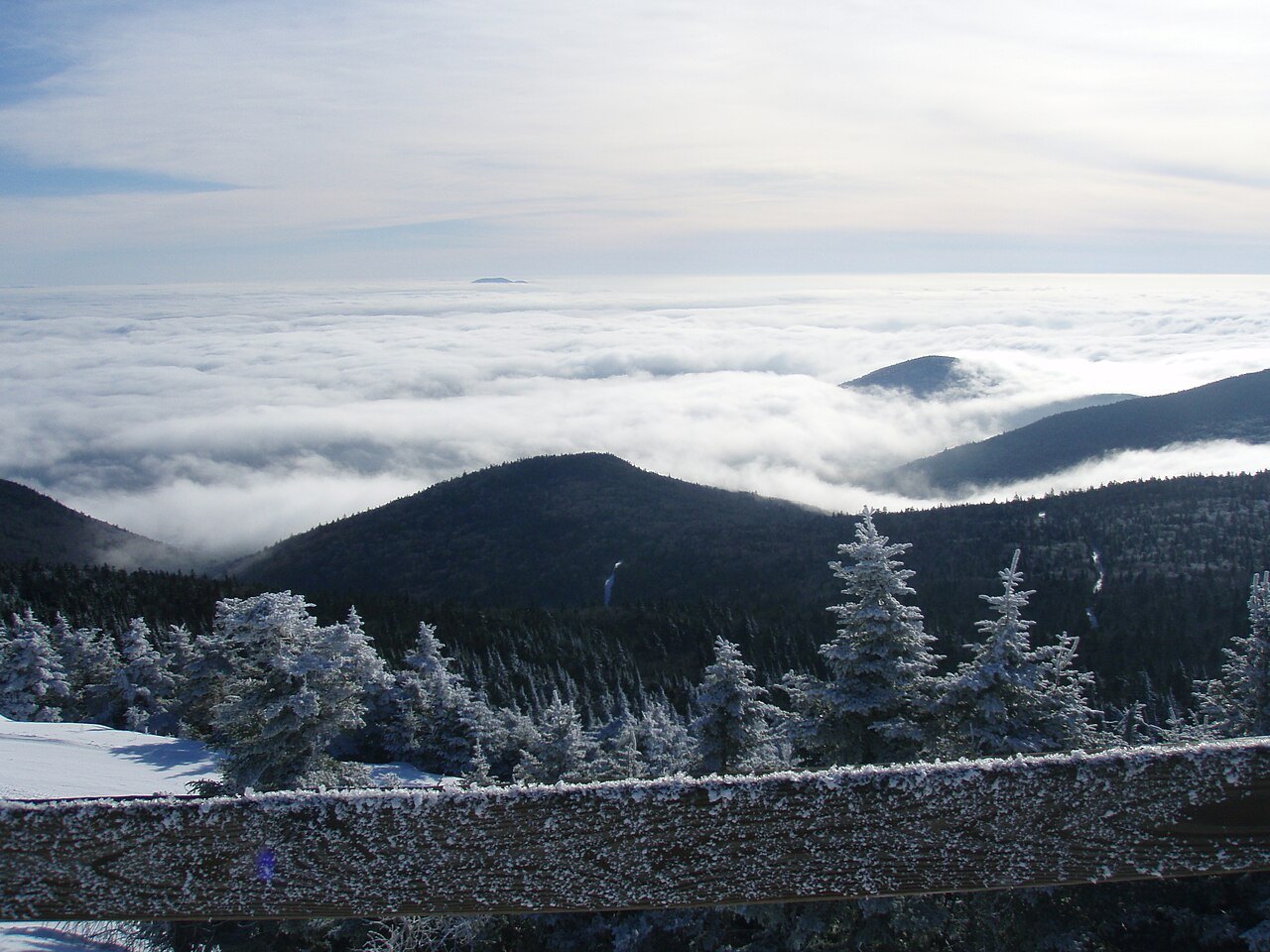
For a visitor it is the biggest single place in the state to ski, and in summer the same mountain is a point on the Long Trail. The resort stands on the Green Mountains, about halfway down the spine of the state.
How the resort began
In 1954 Perry H. Merrill, called the Father of Vermont's State Parks and Alpine Ski Areas and then the state's land lease officer, wanted a ski resort developed on Killington Peak. Preston Leete Smith agreed to work with him, and the resort opened on December 13, 1958.
It grew fast in the 1960s, at a pace well above industry standards. Smith had beginner trails reachable from every lift, and in the 1960s Killington installed snowmaking equipment, which had been invented in the 1950s but was considered a luxury for a milder climate. Several low-snow seasons proved its value. In 1963 the resort introduced the ticket wicket, to stop skiers sharing lift tickets without damaging ski clothing. A major investment in the mid-1990s by American Skiing Company modernized the lifts into much the layout that exists today.
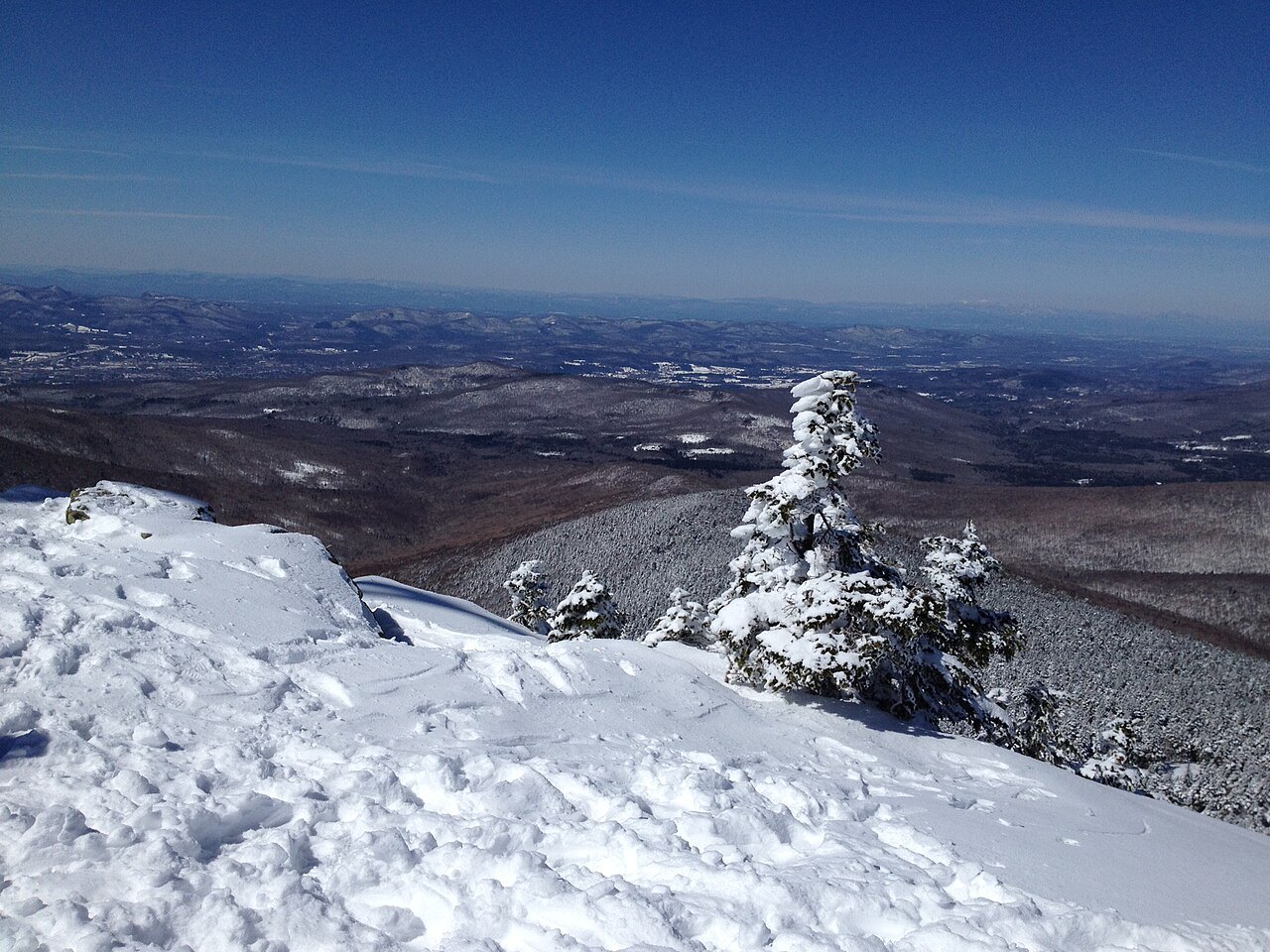
Six peaks, one network
The resort has 155 trails, 21 lifts and about 1,500 acres across six interconnected peaks. Snowshed is the beginners' mountain, with the adult ski school at its base. Ramshead has beginner and intermediate terrain and the youth ski school. Snowdon offers a mix of beginner, intermediate and expert trails.
Killington Peak is the highest of the six. Near its top the Canyon Area holds some of the steepest terrain on the mountain, and lodges with restaurants stand at the summit and at the base. The eastern ski season has traditionally begun on the peak's Rime and Reason trail. Skye Peak has every kind of terrain, including Vertigo, the steepest non-gladed trail, and Great Eastern, a long green run of about four miles. Bear Mountain is home to the very steep mogul run Outer Limits and to terrain parks and freestyle events.
The resort has five snowboard and alpine terrain parks and several learning areas for first-time skiers, mainly around the Ramshead and Snowshed bases. The ski-map artist James Niehues hand-painted its trail map in 1990. Sunrise Mountain, developed in the early 1980s, was once served by the Northeast Passage lift, billed then as the world's longest triple chair, which ran nearly three miles to the corner of US 4 and VT 100 in West Bridgewater. The lower slopes could not hold snow well, and those portions came out of the trail system in the late 1990s, when the entrance by that route ended.
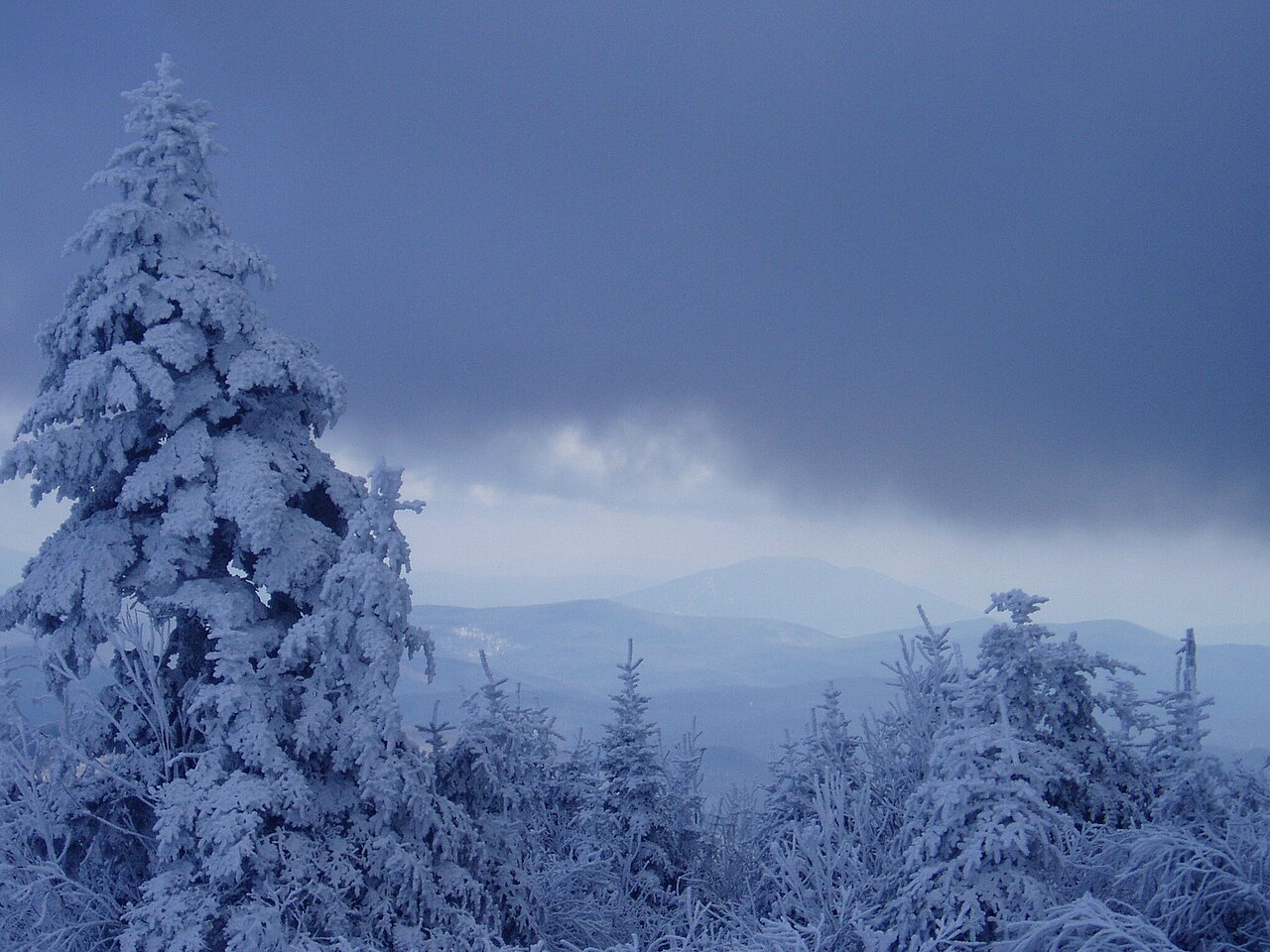
Pico, a seventh peak
Pico Mountain stands on a separate peak several miles from the main resort and has 57 trails, served by seven lifts. It was an independent resort called Pico Peak until American Skiing Company bought it out of bankruptcy in the mid-1990s, and the same company owned Killington. When that company collapsed, Powdr Corp. bought both mountains. Connector trails have been cut, and it is possible to ski from Pico to Killington when natural snow allows. Together the two offer more than 1,900 acres of skiable terrain, and lift tickets for Killington are also valid at Pico. The two are reached from each other by car or bus, since several miles separate the bases.
Snow and the long season
Killington averages 250 inches of natural snow each winter, and snowmaking covers 71 percent of the trails. That gives it what is often the longest ski season in eastern North America, usually from late October to late May, more than 200 days. It has opened as early as October 1 and closed as late as June 22.
The season has shortened in some years. In the fifteen years from 1986 to 2001 the resort opened in October every year but one and never closed before May 21. In the five years ending in 2011 opening day was always in November, and closing day never came after May 6. Later years reversed the trend somewhat: the 2019 season ended on June 2 and the 2022 season on June 4.
World Cup racing
Since November 2016 Killington has hosted the World Cup tour, with women's technical events, giant slalom and slalom, on Thanksgiving weekend on the Superstar run. The American Mikaela Shiffrin won the slalom in each of the first five editions. Before 2016 the most recent World Cup races in the eastern United States had been in March 1991 at Waterville Valley, and the last in Vermont had been in March 1978 at Stratton Mountain.
Getting there and planning
The resort lies on Route 4, and the mountains that make up the resort separate the town of Killington from the city of Rutland. The Skyeship Gondola starts from a base near Route 4. Route 100 passes nearby, which makes the resort one stop on the drive described on the scenic drives page.
Check conditions with the resort before planning around its dates, since opening and closing days vary widely from year to year. In summer the Long Trail crosses the peak, and the Mansfield ridge and the village of Woodstock make natural companions for a longer trip.