When to come to Vermont: the four seasons and the muddy fifth
Photographs: King of Hearts, Wikimedia Commons, CC BY-SA 4.0 · cogdogblog, Wikimedia Commons, CC BY 2.0 · Alan Levine from Strawberry, United States, Wikimedia Commons, CC BY 2.0
Access Vermont · The calendar
Vermont has a humid continental climate with a snowy winter, a muddy spring, a mild early summer and a famous fall; this page sets the seasons against what each one gives and takes away.
Month by month
- January
The deep of winter. Snow stays on the ground for long stretches, and the Northeast Kingdom often runs about 10 degrees colder than the south of the state. The season for the ski areas and the Catamount Trail.
- February
Still winter, with a snow cover that supports the ski areas and the cross-country trails; the Valentine Phantom hangs red hearts on Montpelier's storefronts each February 14, and Newport holds its ice fishing derby.
- March
The turn of the year. Sap begins to rise in the sugar maples in late winter and early spring, and sugaring begins with the thaw, while the first muddy days appear on the dirt roads.
- April
Mud season in earnest. Frozen ground thaws from the surface down, dirt roads soften, and Brattleboro can still see snow as late as this month; a quiet time on the hills.
- May
Spring arrives late to the hills: the peak bloom comes in early May in Stowe village and in late May on Mount Mansfield. Brattleboro's wettest month on average.
- June
A mild early summer. Woodstock holds its Bookstock literary festival around the green; the Green Mountains are green and the trails are drying.
- July
Warm and humid. The lake, the swimming holes and the long trails are in season; heavy rain in July 2023 caused catastrophic floods in Montpelier and elsewhere, so check conditions before driving.
- August
The hot month of the Vermont year. Dragon boat races take place on Lake Champlain in August, and the lake and the high lakes of the Kingdom are at their best.
- September
The year's hinge. Peak fall color usually arrives in late September at Stowe, with the higher elevations turning first; the South End Art Hop in Burlington falls after Labor Day.
- October
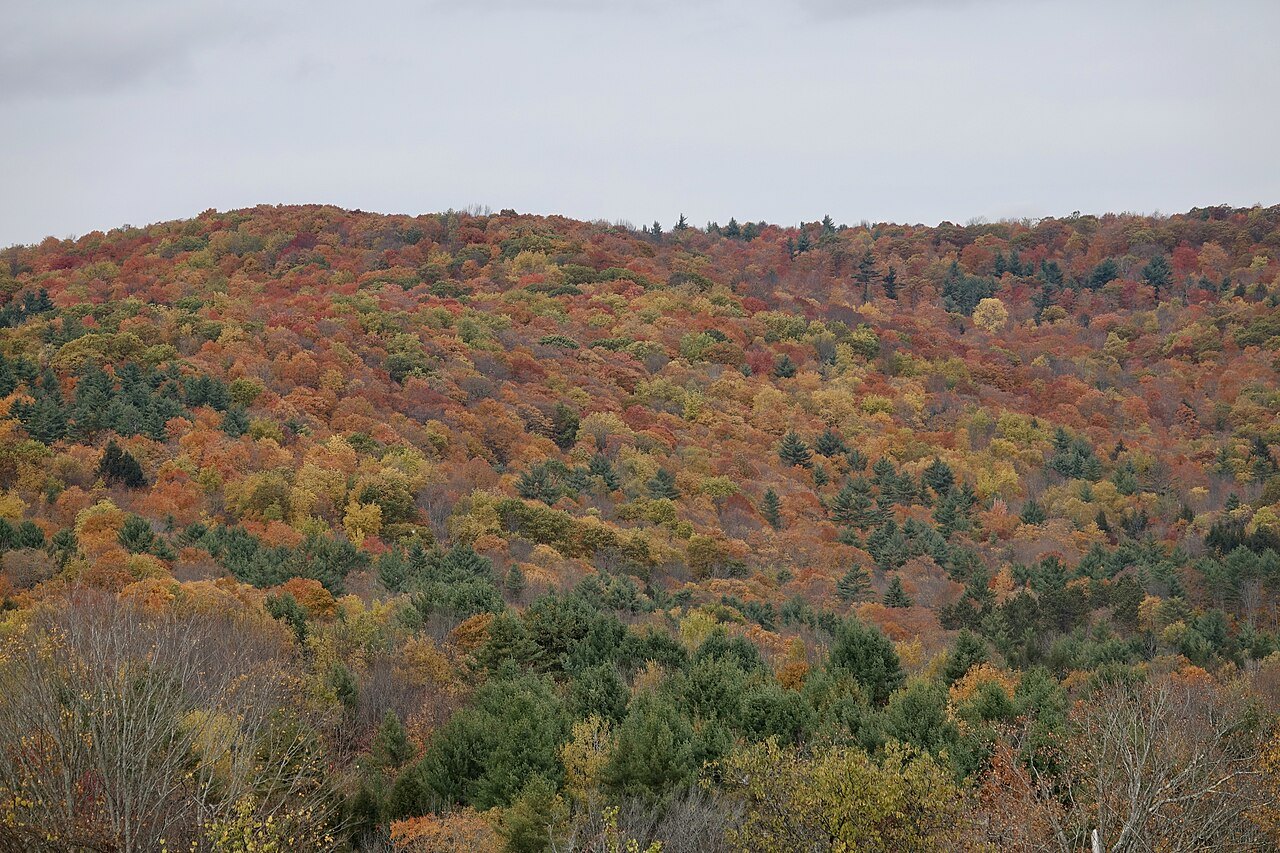
The colors move down the mountains into the valleys, and the hills show red, orange and, on the sugar maples, gold. Harvest Weekend at the Billings Farm is held in October.
- November
Late fall. The leaves are down, the first snow can arrive in the hills, and the ski areas begin to prepare; one of the quietest months for visitors.
- December
Early winter. Woodstock holds its Wassail Weekend in early December, and the ski areas open as the snow allows.
The short version
The annual mean temperature for the state is 43 degrees. Vermont has a humid continental climate, with muddy springs, a generally mild early summer, hot Augusts and colorful autumns, and winters that are colder at higher elevations. Annual snowfall averages between 60 and 100 inches depending on elevation, and Vermont is the seventh coldest state in the country.
Two of the seasons draw the crowds: fall, for foliage, and winter, for skiing. The state's longest highway, Vermont Route 100, is a popular tourist route in both and can be heavily trafficked then, according to its own description. Summer is the quiet season for the lake and the trails, and spring, for all its mud, is the season for sugaring and for empty roads.
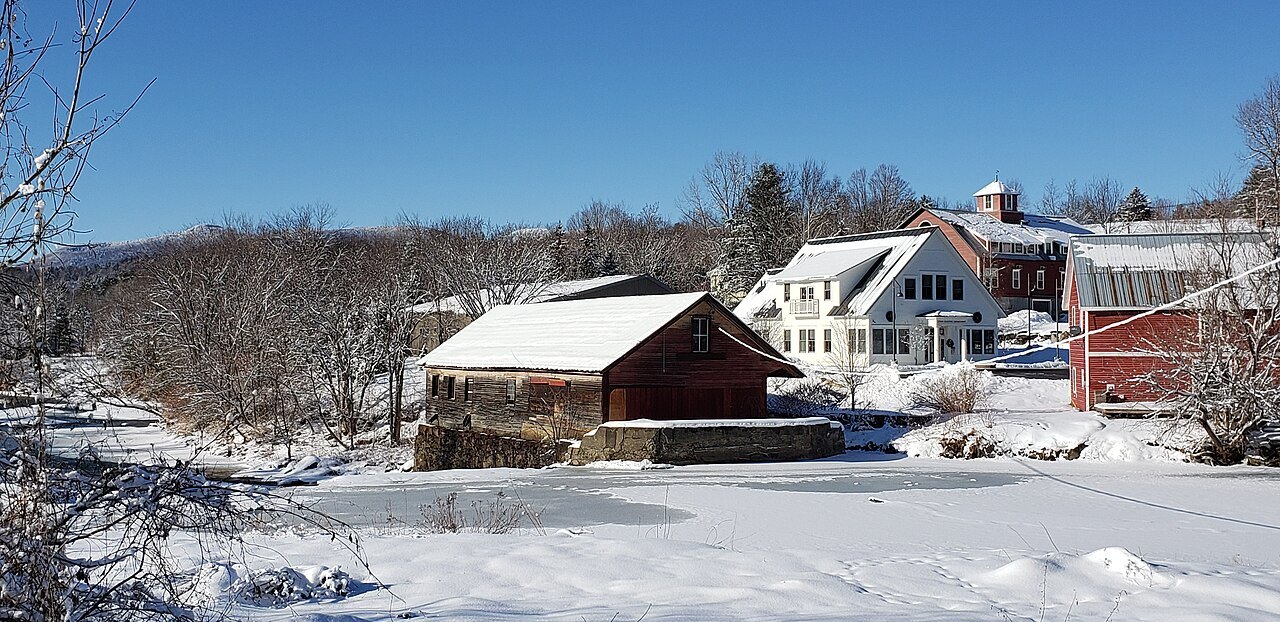
Winter
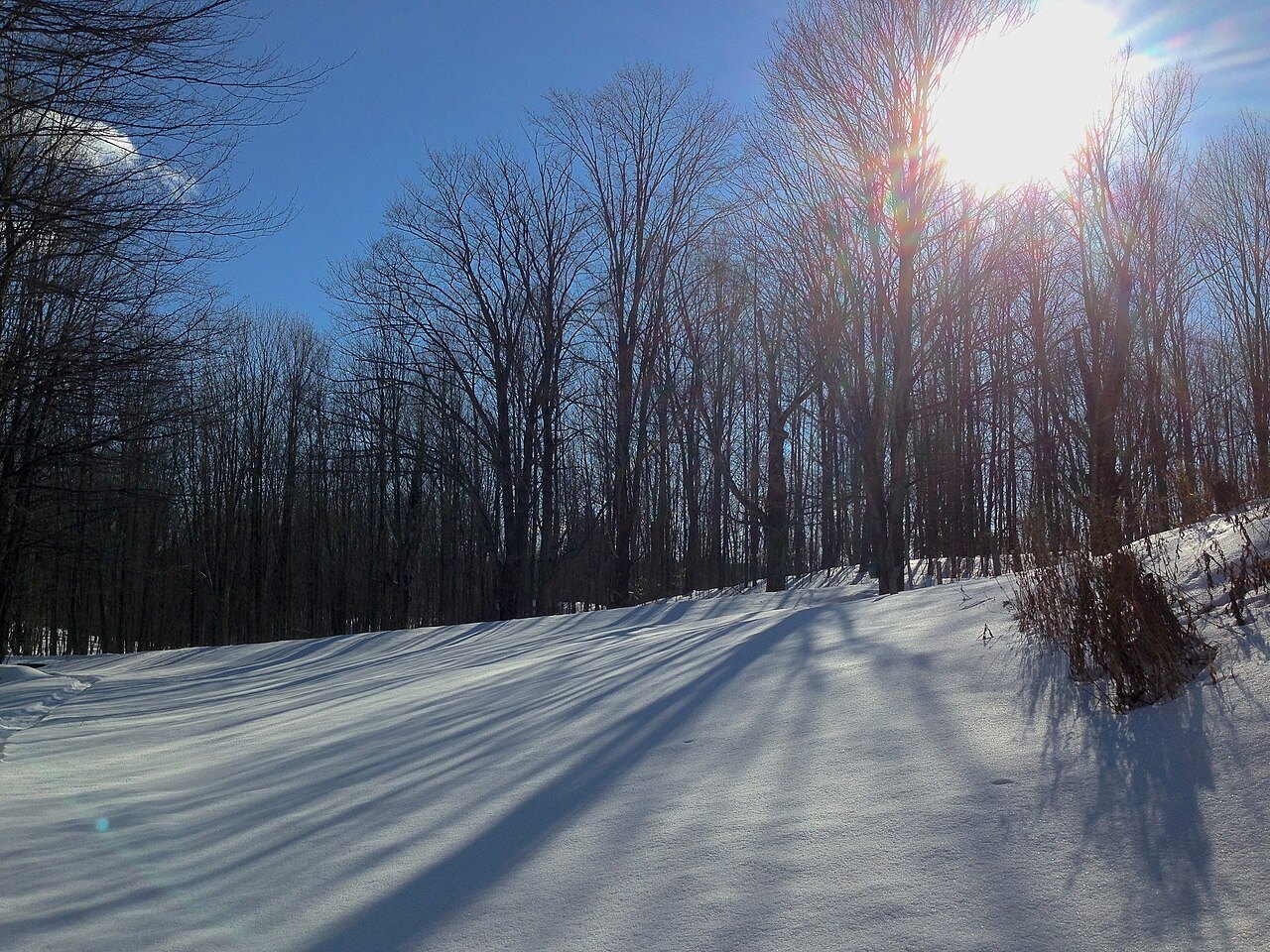
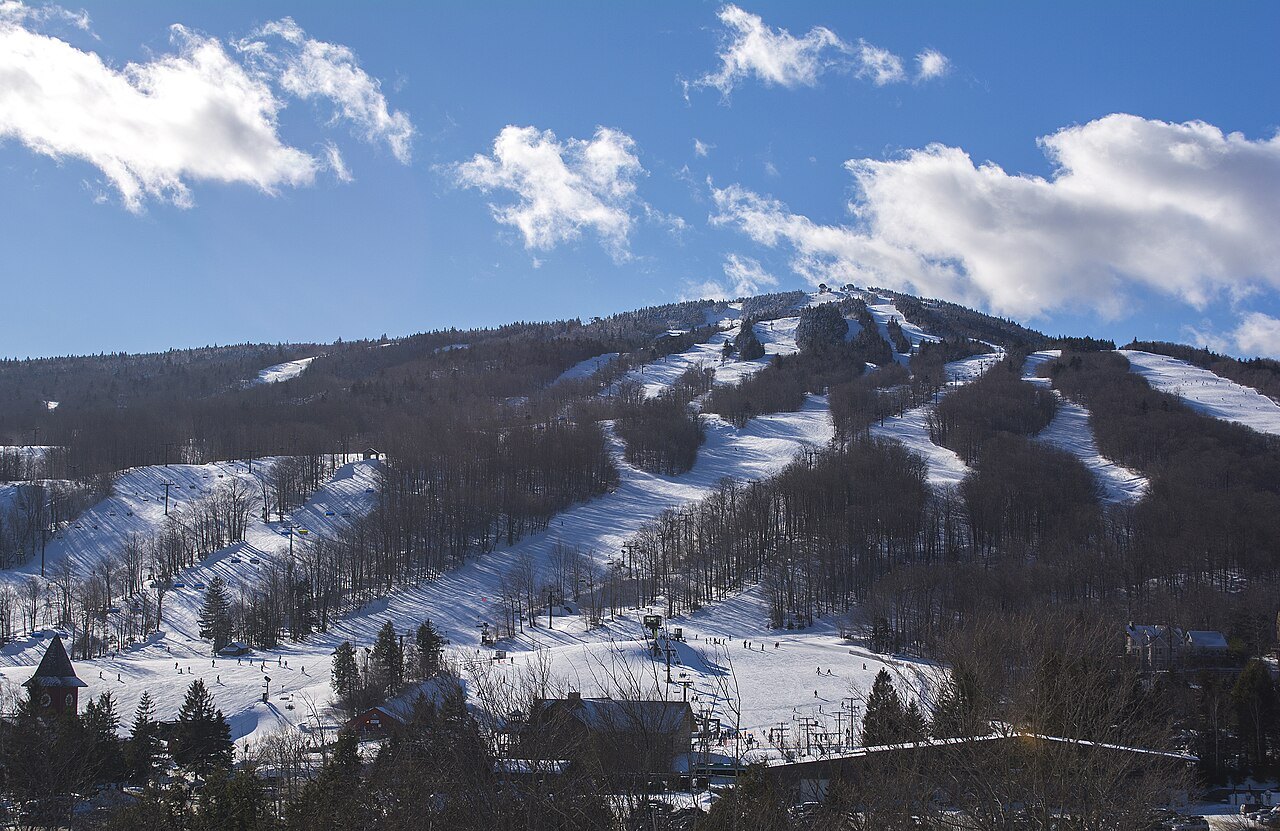
Winter is long, and it is Vermont's second great visiting season. The ski areas along Route 100 and elsewhere, among them Stowe, Killington, Sugarbush, Mount Snow, Mad River Glen and Jay Peak, depend on it. Sugarbush's annual snowfall is about 262 inches and Mount Snow's 158 inches.
Cross-country and backcountry skiers travel the length of the state on the Catamount Trail, and the Northeast Kingdom often averages about 10 degrees colder than the southern areas of the state in winter. Dress for a cold that is real; the lowest recorded temperature in Montpelier is 34 below zero. In winter the mountain roads, Smugglers' Notch among them, need caution, and the getting around page covers what to check.
Nor'easters in the southern part of the state can drop a foot or more of snow, and in Brattleboro snow can arrive as early as November and as late as April. In the high country it can come as late as May. A trip to the mountains in the shoulder months should carry the right clothes for each of those weathers.
Killington, whose main peak at 4,229 feet is the second-highest summit in the state, installed snowmaking equipment in the 1960s, when it was still considered a luxury of the warmer places, and it has the second greatest vertical drop in the eastern United States, 3,050 feet.
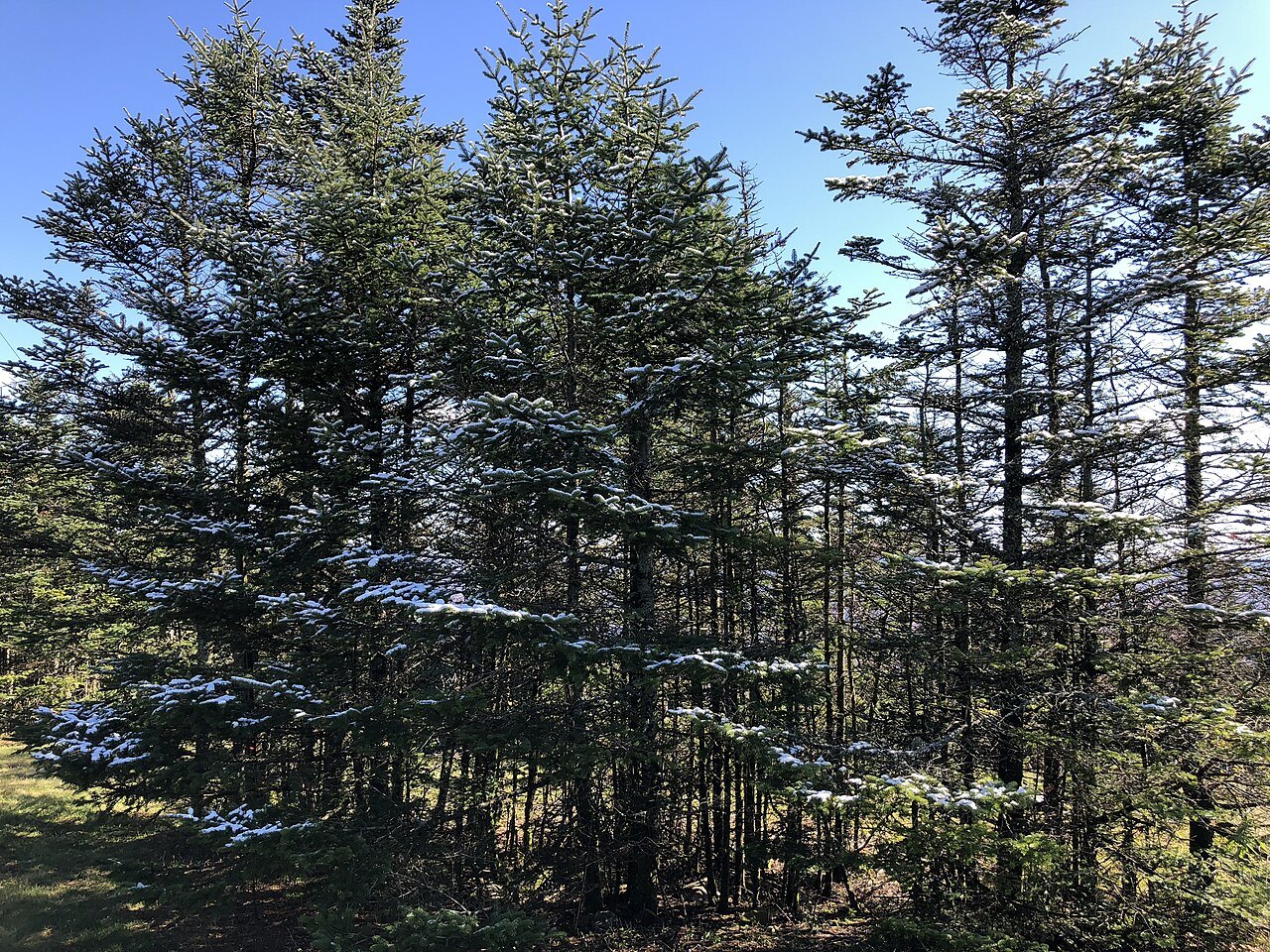
Mud season and sugaring
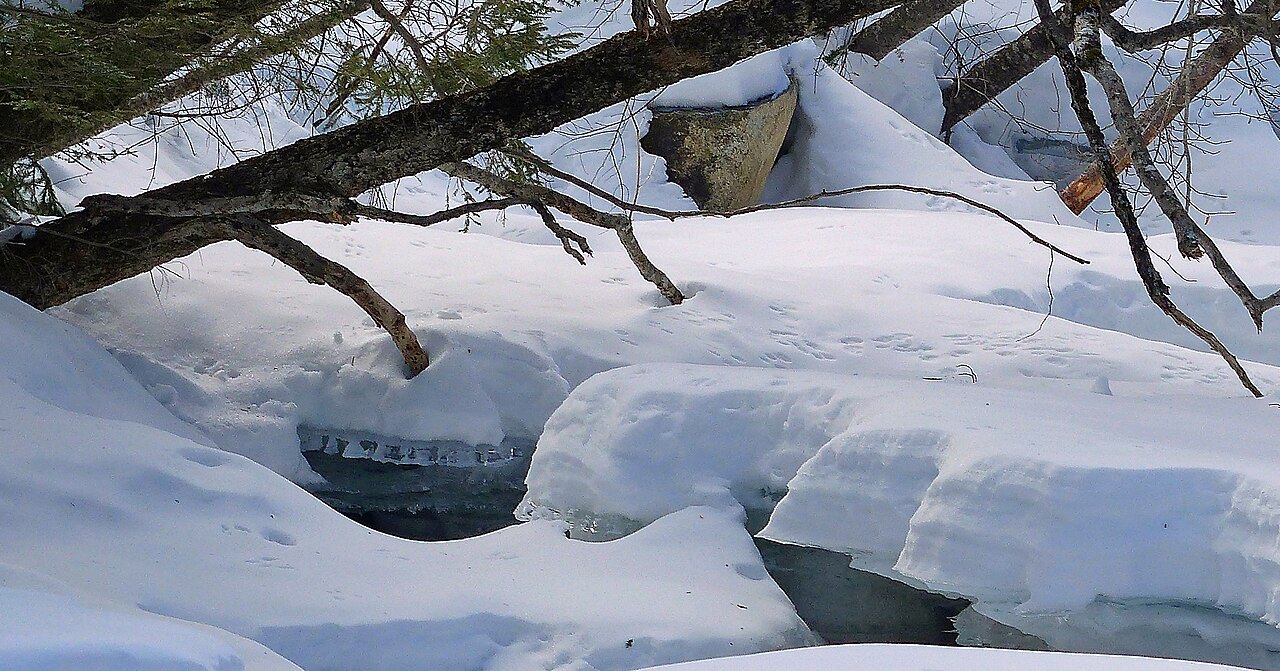
Mud season is a period in late winter and early spring when travel over ice is no longer safe and travel overland is harder, because frozen ground thaws from the surface down and soil saturated with water turns muddy. The frozen layers below keep the water from draining, so dirt roads are the first to suffer; mud season is hard on dirt roads, and care is also needed in protected and recreational areas, because the soil is fragile.
The same thaw is sugaring season. In cold climates maple trees store starch before winter, and in late winter and early spring it turns to sugar that rises in the sap; the trees are tapped, the sap is collected and it is boiled down to syrup. Vermont has long been the largest producer in the country, with a record of roughly two and a half million gallons in 2022, and this is the season when it is made.
The practical rule for a spring visit is to stay on paved roads and main trails, and to ask locally before taking a dirt road or a low trail, because a road that is fine in July can be impassable in April.
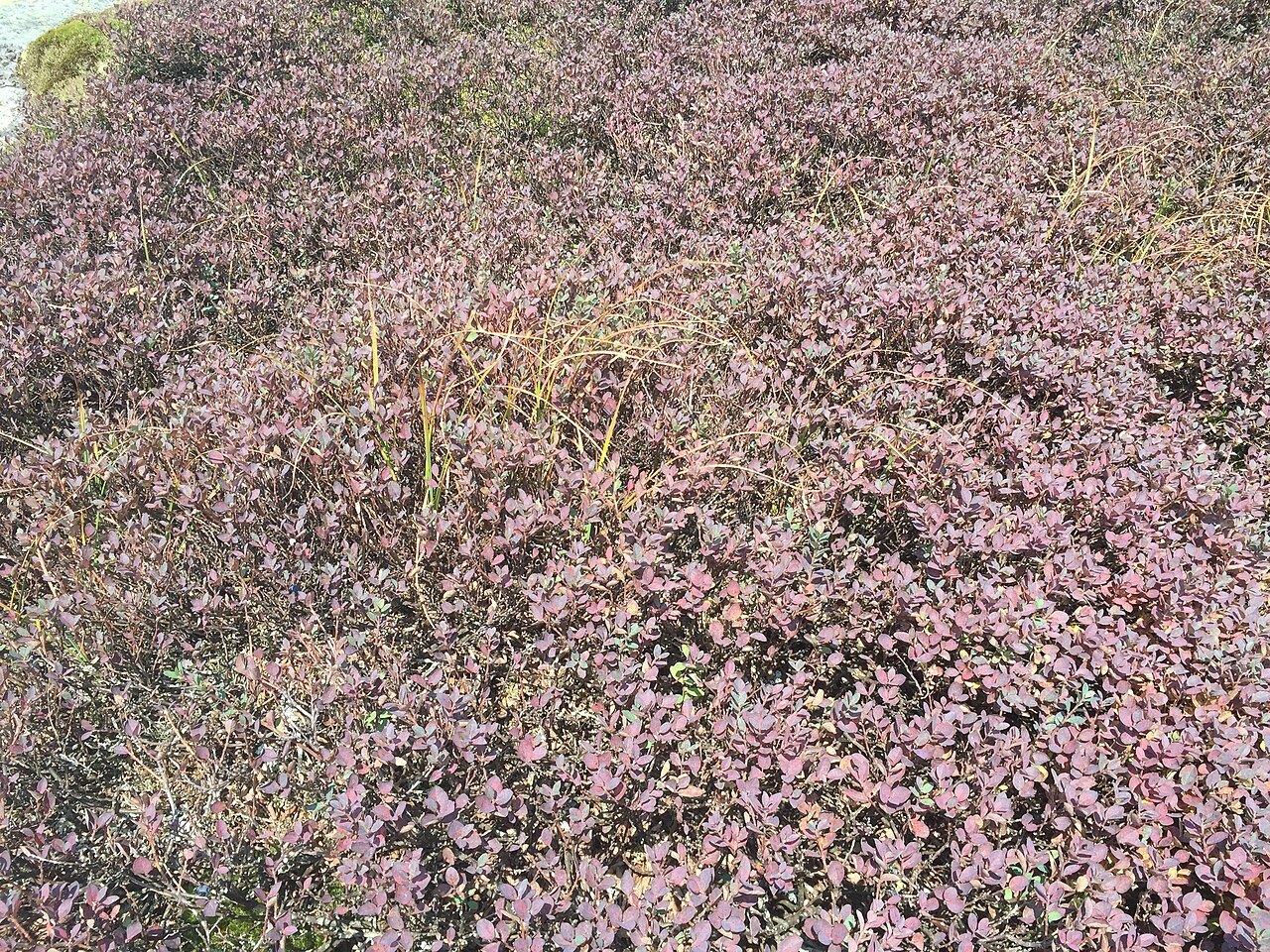
Spring and early summer
Spring comes late to the hills. At Stowe, the peak spring bloom comes in early May in the village and in late May on Mount Mansfield, and summers are warm and comfortably humid in the village. Brattleboro can see snow as late as April, and May is its wettest month on average, so a spring trip should expect rain.
By June the Green Mountains are green and a mild early summer has begun. This is the season of Bookstock in Woodstock and of the Language Schools at Middlebury, and the trails dry out. The long trails, including the 273-mile Long Trail along the main ridge of the Green Mountains, are the draw.
Summer
Summer is warm, with a hot August, and is the season of the lake. Dragon boat races take place on Lake Champlain each August, and the Burlington waterfront is at its busiest. The high ground stays cooler: Mount Mansfield has mild summers, even if most days are humid there.
A summer visit should keep an eye on the weather. The topography and climate make parts of Vermont subject to large-scale flooding, from the Great Vermont Flood of 1927, which killed 84 people, through the flood of 1973 to Tropical Storm Irene in 2011, and the heavy rains of July 10 and 11, 2023, brought catastrophic flooding to Montpelier and many other parts of the state.
Autumn
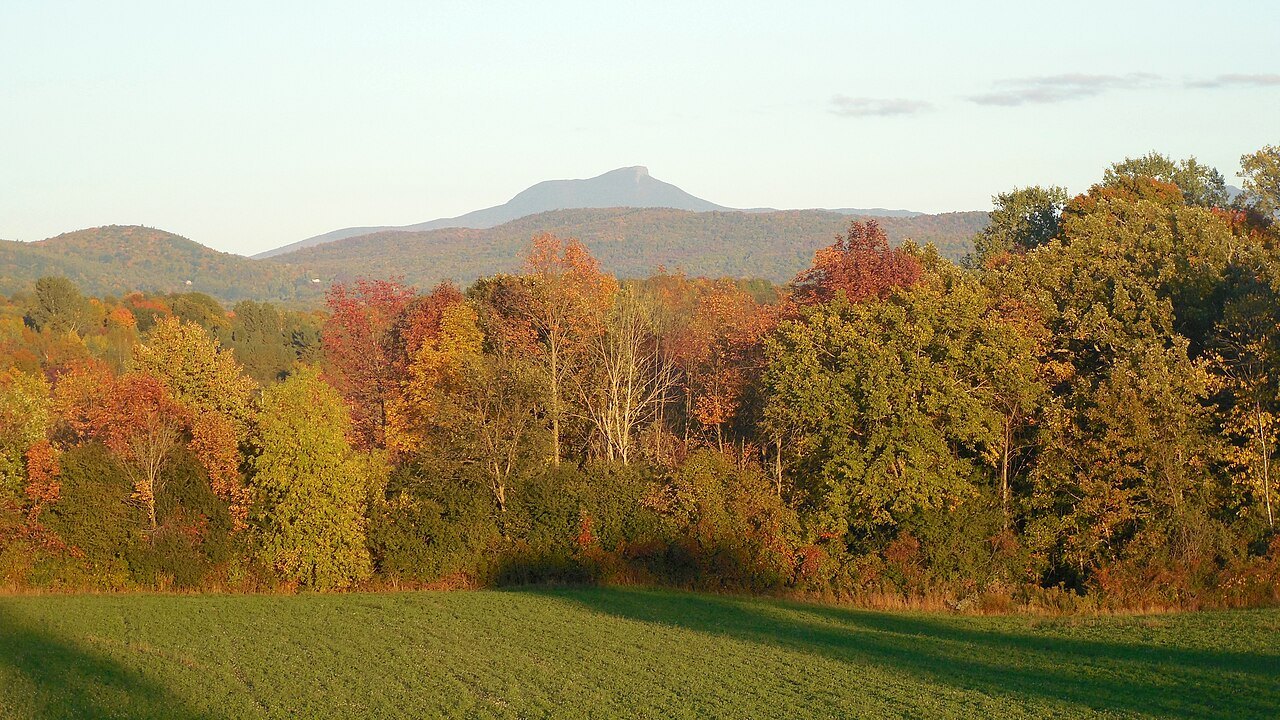
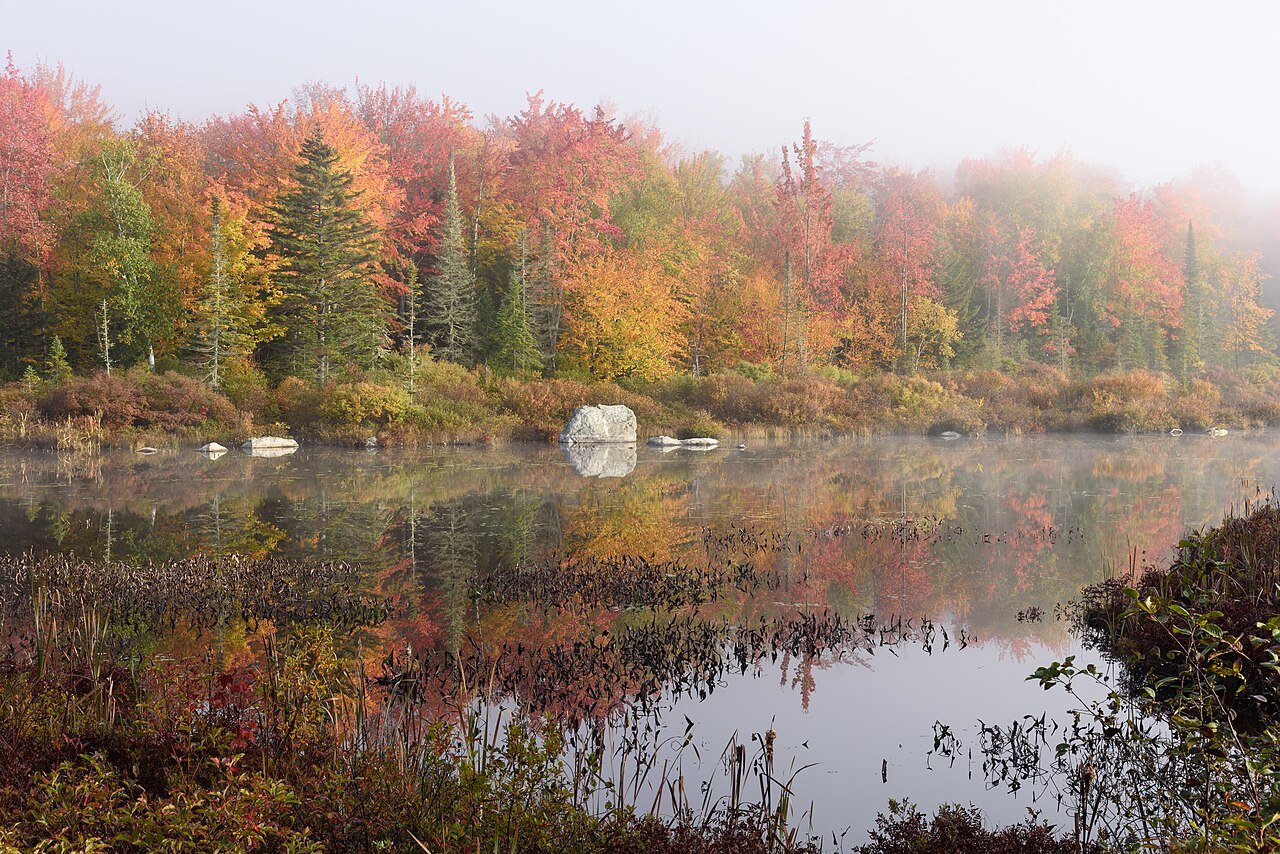
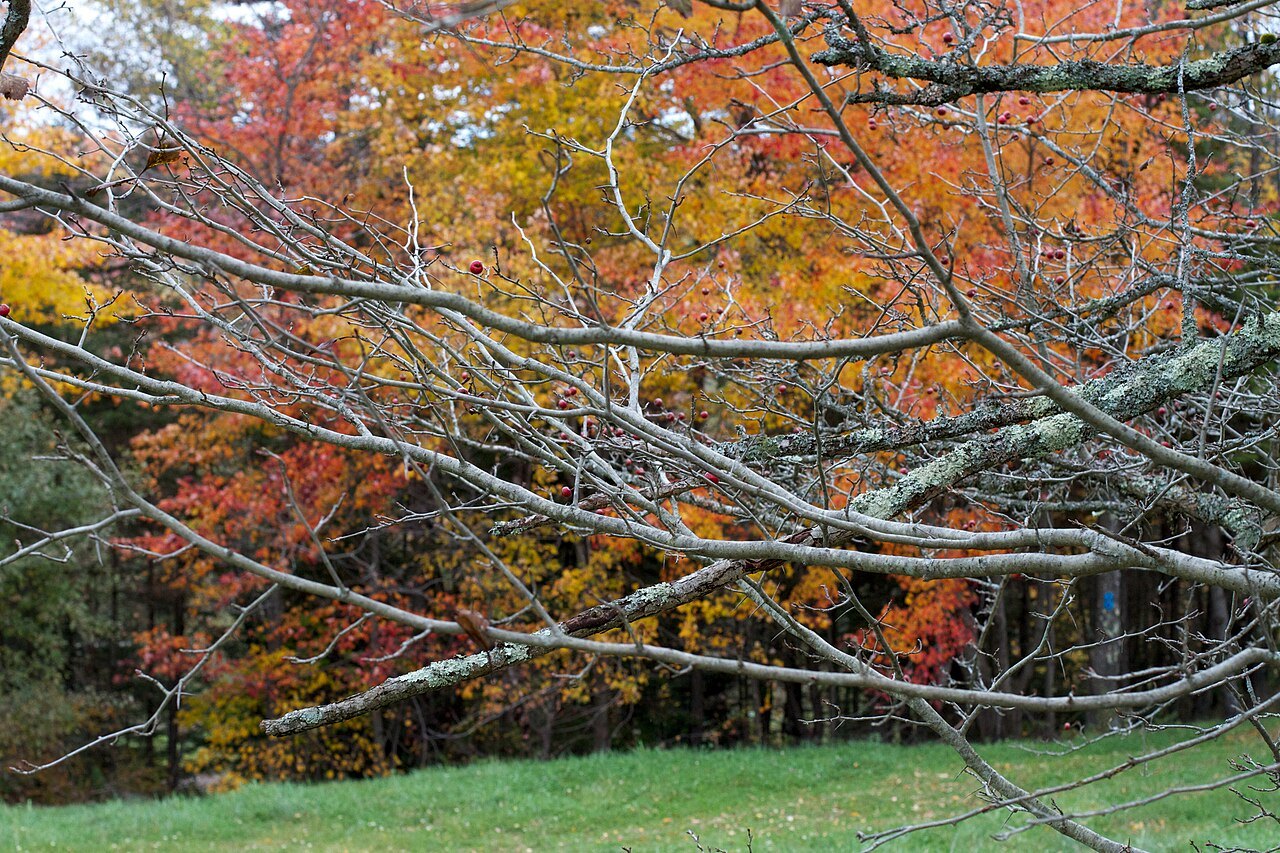
Autumn is the most famous season. As cold weather approaches, Vermont's hills reveal red, orange and, on sugar maples, gold foliage. Leaf-peeping tourism is a major contribution to economic activity wherever it happens, and the color season runs from the first change to leaf fall, usually from September to November in the northern hemisphere. At Stowe, peak fall color usually comes in late September. Summer is also the season for covered bridges and the villages, which the other pages cover.
A drive along Route 100 or across the mountains can follow the change in the leaves as it moves across the hills. The roads are crowded in fall, which is the argument for traveling on weekdays and for choosing the quieter byways; the scenic drives page lists them.
Choosing your month
For the ski areas, come in the deep of winter. For foliage, aim for late September and the first half of October, and book early. For the lake and the long trails, summer. For the quiet villages, covered bridges and farms, the early weeks of fall or the weeks after the leaves drop are good, as is June. If a main goal is syrup, come in late winter or early spring and accept the mud.
Whatever the month, plan for change: Vermont's climate is warming, according to the state government, with rainfall increased over the last 50 years, more storms and flooding, and warmer, shorter winters, all of which affect both the ski season and the maple trees.