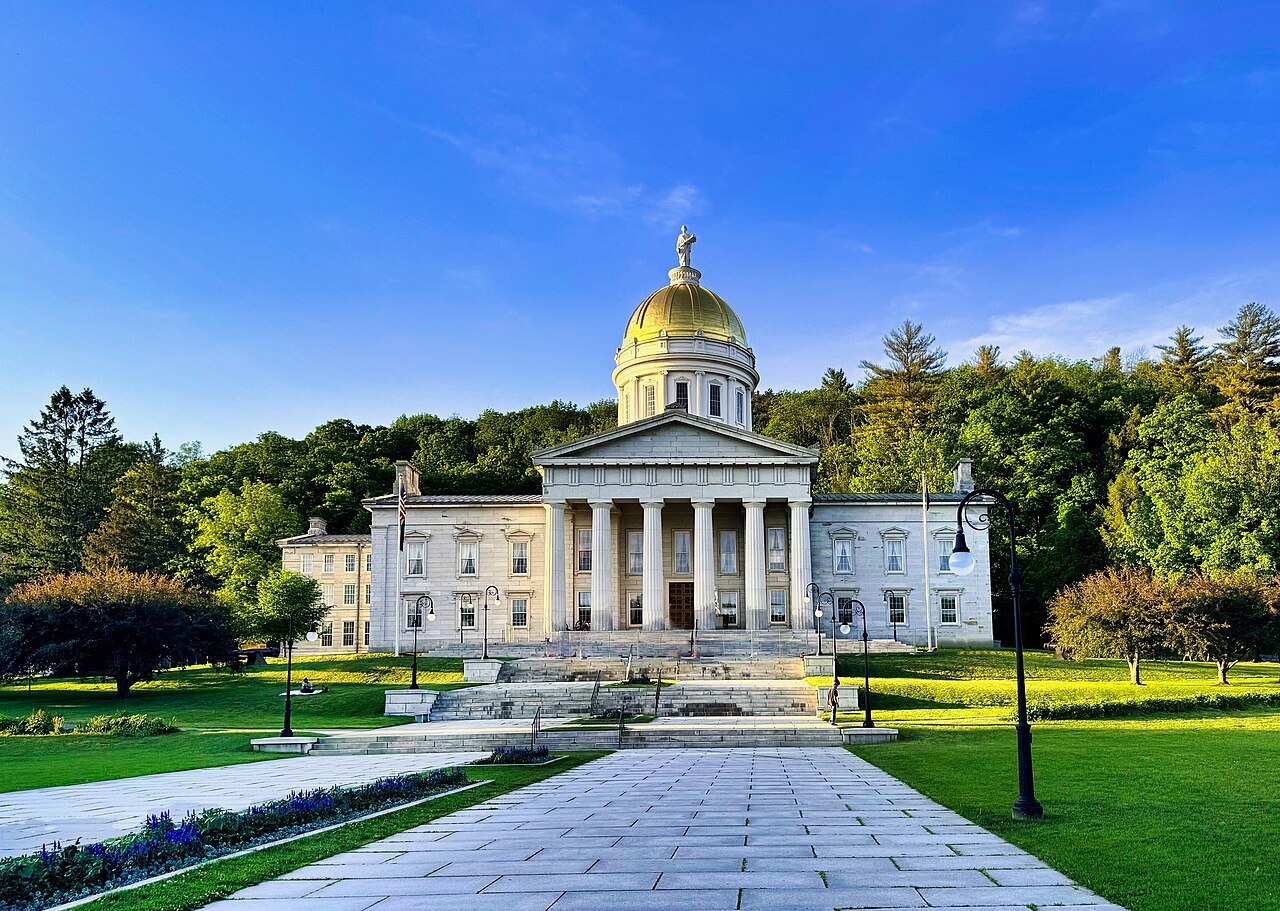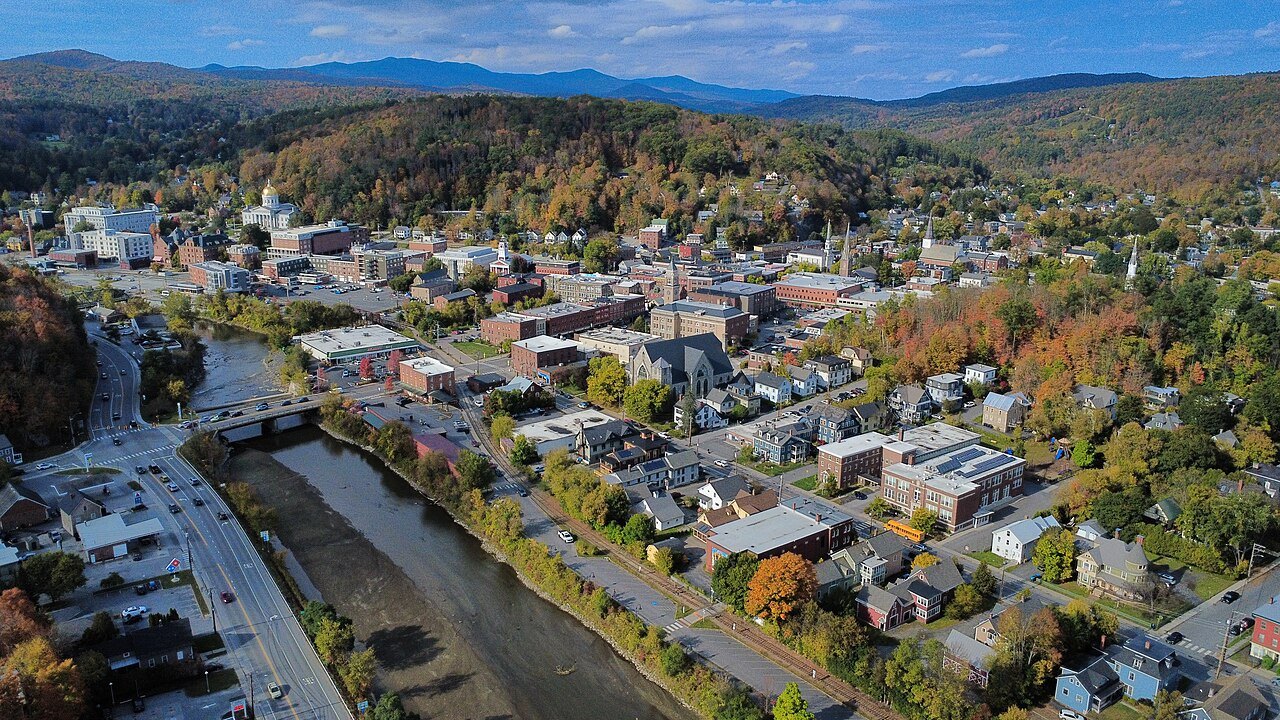
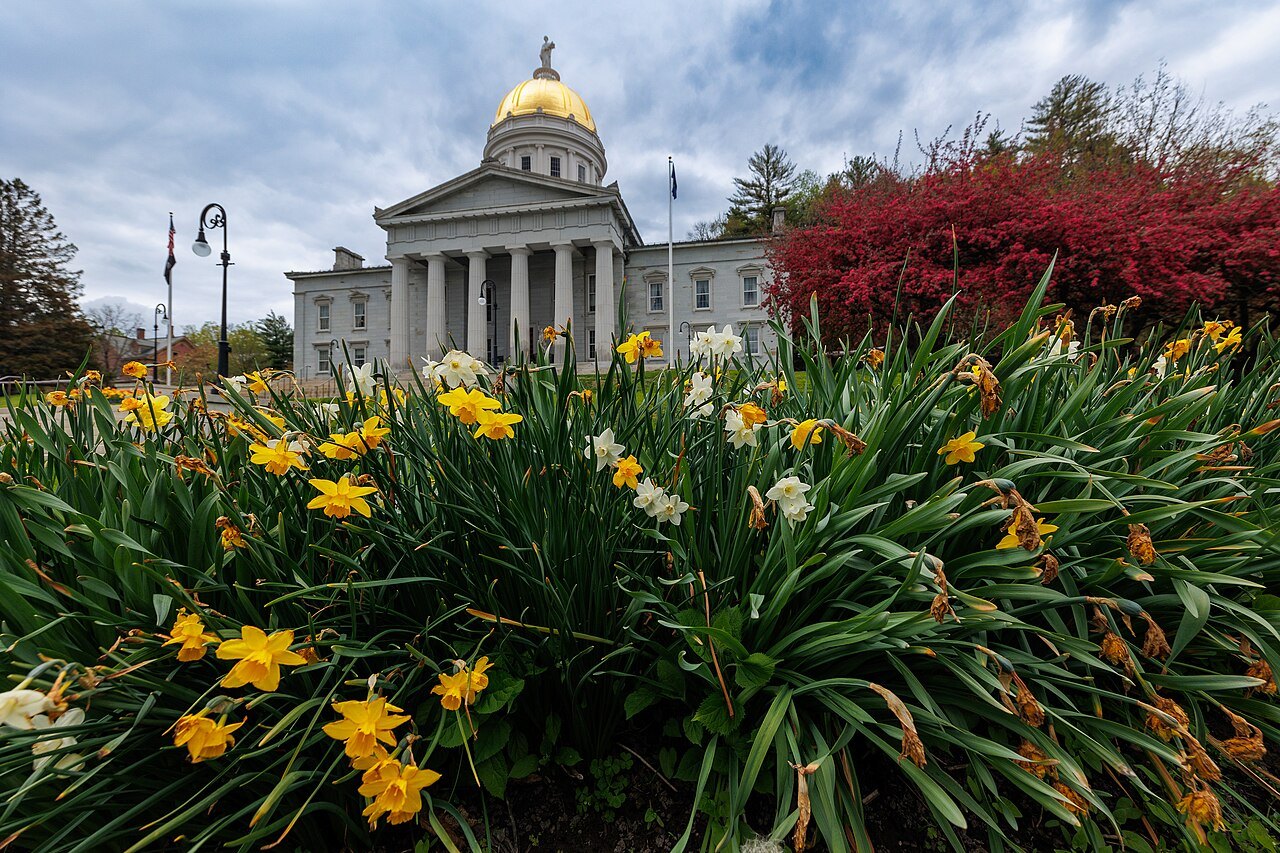
Montpelier, the smallest state capital in the country, beneath the gold dome
Photographs: Ascended Dreamer, Wikimedia Commons, CC BY 4.0 · Farragutful, Wikimedia Commons, CC BY-SA 4.0 · Farragutful, Wikimedia Commons, CC BY-SA 4.0
The cities · The Valleys and Villages
Montpelier is the capital of Vermont and the least populous state capital in the United States, a river town of brick storefronts below the golden dome of the State House.
- The State HouseVermont's capitol stands at the top of State Street, with Hubbard Park rising behind it.
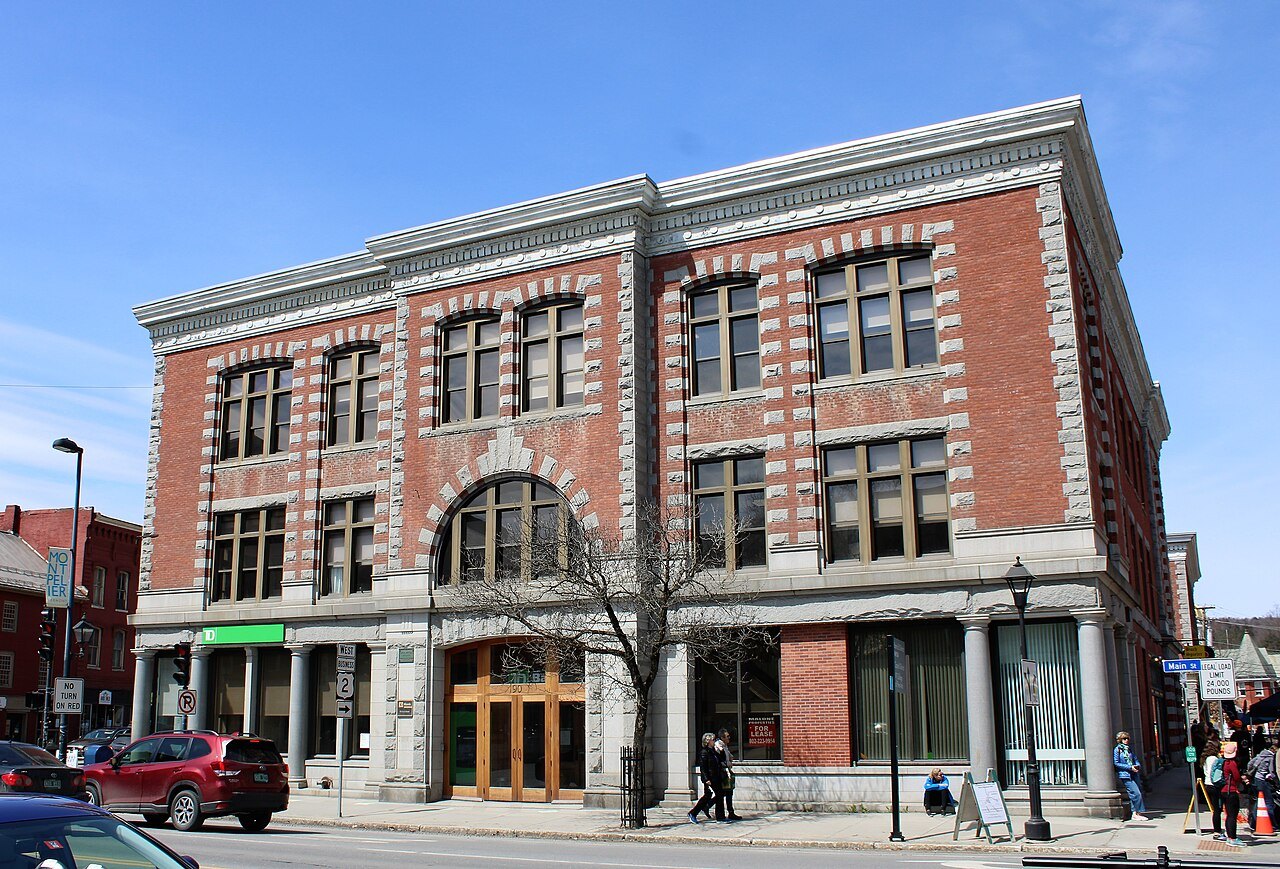
- Downtown shopsMostly locally owned retail: antiques, books, handmade toys, crafts, kitchenware and Vermont gifts.
- The Savoy TheaterAn art house opened in 1905 that specializes in documentaries, independent features and international films.
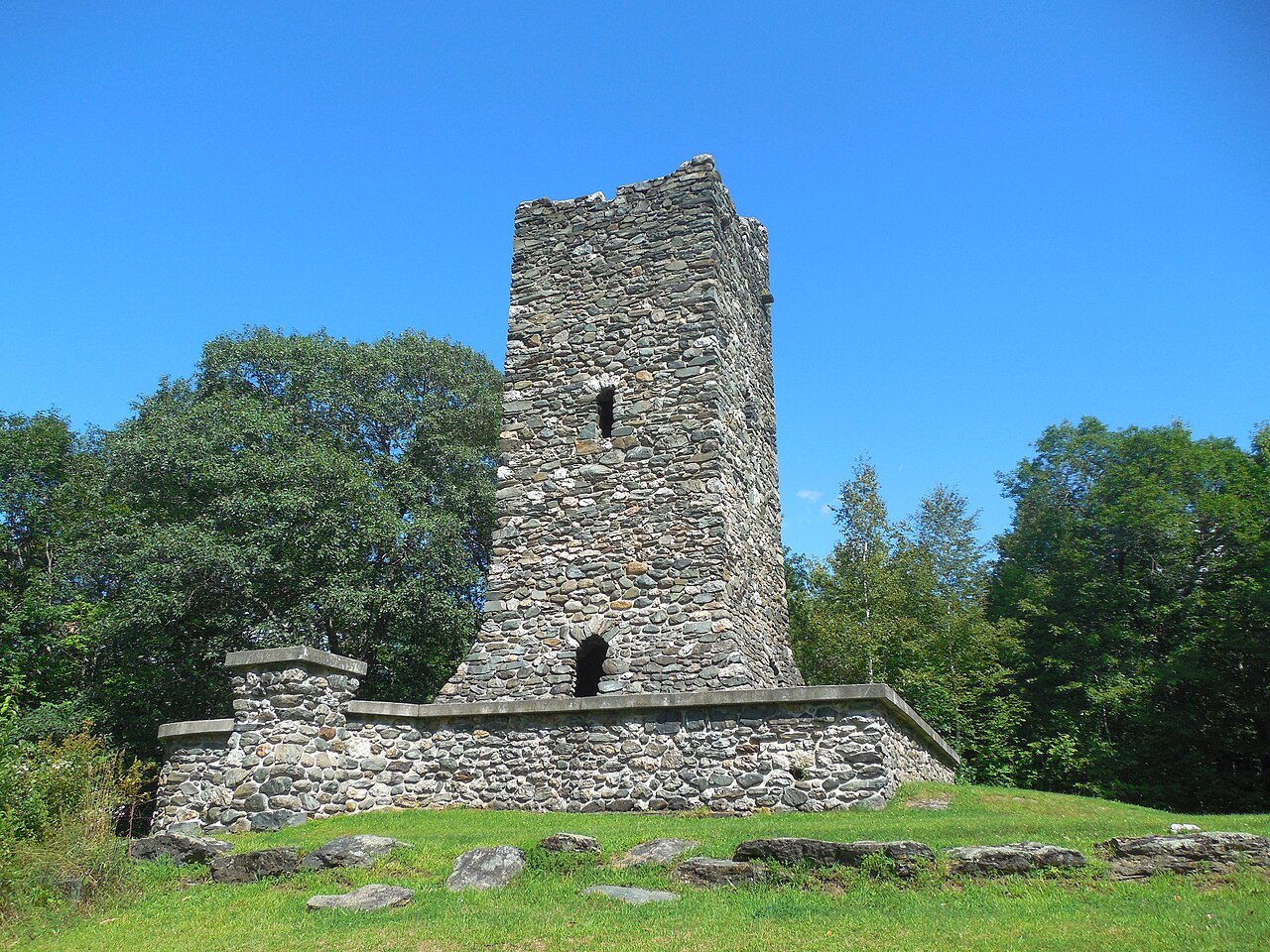
- Hubbard ParkWilderness land bequeathed to the city in 1899, with an observation tower built between 1915 and 1930.
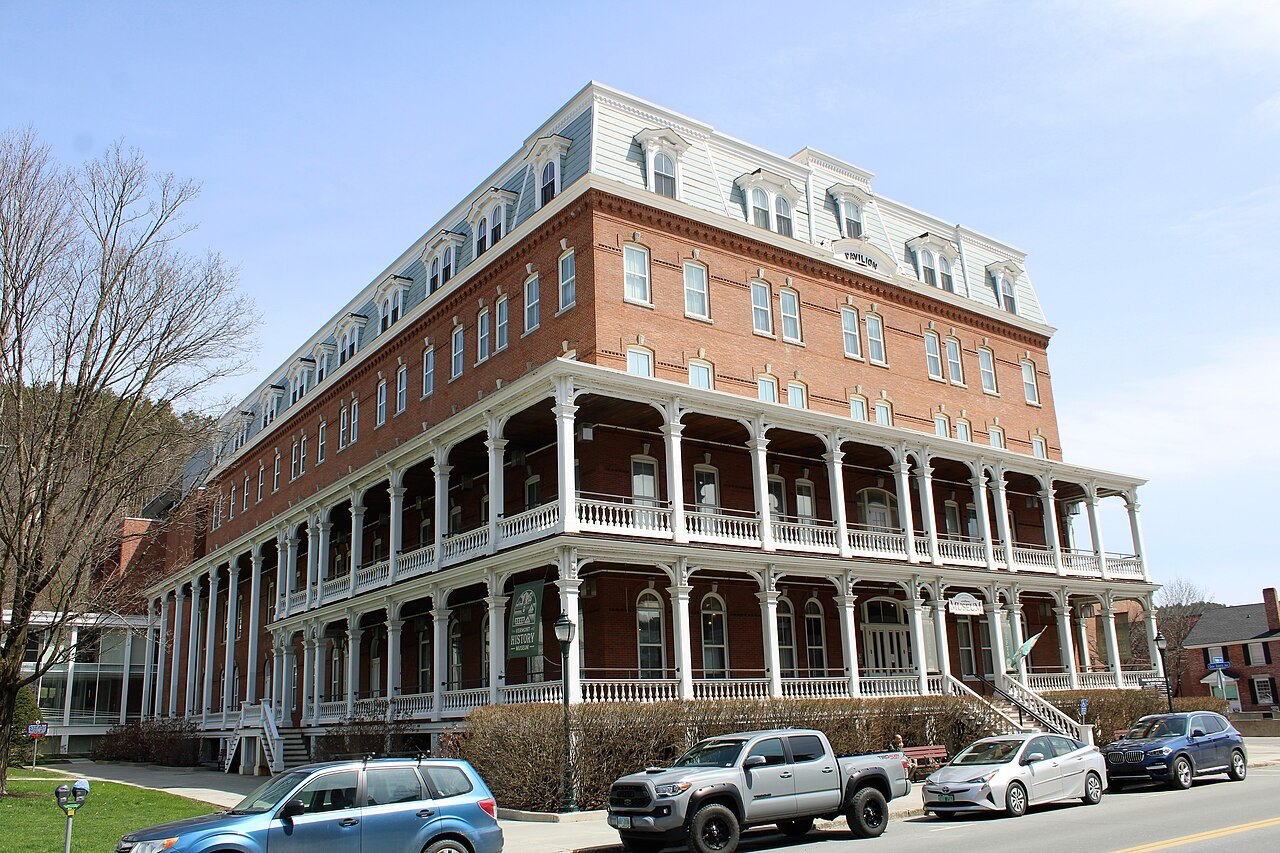
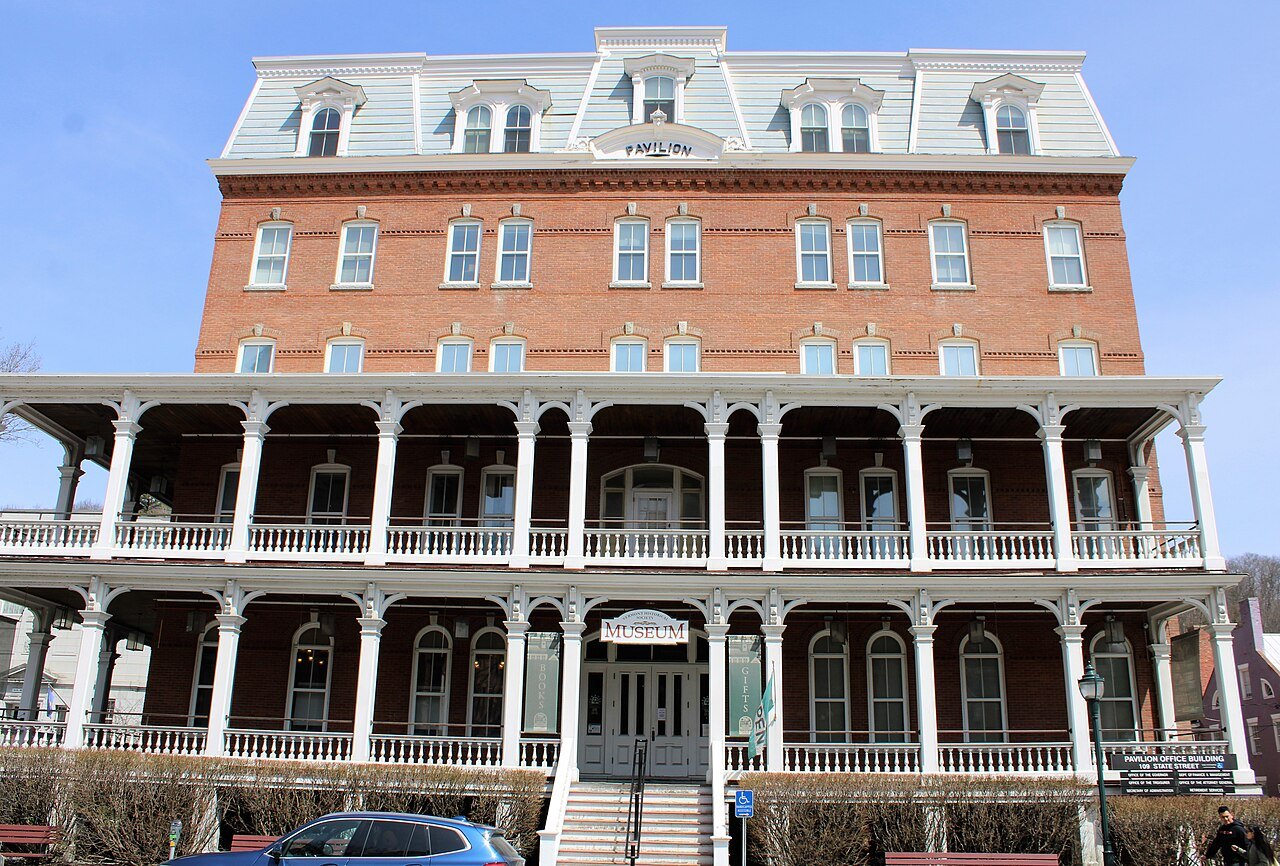
- Vermont History MuseumRun by the Vermont Historical Society in The Pavilion, beside the State House.
- Kellogg-Hubbard LibraryHolds a copy of the Parthenon Frieze among the city's arts and culture sites.
Why it matters
Montpelier had 8,074 residents at the 2020 census, which makes it the least populous state capital in the United States, yet the number of people in town swells to about 21,000 during the working day because of the jobs inside the city limits. It is the county seat of Washington County and the seat of Vermont's state government, and it lies in the north-central part of the state, near its geographic center. The Vermont College of Fine Arts is in the city.
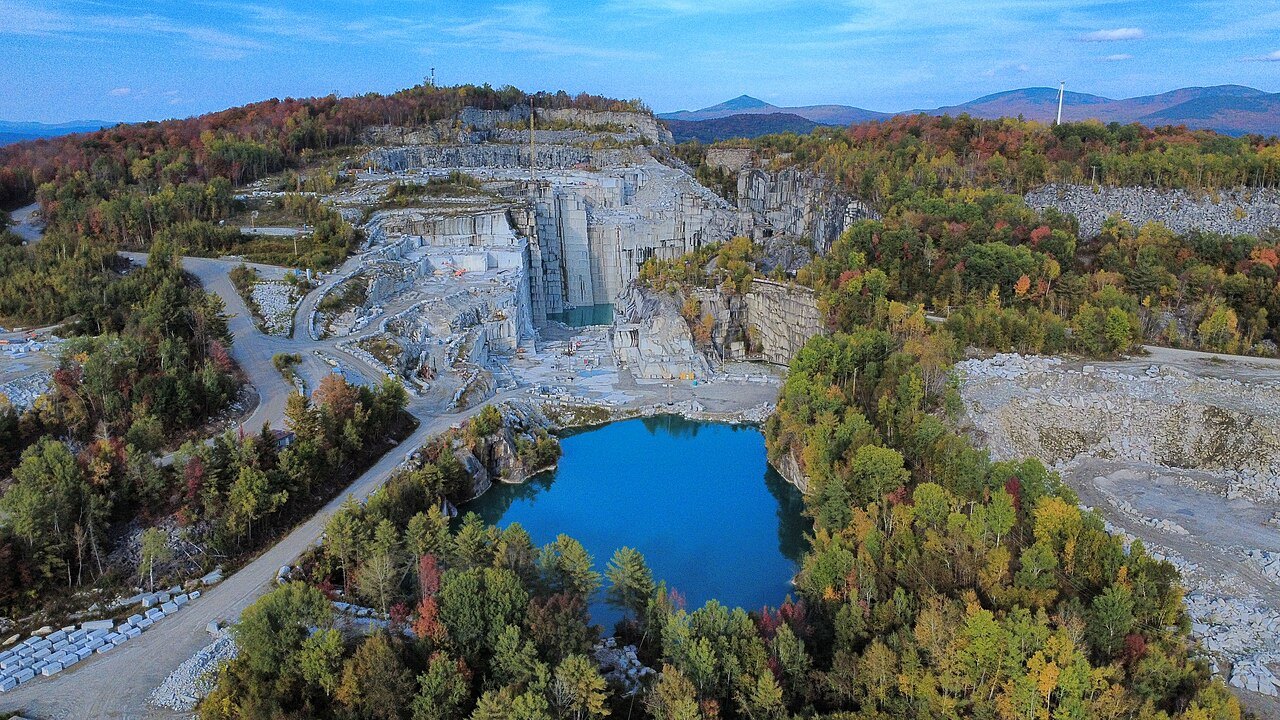
For a visitor the size is the attraction. The downtown is a few streets of brick commercial blocks laid out beside the Winooski River, the capitol is a short walk from the shops, and the hills and granite ledges that surround the flat city center are close enough that a park is never far away. Barre is nearby, and the two are often called together Barre-Montpelier, the twin cities; see the Barre granite page for the other half.
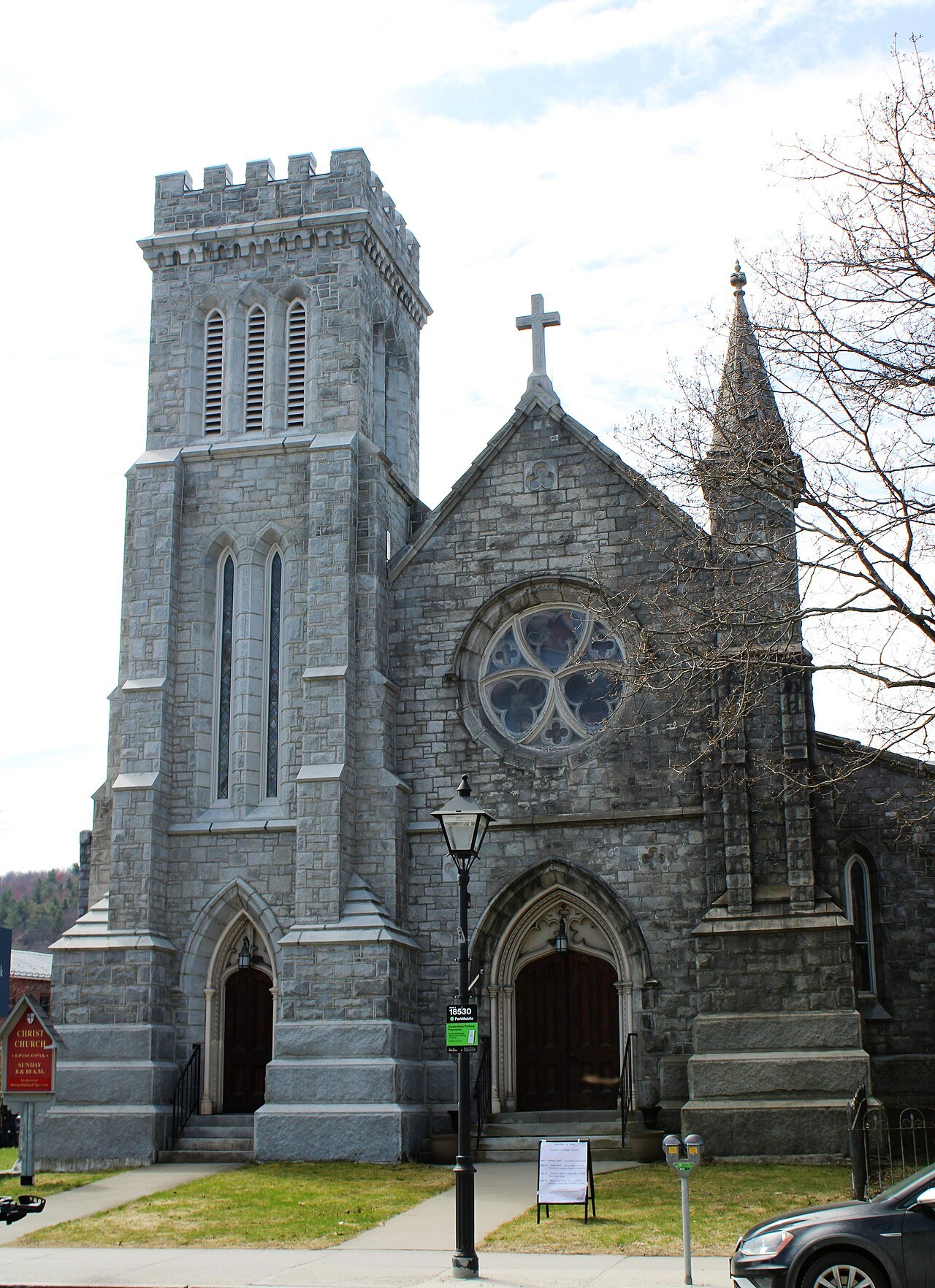
A French name and a capital by consent
The town was chartered on August 14, 1781, by proprietors from Massachusetts and western Vermont, and the first permanent settlement began in May 1787, when Colonel Jacob Davis and General Parley Davis arrived from Charlton, Massachusetts. Colonel Davis chose the name of the French city of Montpellier, in the department of Hérault; the alliance with France during the Revolutionary War had inspired a wave of enthusiasm for things French. By 1791 the population had reached 117, and by 1805 it was 1,200.
In 1805 the legislature went looking for a permanent home. Montpelier was picked because of its central location and accessibility, and because local residents provided land and money. A humble State House was soon built on State Street. In 1825 the Marquis de Lafayette visited on his triumphal tour of the United States, fifty years after the Revolutionary War.
The Central Vermont Railway opened in Montpelier on June 20, 1849, and the town grew into a center for manufacturing. By the middle of the nineteenth century it also housed life and fire insurance companies, among them National Life Group. The layout of the main streets, running parallel to the rivers, was in place by 1858 and has changed little since.
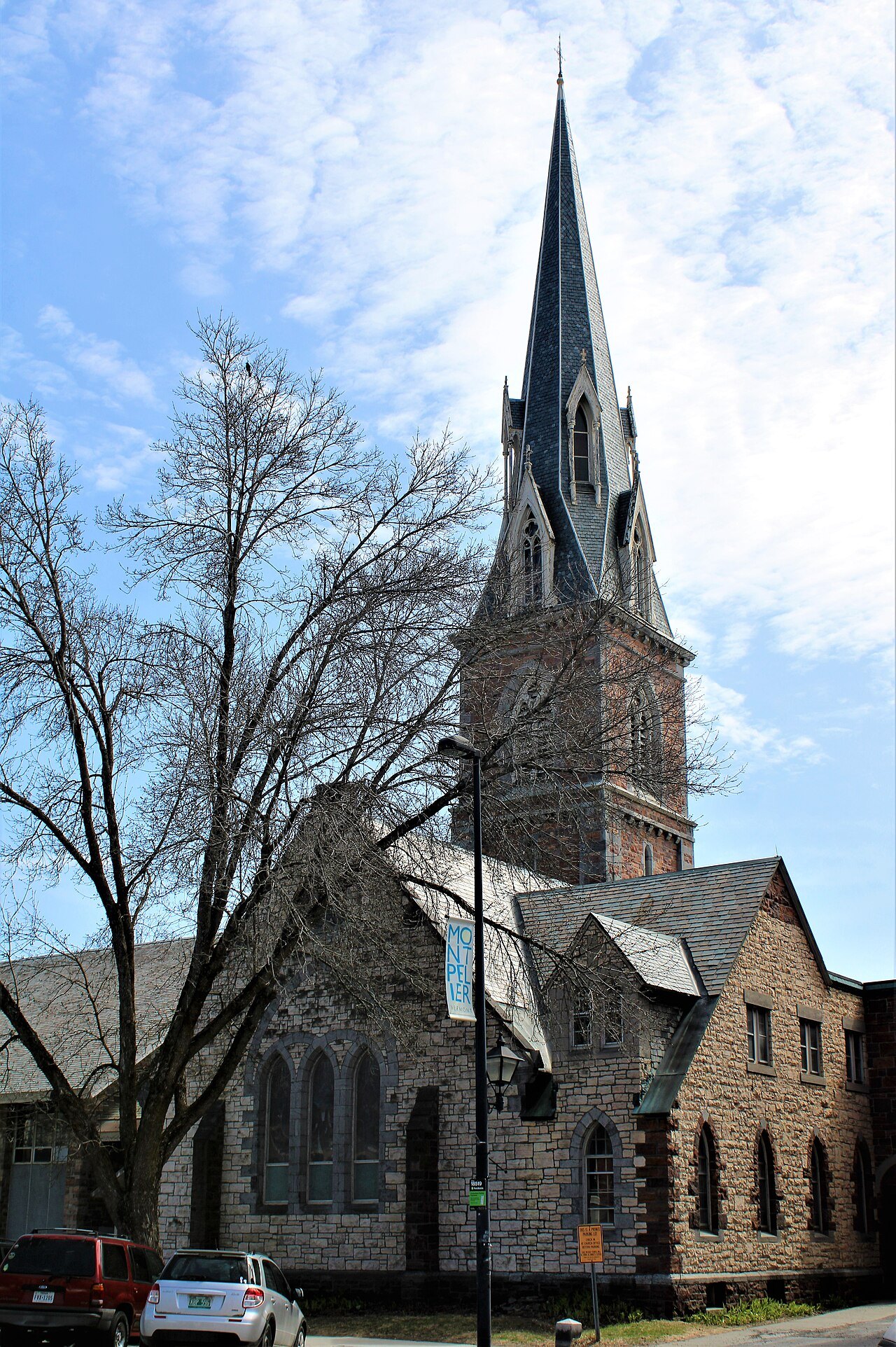
The capitol and its neighbors
The Vermont State House is the reason most visitors come, and its own page covers the building. Around it, the Vermont History Museum, run by the Vermont Historical Society, occupies The Pavilion, and the T. W. Wood Gallery and Arts Center and the Kellogg-Hubbard Library, with its copy of the Parthenon Frieze, round out the cultural list. Each fall, the Grand Depart of the Vermont Super 8 bikepacking route is held on the steps of the capitol.
Downtown, the majority of businesses, mostly retail, are locally owned. The shops sell antiques, books, handmade toys, crafts, kitchenware, jewelry and Vermont-themed gifts. The Savoy Theater opened in 1905 as an eclectic art house with a main theater that holds 120 people and a smaller room that holds 35; it hosts the annual Green Mountain Film Festival.
Parks and the river
Hubbard Park rises behind the State House and runs north along the ridge. It began in 1899 with a bequest of land, known as Hubbard Hill, from John Erastus Hubbard, who wanted to preserve wilderness for future generations; more land was donated in 1911, and an observation tower was built between 1915 and 1930. The city has three nature centers: Hubbard Park, the North Branch River Park, which is the second largest, and Mill Pond Park, with boat access to the North Branch. The North Branch Nature Center, at the northern end of town, protects 17 acres.
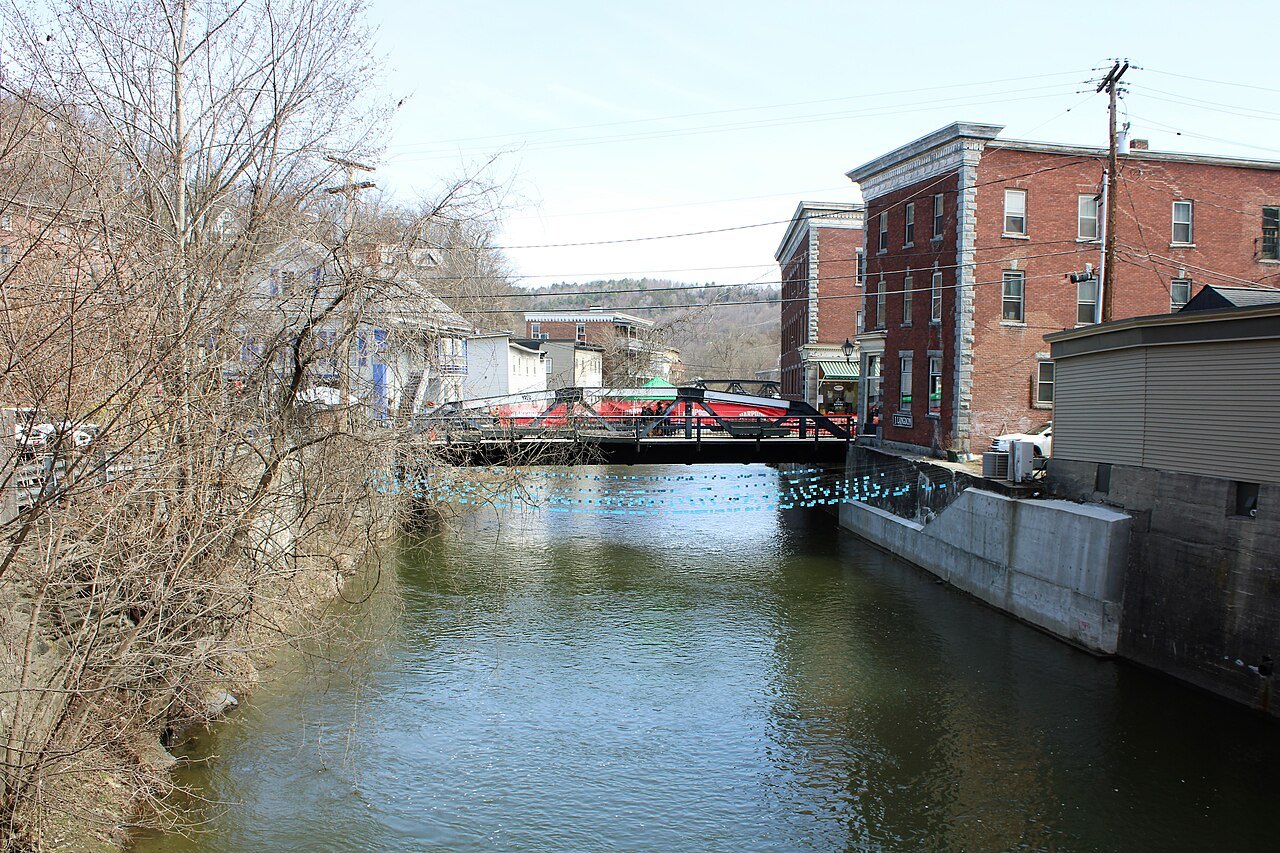
Three rivers shaped the town: the Winooski flows west along the south edge of downtown, fed by the North Branch and the Dog River. Their confluence gave the early village a central point for people and commerce, and the meadows and flats of the Winooski were well known among Native people for corn. A bridge across the river to Berlin was built as early as 1799.
Fire and flood
The same rivers have turned on the town. In 1875 a large fire destroyed 38 buildings downtown, and the commercial area was rebuilt in brick to avoid a repeat. In November 1927 more than seven inches of rain fell in six hours on land already saturated, rivers rose 13 feet or more above normal, and the flood swept away homes and barns; only two stores in town carried flood insurance. President Calvin Coolidge, himself a Vermonter, praised the 'indomitable spirit' of the state's recovery.
The Civilian Conservation Corps built the Wrightsville Dam from 1933 to 1935 in response, and the village of Wrightsville, with at least 30 structures, was flooded to form the reservoir. An ice jam in March 1992 flooded downtown in less than an hour, shutting 120 businesses, and heavy rain on July 10 and 11, 2023, brought catastrophic flooding again, severely affecting downtown businesses as well as the fire department, police department and City Hall. The when to come page covers the weather that causes such floods.
Getting there
The Amtrak Montpelier station, 2 miles west of downtown, has service on the Vermonter. Private planes can use the nearby Edward F. Knapp State Airport in Berlin, but the closest commercial air service is Patrick Leahy Burlington International Airport, 35 miles to the northwest, so most visitors arrive by road or rail. The getting here page covers the choices.