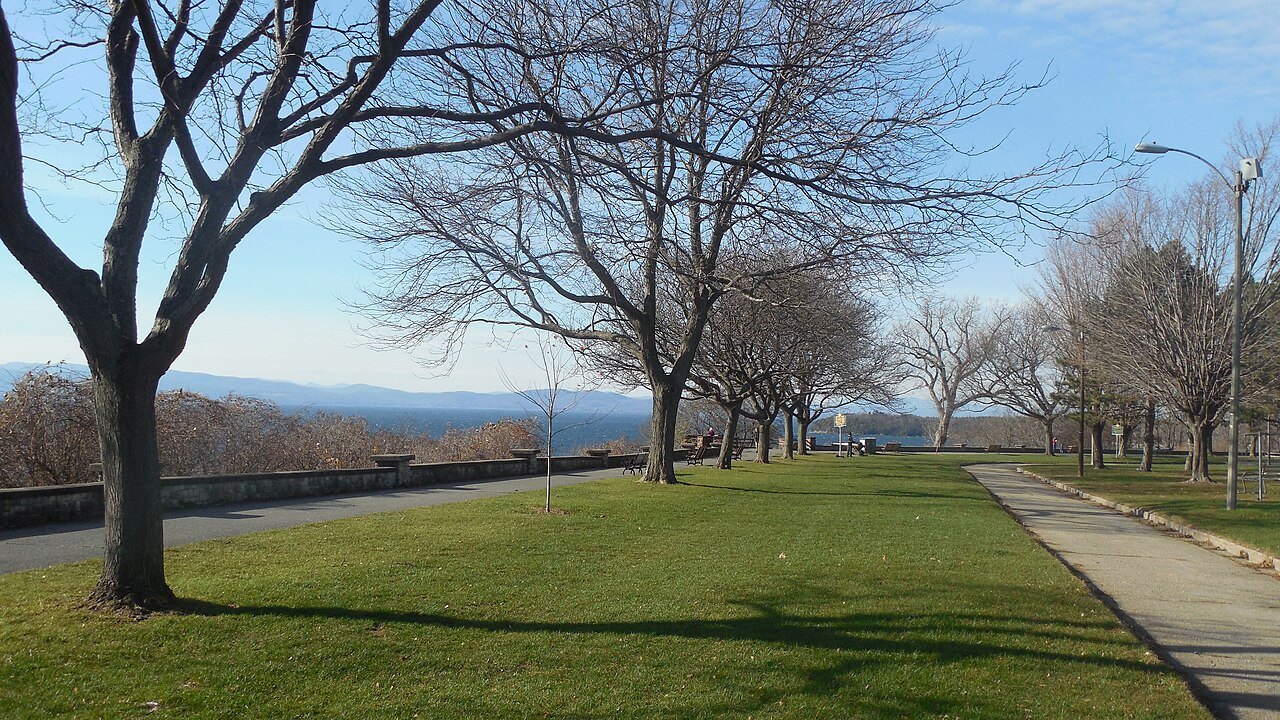
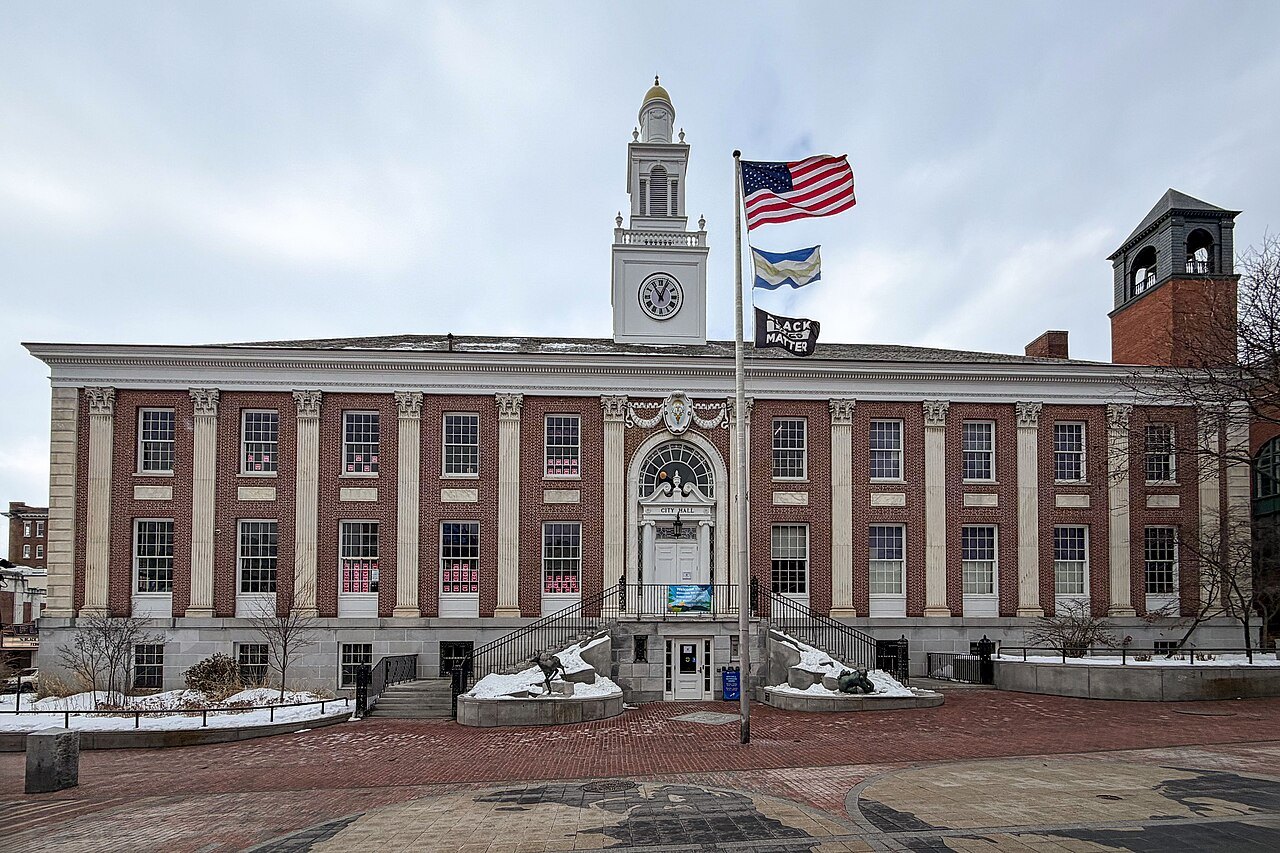
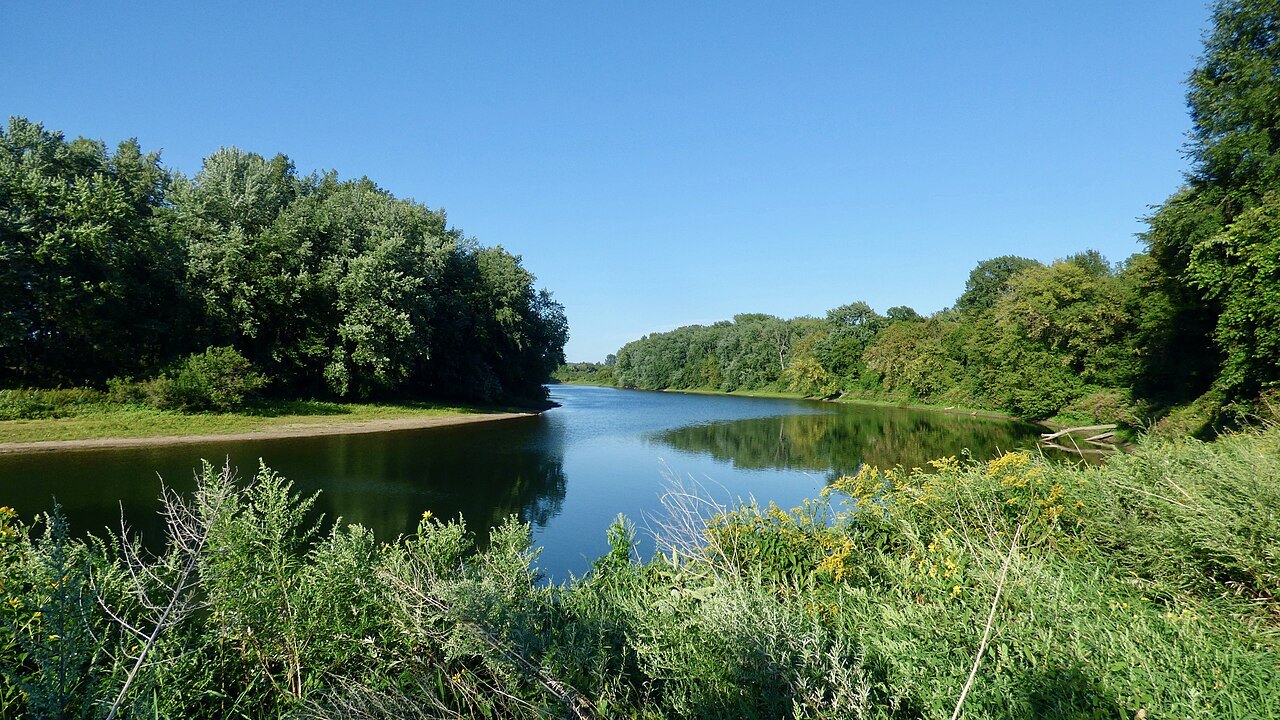
Burlington, Vermont's lakefront city, from Church Street to the Breakwater
Photographs: Niranjan Arminius, Wikimedia Commons, CC BY-SA 4.0 · Quintin Soloviev, Wikimedia Commons, CC BY 4.0 · Niranjan Arminius, Wikimedia Commons, CC BY-SA 4.0
The cities · The Champlain Valley
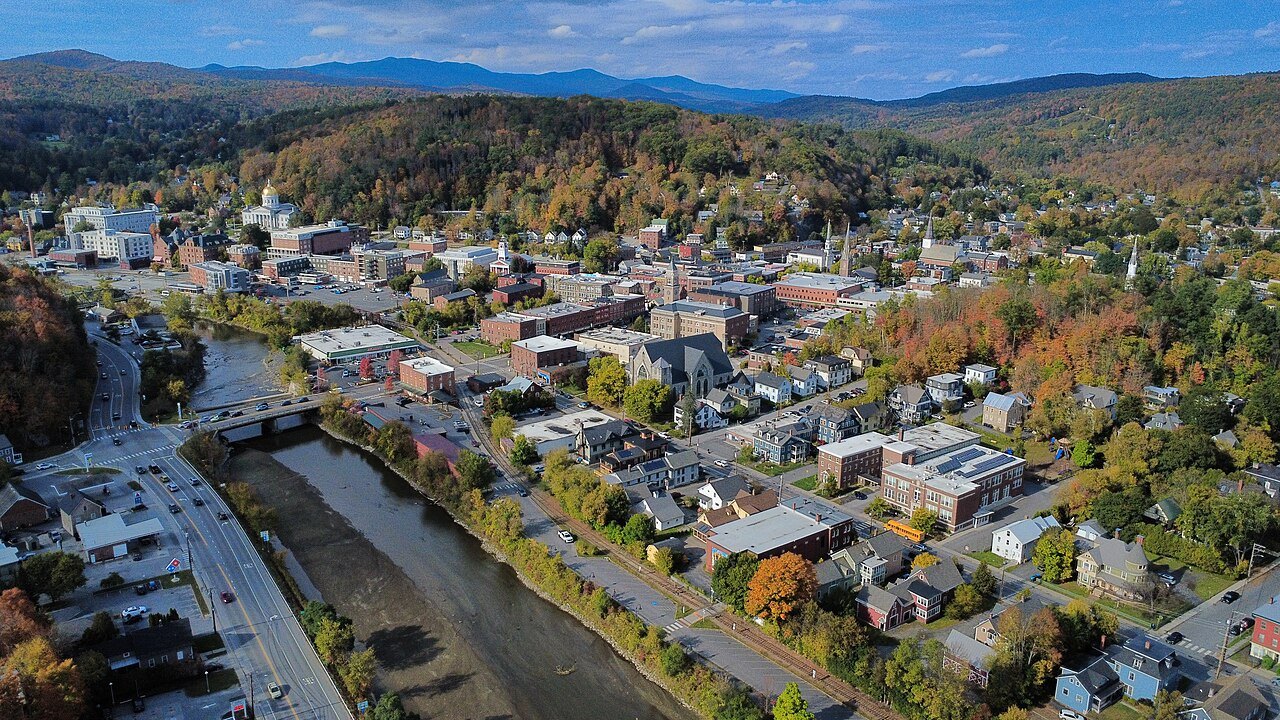
Burlington is the largest city in Vermont, a college town on the eastern shore of Lake Champlain with a pedestrian marketplace, a waterfront and a nineteenth-century breakwater; the town pages begin here.
- Church Street MarketplaceFour pedestrian blocks of shops, restaurants and cafés between Main and Pearl Streets, built in 1980 and 1981.
- The waterfrontWaterfront Park on the lake, with the ferry company's headquarters and the 1916 Union Station close by.
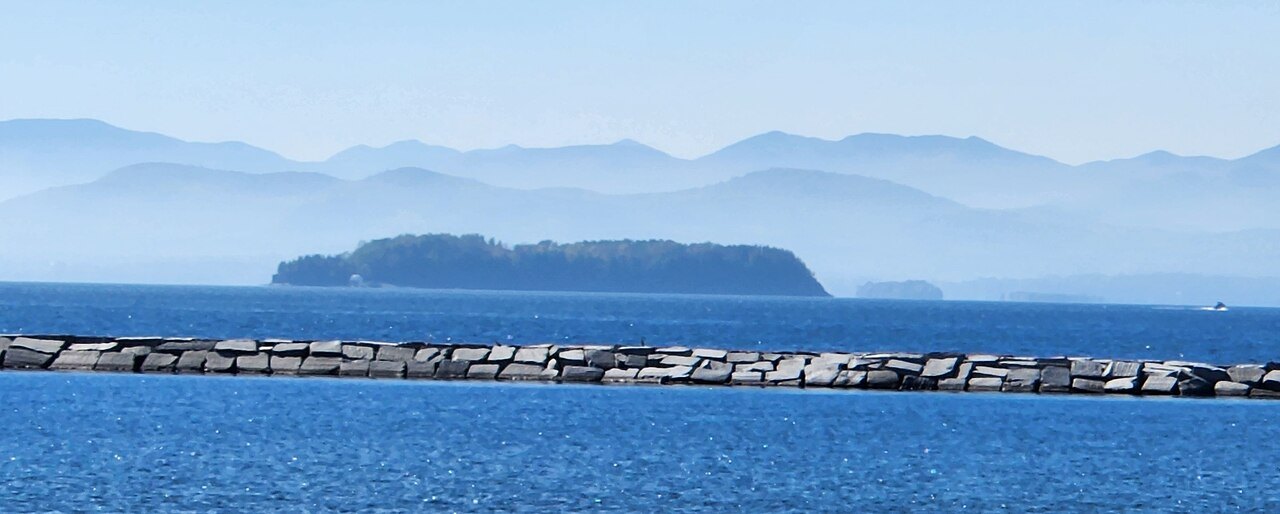
- Burlington BreakwaterA timber-cribbed stone breakwater built between 1836 and 1890, listed on the National Register of Historic Places in 2003.
- University of VermontFounded in 1791, the oldest university in Vermont; Old Mill and Ira Allen Chapel stand on University Row.
- Fletcher Free LibraryThe first of Vermont's four Carnegie libraries, a Beaux-Arts building finished in 1904.
- The South EndA former industrial district that fills with artists' studios and galleries for the South End Art Hop.
Why it matters
Burlington is the most populous municipality in Vermont, with 44,743 people at the 2020 census, and it is the county seat of Chittenden County. It lies 45 miles south of the Canadian border and 95 miles south of Montréal, on the lake that gives the western edge of the state its shape. It is also the least populous American city to be the biggest in its state, and that scale explains a good deal of its character: a place the size of a large town that carries the museums, hospital, university and airport of a small capital.
The city is a regional college town. It is home to the University of Vermont and Champlain College, and the state's largest hospital sits within the city limits. In 2015 Burlington became the first city in the United States to run entirely on renewable energy. For a visitor the practical result is a compact, walkable center with a lake at the bottom of the hill, a base from which the lake, the islands and the valley are all within easy reach.
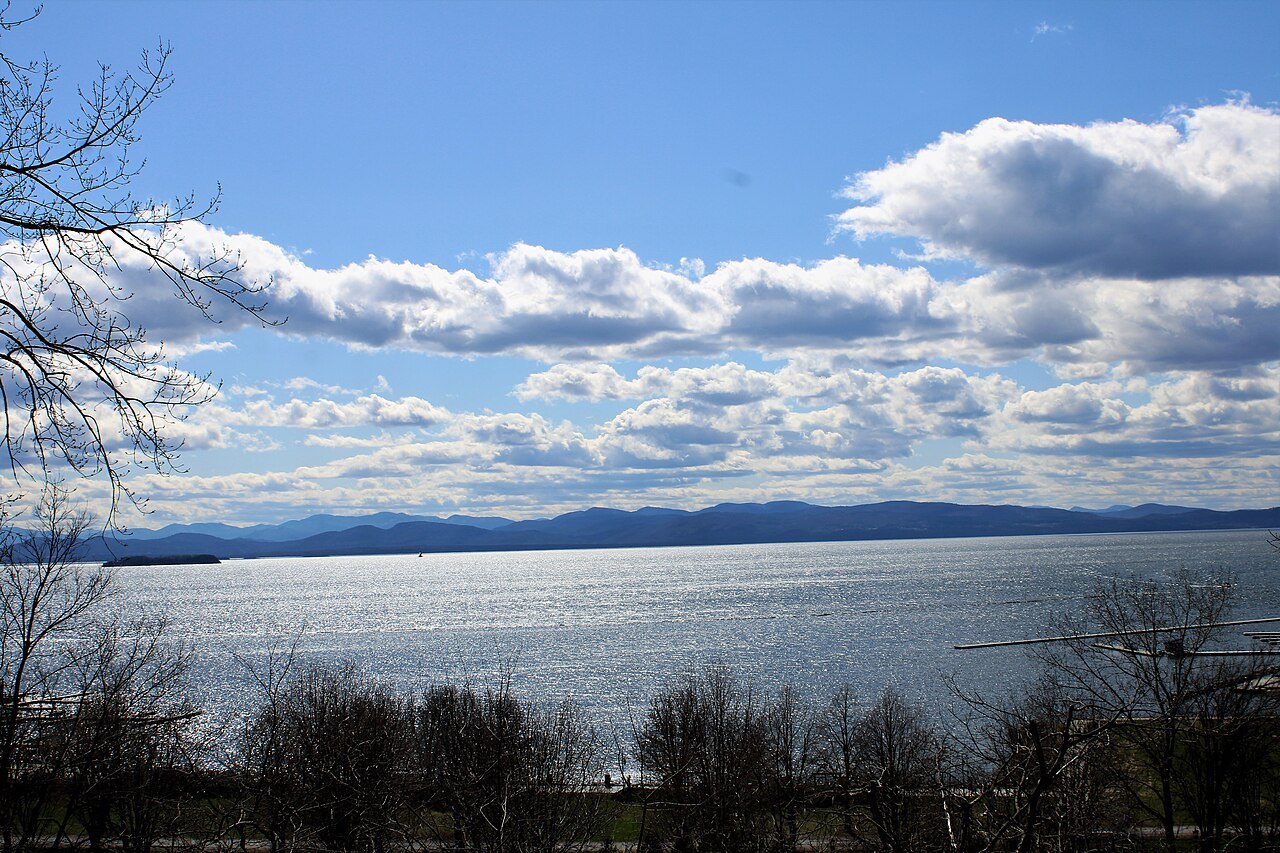
How the city grew
The grant for Burlington was awarded on June 7, 1763, to Samuel Willis and 63 others, though the outbreak of the American Revolutionary War delayed permanent settlement until after its end. The origin of the name is disputed; the two candidates are Edward Burling, a wealthy New Yorker who held land grants nearby, and Richard Boyle, the third Earl of Burlington.
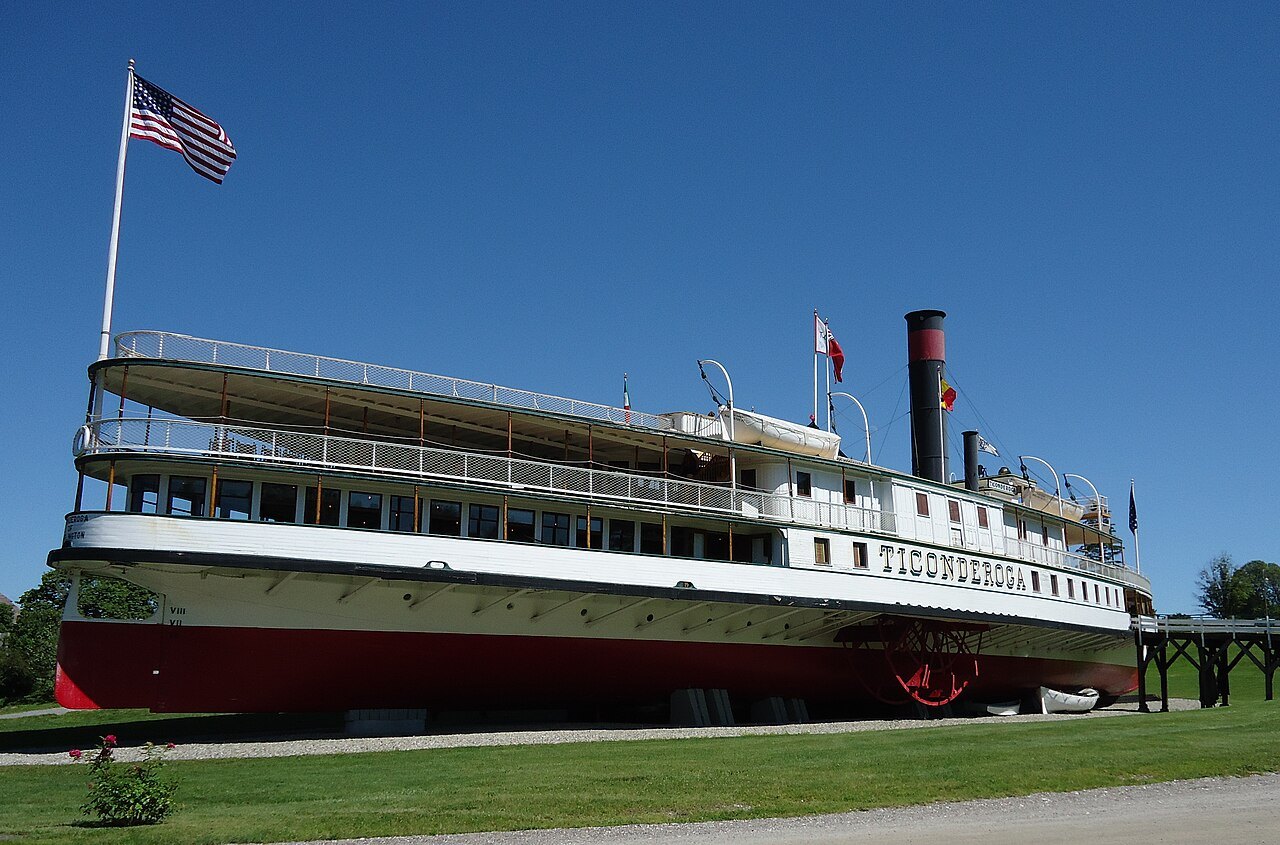
The lake made the town. In 1808 the world's first lake-going steamboat was built here, and after the Champlain Canal opened in 1823 and the Erie Canal in 1825, Burlington became a port of entry and a center for trade, with wharves that connected steamboats to the railroads. It was for a time the third largest lumber market in the world, and it was incorporated as a city in 1865. The Victorian-era prosperity left fine architecture, including buildings by Ammi B. Young, H. H. Richardson and McKim, Mead and White.
A smaller episode belongs to the War of 1812. On August 2, 1813, British forces from Canada shelled the town in a cannonade that lasted about 10 minutes and caused no casualties; the American troops involved were commanded by Lieutenant Thomas Macdonough, later the hero of the Battle of Lake Champlain.
Church Street Marketplace
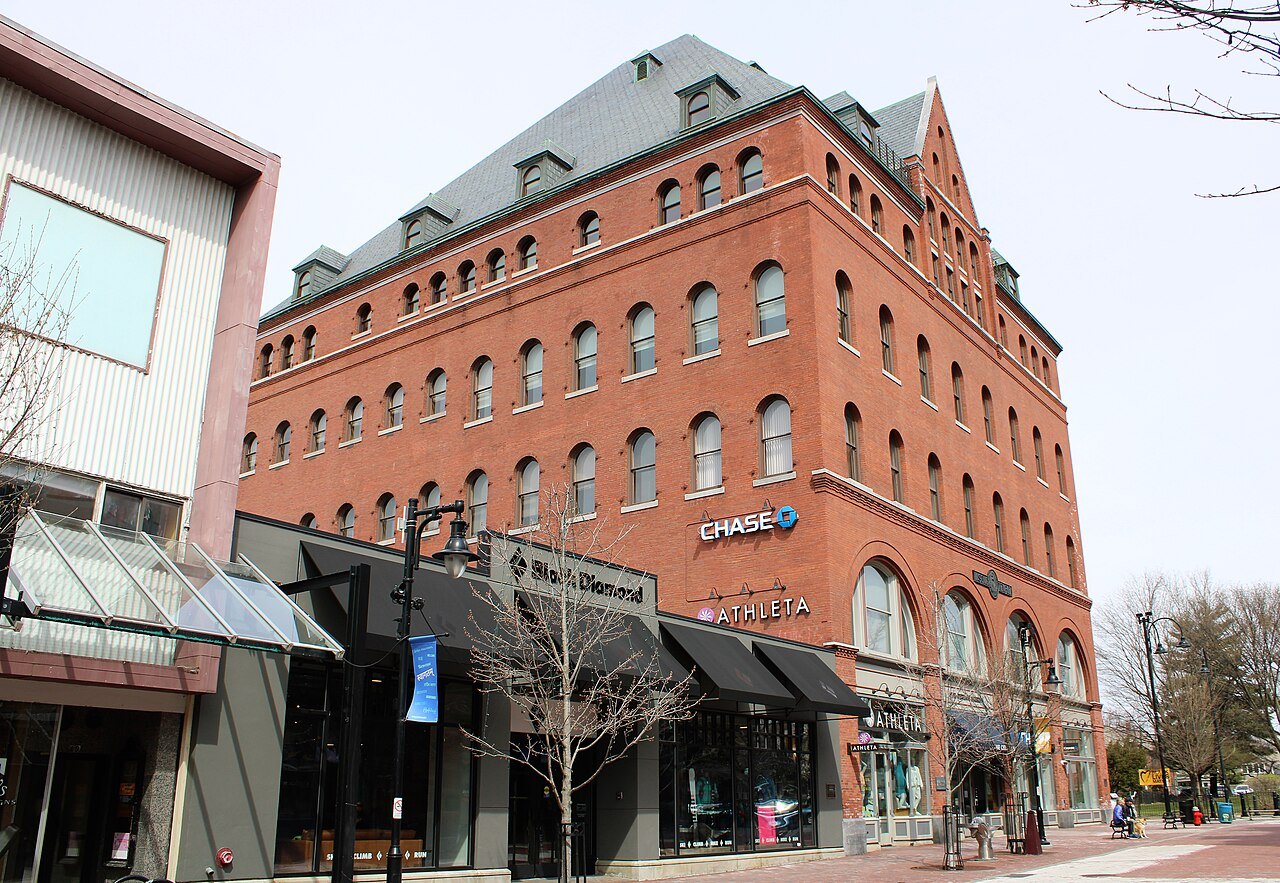
The Church Street Marketplace is an uncovered outdoor pedestrian mall of four blocks of Church Street between Main and Pearl Streets. The idea dates from 1958, a one-day street fair in the summer of 1971 drew about 15,000 people, and the mall was built in 1980 and 1981. It holds about 86 storefronts, among them local clothing, home-wares and book shops alongside a handful of national chains, plus dozens of restaurants, bars and coffee shops. The American Planning Association named it one of America's Great Public Spaces for 2008.
It is the site of festivals throughout the year, among them the Festival of Fools, the Vermont Brewers Festival and the Giant Pumpkin Regatta and Festival. One of the largest year-round farmers' markets in the state is also in the city.
The lake and the Breakwater
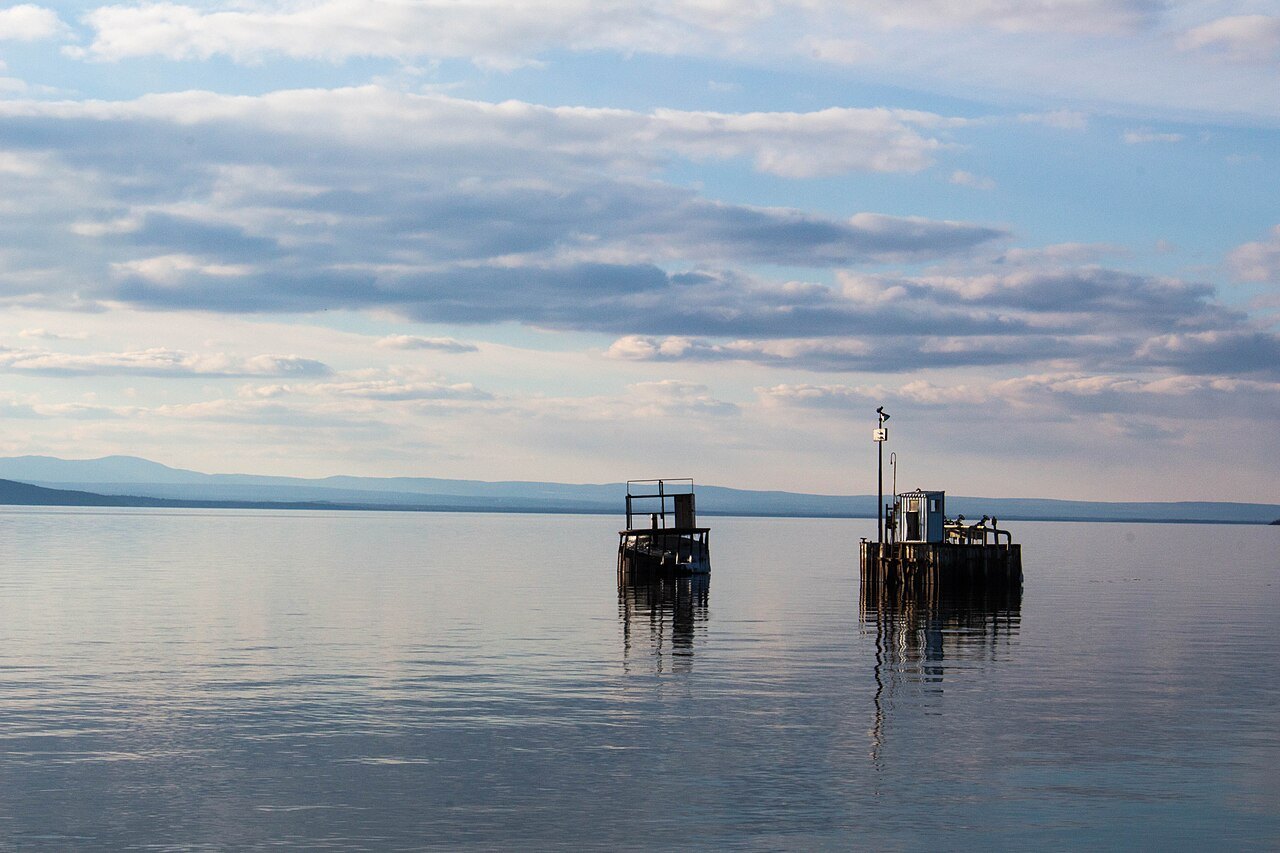
Burlington Waterfront Park is the city's front door to the lake. Just offshore, the Burlington Breakwater shelters the harbor on the lake's open western side. It was built in several stages between 1836 and 1890, its main section is 3,793 feet long, and it is a rare example of a nineteenth-century timber-cribbed stone breakwater. Near its southern end lies the General Butler, a ship that struck the breakwater in a storm in 1876 and sank, its passengers and crew reaching safety on the stonework; it is now a popular dive site.
The Lake Champlain Transportation Company is headquartered in Burlington and runs the car ferries that cross the lake, one line from Charlotte, one from Grand Isle and one from Burlington itself, as the Lake Champlain page explains. Dragon boat races to benefit charity have been held on the lake every August since 2006.
Campus, art and music
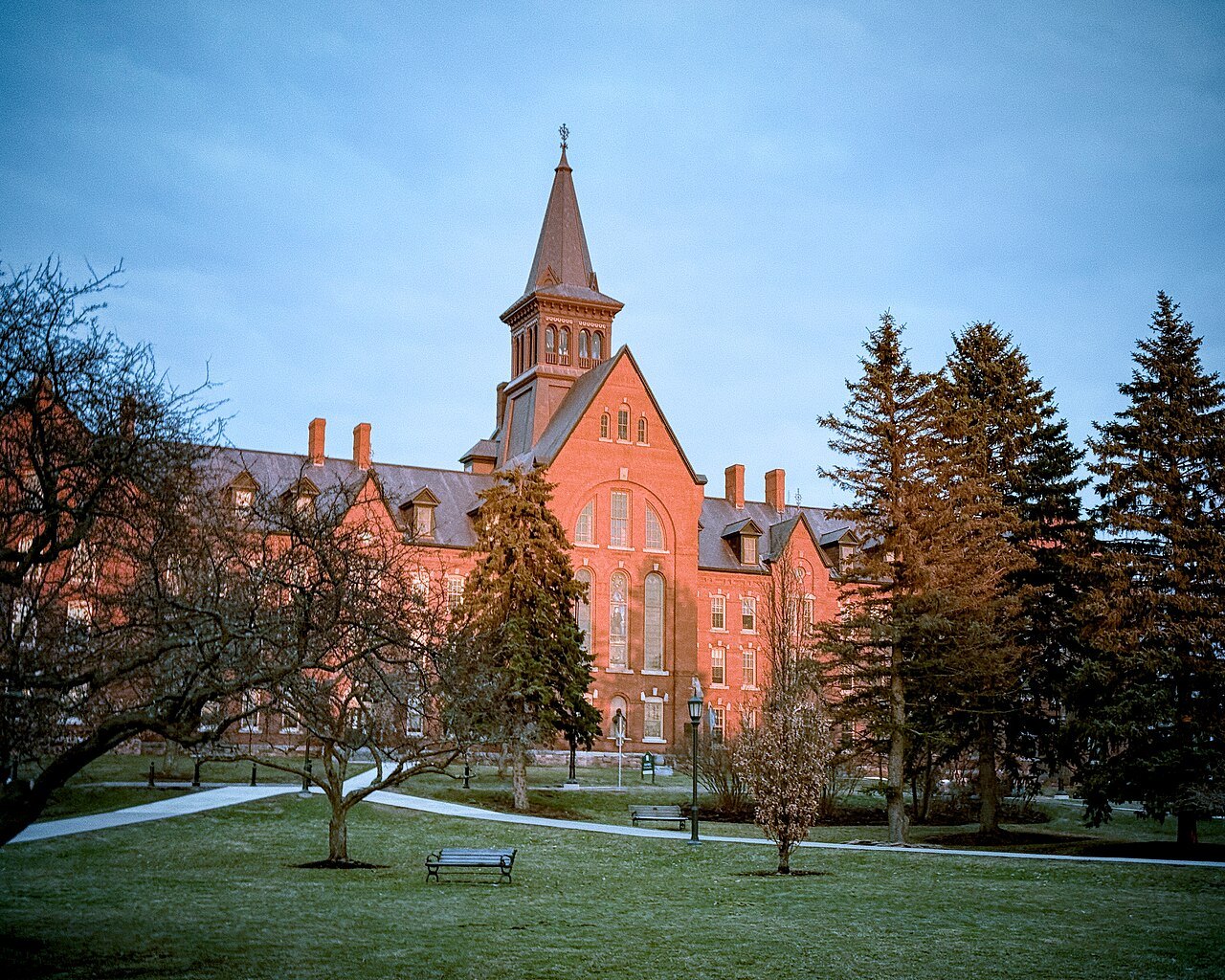
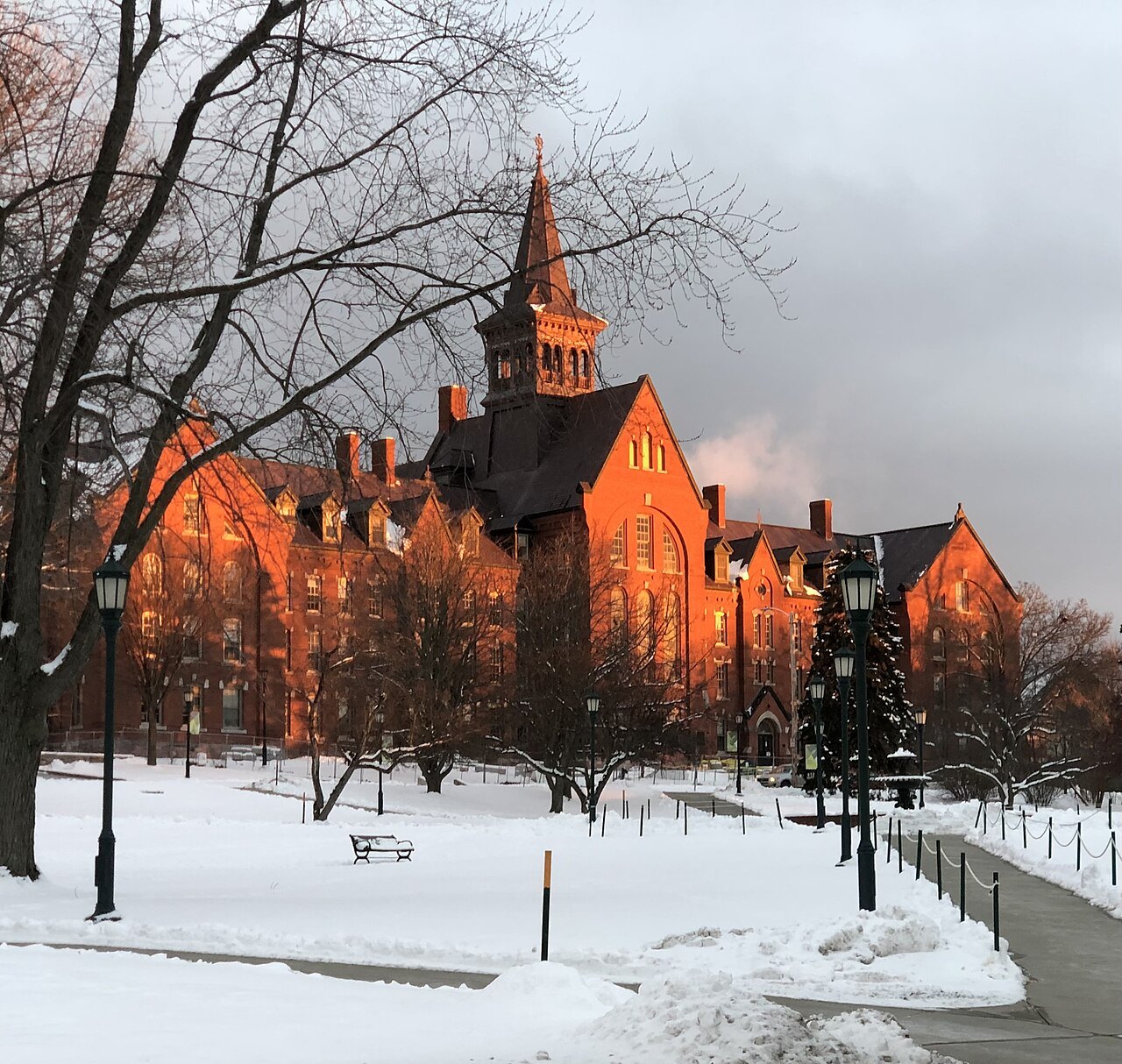
The University of Vermont was founded in 1791, the year Vermont became the fourteenth state, and enrolled its first students ten years later. Its first building, paid for in part by the citizens of Burlington, burned in 1824 and was replaced by the structure known as Old Mill, whose cornerstone the Marquis de Lafayette laid. Old Mill stands on University Row with the Ira Allen Chapel, a Georgian Revival building of 1926 by McKim, Mead and White whose beacon is a nighttime landmark for anyone approaching from the water. The Robert Hull Fleming Museum is also on the campus.
The South End, a post-industrial district, hosts the South End Art Hop on the Friday and Saturday after Labor Day. The first, in 1993, had a little over thirty artists; by 2008 more than 600 showed work in over 100 sites. Burlington City Arts runs the BCA Center. The band Phish originated at the university in 1983, and the Flynn Center for the Performing Arts, ECHO, Leahy Center for Lake Champlain, and the Ethan Allen Homestead Museum are among the other places the city lists as sites of interest.
Buildings worth a look
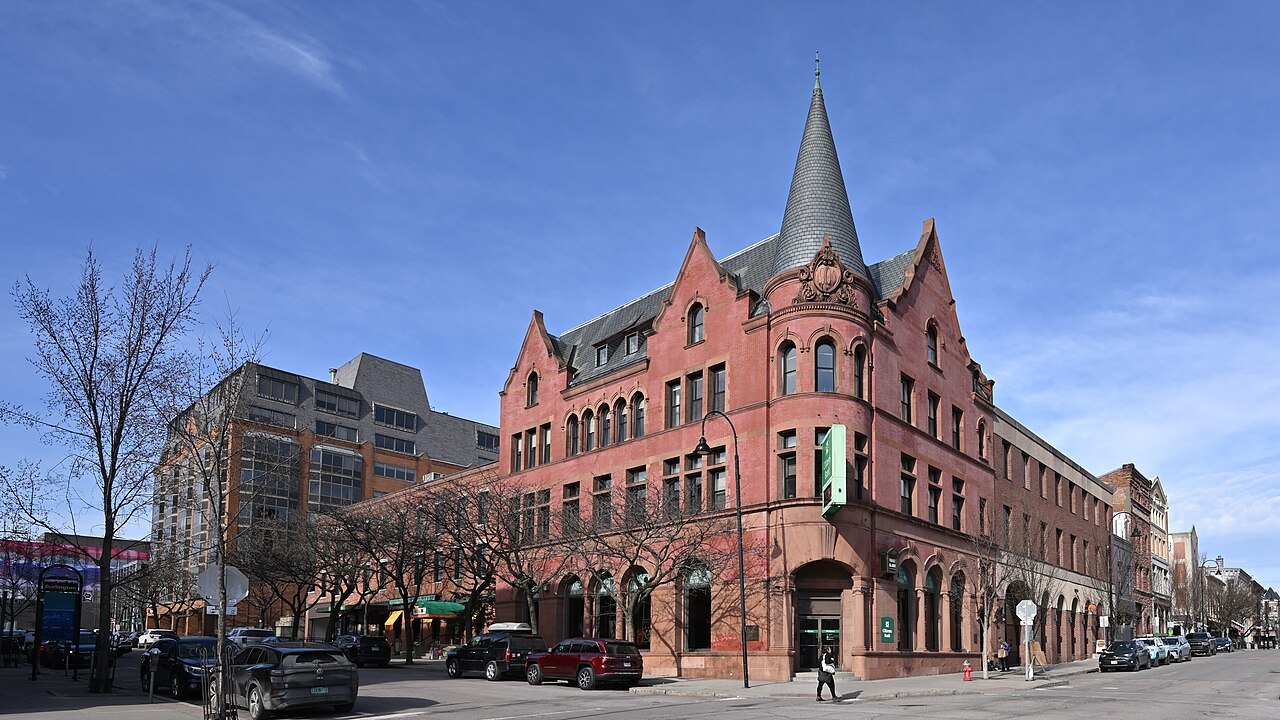
The city's Register of Historic Places listings include 28 buildings, three shipwrecks, the Breakwater and 17 historic districts. The Fletcher Free Library was designed by Walter R. B. Willcox and built between 1901 and 1904 with funds from Andrew Carnegie, the first of the four Carnegie libraries in Vermont; settling trouble in 1973 nearly led to its demolition, and a citizens' committee saved it. The 1885 building of Ohavi Zedek is one of the oldest synagogue buildings still standing in the United States.
Two of the city's cathedrals, the Episcopal Cathedral Church of St. Paul and the former Roman Catholic Cathedral of the Immaculate Conception, are modern buildings, put up after their predecessors were destroyed by arson fires in 1971 and 1972. St. Paul's, finished in 1973, is Brutalist; the Roman Catholic cathedral, built from 1974 to 1977, has park-like grounds by the landscape architect Dan Kiley.
Getting here and around
By road, Interstate 89 does not enter the city limits but has interchanges in South Burlington, Winooski and Colchester that lead downtown; U.S. Route 7 is the main north–south road and U.S. Route 2 the main east–west road. Green Mountain Transit runs the buses, and Vermont Translines connects the city with Albany along the U.S. Route 7 corridor.
Amtrak's Ethan Allen Express has served the city since July 2022, arriving at Union Station on the waterfront, built in 1916; before that the nearest station was at Essex Junction, 6 to 7 miles to the east. Patrick Leahy Burlington International Airport, owned by the city, is in neighboring South Burlington. The getting here page sets the options side by side.