Middlebury, the Addison County town of the falls, the college and the green
Photographs: Chumash11, Wikimedia Commons, CC BY 4.0 · Rania al-Bahara, Wikimedia Commons, CC BY-SA 4.0 · Rania al-Bahara, Wikimedia Commons, CC BY-SA 4.0
The cities · The Champlain Valley
Middlebury is the county seat of Addison County, a town of 9,152 people built around the falls of Otter Creek and the stone buildings of the college that was founded in 1800.
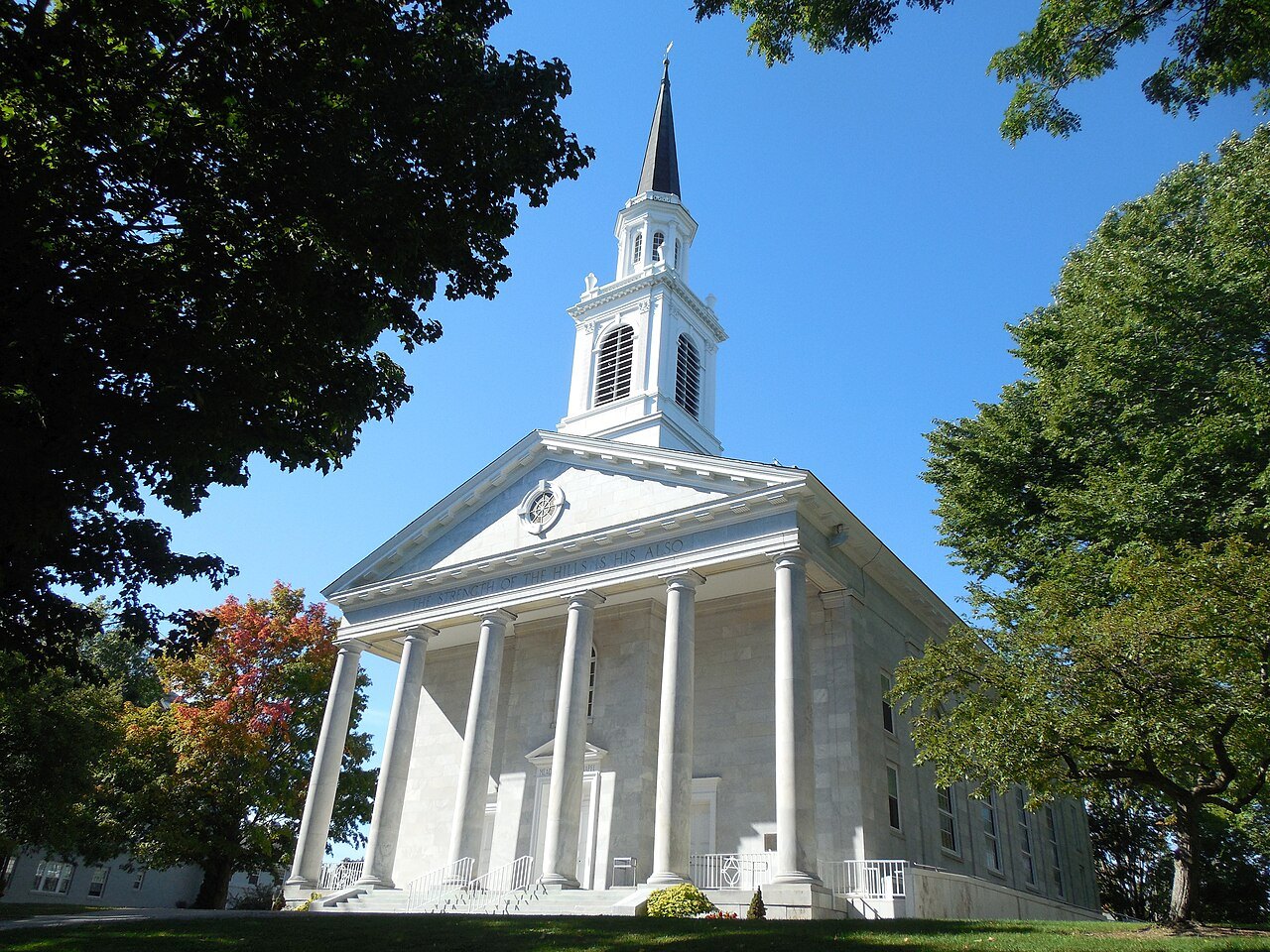
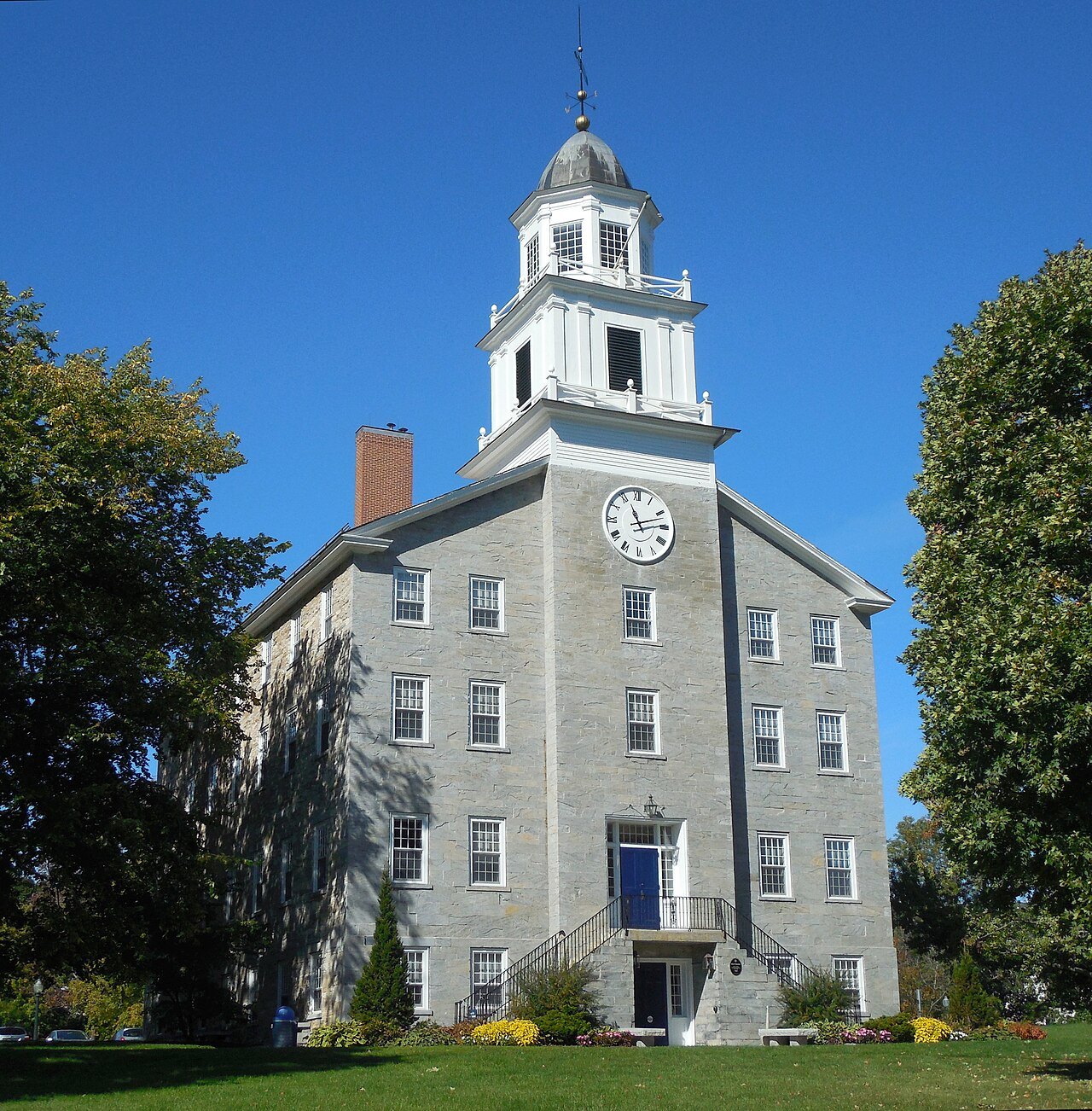
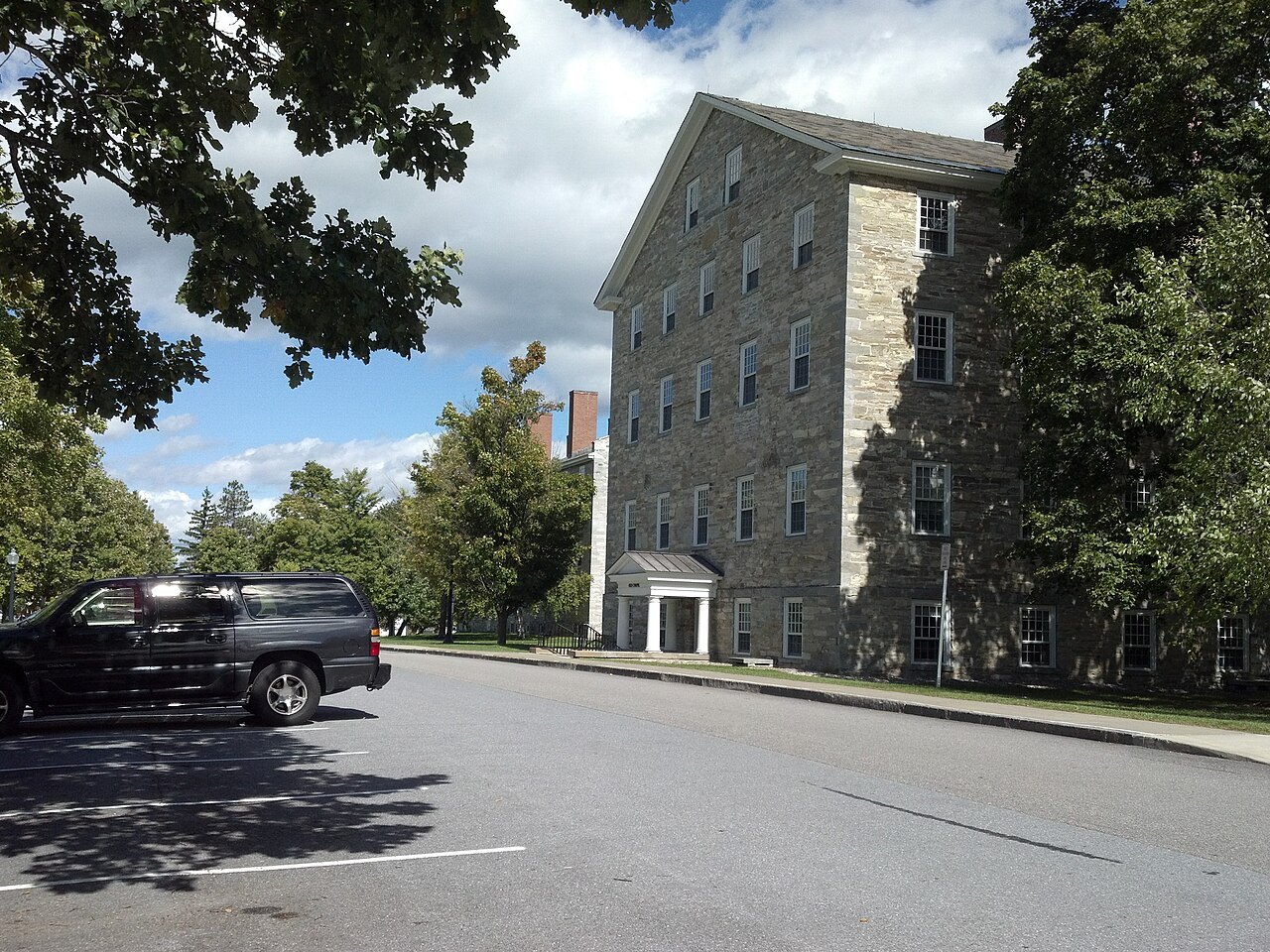
- Middlebury CollegeThe first operating college in Vermont, chartered on November 1, 1800, with its three-building Old Stone Row.
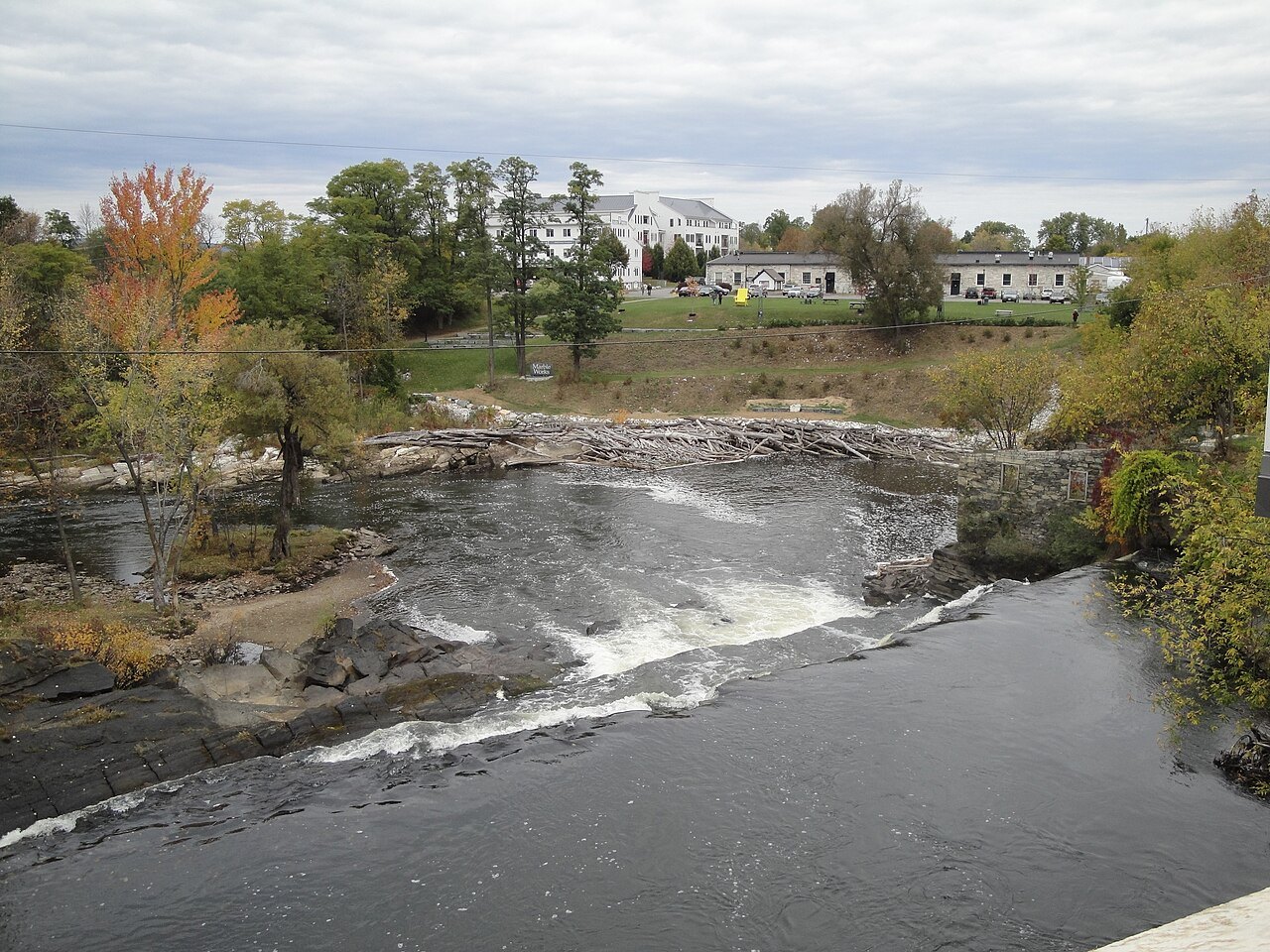
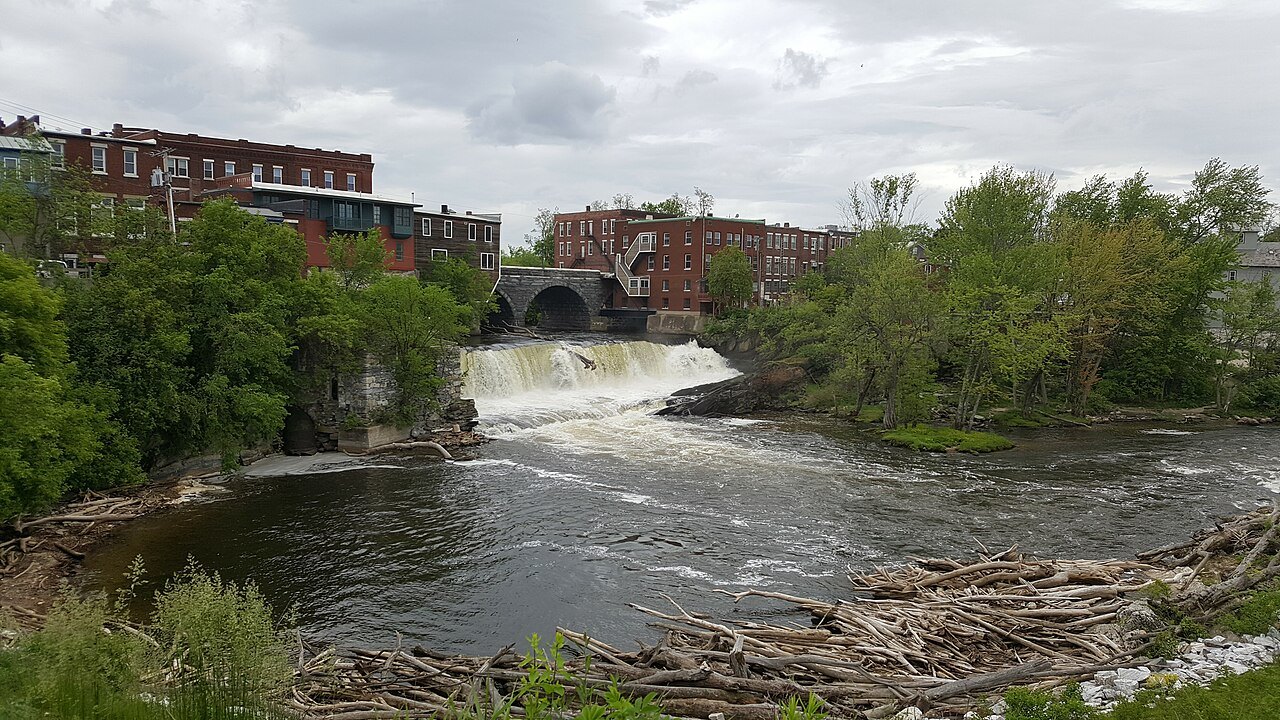
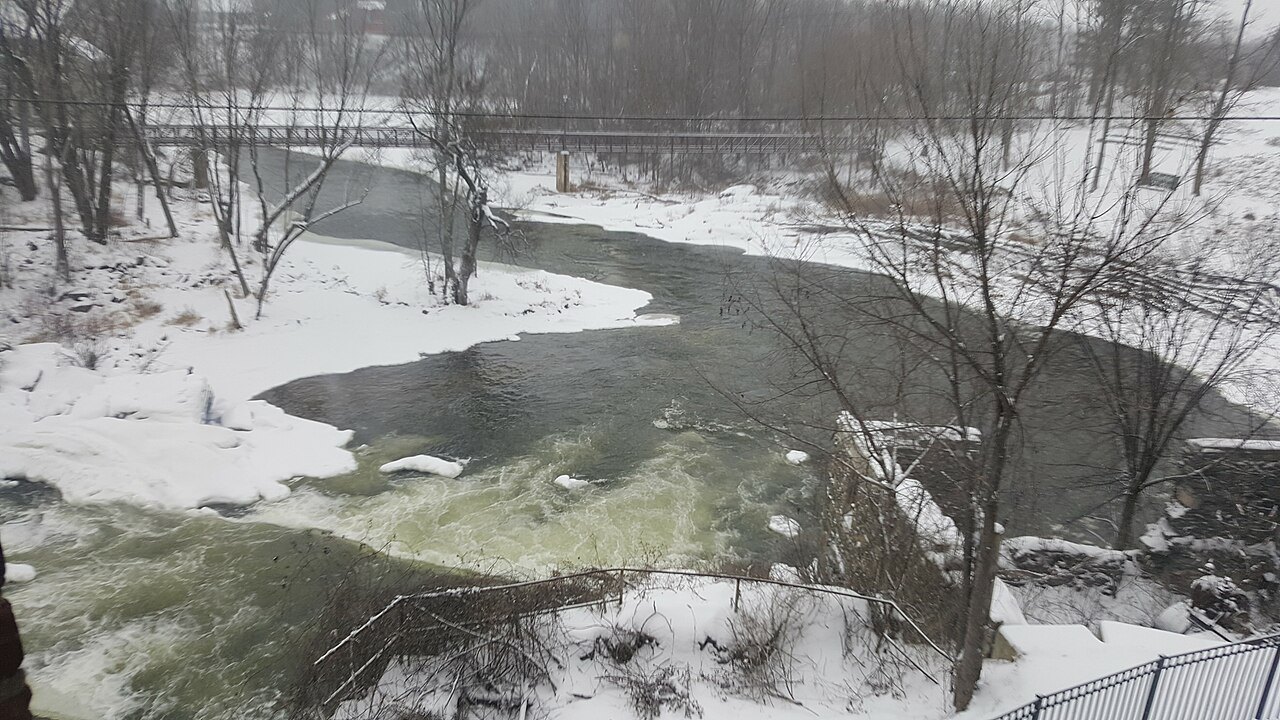
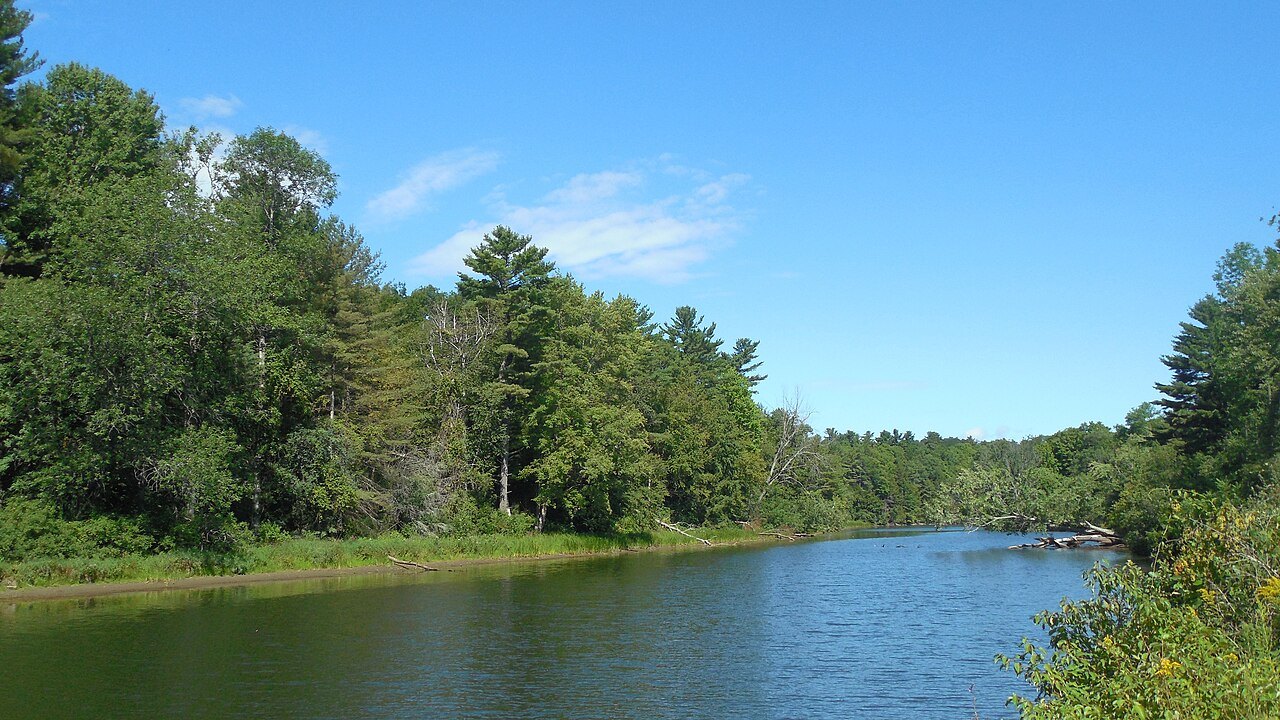
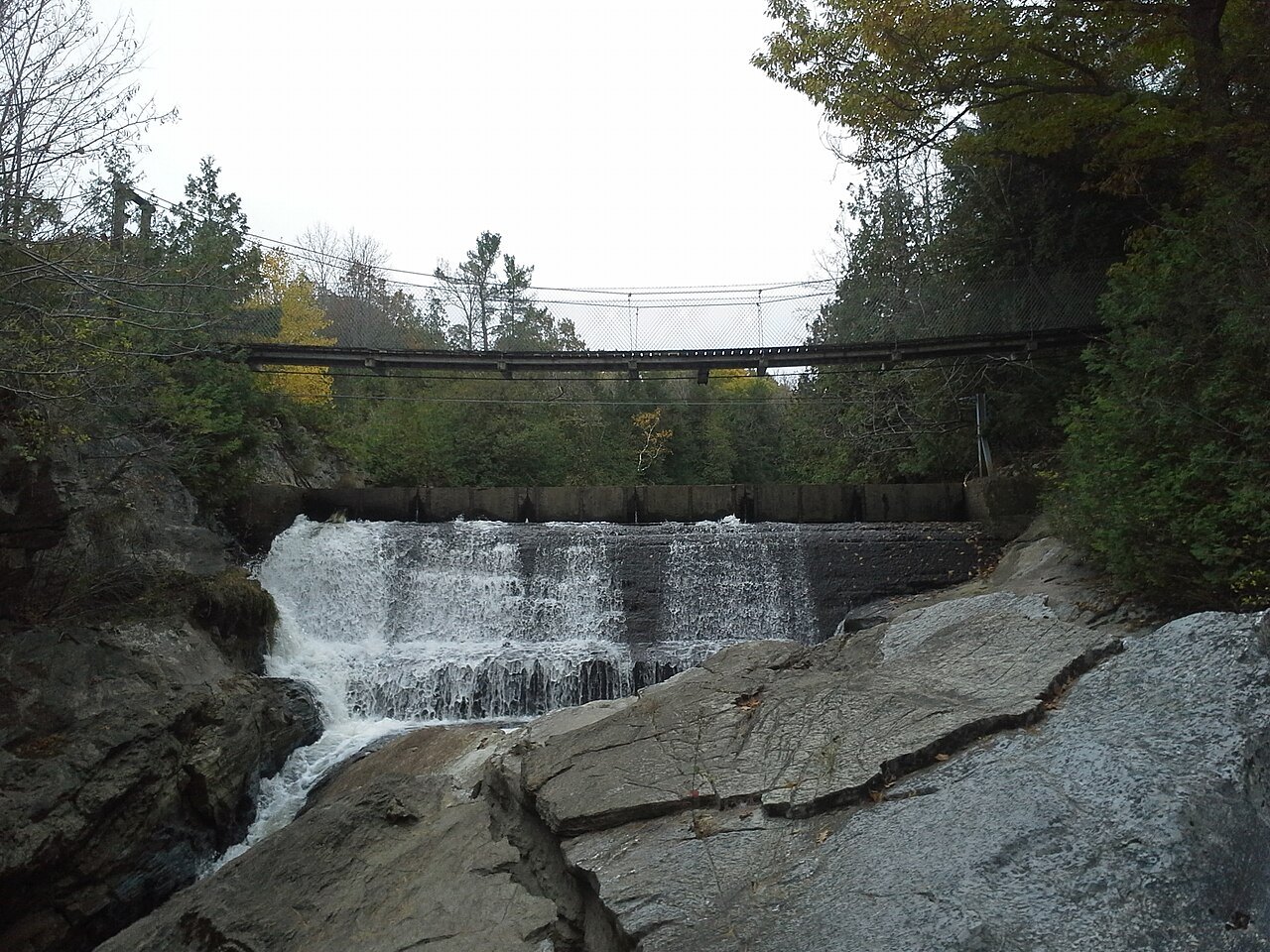
- The falls of Otter CreekThe creek runs south to north along the western edge of town, with falls at the center of the village.
- Henry Sheldon MuseumThe Museum of Vermont History, beside the adjacent hardware store, in the village center.
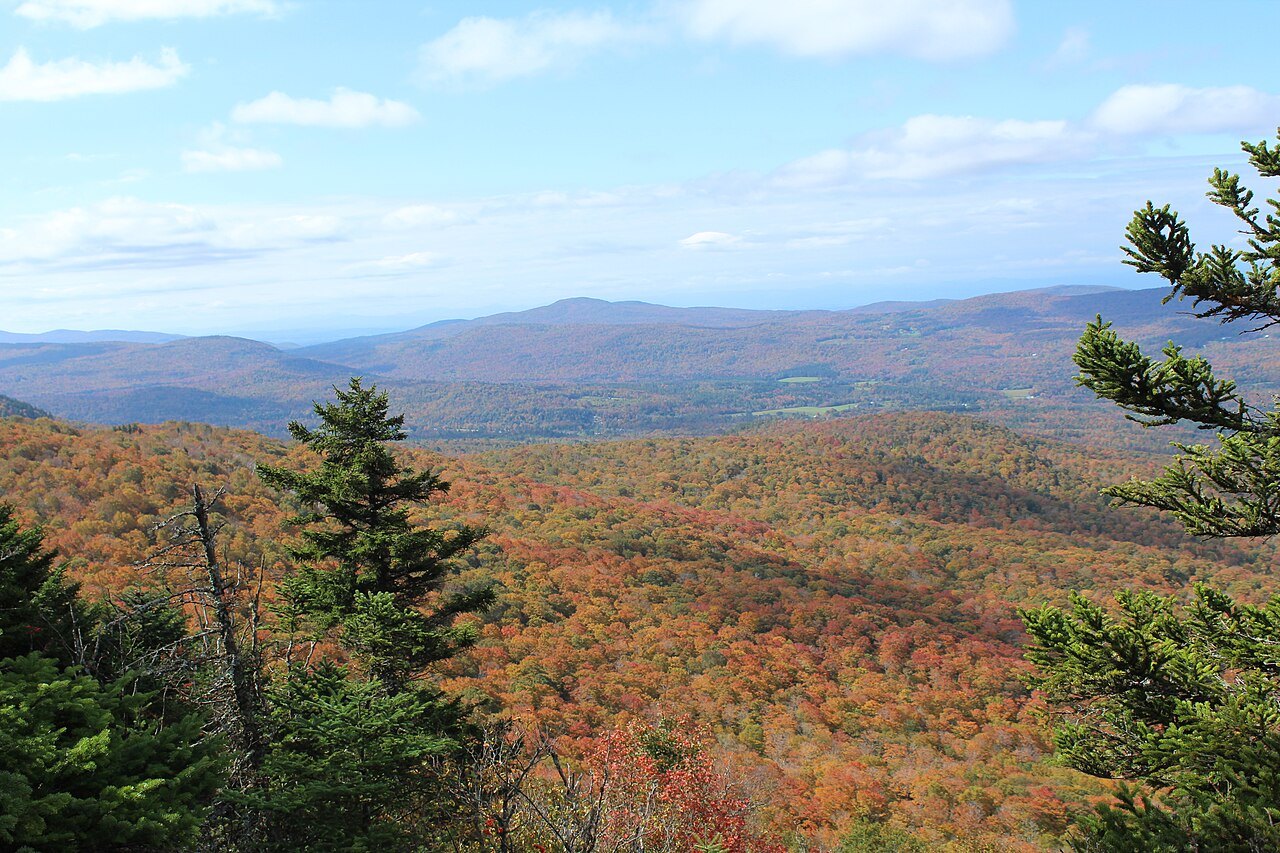
- Bread LoafThe college's mountain campus in Ripton, home of the Bread Loaf Writers' Conference, founded in 1926.
- Chipman HillA hill of glacial till that rises 450 feet above the village to the northeast.
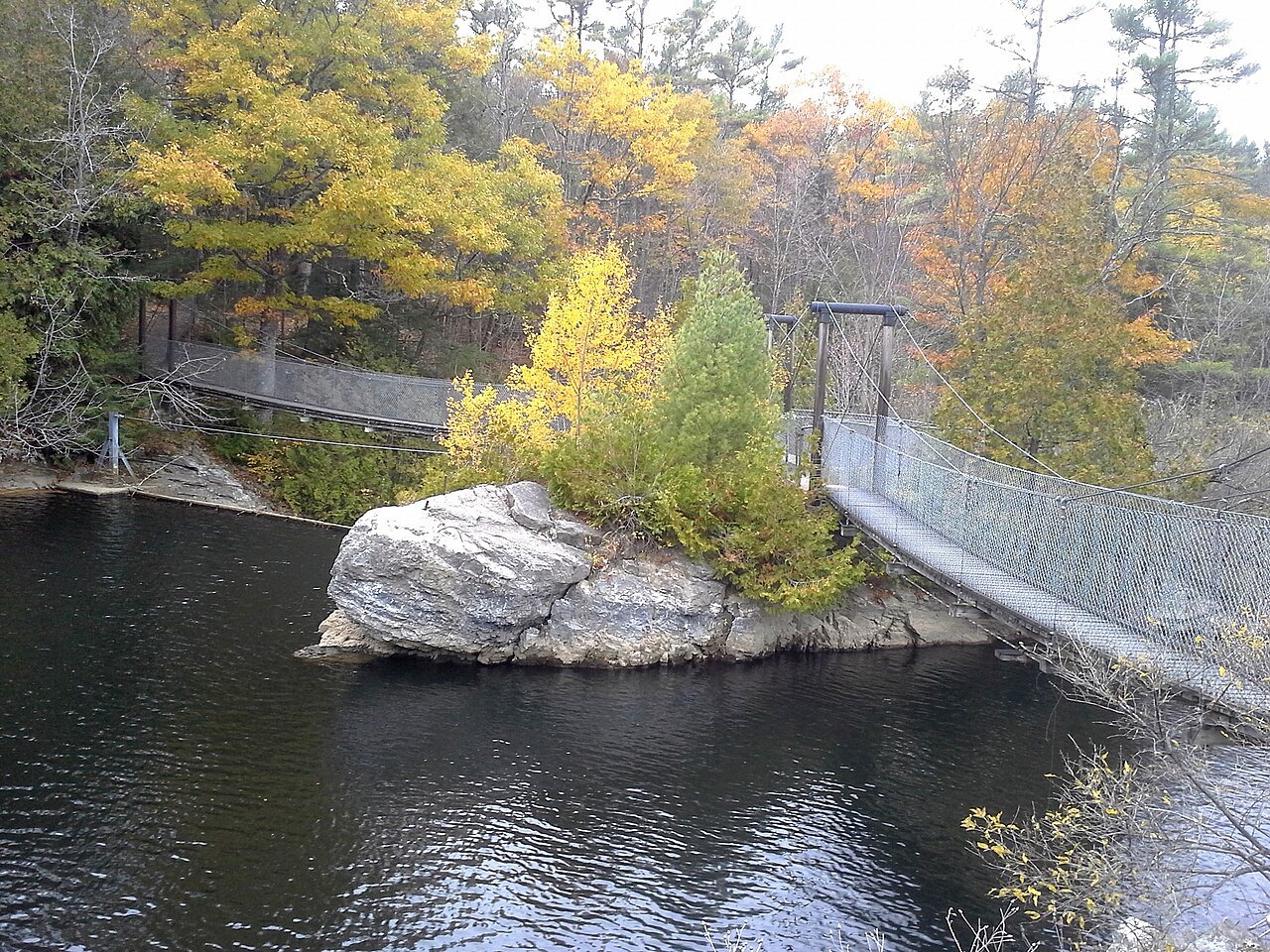
- The Trail Around MiddleburyA path that circles the town, listed with the Emma Willard Memorial and the Ilsley Public Library.
Why it matters
Middlebury is the shire town of Addison County, in the western part of Vermont near the center of the county, and it is the largest town in the county by population, with 9,152 people at the 2020 census. It serves as the commercial and business center for the region. The college, the Henry Sheldon Museum of Vermont History and a village of stone and brick buildings around the falls make it one of the most complete small towns on the valley side of the state.
It is also a good base for the lake and the western foothills of the Green Mountains. The town is crossed by U.S. Route 7 and by Vermont Routes 23, 30, 116 and 125.
From grant to mill village
Middlebury was chartered by Colonial Governor Benning Wentworth on November 2, 1761, and awarded to John Evarts and 62 others. The name came from its place between the towns of Salisbury and New Haven. The French and Indian Wars ended in 1763, and the first settlers arrived in 1766; John Chipman was the first to clear his land. During the Revolutionary War much of the town was burned.
The village grew where the creek falls. A survey dispute with Salisbury led to the forfeiture of Gamaliel Painter's farm to that town, and Painter turned from farming to developing Middlebury Village near his and Abisha Washburn's mill and the others that surrounded the falls. The industries that followed included a cotton factory, a sawmill, a gristmill, a pail factory and a paper mill.
A footnote to the Canadian rebellions belongs here too: on January 2, 1838, refugees from the Lower Canada Rebellion met in Middlebury to plan their next steps, attended by the Patriote leaders Louis-Joseph Papineau and Robert Nelson, who could not agree on a unified plan.
The college
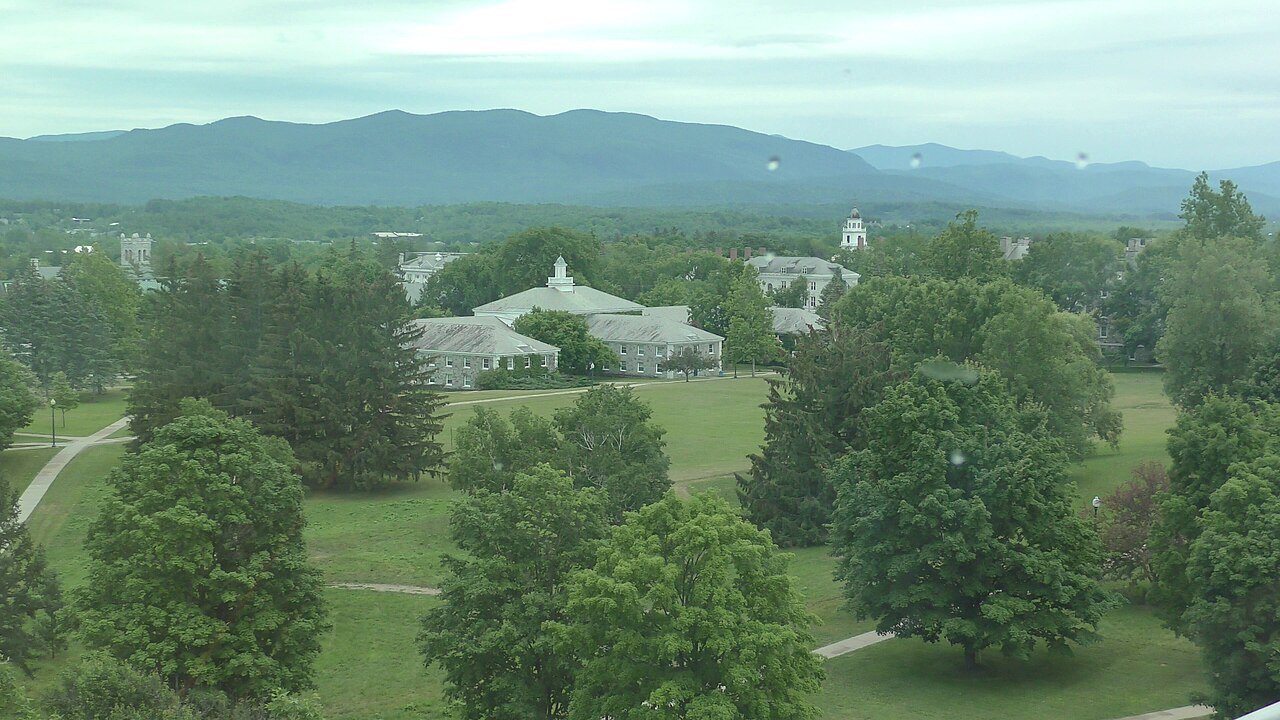
Middlebury College is a private liberal arts college, founded in 1800 by Congregationalists. In the fall of 2024 it enrolled 2,760 undergraduates from all 50 states and 74 countries, with 45 majors in the arts and humanities and joint engineering programs. It received its charter on November 1, 1800, as an outgrowth of the Addison County Grammar School, founded in 1797, and its first president, Jeremiah Atwater, began classes a few days later; that made it the first operating college or university in Vermont. One student, Aaron Petty, graduated at the first commencement, in August 1802.
The college's trustees voted to admit women in 1883, and the first woman graduate, May Belle Chellis, received her degree in 1886. In 1965 Middlebury became the first institution of higher education in the United States to offer an environmental studies major. A century of expansion followed the centennial of 1900 beyond the three buildings of Old Stone Row, including the Beaux-Arts Egbert Starr Library, now the Axinn Center, and Warner Hall.
One tradition reached the White House: in 1923, under President Paul Dwight Moody, the college donated a 48-foot balsam fir to the White House, beginning the American tradition of a National Christmas Tree, and Vermont native Calvin Coolidge flipped the switch that lit it.
Summer schools and Bread Loaf
In summer the town fills with the Middlebury College Language Schools, which began with the School of German in 1915 and now offer intensive instruction in 10 languages in sessions of six to eight weeks, enrolling about 1,350 students every summer. All of them sign the Language Pledge, an agreement to use only the language they are studying.
The Bread Loaf School of English is based at the college's Bread Loaf Mountain campus in Ripton, just outside Middlebury, in sight of the main ridge of the Green Mountains. Robert Frost first came there on the invitation of the dean in 1921 and returned every summer but three for 42 years. The Bread Loaf Writers' Conference, founded in 1926, is the oldest surviving conference of its kind in the nation.
Walking the town
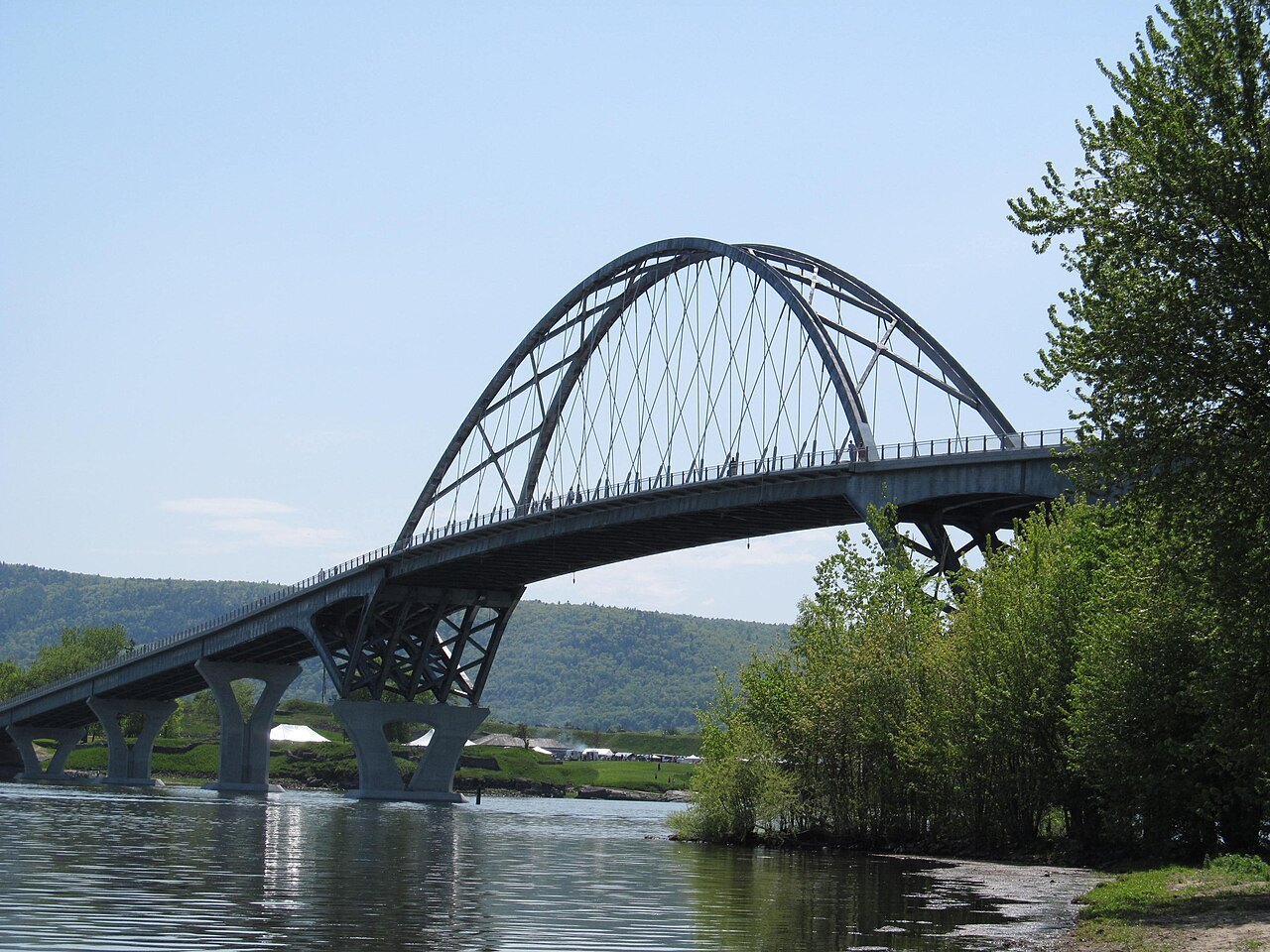
Downtown has a three-screen movie theater, the post office and two historic inns, along with many shops and restaurants. The Otter Creek falls are at the center of the village, and the Middlebury River flows west into the creek out of the mountains. Chipman Hill rises 450 feet above the village just to the northeast. A new bridge over the creek connecting Cross Street to Bakery Lane opened in November 2010 to ease traffic through downtown.
The town's list of points of interest includes the Emma Willard Memorial, the Henry Sheldon Museum of Vermont History, the Ilsley Public Library, the sculpture Middlebury to Her Soldiers, and TAM, the Trail Around Middlebury. Development along U.S. Route 7 to the south holds the supermarkets and most of the gas stations, so the village itself stays walkable. The town also has a campus of the Community College of Vermont and a regional technical center, the P. A. Hannaford Career Center, that serves high-school students and adults.
Planning
Middlebury has a humid continental climate, with warm to hot, often humid, summers and cold winters. The college's academic year follows a 4–1–4 schedule with a January term, so the town is liveliest in the fall and spring and takes on a different character in the summer language-school months. The getting around page covers the roads and the options for those without a car.
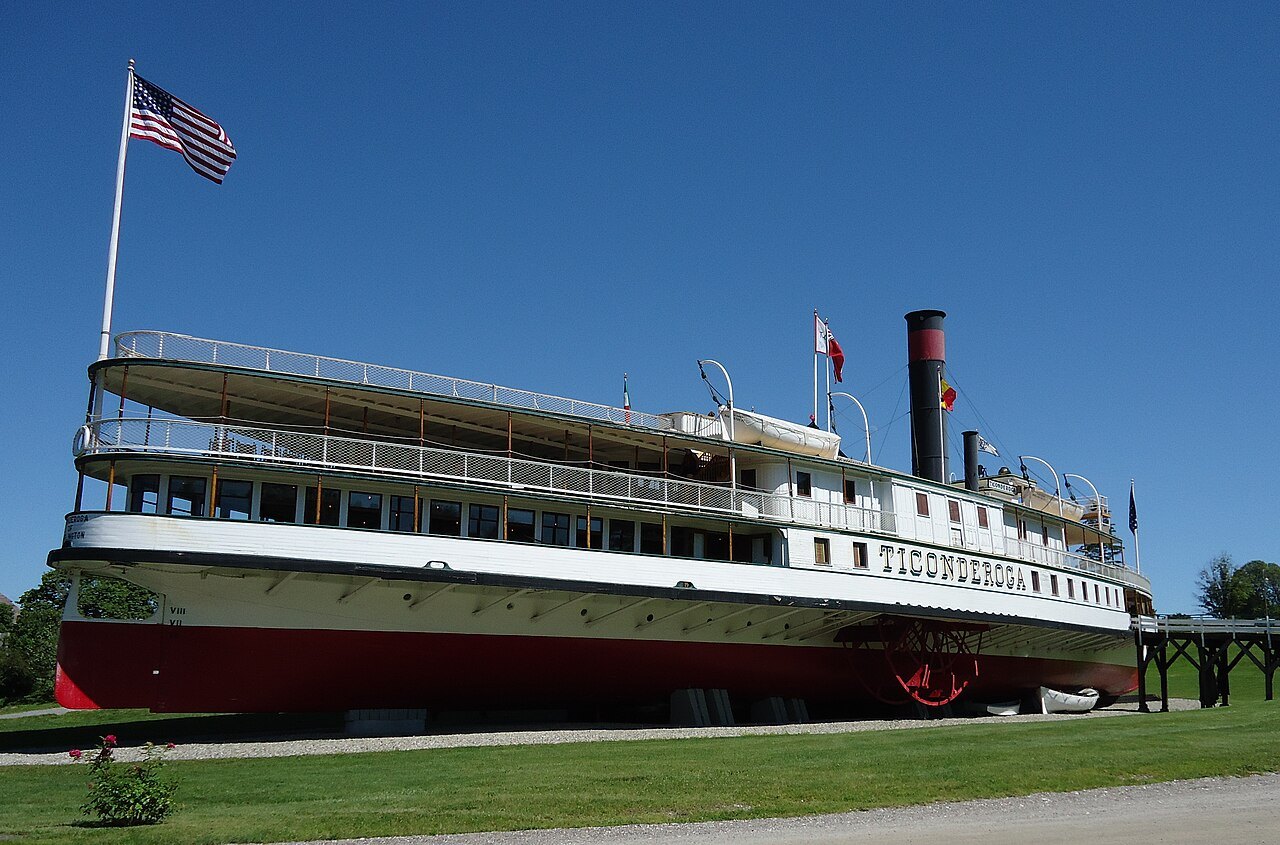
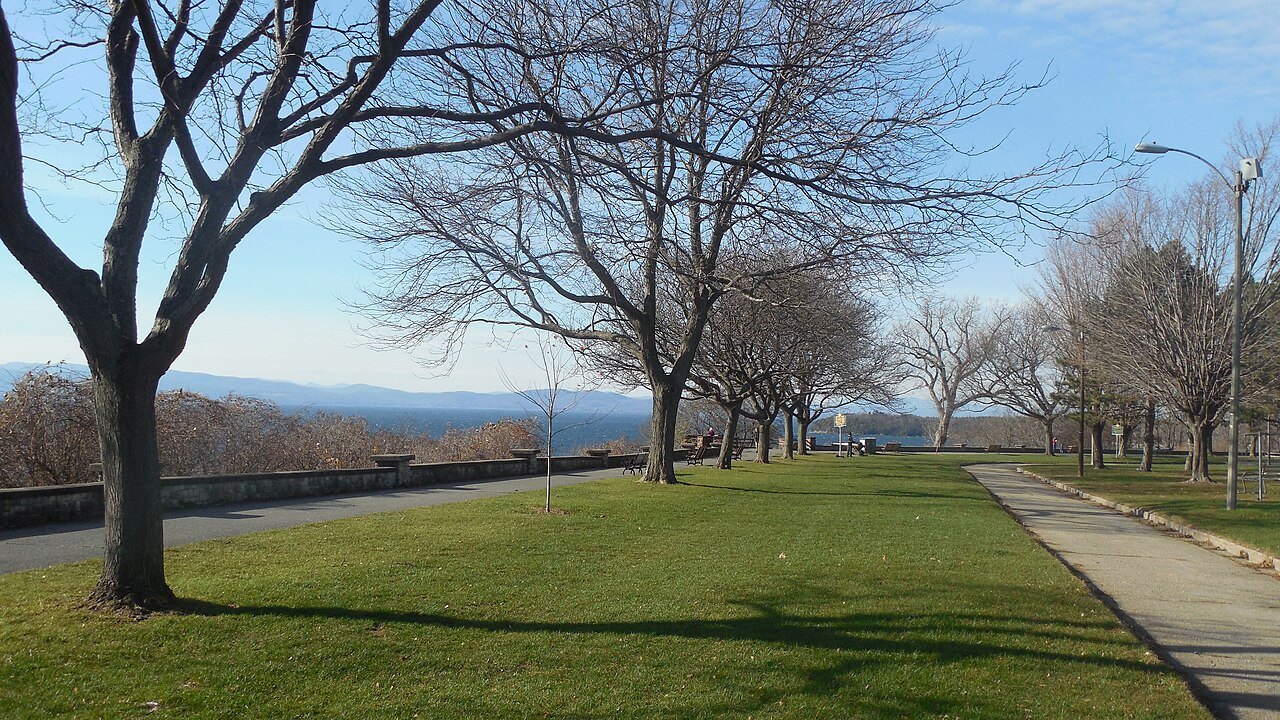
The Shelburne landmark and Burlington are the nearest places on the lake worth pairing with a day here.
Nearby
Sources read for this page