Shelburne Museum and Shelburne Farms, a village of moved buildings beside Lake Champlain
Photographs: John Campbell, Wikimedia Commons, CC BY-SA 4.0 · NRavenel, Wikimedia Commons, CC BY-SA 4.0 · Jim Griffin, Wikimedia Commons, CC0
The Champlain Valley · landmark 1 of 15
One collector moved a covered bridge, a lighthouse, a jail and a 220-foot steamboat onto 45 acres to make a museum of Americana, and a Vanderbilt-built model farm of 1,400 acres lies along the same shore.
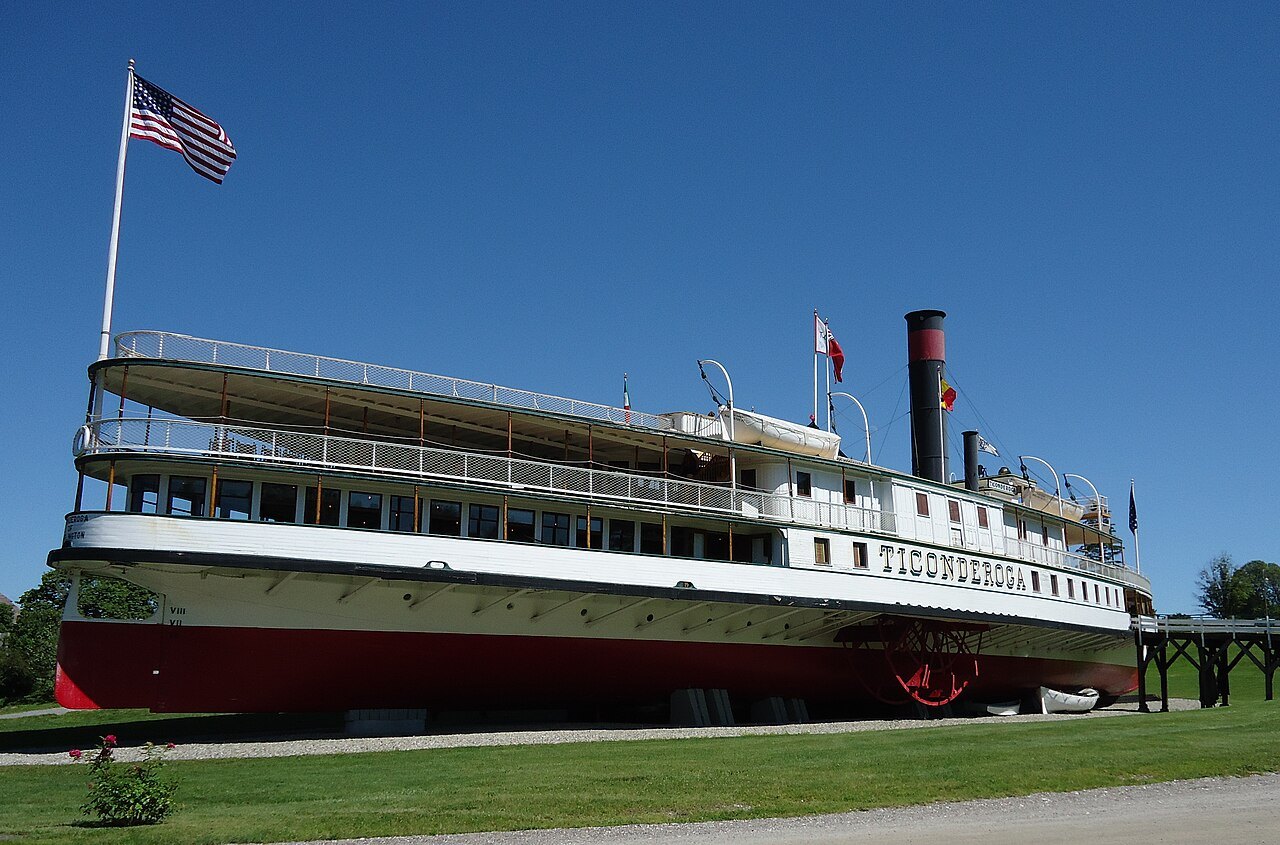
- The steamboat TiconderogaA 220-foot steamboat of 1906, a National Historic Landmark, moved overland to the grounds.
- The historic buildingsTwenty-five relocated buildings: houses, barns, a meeting house, a schoolhouse, a jail and a general store.
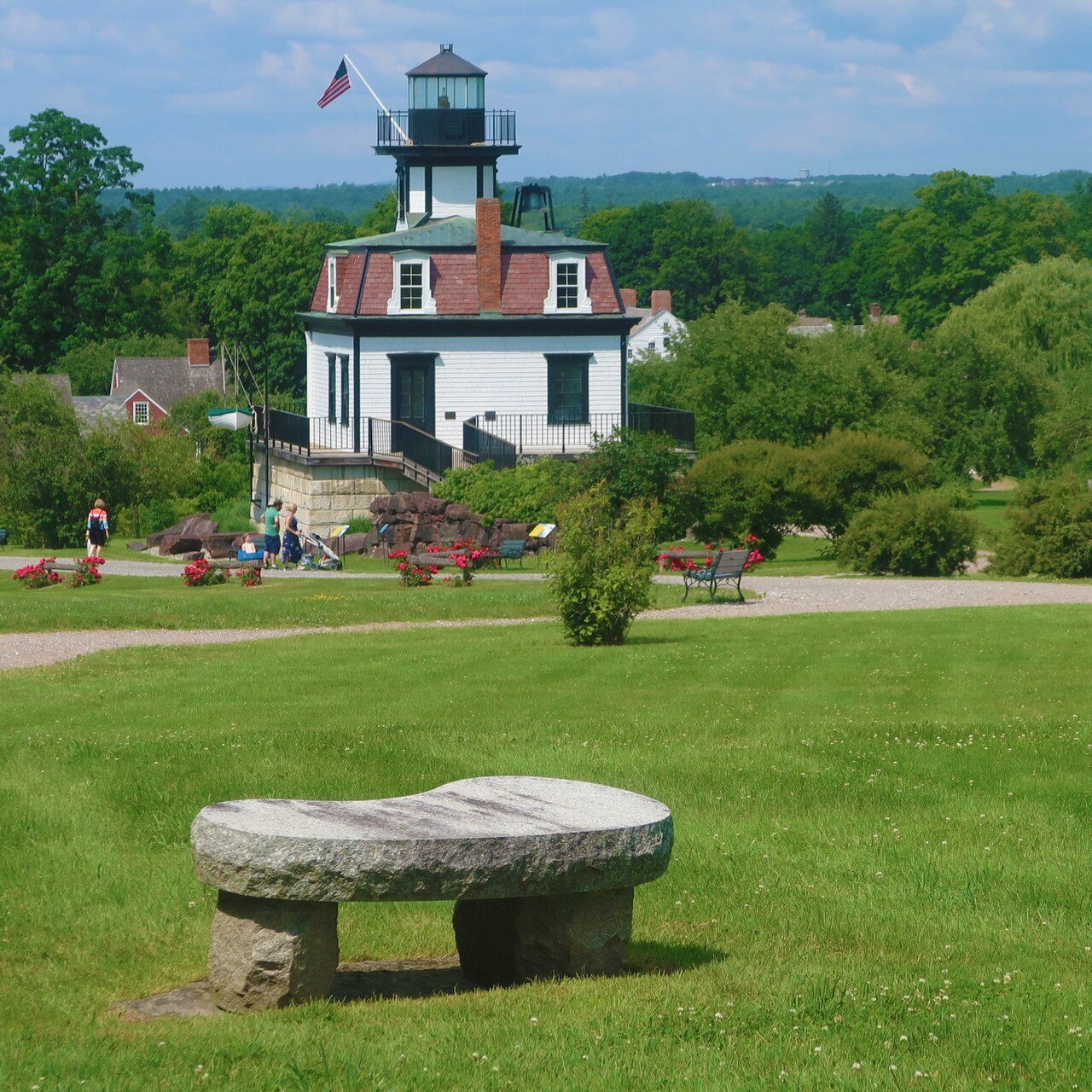
- The Colchester Reef LightA lighthouse of 1871 re-erected on the museum grounds.
- The folk art collectionDecoys, weathervanes, trade signs, quilts and carousel figures.
- Shelburne FarmsA 1,400-acre working farm and National Historic Landmark on the lake shore.
Why it matters
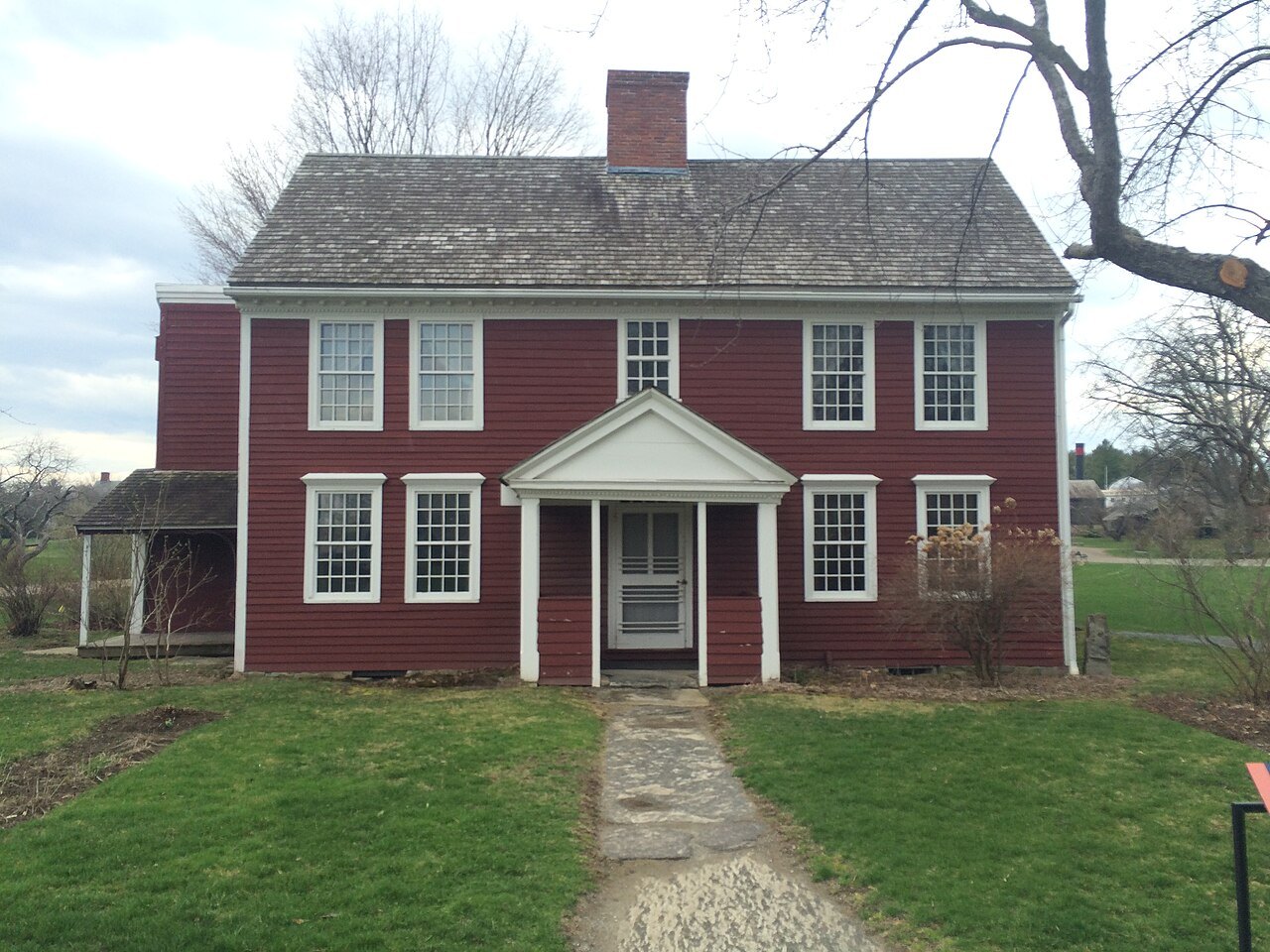
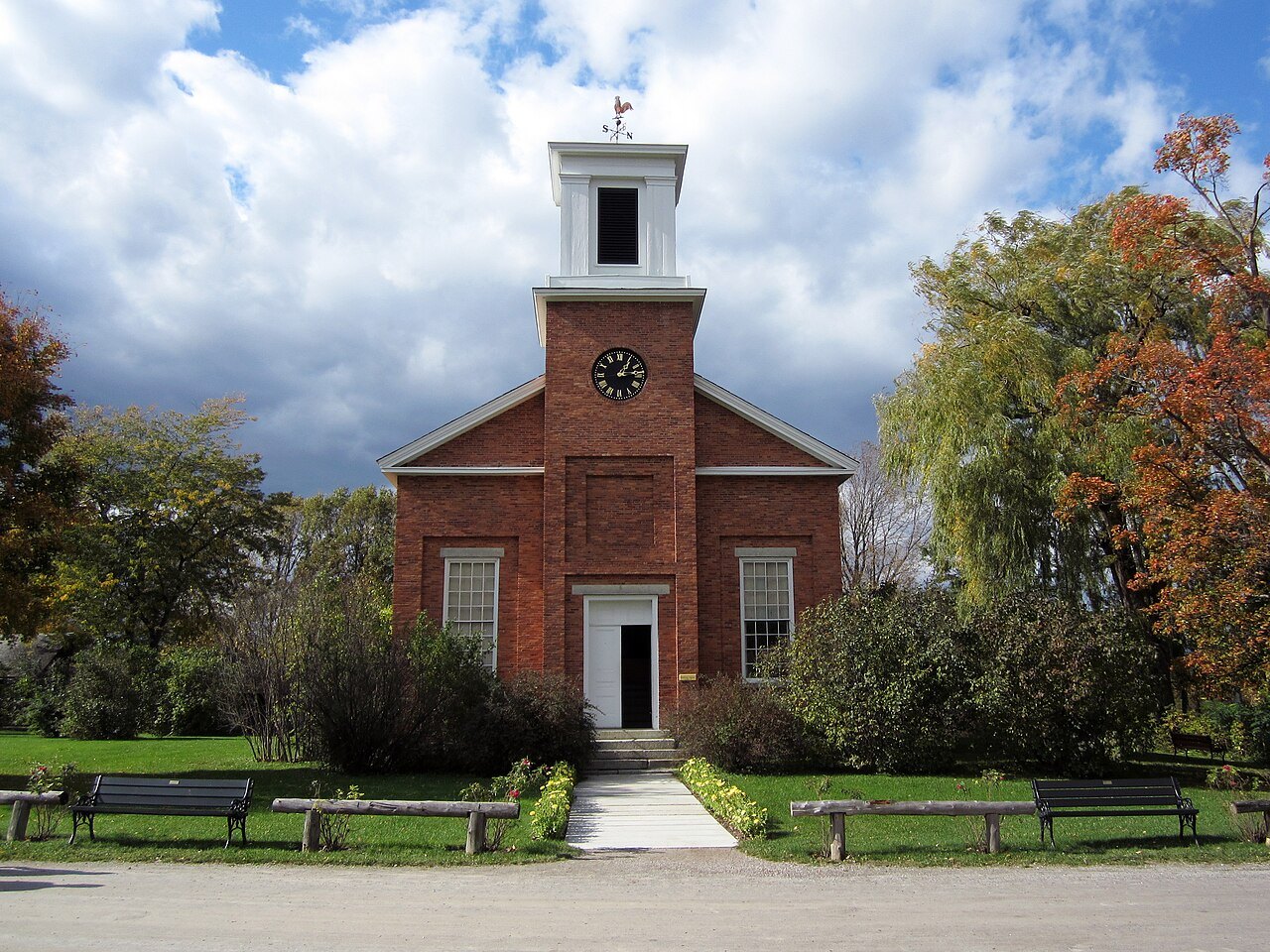
Shelburne Museum is a museum of art, design and Americana in Shelburne, near Lake Champlain. More than 150,000 works are shown in 39 exhibition buildings on 45 acres, 25 of the buildings historic structures that were moved to the grounds. The effect is of a village built from a collection: houses, barns, a meeting house, a one-room schoolhouse, a lighthouse, a jail, a general store, a covered bridge and a steamboat stand among lilacs and gardens.
Nearby, Shelburne Farms shows the other side of the same history, a Gilded Age estate planned as a working farm.
Electra Havemeyer Webb
The museum was founded in 1947 by Electra Havemeyer Webb, a pioneering collector of American folk art. She was the daughter of Henry Osborne Havemeyer and Louisine Elder Havemeyer, who were important collectors of Impressionism and of European and Asian art, but she had her own eye and her own passion, for art, objects and buildings that expressed a distinctly American aesthetic. She was one of the first to see the decorative and applied arts of rural America as collectible.
To display the collection she did something unusual. She collected eighteenth- and nineteenth-century buildings from New England and New York and relocated about twenty historic structures to Shelburne, so that the objects could be seen in the settings they came from. She wanted, in her words, an educational project, varied and alive. She died in 1960, and the museum has since leaned toward folk art and contemporary art related to its collection.
Webb exchanged ideas with other major early collectors, among them Katherine Prentis Murphy and Henry Francis du Pont, who founded the Winterthur Museum and credited her with inspiring him to collect American decorative arts. During the First World War she drove an ambulance, and in the Second World War she directed a civil defense center and its blood bank.
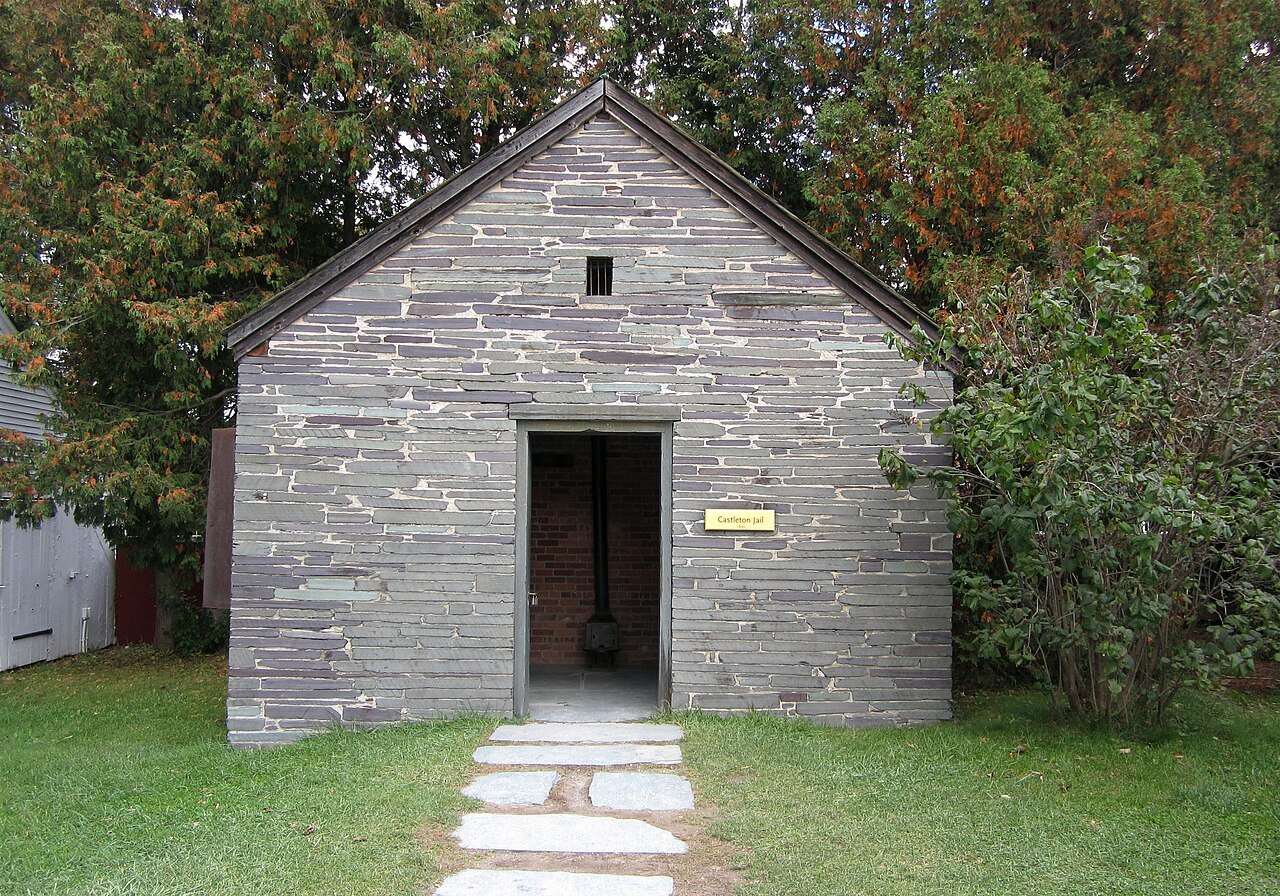
The buildings
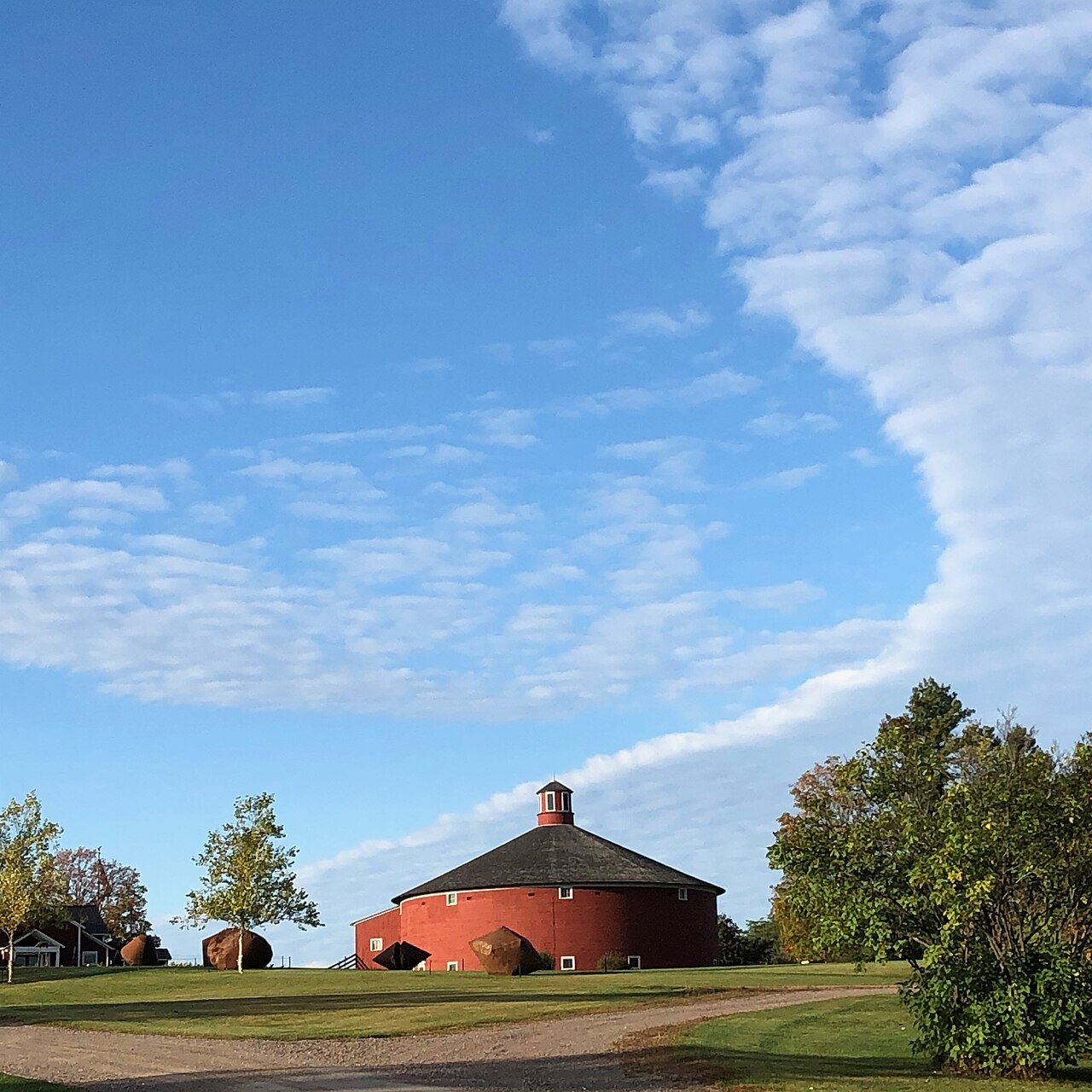
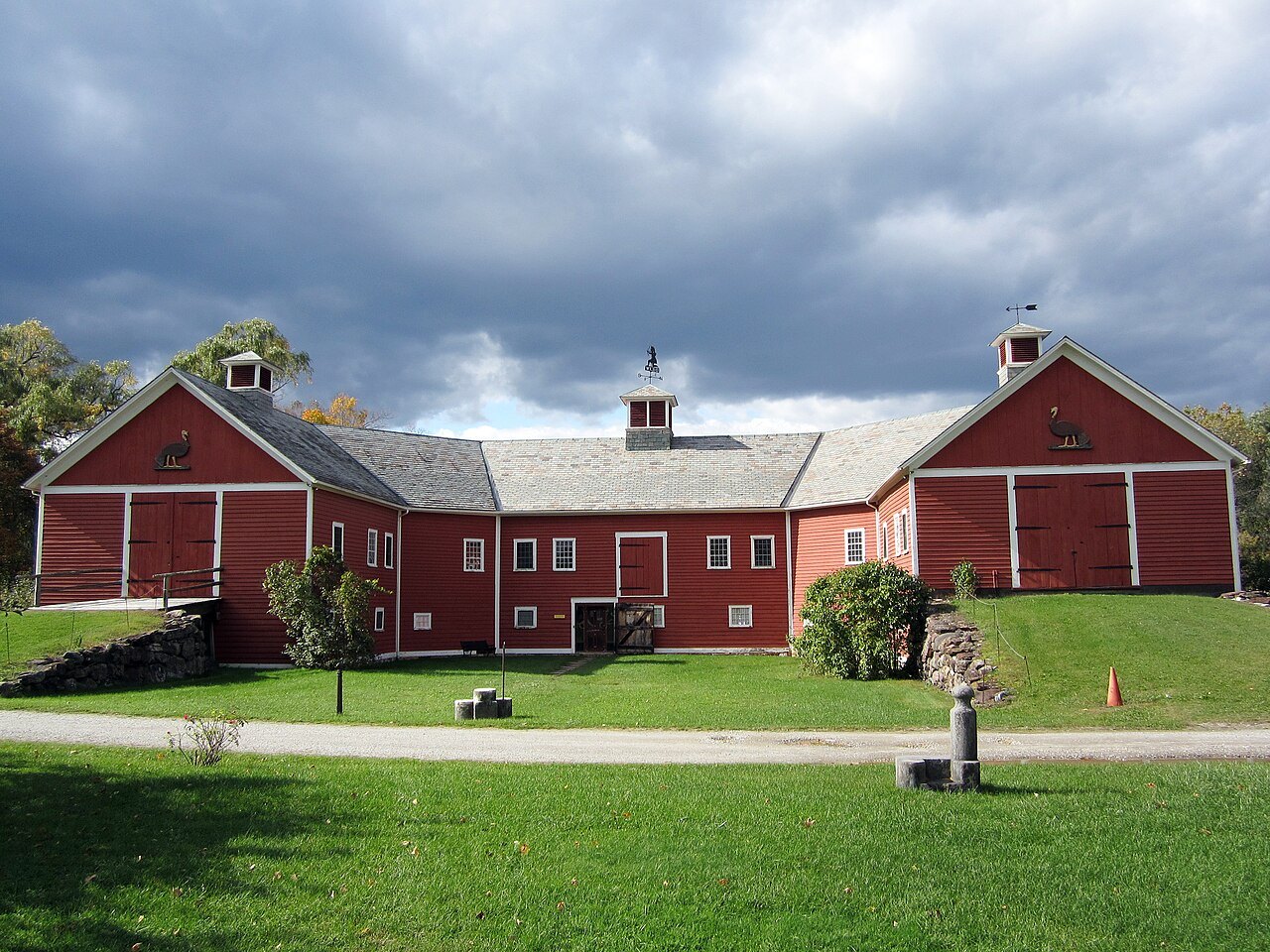
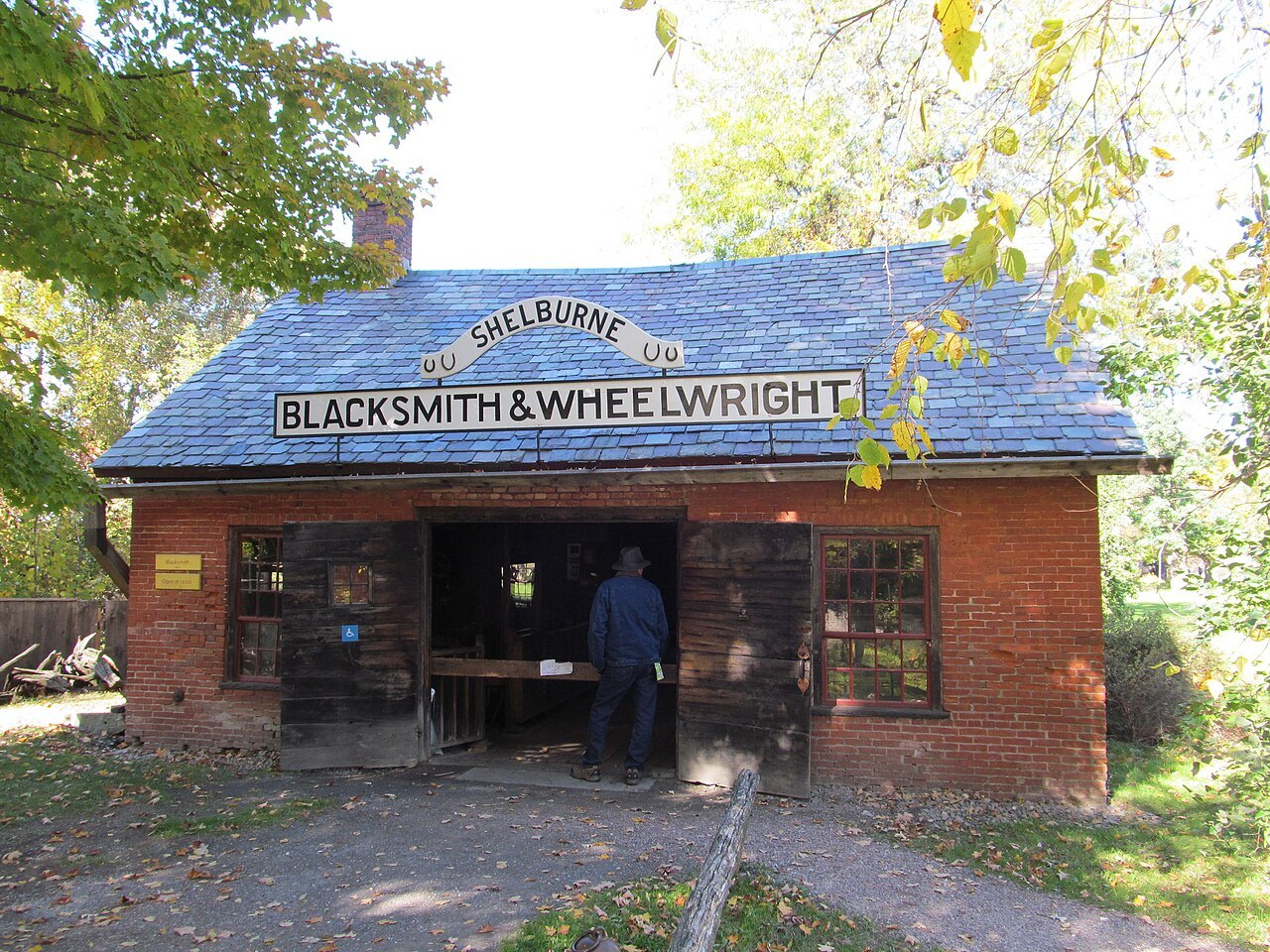
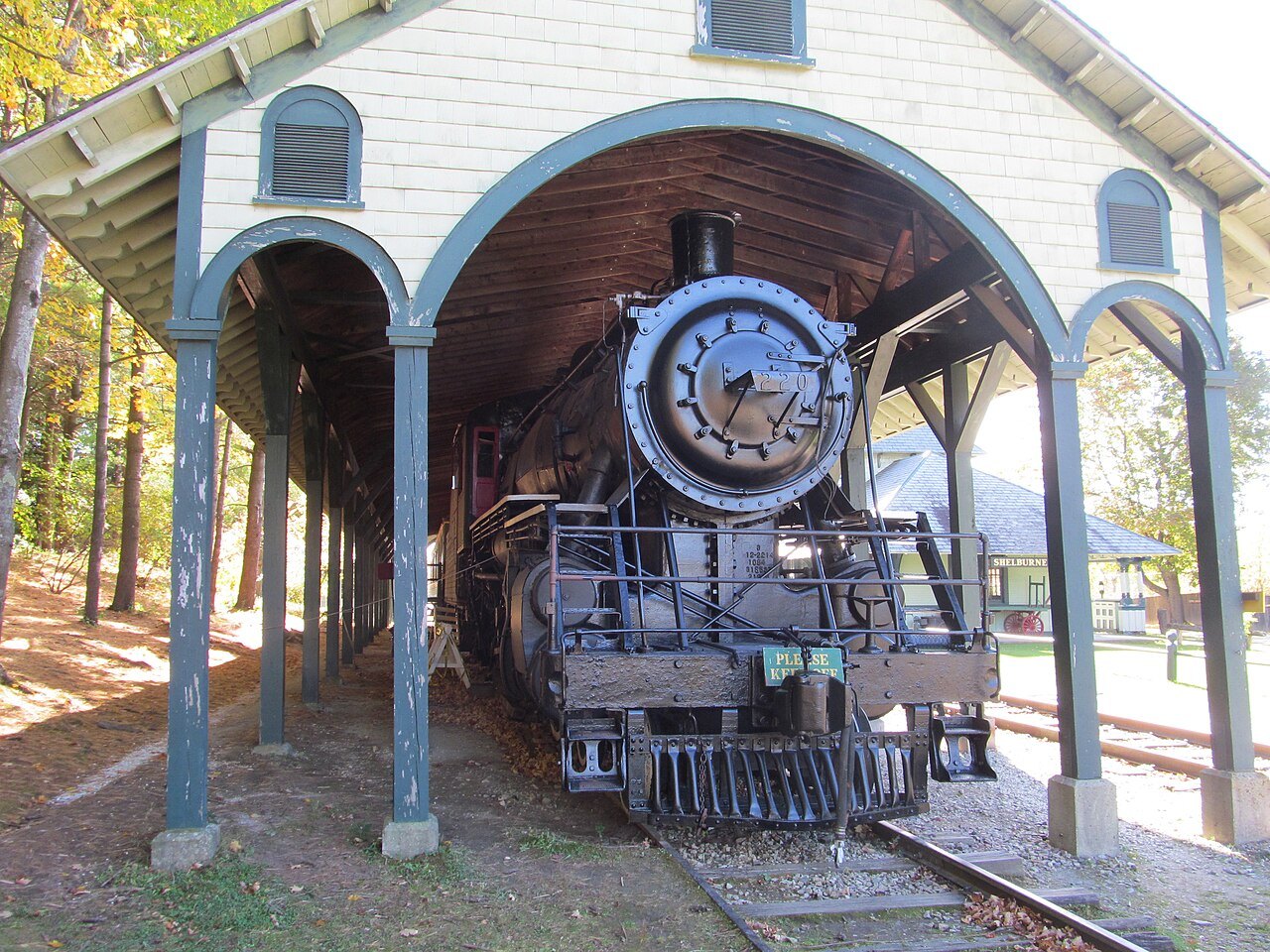
The grounds include the 1871 Colchester Reef Light, three historic and three replica barns, among them a Vermont round barn of 1901, a working carousel, blacksmith and wheelwright shops, a late nineteenth-century printing shop, an 1840 one-room schoolhouse, an 1890 Vermont slate jail, an 1840 general store, a rare eighteenth-century up-and-down sawmill and a covered bridge with two lanes and a footpath. There is also a reconstructed office of the Vermont physician D. C. Jarvis, an 1890 railroad station with a 1914 steam locomotive and an 1890 private rail car.
The star is the steamboat Ticonderoga, built in 1906, 220 feet long and a National Historic Landmark. Craftspeople staff working exhibits of blacksmithing, printing, spinning and weaving, and the landscape includes more than 400 lilacs, a circular formal garden and herb, heirloom vegetable and perennial gardens.
The collections
The folk art collection includes 1,400 wildfowl decoys and miniature carvings, 150 trade figures and signs, 120 weathervanes and fifty carousel figures, among them all forty animals of an early Dentzel carousel. There are 770 bed coverings, 500 of them quilts, 400 hooked and sewn rugs and 2,800 costumes and accessories, and a decorative arts collection of 6,650 pieces including one of the country's best regional collections of painted furniture.
The museum also keeps 225 horse-drawn vehicles, which a former curator called among the best in the nation, 1,000 farm implements and 5,000 hand tools. American paintings include works by Bierstadt, Cassatt, Homer, Grandma Moses and Andrew Wyeth. A group of European pictures from the Havemeyer collection, by Corot, Degas, Manet and Monet, is shown in rooms re-created from the Webbs' New York apartment of about 1930, and they are the only Impressionist pictures on public view in Vermont.
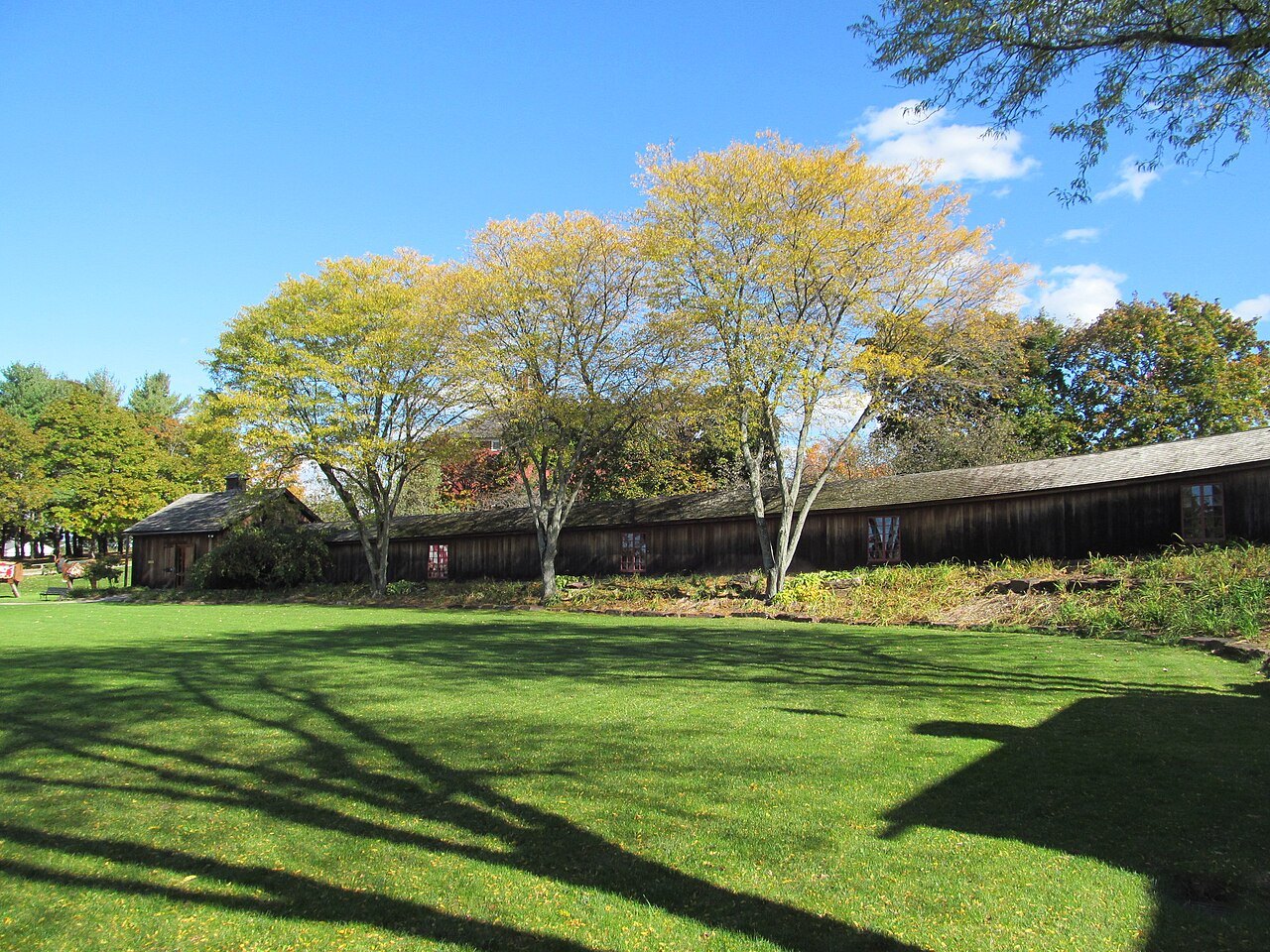
The circus collection holds 600 historic posters, letters and memorabilia from P. T. Barnum and the hand-carved Kirk Brothers Miniature Circus of 3,500 pieces, and the Roy Arnold Circus Parade recreates in miniature 112 attractions from famous circuses and the Buffalo Bill Wild West Show along 525 feet of a special exhibition building. More than 1,000 dolls, 27 dollhouses and 1,200 doll accessories echo the museum's furniture and ceramics in miniature, and an apothecary shop and physician's office show 2,000 patent medicines. In 2013 the Pizzagalli Center for Art and Education added two galleries, an auditorium and a classroom.
Shelburne Farms
Shelburne Farms is a nonprofit education center for sustainability, a 1,400-acre working farm and a National Historic Landmark on the shore of Lake Champlain. It was created in 1886 by Dr. William Seward Webb and Eliza Osgood Vanderbilt Webb as a model agricultural estate, using money inherited from her family's railroad fortune. They commissioned the landscape architect Frederick Law Olmsted to lay out 3,800 acres of farm, field and forest and the New York architect Robert Henderson Robertson to design the buildings.
The estate was assembled by buying many mostly agricultural properties, and by adapting the existing roads and lanes, some of them public ways the Webbs petitioned to have closed. It was listed on the National Register of Historic Places in 1980 and designated a National Historic Landmark District in 2001. It was incorporated as a nonprofit educational organization in 1972 by descendants of the Webbs. Nearly 400 acres of woodland were certified by the Forest Stewardship Council in 1998, and the farm's grass-based dairy keeps a herd of 125 purebred Brown Swiss cows, whose milk becomes farmhouse cheddar.
Planning
Allow a full day for the museum, with the buildings spread over the grounds, and a half day for the farm. The lake shore at Shelburne is described on the Lake Champlain page, and the city of Burlington lies a short drive north.
Check each site's own information before traveling, since both keep seasonal arrangements.