Plymouth Notch, the village where Calvin Coolidge took the oath
Photographs: Dsdugan, Wikimedia Commons, CC0 · Pi3.124, Wikimedia Commons, CC BY-SA 4.0 · Dougtone, Wikimedia Commons, CC BY-SA 2.0
The Valleys and Villages · landmark 10 of 15
A hill village kept almost as it was in 1923, when Vice President Calvin Coolidge was sworn in as president in his father's parlor by the light of a kerosene lamp.
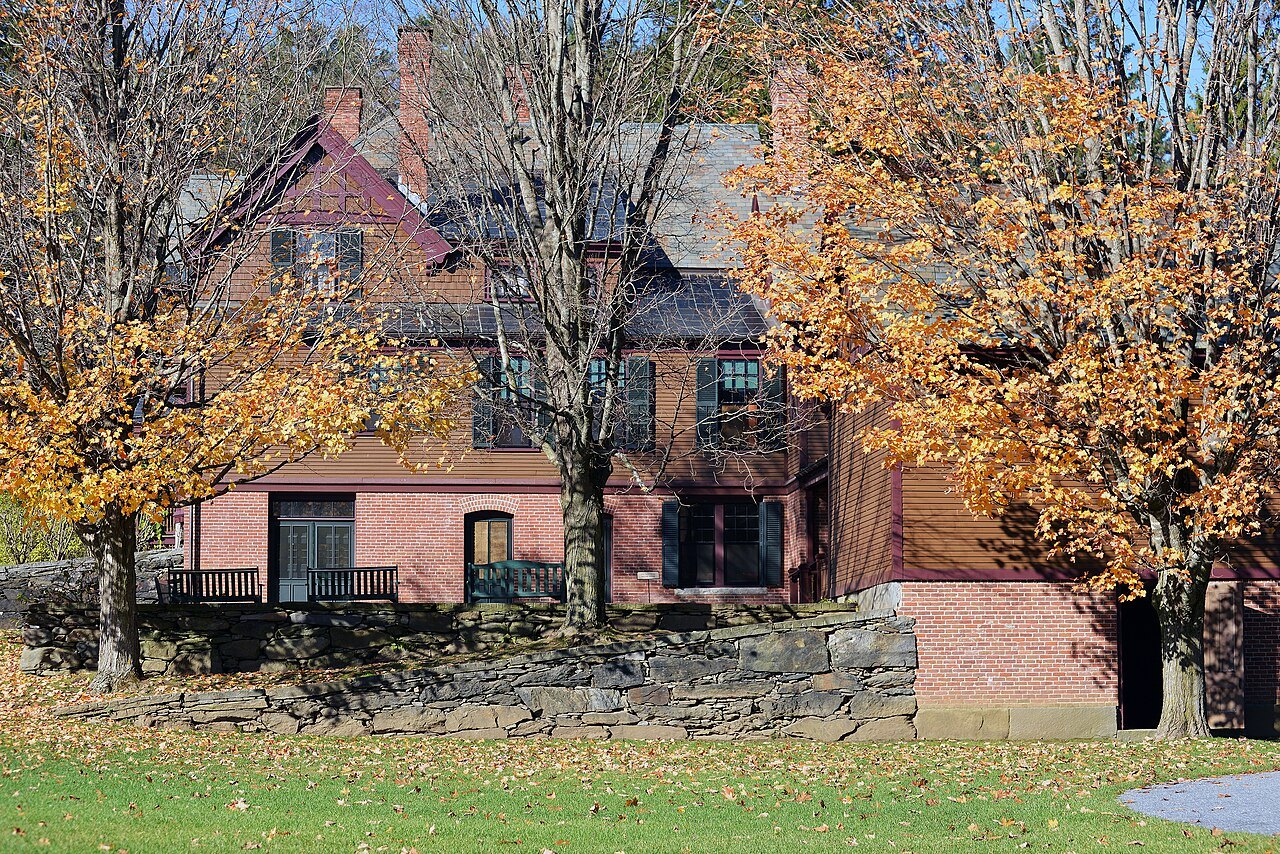
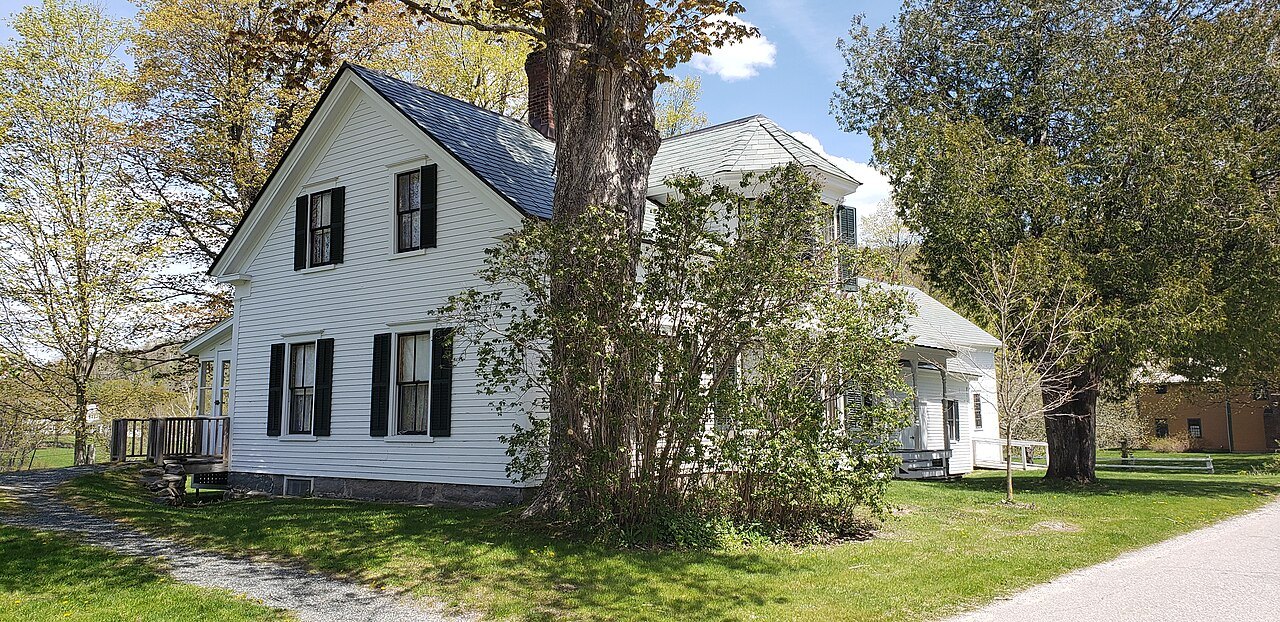
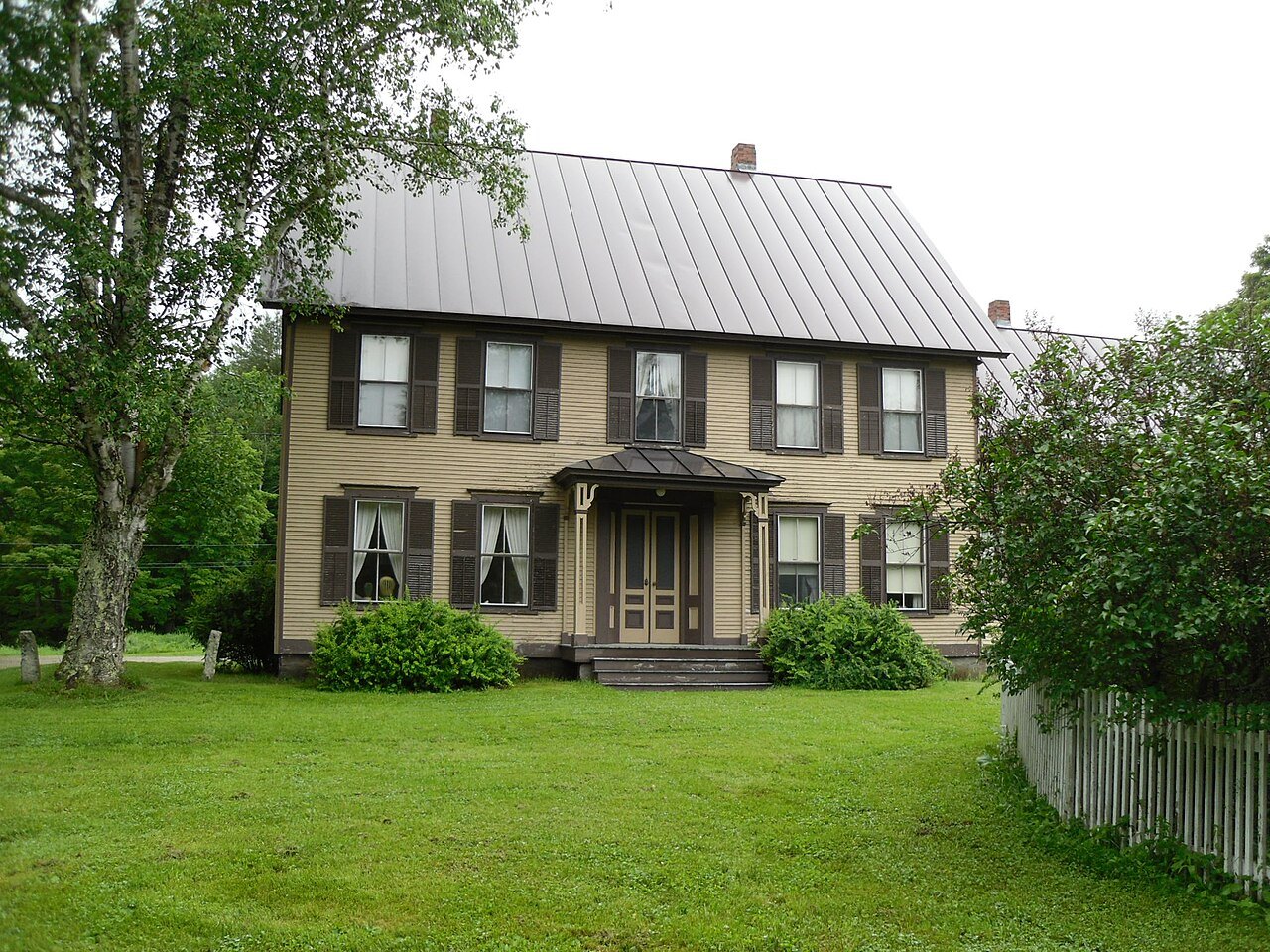
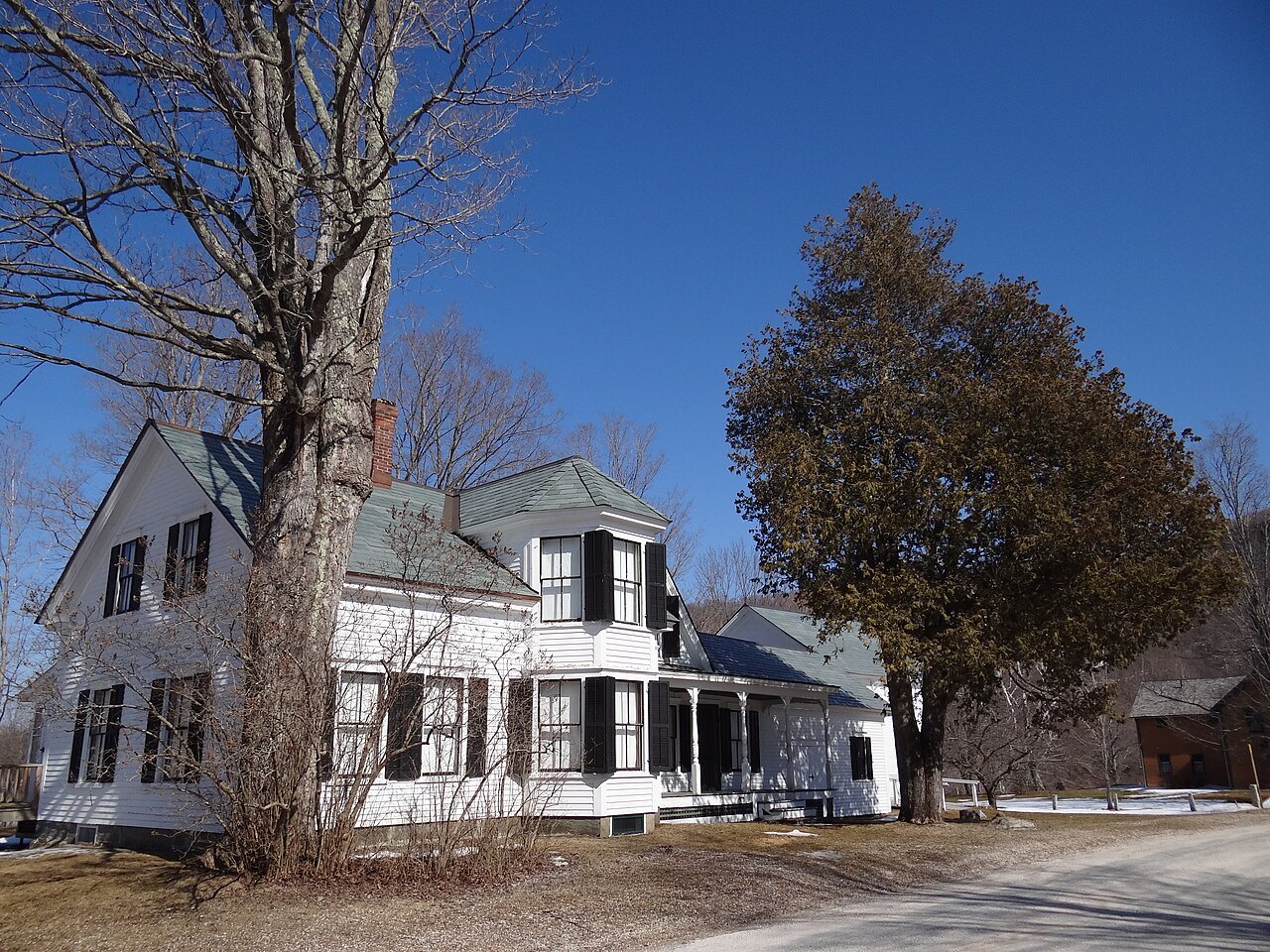
- The Coolidge HomesteadThe farmhouse where Coolidge lived from age four, with the parlor where he took the oath.
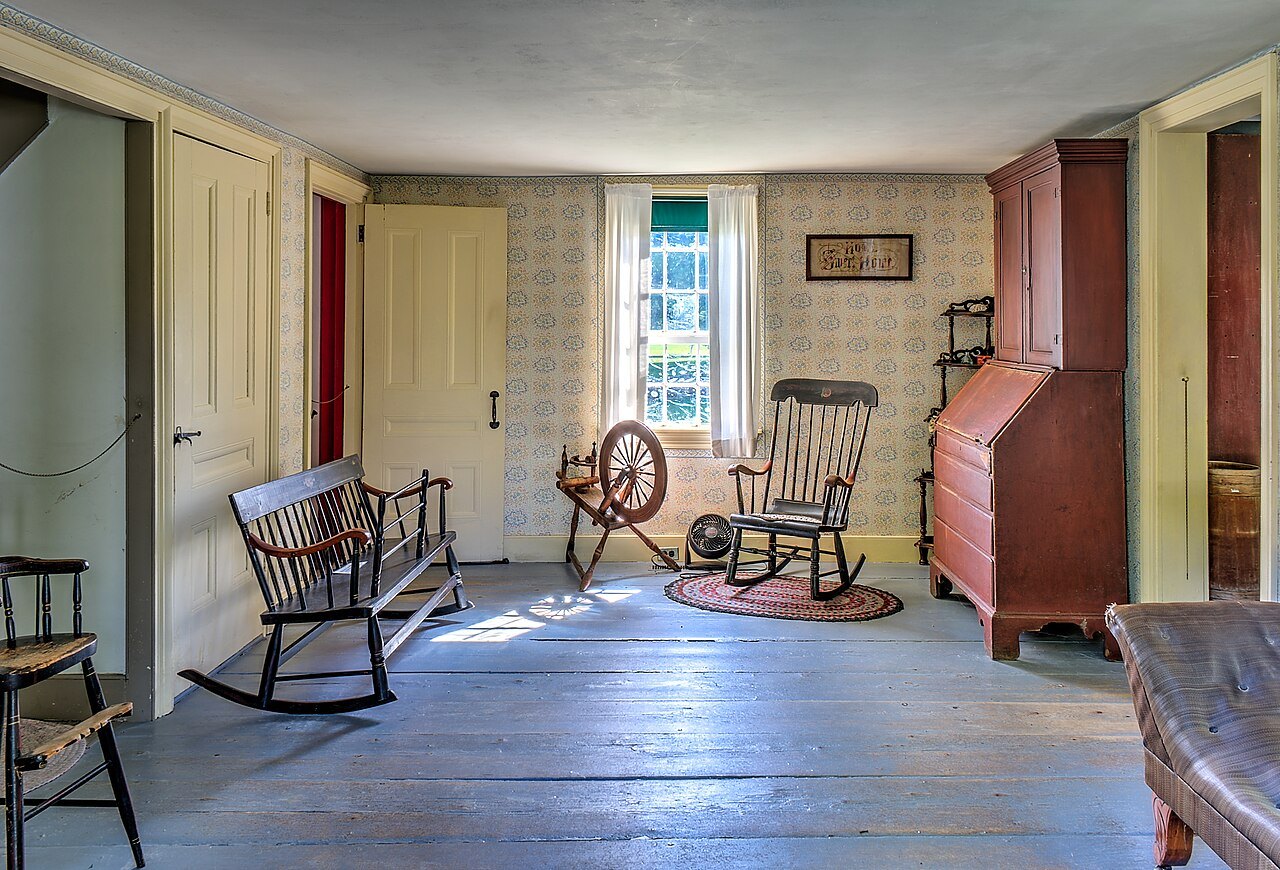
- The Inaugural RoomBehind glass, with the lamp, Bible and table used in the 1923 ceremony in their places.
- The general storeThe old Coolidge store, which held the post office in the 1920s.
- The cheese factoryFounded by the Coolidge family in 1890, with a cheese-making museum upstairs.
- Notch CemeteryWhere Coolidge is buried among seven generations of his family.
Why it matters
Plymouth Notch is an unincorporated village in the town of Plymouth, in Windsor County. All or most of it lies inside the Calvin Coolidge Homestead District, a National Historic Landmark, and the State of Vermont's Division for Historic Preservation owns and maintains the Coolidge Homestead and the village. The town itself had 641 people at the 2020 census.
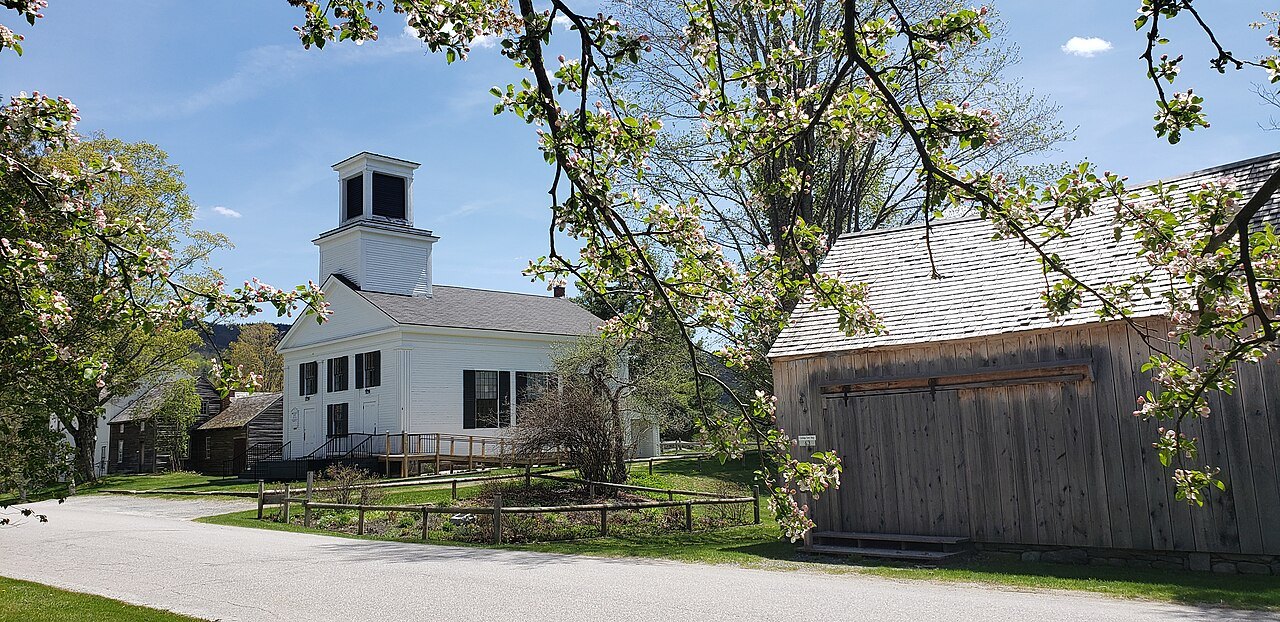
Calvin Coolidge, the thirtieth president of the United States, was born here on July 4, 1872, the only president born on Independence Day, and it was here, on a night in August 1923, that he took the presidential oath. The village is a short loop of buildings on a hill road, and most of it is as the Coolidges knew it.
The night of the oath
On August 2, 1923, President Warren G. Harding died unexpectedly of a heart attack while on a speaking tour of the western United States. Vice President Coolidge was visiting his family home in Vermont, a house with neither electricity nor a telephone, and heard the news from a messenger. His father, John Calvin Coolidge Sr., a notary public and justice of the peace, administered the oath of office in the family parlor by the light of a kerosene lamp, in the early hours of August 3. The new president then went back to bed.
He returned to Washington the next day and was sworn in again by Justice Adolph A. Hoehling Jr. of the Supreme Court of the District of Columbia, to remove any doubt about whether a state official could administer a federal oath.
The Homestead
The homestead was bought by Coolidge's father, John Coolidge, who expanded it from a simple one-and-a-half-story farmhouse to the size and appearance it has today. Calvin lived there from age four, in 1876, until 1887, when he left for Black River Academy. He later attended St. Johnsbury Academy and then Amherst College, and lived most of his adult life in Northampton, Massachusetts, but he often returned to visit his family.
His father refused to modernize the house, so it remains in the same condition, and in some cases with the same furnishings, as it was the night of the oath. The Inaugural Room itself is behind glass, but visitors can stand in an alcove and see the lamp, the Bible and the table used in the ceremony, all in their historic positions.
The man from the Notch
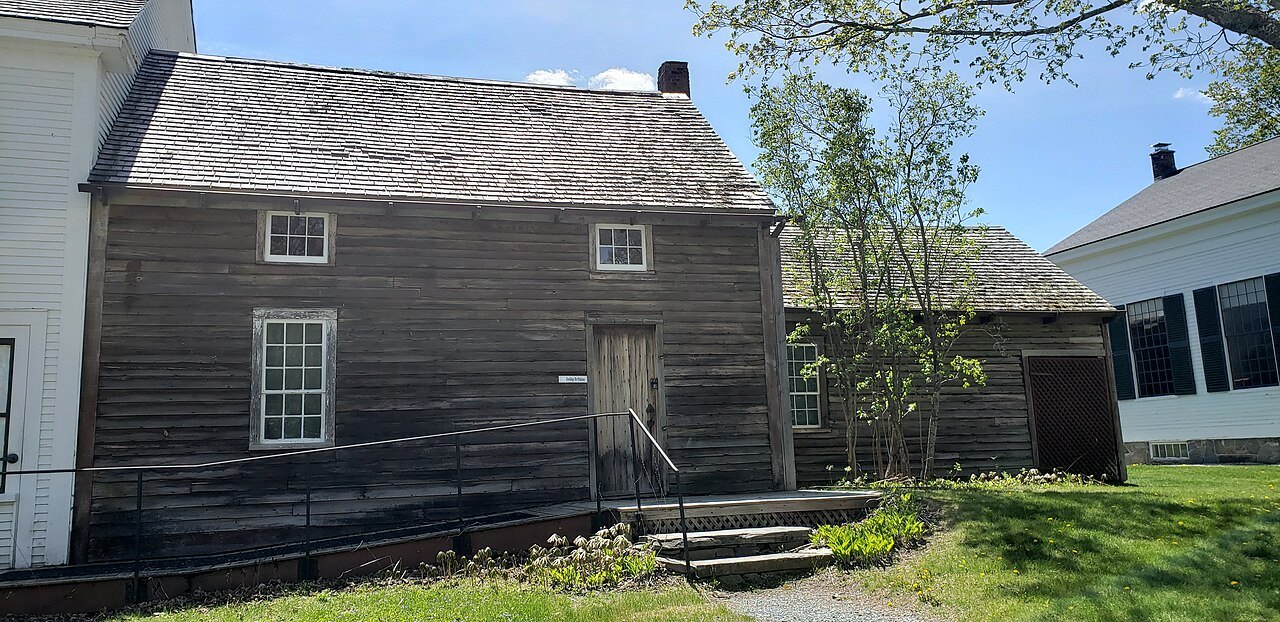
Calvin Coolidge, called Calvin from childhood, was the elder of two children of John Calvin Coolidge Sr. and Victoria Josephine Moor. He moved to Northampton, Massachusetts, at his father's urging after Amherst, apprenticed with a local law firm and entered Massachusetts politics. He served as governor of Massachusetts from 1919 to 1921, as vice president under Harding from 1921 to 1923, and as president from 1923 to 1929. His taciturn manner and dry humor earned him the nickname Silent Cal.
In the summer of 1927, on holiday in the Black Hills, he issued a terse statement that he would not seek another term: I do not choose to run for President in 1928. He died on January 5, 1933, and was buried in the cemetery at the Notch, not in Northampton, where his funeral was held.
What else the district holds
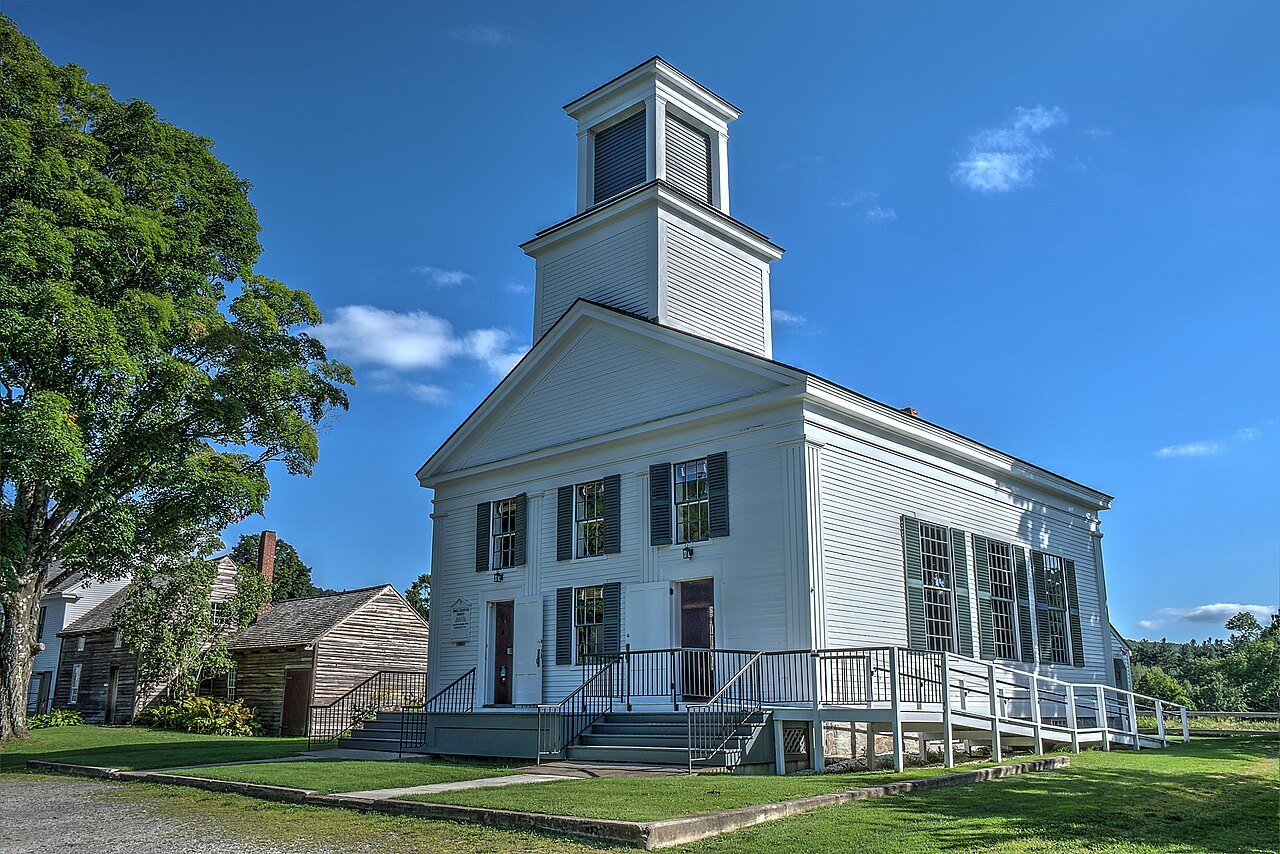
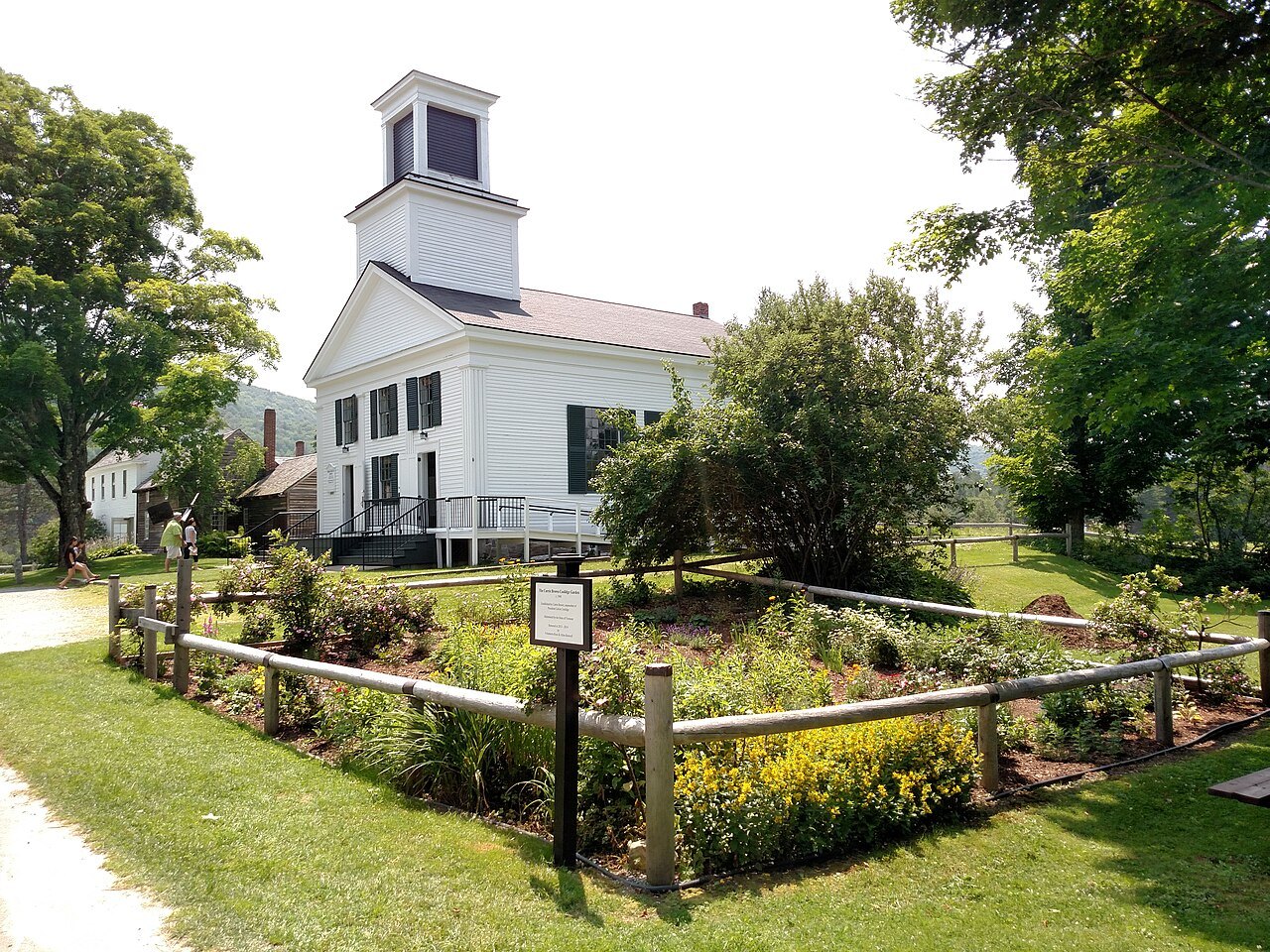
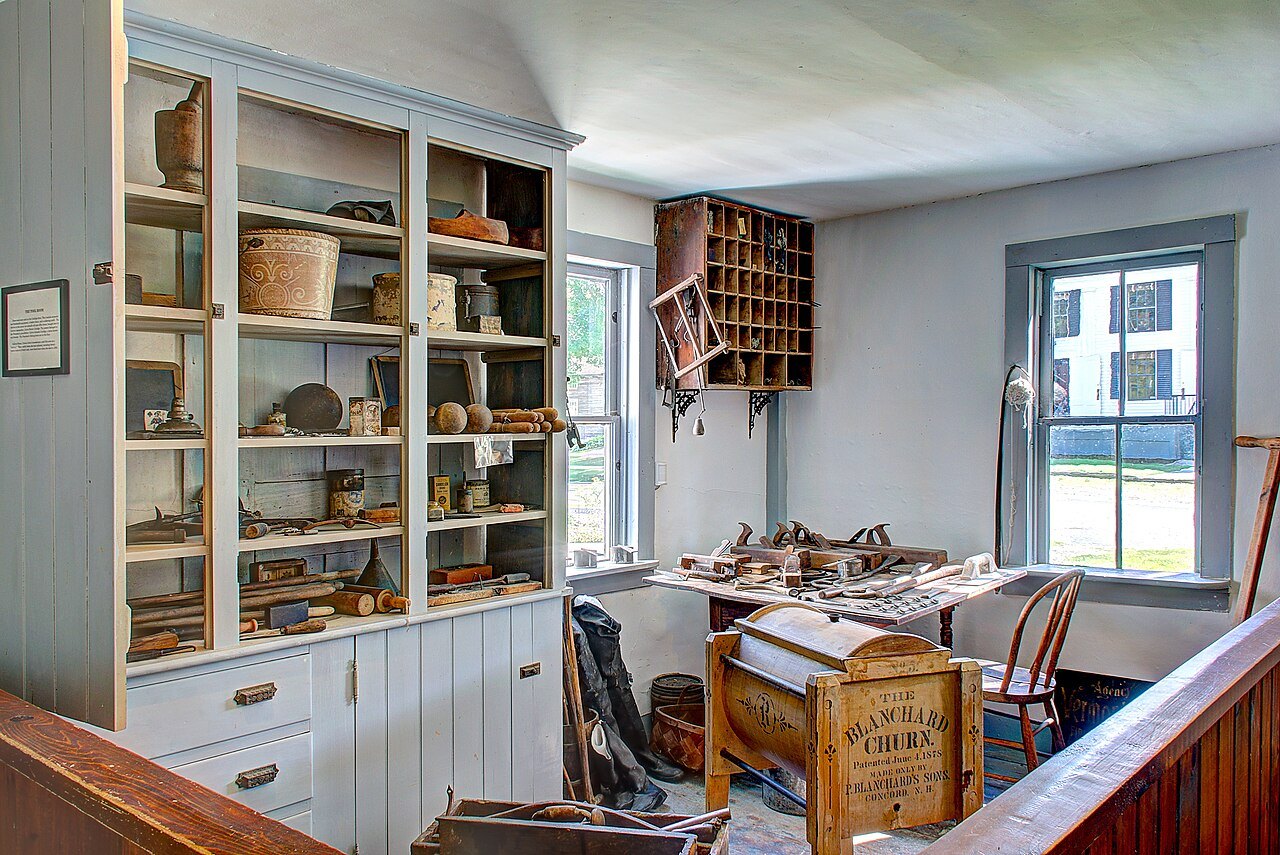
The Homestead District includes a visitor center, the Coolidge Homestead, a farmers' museum, the Wilder House and the Wilder Horse Barn, a one-room schoolhouse, and the Coolidge Farm Shop. The old Coolidge farmhouse and store building, later called Coolidge Hall, held the Florence Cilley General Store. John Coolidge ran the family store, which housed the post office in the 1920s, and his wife Carrie served as postmaster from 1903 to 1917.
The village also contains a restaurant and a general store. The cheese factory, which his father founded in 1890 as Plymouth Cheese, is still at work making artisan cheese, with a cheese-making museum upstairs in the factory building.
How to see the village
The district is compact, so the order matters less than the pace. Start at the visitor center, which stands among the museum buildings, and see the homestead and its parlor next. The farmers' museum, the Wilder House and its horse barn, the one-room schoolhouse and the farm shop follow naturally, and together they cover a farm, a school, a store and a post office, the working parts of a small Vermont village.
Leave time for the cheese factory, whose upstairs museum explains the work, and for the old store, which held the village post office in the 1920s; Carrie Coolidge had served as its postmaster from 1903 to 1917. The restaurant and the general store in the village are the places to stop.
Notch Cemetery
Coolidge is buried in the Plymouth Notch Cemetery, not far from the homestead, along with seven generations of Coolidges. His grandfather, Calvin Galusha Coolidge, served in the Vermont legislature. A visitor to the village is walking through the places where three generations of one family farmed, ran a store, held local offices and made cheese.
Planning the visit
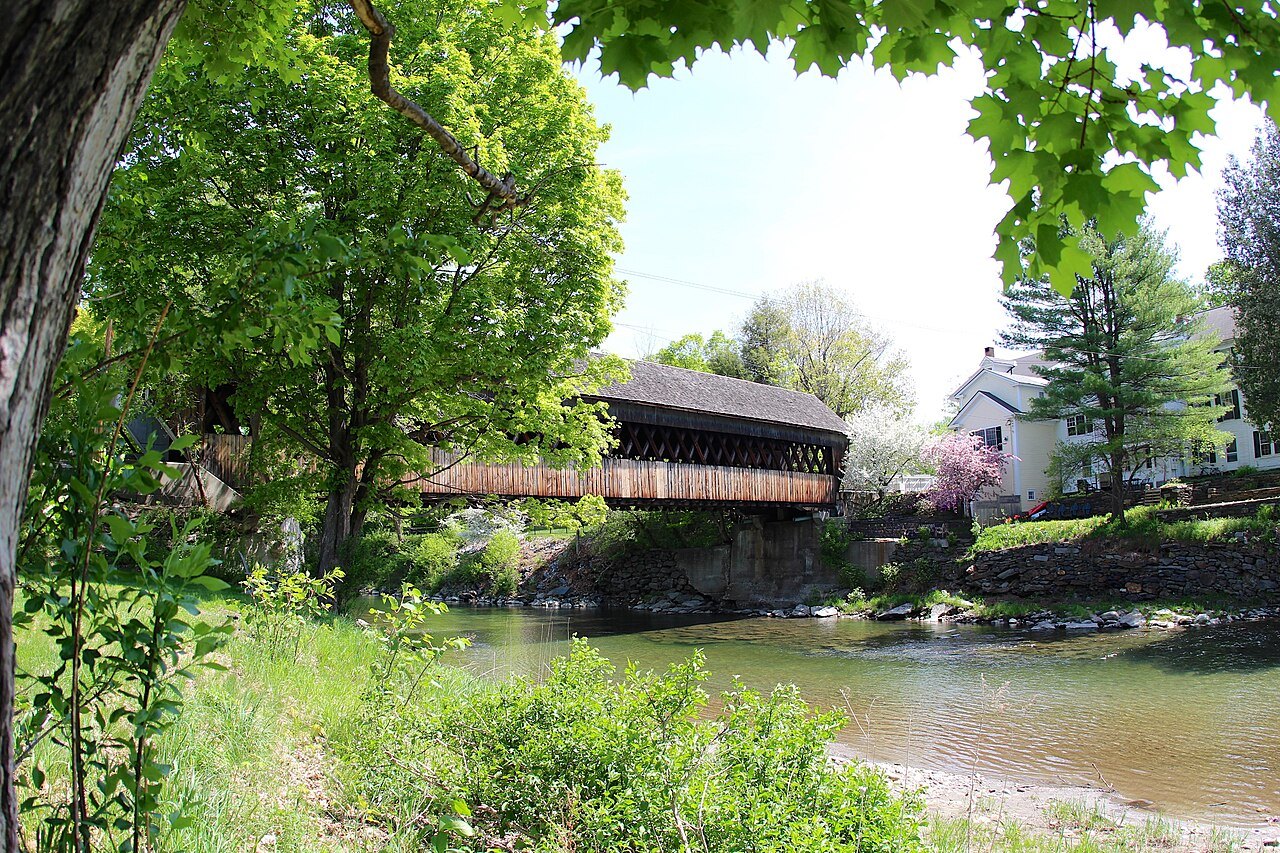
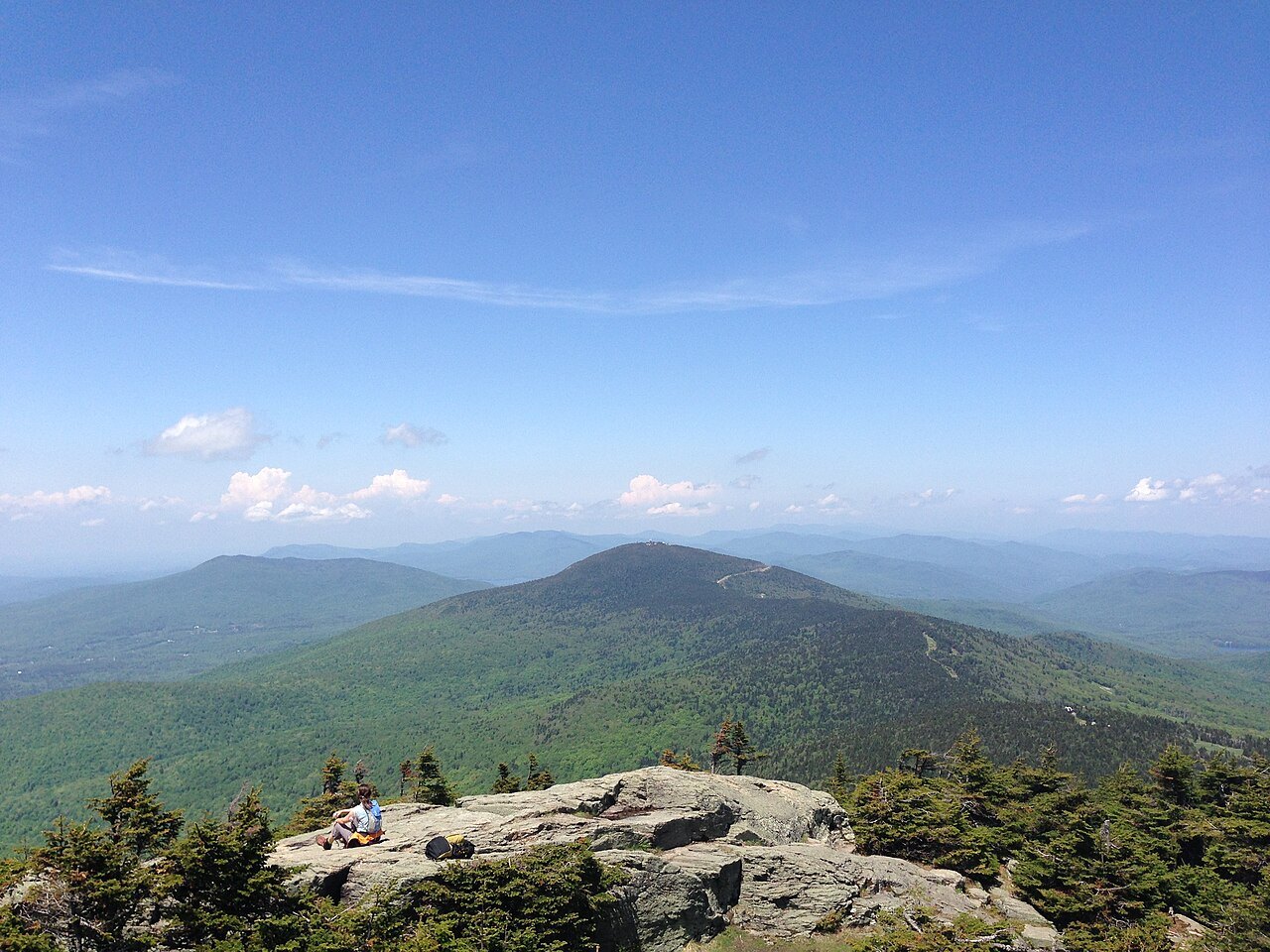
The village belongs to Windsor County, and the town of Plymouth covers about 48 square miles of hill country. It combines naturally with the nearby village of Woodstock and the Marsh-Billings-Rockefeller park, with the ski mountain at Killington, and with the covered bridges along the river valleys.
Check the state historic site's own information before traveling, because the museum buildings keep seasonal arrangements, and allow a half day for the homestead, the cheese factory and the cemetery. Few places in the state make so much of the life of a single family so easy to follow on foot.