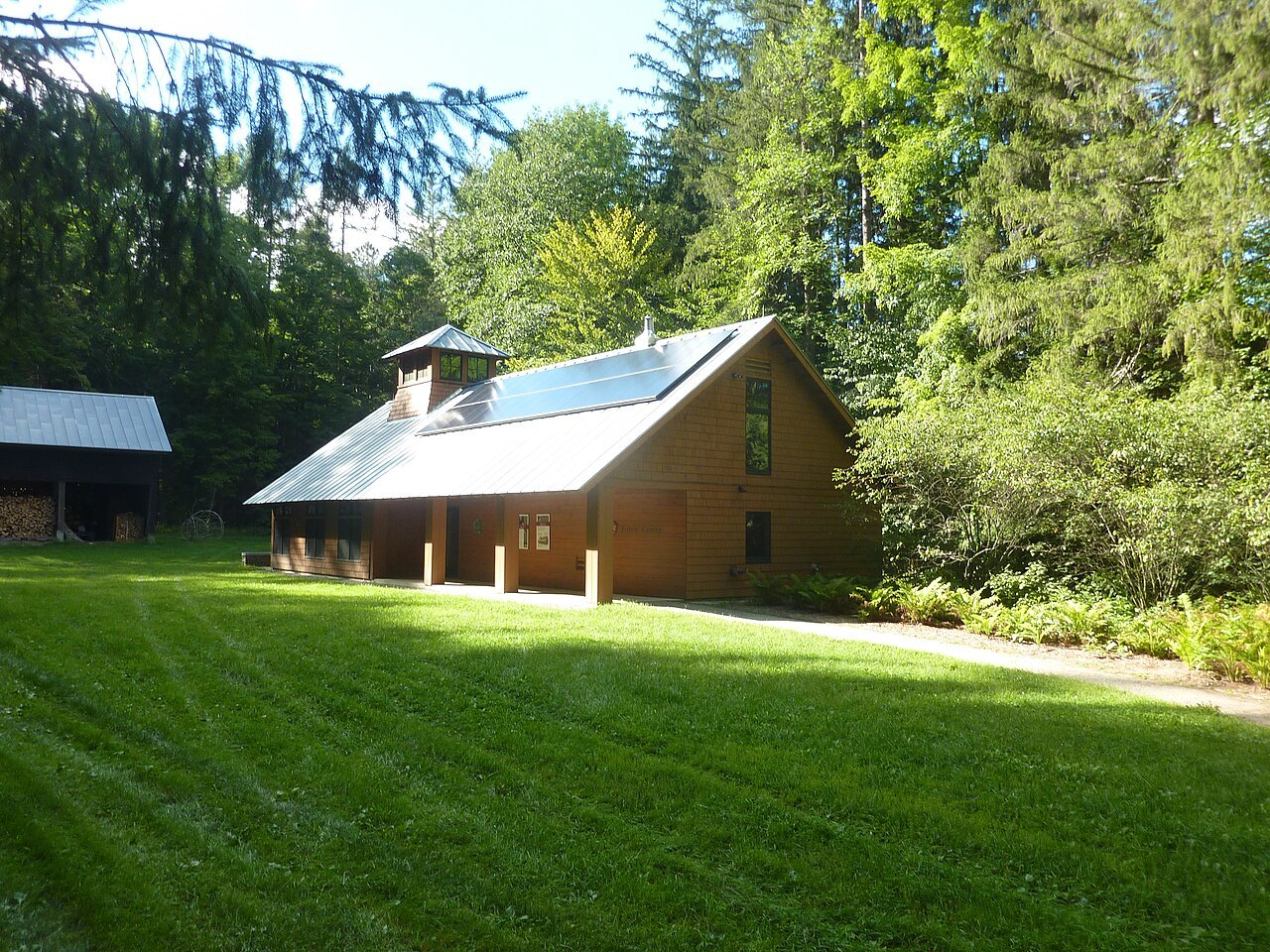
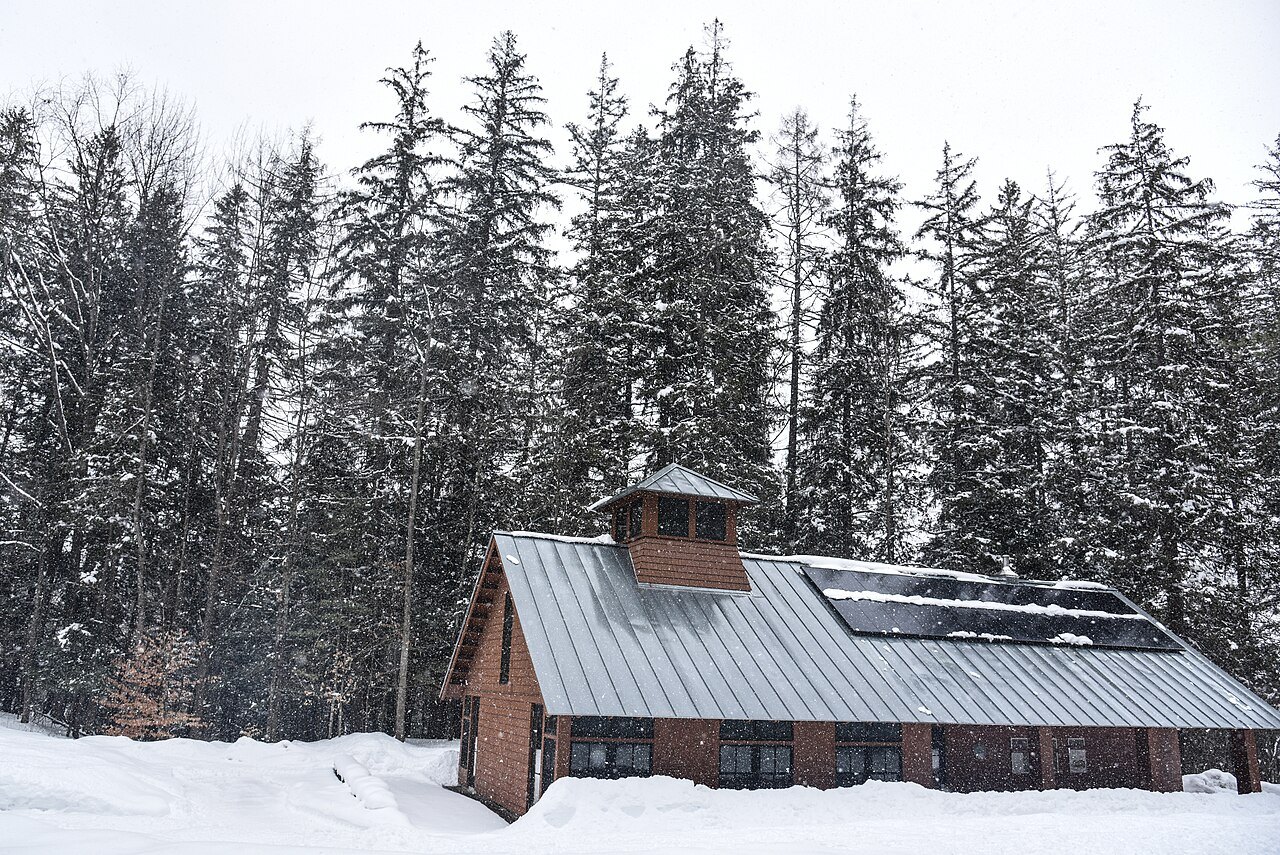
Marsh-Billings-Rockefeller, a national park about stewardship of the land
Photographs: Harvey Barrison from Massapequa, NY, USA, Wikimedia Commons, CC BY-SA 2.0 · Jack and Dianne, Wikimedia Commons, CC BY-SA 2.0 · NPS Photo, Wikimedia Commons, Public domain
The Valleys and Villages · landmark 9 of 15
The only national park unit in Vermont besides a stretch of the Appalachian Trail preserves a Queen Anne mansion, the managed forest planted around it and the home of the man who wrote the book on conservation.
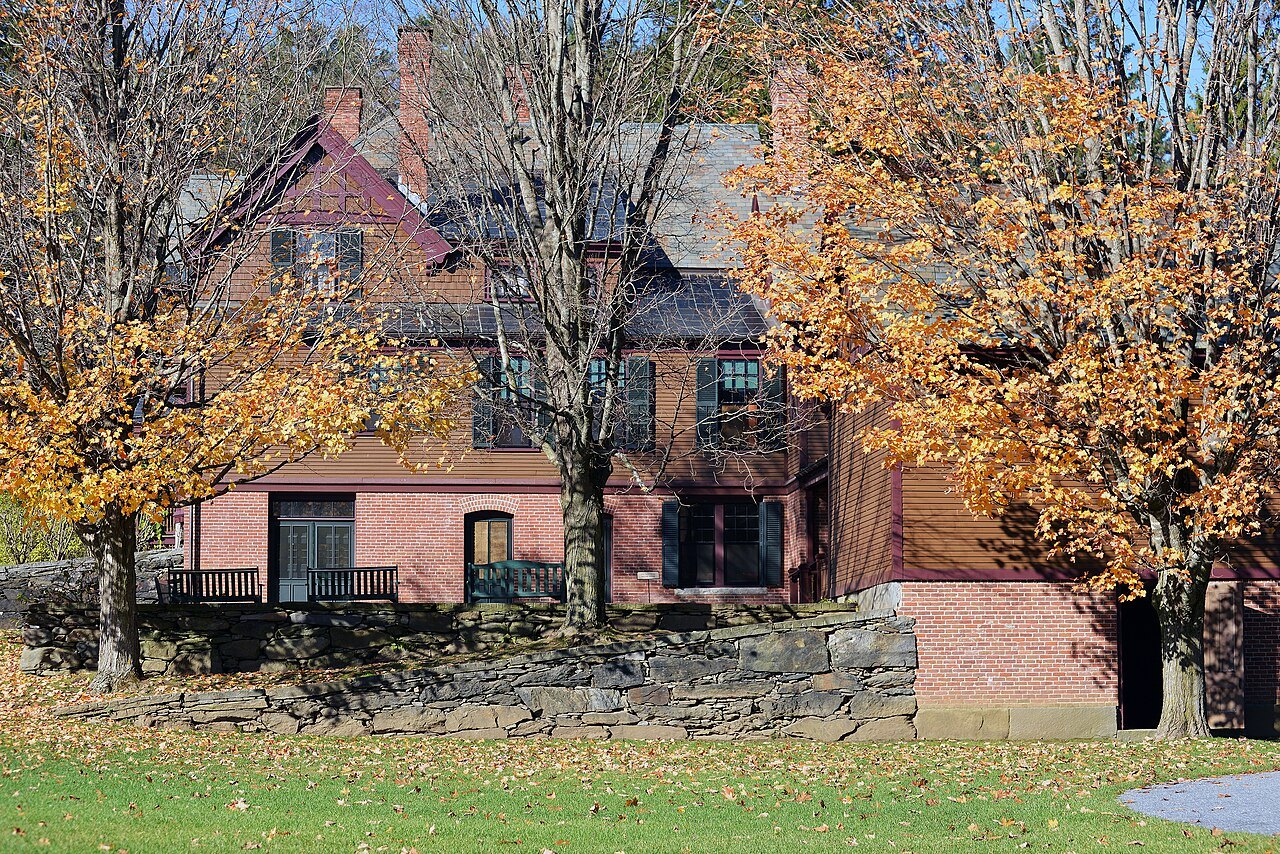
- The mansionBuilt in 1805 as a Federal house and rebuilt as Queen Anne in the 1870s; a National Historic Landmark.
- The carriage roadsFourteen miles of roads Frederick Billings built through the uplands, now trails.
- The conservation landscapeMore than 600 acres of managed forest running up the hillside to a pond.
- Billings Farm & MuseumA working farm and heritage museum across Route 12, on land that belonged to the Billingses.
- Man and NatureThe 1864 book by George Perkins Marsh that laid a foundation for American conservation.
Why it matters
Marsh-Billings-Rockefeller National Historical Park lies just northwest of the village of Woodstock, on the west side of Vermont Route 12. It is the only unit of the National Park System in Vermont, apart from a portion of the Appalachian Trail. Its centerpiece is the George Perkins Marsh Boyhood Home, also called the Marsh-Billings House or the Marsh-Billings-Rockefeller Mansion, and the story it tells is about how Americans came to think of land as something to be looked after.
The estate covers 550 acres, with a conservation landscape of more than 600 acres stretching up the hillside to the west. In 2020 the park was chosen for Vermont's America the Beautiful quarter.
George Perkins Marsh
Charles Marsh, a prominent Vermont lawyer, built the core of the house in 1805 as a fairly typical two-story, five-bay Federal house, and raised his family in it. His son George Perkins Marsh was born elsewhere in Woodstock in 1801 and grew up here before leaving for college at sixteen. He followed his father into law and politics, won election to Congress in 1834 as a Whig, and received diplomatic appointments from Presidents John Tyler and Abraham Lincoln.
Between the 1830s and the 1860s he developed a philosophy of land stewardship. In 1864 he published Man and Nature, or the Physical Geography as Modified by Human Behavior, updated in 1874, which gave a historical account of the decline of earlier societies for lack of stewardship and called for steps to preserve the natural environment. It laid the foundation of the conservation movement in the United States.
Marsh had a wider career than the book alone suggests. He practiced law in Burlington and served as a Whig in Congress from 1843 to 1849. President Zachary Taylor appointed him minister resident in the Ottoman Empire in 1849, and in 1861 President Lincoln made him the first United States minister to the Kingdom of Italy, a post he held for twenty-one years until his death, the longest service of any chief of mission in American history.
He was also a gifted linguist, fluent in Swedish and more than twenty other languages, and in the 1850s he was one of the commissioners appointed to rebuild the State House in Montpelier. His argument in Man and Nature was that deforestation could turn once-lush land into desert, and that the welfare of future generations should guide how resources are managed.
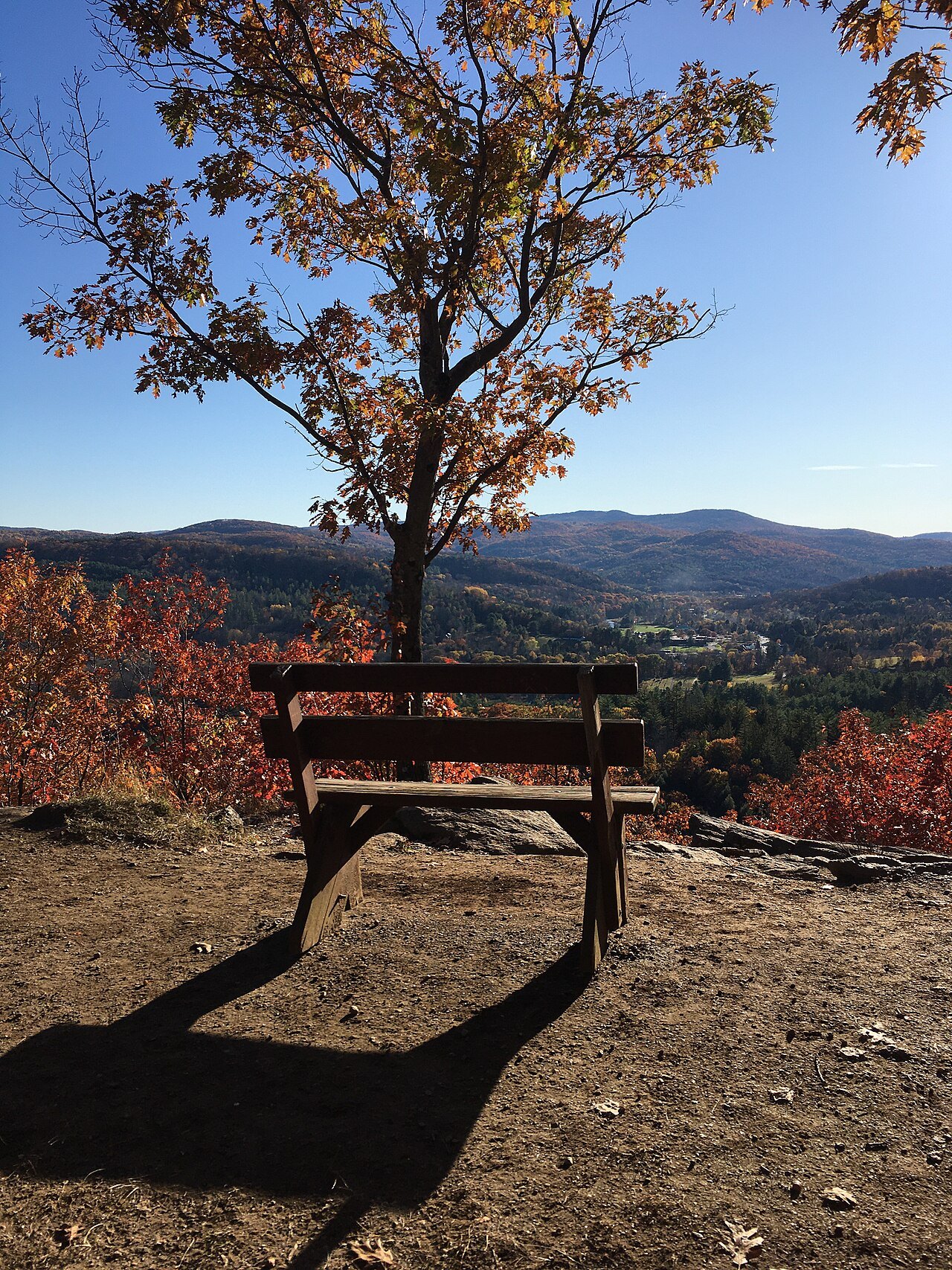
Frederick Billings
In 1869 the Marsh estate, then 246 acres, was bought by Frederick H. Billings, a native of Royalton, Vermont, who had made a fortune as a lawyer handling land claims in the California Gold Rush and became a founding partner of the Northern Pacific Railroad, serving as its president from 1879 to 1881. The city of Billings, Montana, is named for him. Billings read Man and Nature and set out to put its ideas into practice on his own land.
Between 1869 and 1881 he commissioned two enlargements of the house, the first adding a wing and a mansard roof and the second, designed by Henry Hudson Holley, making the building into the elaborate Queen Anne Victorian it is today. He established what he considered a model farm on the property, which is now the adjacent Billings Farm & Museum, and built fourteen miles of carriage roads through the upland sections of the estate.
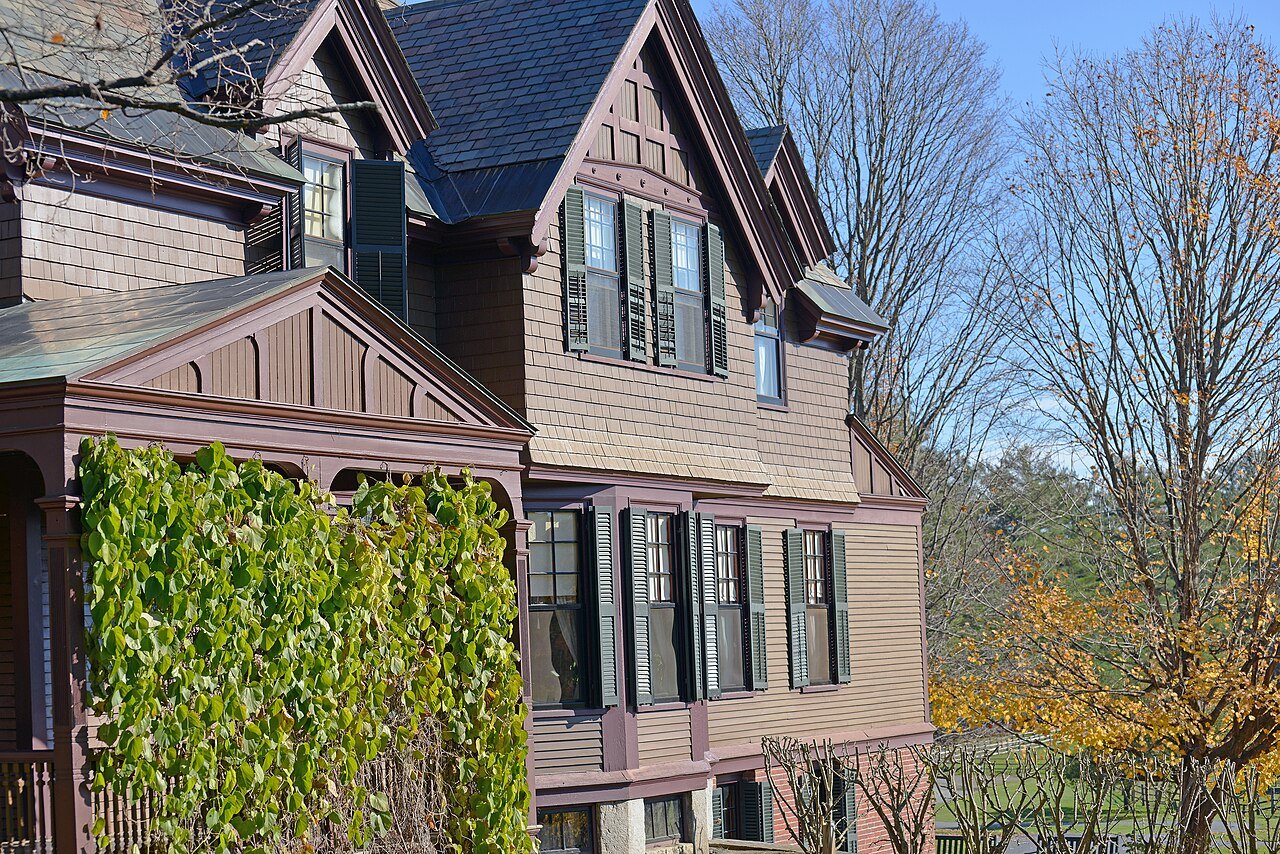
The Rockefellers and the park
The next major owners were Mary French Rockefeller, Billings' granddaughter, and her husband Laurance Rockefeller, an influential conservation adviser to several presidents. They gave the house and the upland property to the people of the United States in 1992, the year the park was established. The house and 40 surrounding acres had been designated a National Historic Landmark in 1967, for their association with Marsh and Billings and for the architecture, judged a particularly fine and imposing example of Queen Anne style. The park also preserves the managed forest and the progressive dairy farm Billings established.
In August 2005 the park received the first Forest Stewardship Council certification of a United States national park, granted by the Rainforest Alliance's SmartWood program, which made it only the second federal land certified for sustainable forest management.
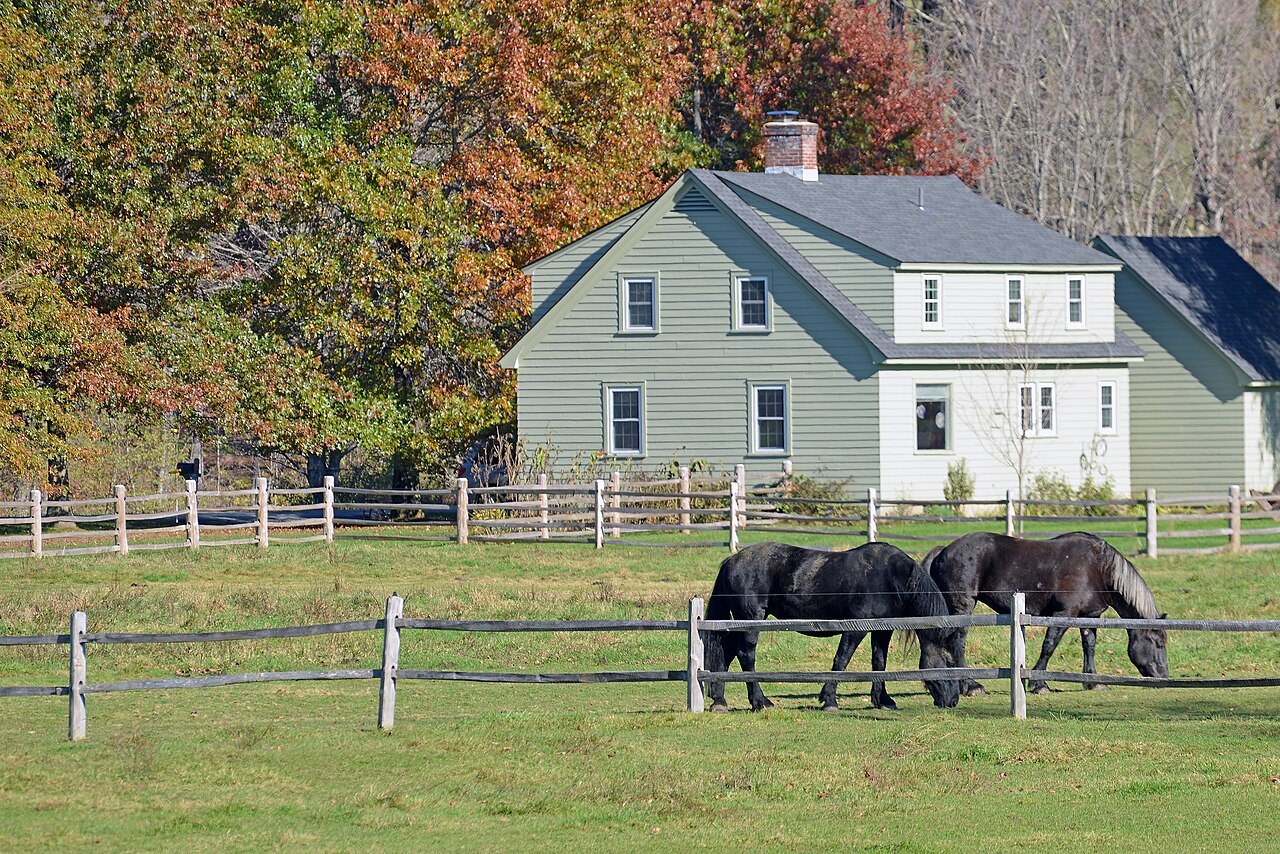
What there is to see
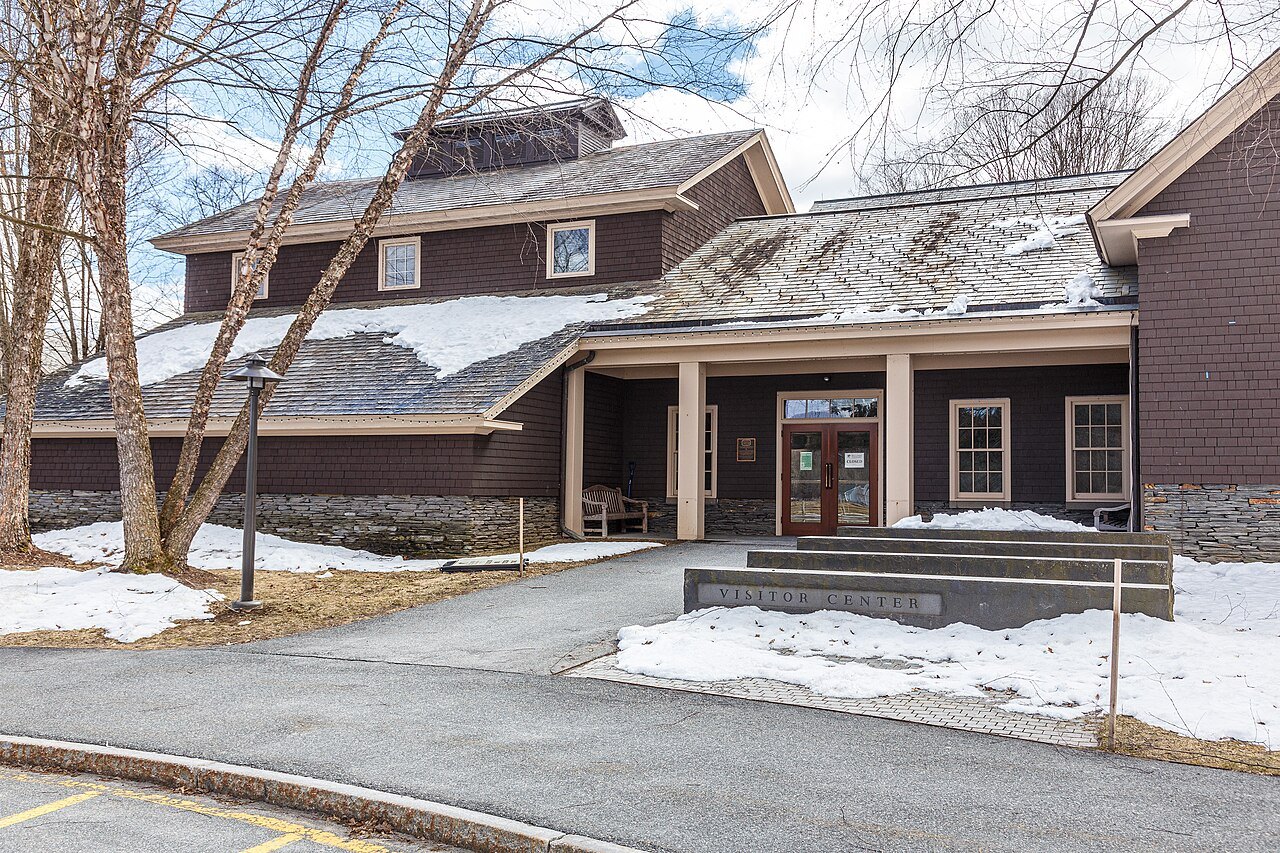
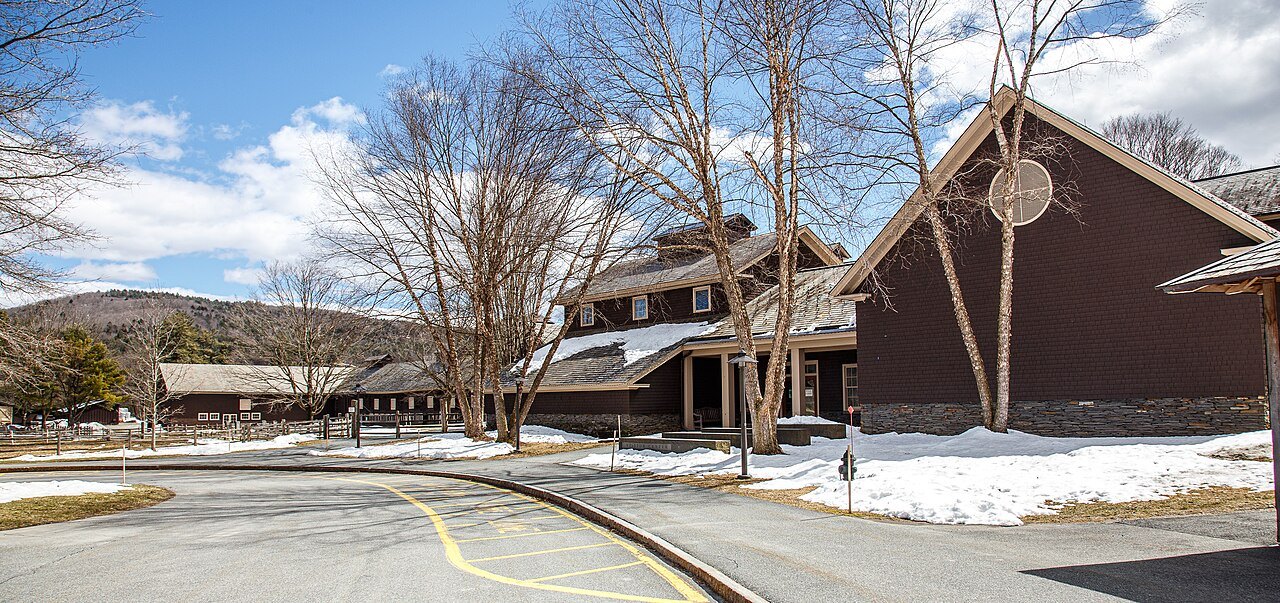
The area nearest the road is a landscaped lawn around the mansion. Parking for the park and for the farm is on the east side of Route 12, and National Park Service staff attend visitors at the farm's visitor center and at one on the park grounds. Guided tours of the house show landscape paintings, among them a significant collection from the Hudson River School, and tours are limited in size, so reservations are recommended.
Opposite the park, on the east side of the road, Billings Farm & Museum is a working farm and heritage museum. Up the hillside, carriage roads and trails cross a range of ecosystems and landscapes. A pond sits near the center of the high valley, several viewpoints can be reached from the trails, and the property extends west all the way to Prosper Road, where a trailhead serves the western parts of the park.
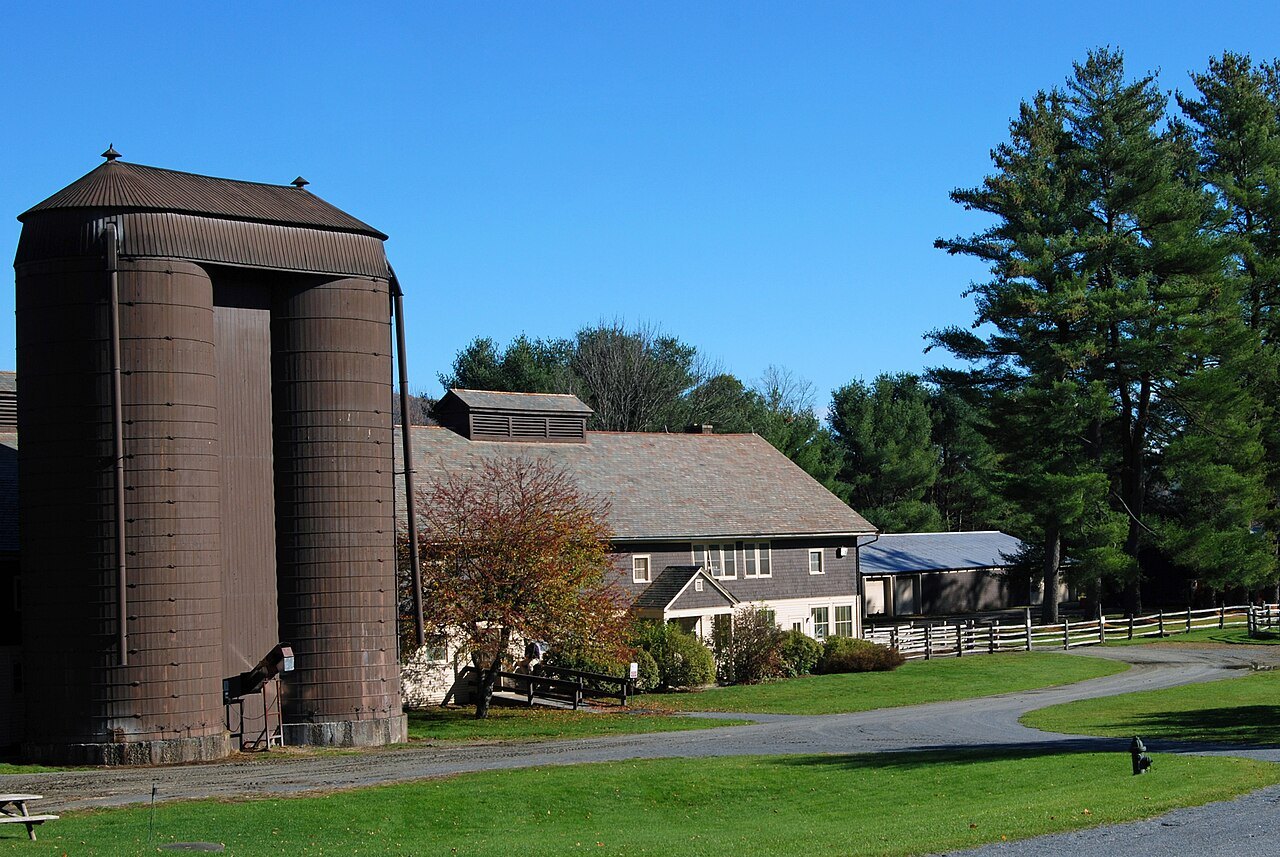
Pairing it with Woodstock
The park is a short drive or a longer walk from the village green, and it fits naturally into a day in Woodstock. For a wider view of the Connecticut River side of the state, see the covered bridges on the covered bridges page, and for the quarry town that built much of Vermont's stonework, see Barre.