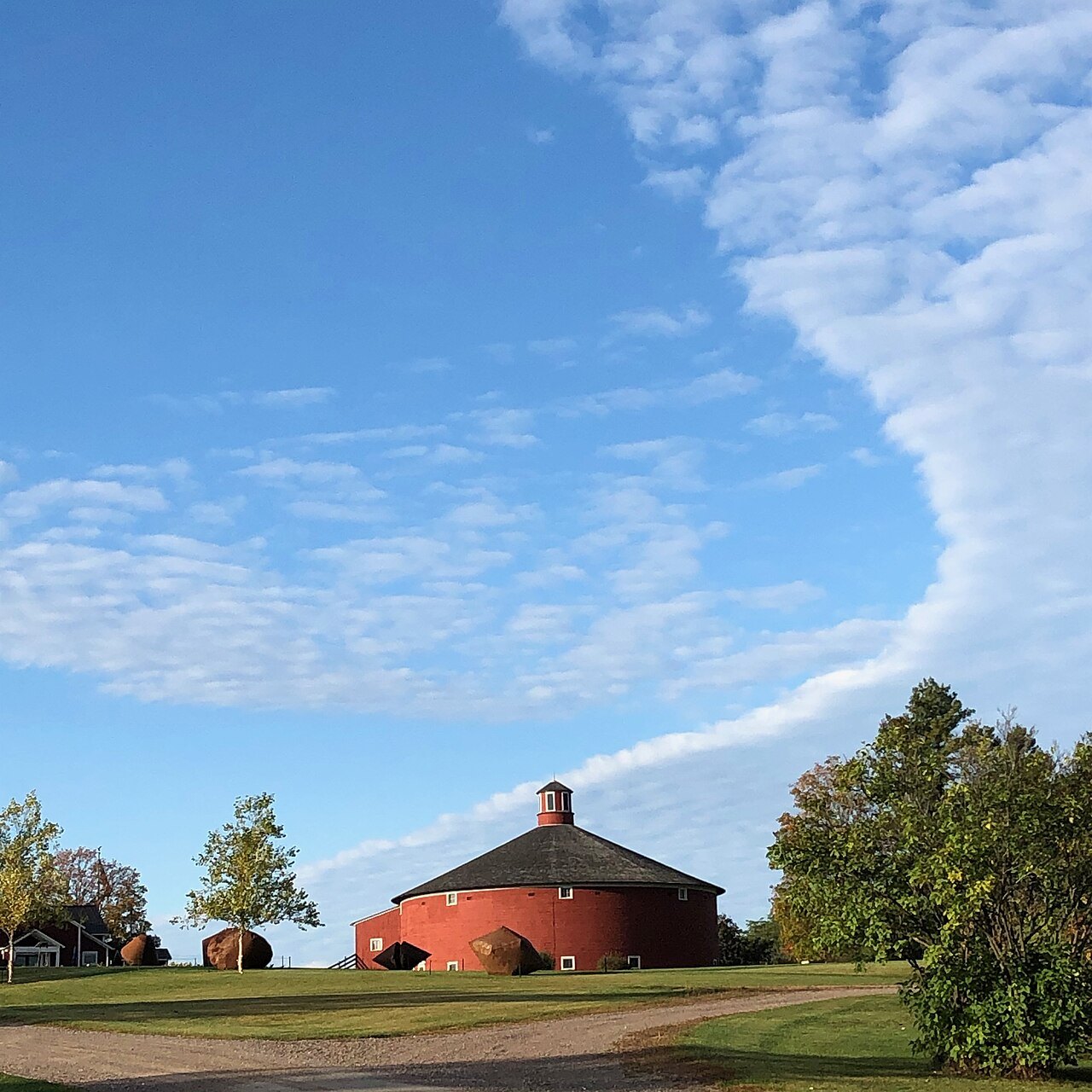
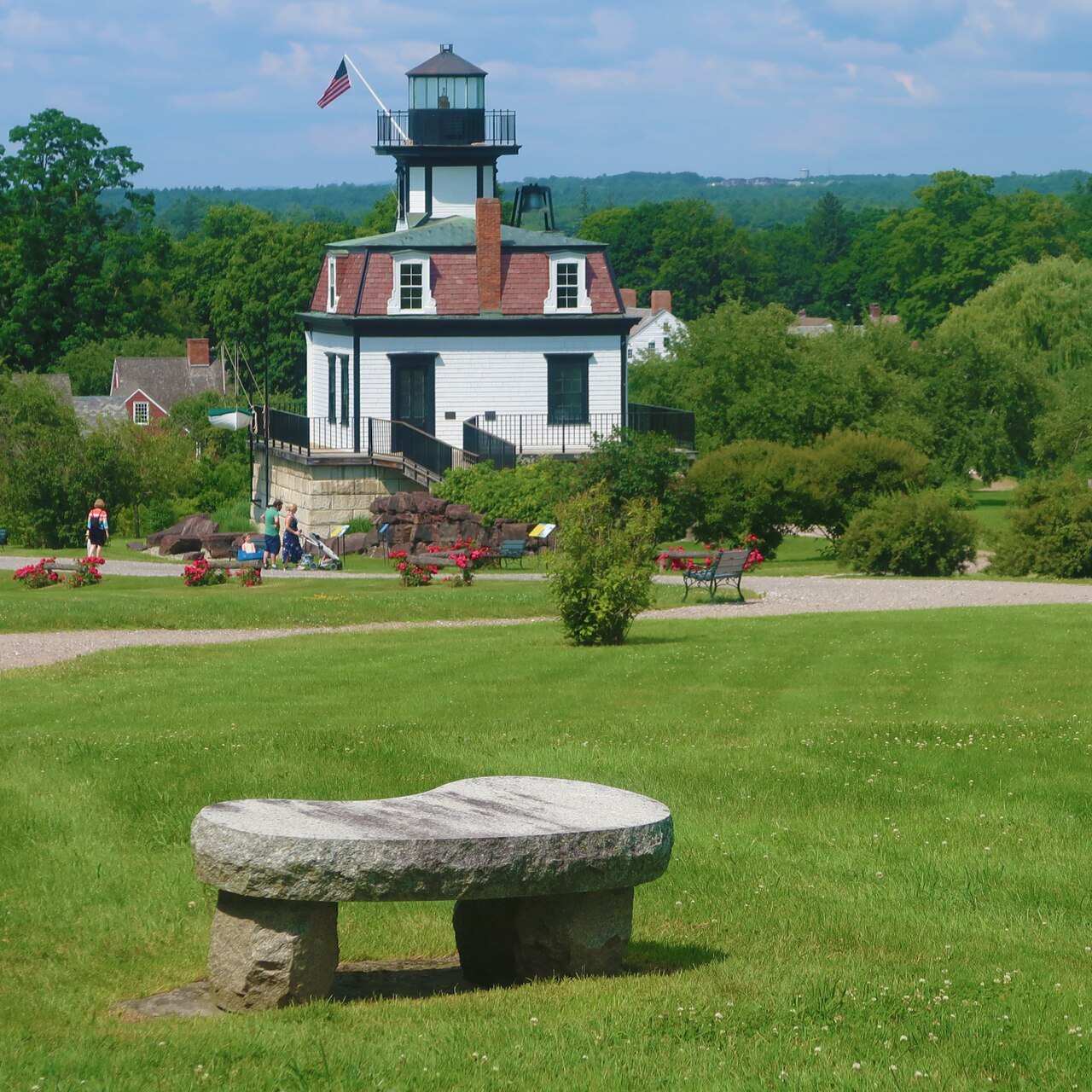
What is Shelburne Farms, and who built it?
Photographs: John Phelan, Wikimedia Commons, CC BY-SA 3.0 · NRavenel, Wikimedia Commons, CC BY-SA 4.0 · Jim Griffin, Wikimedia Commons, CC0
The Journal · Shelburne Museum
How a Vanderbilt-funded model farm beside Lake Champlain became a nonprofit teaching landscape of fields, forest and dairy.
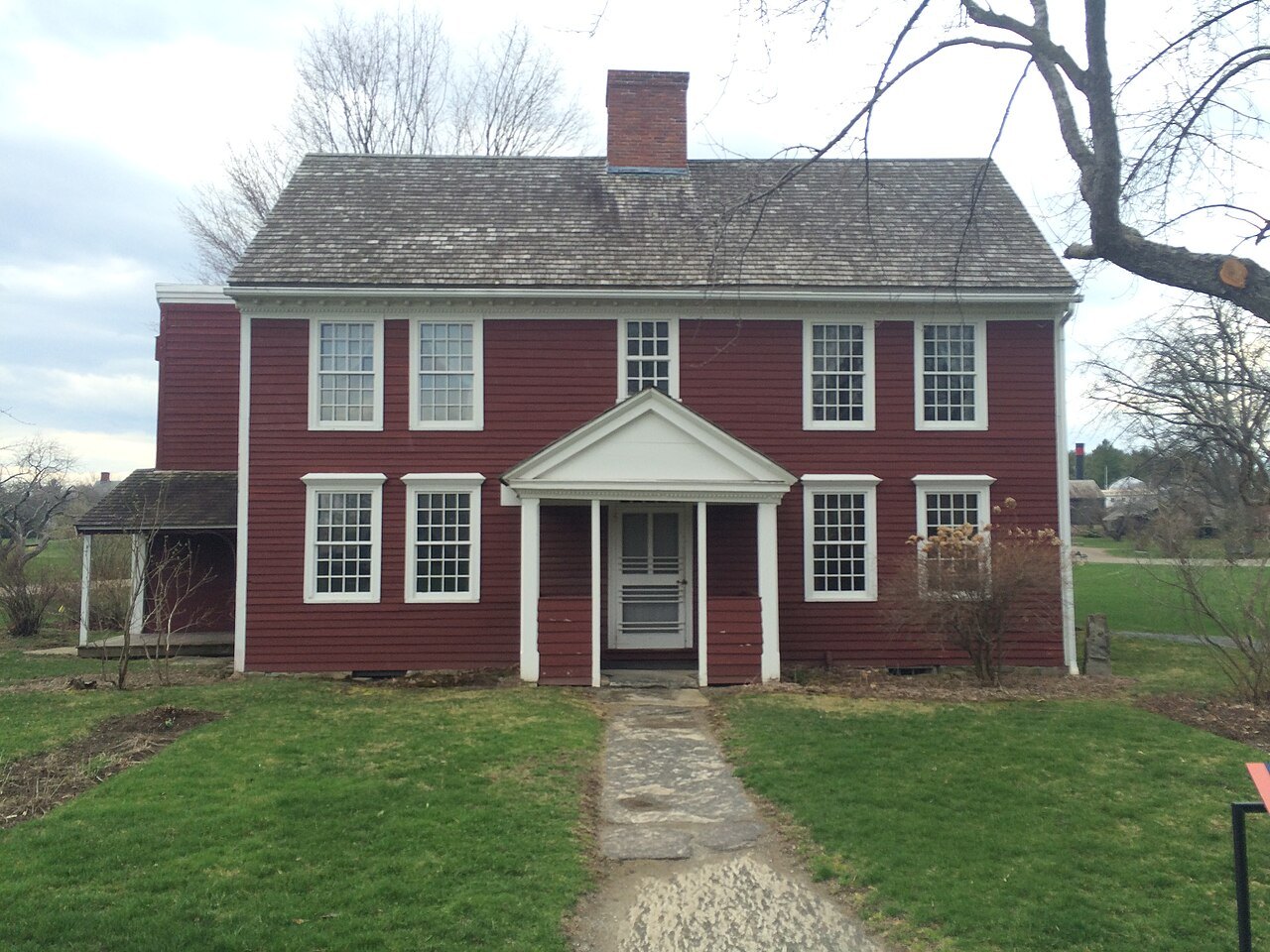
A working farm with Gilded Age roots
Shelburne Farms occupies the Vermont shore of Lake Champlain, a 1,400-acre working farm that is also a National Historic Landmark and a nonprofit education center for sustainability. It sits close to the Shelburne Museum, and the two are described together as two faces of one history: a museum built from decades of collecting American folk art, and a farm built more than a century ago as a model of modern agriculture. The two are often visited on the same trip.
The farm is not just a group of grand buildings to look at from outside. It keeps a working herd of purebred Brown Swiss cows, numbering about one hundred twenty-five, raised on a grass-based dairy system, whose milk is made into farmhouse cheddar on the property. Fields, forests and lake frontage span the estate's full acreage, and the grounds are managed as working farmland and forest, not simply preserved as a historic backdrop.
Nearly four hundred acres of the estate's woodland earned certification from the Forest Stewardship Council in 1998, a mark of sustainable forest management that reflects the farm's present mission as much as its past as a private estate. That mission, education for sustainability, is carried out across the whole property, not confined to a single visitor center or exhibit building.
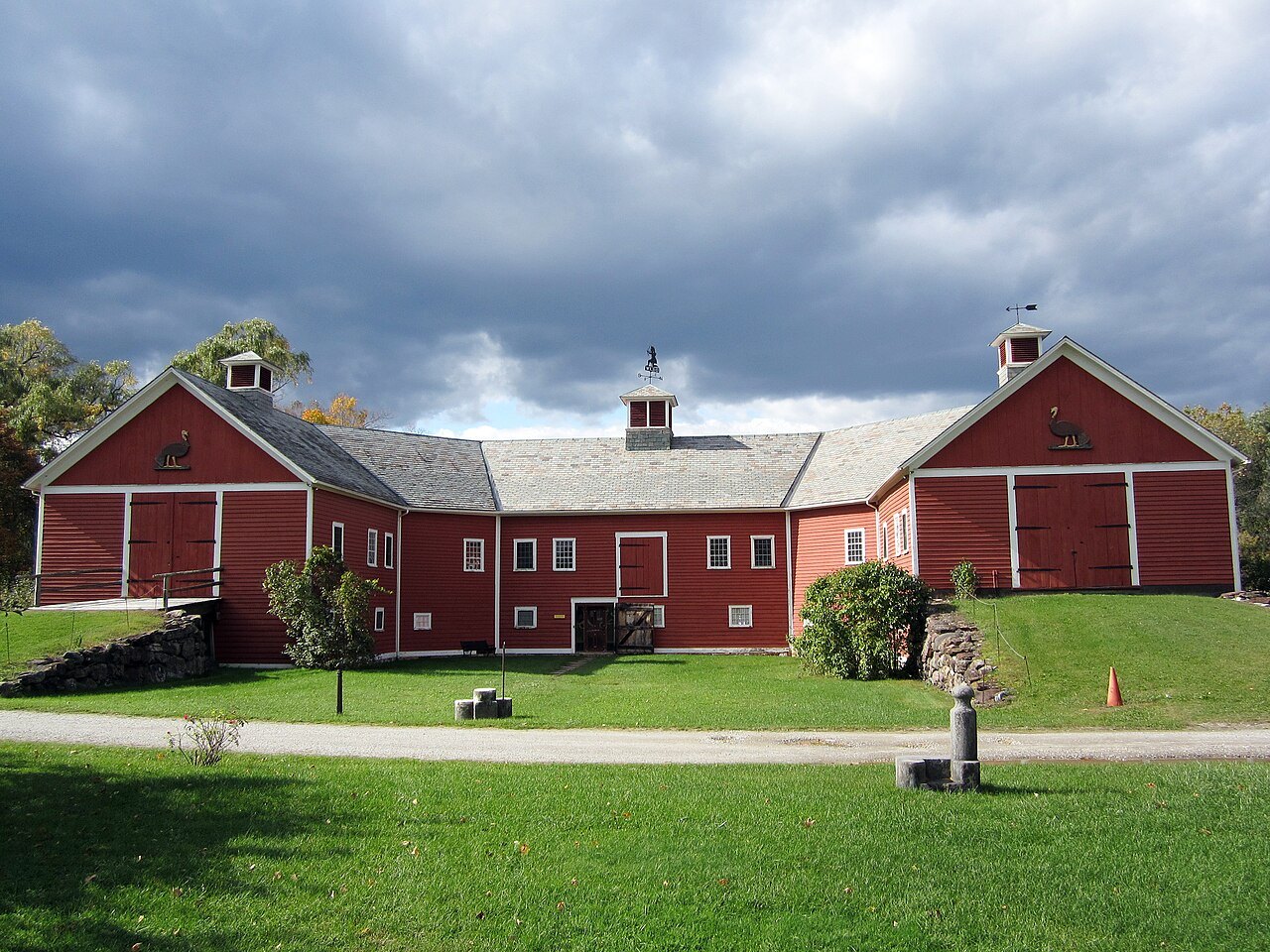
William Seward Webb and Eliza Osgood Vanderbilt Webb
Shelburne Farms was created in 1886 by Dr. William Seward Webb and his wife, Eliza Osgood Vanderbilt Webb, who used money inherited from her family's railroad fortune to build what they intended as a model agricultural estate. The scale of the undertaking was unusual even for the Gilded Age: thousands of acres were bought up, consolidated and reshaped into a single working landscape of farm, field, forest and formal grounds along the lake.
To design the estate the Webbs turned to two of the most accomplished professionals of the era. Frederick Law Olmsted, the landscape architect, was commissioned to lay out the grounds, which eventually spanned 3,800 acres of farm, field and forest. Robert Henderson Robertson, a New York architect, was hired to design the buildings themselves, giving the farm buildings a formal, considered character rather than a purely utilitarian one.
The result was meant to demonstrate that a large estate could be both a gentleman's country seat and a productive farm, raising livestock and crops under careful management while also functioning as a showpiece of landscape design. That dual purpose, working farm and designed estate, still defines Shelburne Farms, which continues to farm commercially while presenting its grounds and history to visitors.
Assembling the estate
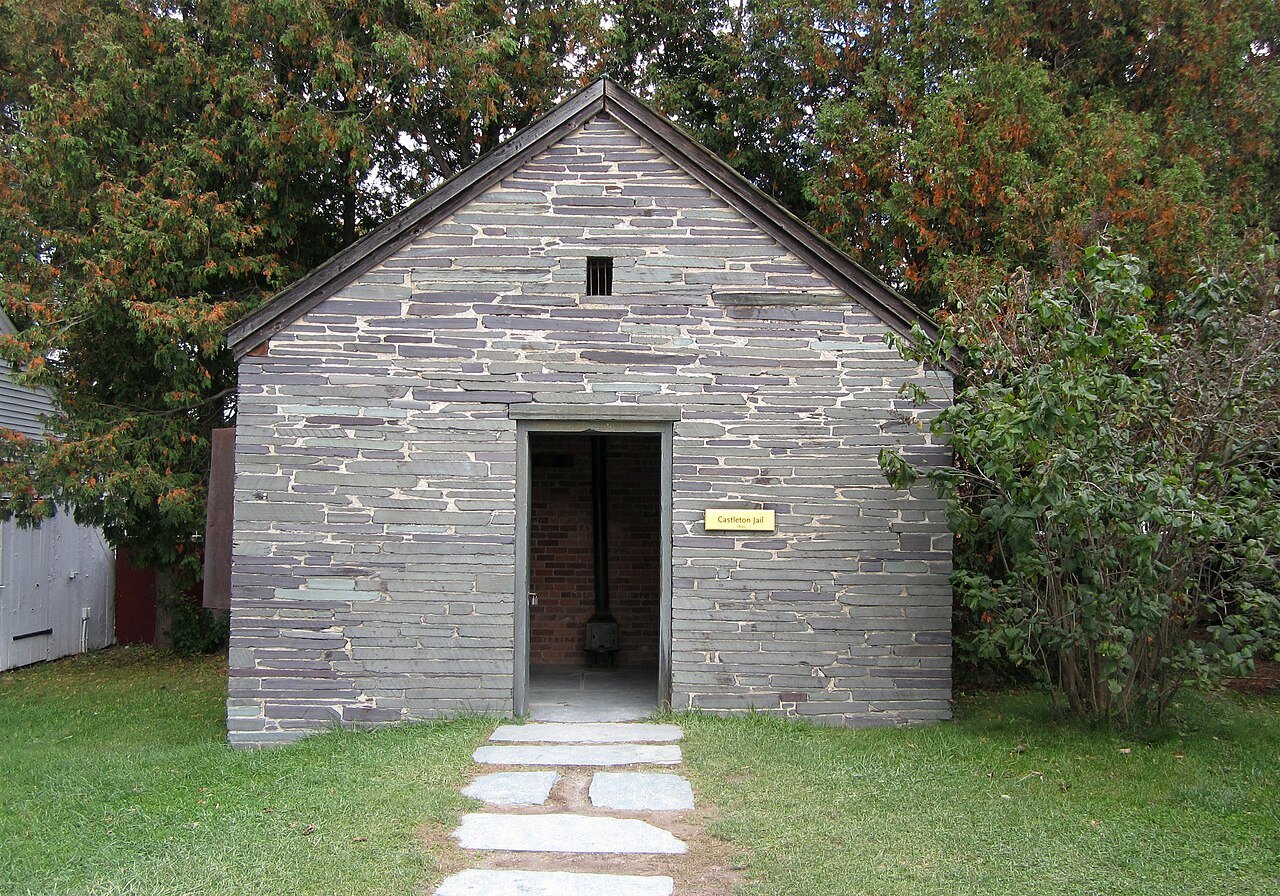
Building an estate of this size meant buying up many smaller, mostly agricultural properties around Shelburne and combining them into one continuous landscape. Existing roads and lanes on these properties were adapted to the new estate's plan, and some public ways that crossed the land were closed after the Webbs petitioned local authorities, a reminder that a private estate of this scale could reshape the public roads of a whole area.
Olmsted's design organized the resulting 3,800 acres into farmland, pasture and forest, built around the natural shape of the land along Lake Champlain rather than layered artificially over it. The approach reflects Olmsted's broader career designing public parks and private estates, where a landscape was shaped deliberately rather than simply left as found.
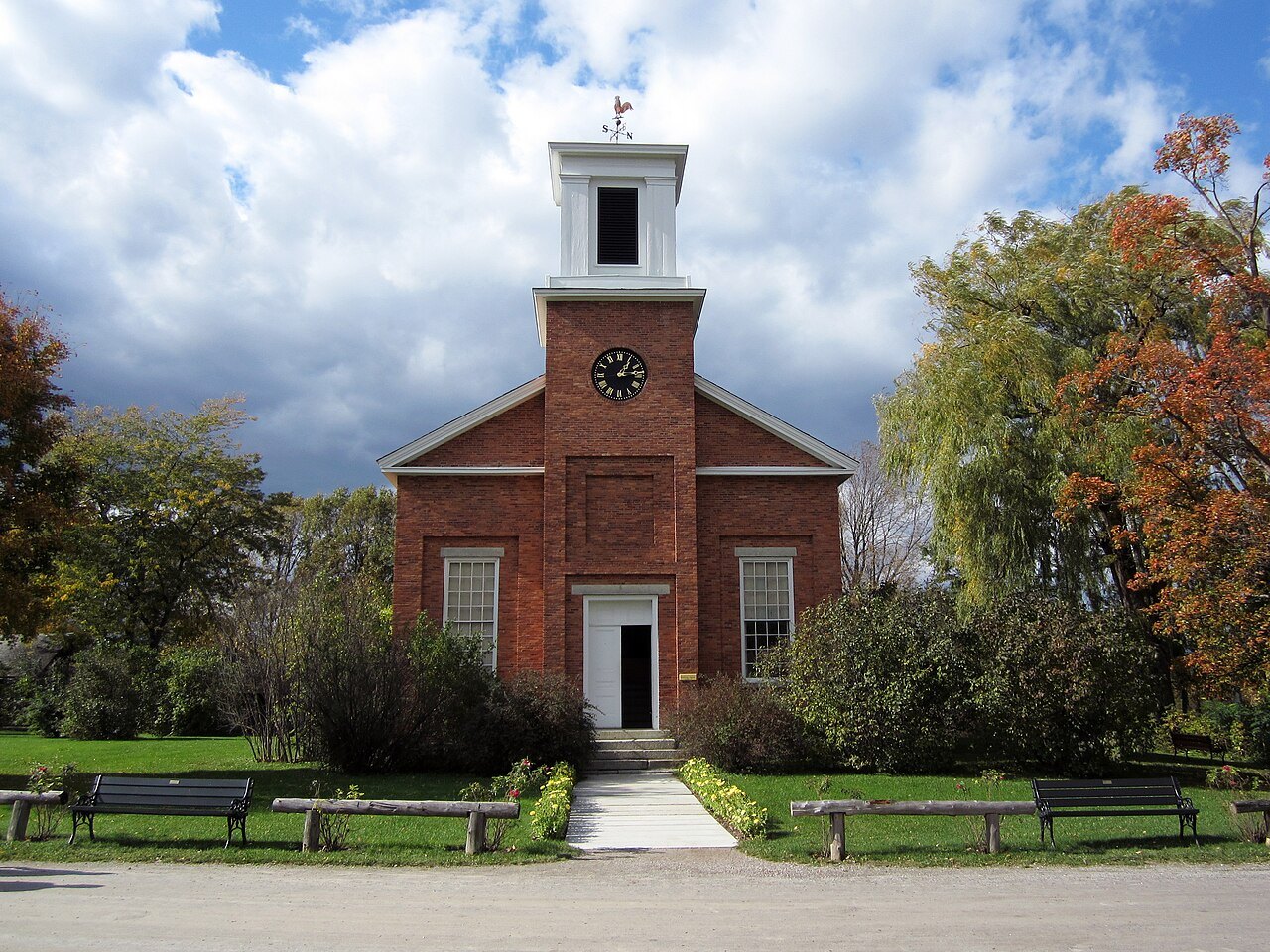
Visitors walking or driving the grounds today are moving through that nineteenth-century plan, even where the land now serves the farm's modern programs in education and sustainable agriculture rather than purely scenic display. The lake shore itself, part of the estate's frontage, remains close to much of the route through the property.
Recognition and status
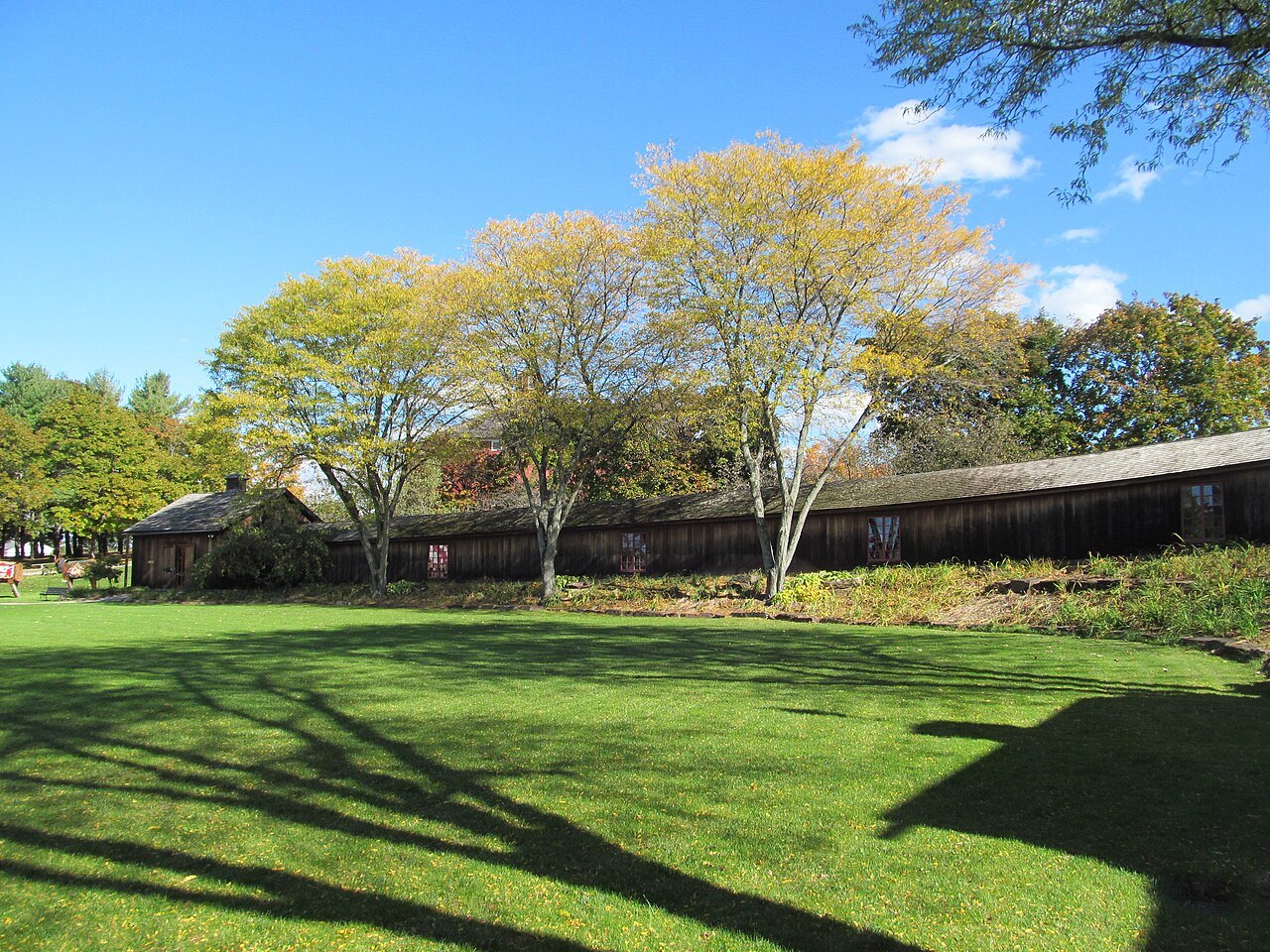
Shelburne Farms was listed on the National Register of Historic Places in 1980, a formal recognition of its architectural and landscape significance, and in 2001 it was designated a National Historic Landmark District, a higher level of federal recognition reserved for places of exceptional historic value. Both designations describe the farm's buildings, landscape and historical role, and visitors should check with the farm directly for current information about visiting and access.
The estate passed from a private Gilded Age enterprise to a nonprofit mission in 1972, when descendants of the Webb family incorporated it as a nonprofit educational organization. That change set the direction the farm has followed since: an organization built around education for sustainability, operating a working farm and historic buildings as teaching tools rather than as a private residence, while keeping the land in agricultural use.
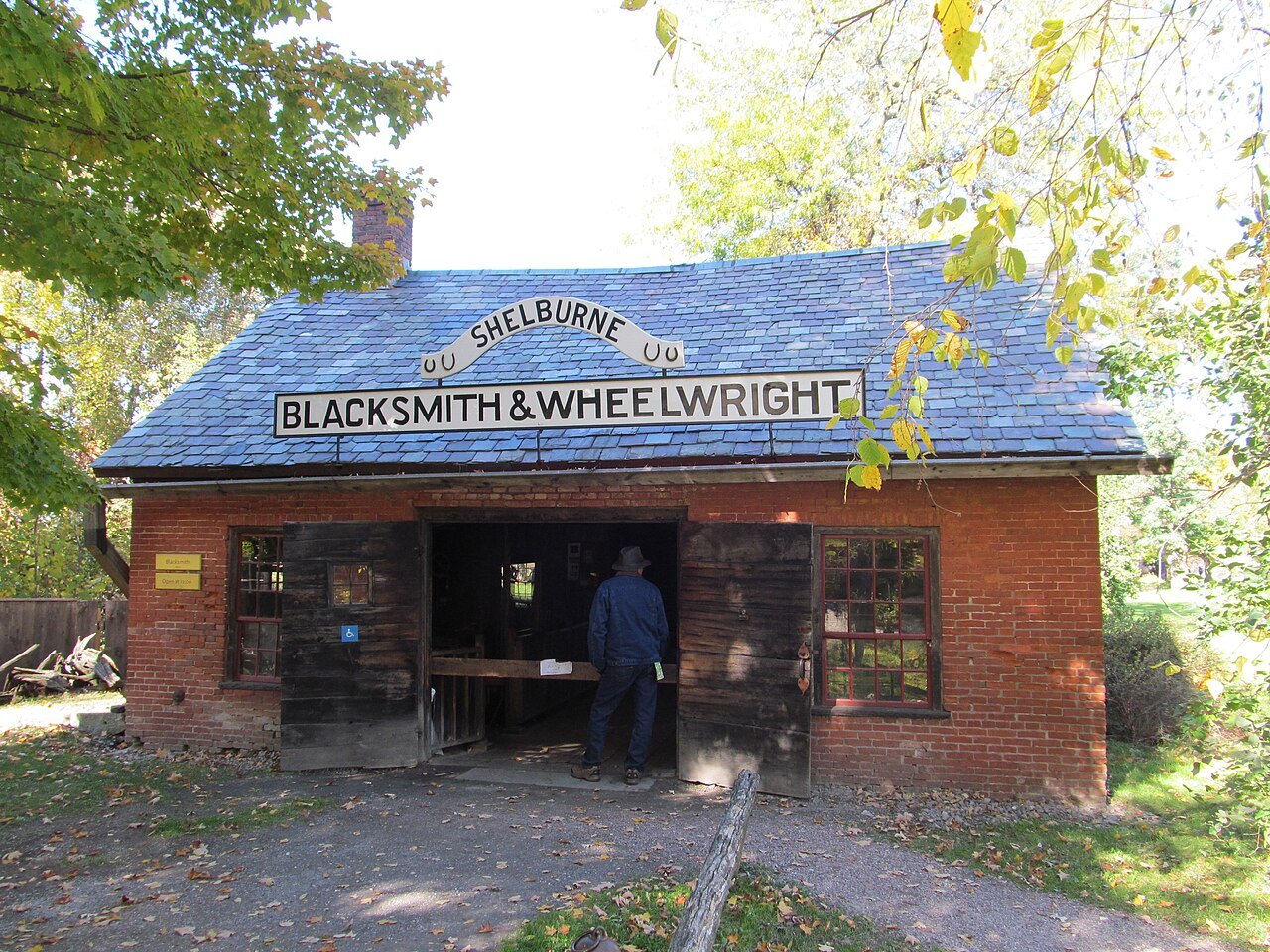
The two landmark designations and the nonprofit's own history together explain why Shelburne Farms today functions differently from a typical historic house museum: it is simultaneously a protected historic landscape, a commercial dairy operation, and a nonprofit organization running education programs, all together on the same 1,400 acres of farm, field, forest and lake shore.
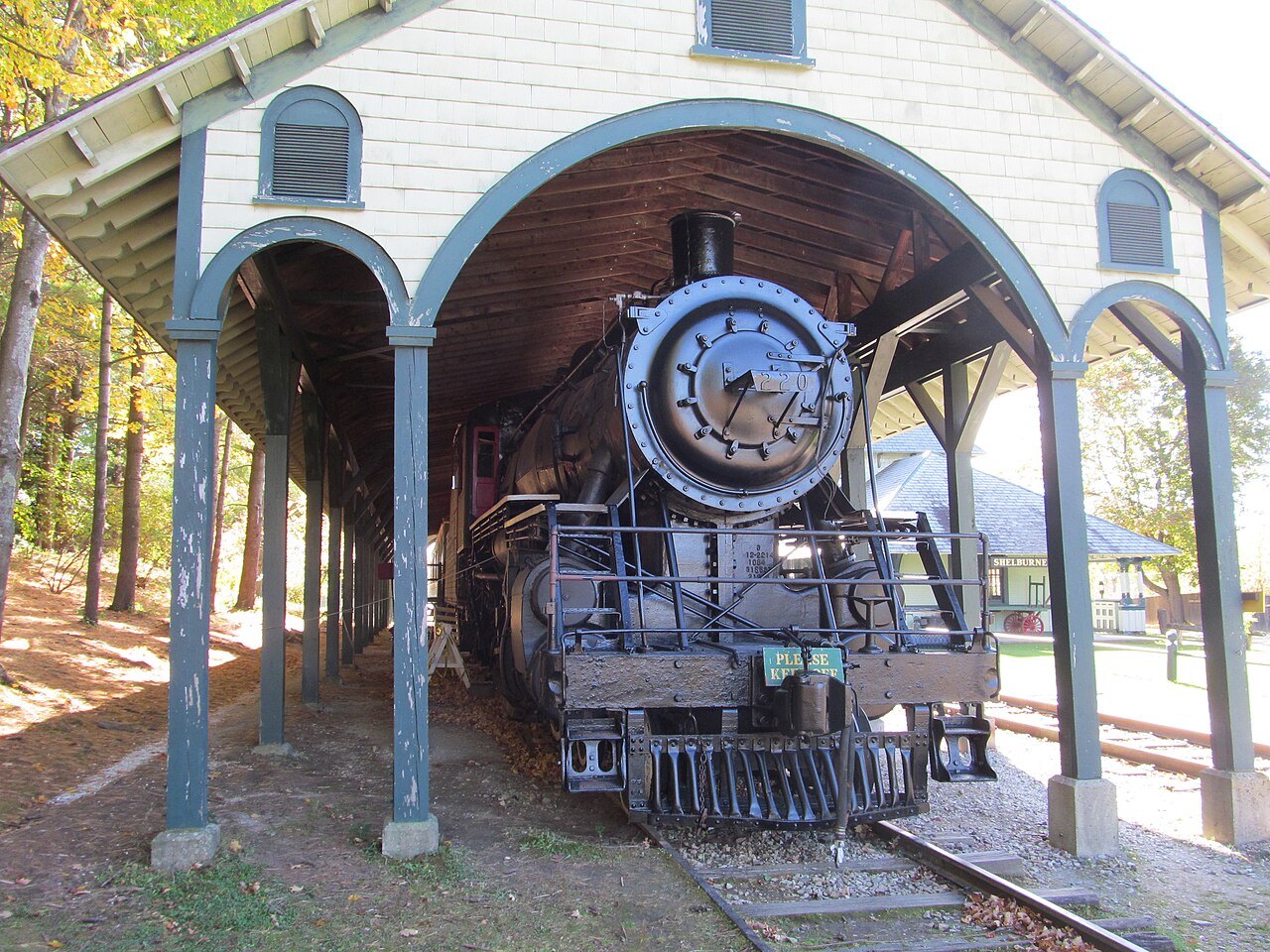
Shelburne Farms and Shelburne Museum
The Shelburne Museum, a short distance away, tells a related but different story: it was founded in 1947 by Electra Havemeyer Webb as a museum of American art, design and Americana, built from a private collection and historic buildings rather than from a farm. The two sites are described together as two sides of one history in Shelburne, the museum built from collecting and the farm built as a model of agriculture, and many visitors see them on the same trip.
A full day should be set aside for the museum, since its exhibition buildings are spread across forty-five acres, while a half day is usually enough for a visit to the farm. The Vermont shore of Lake Champlain, described on the Lake Champlain page, runs close by, and the city of Burlington lies a short drive to the north.
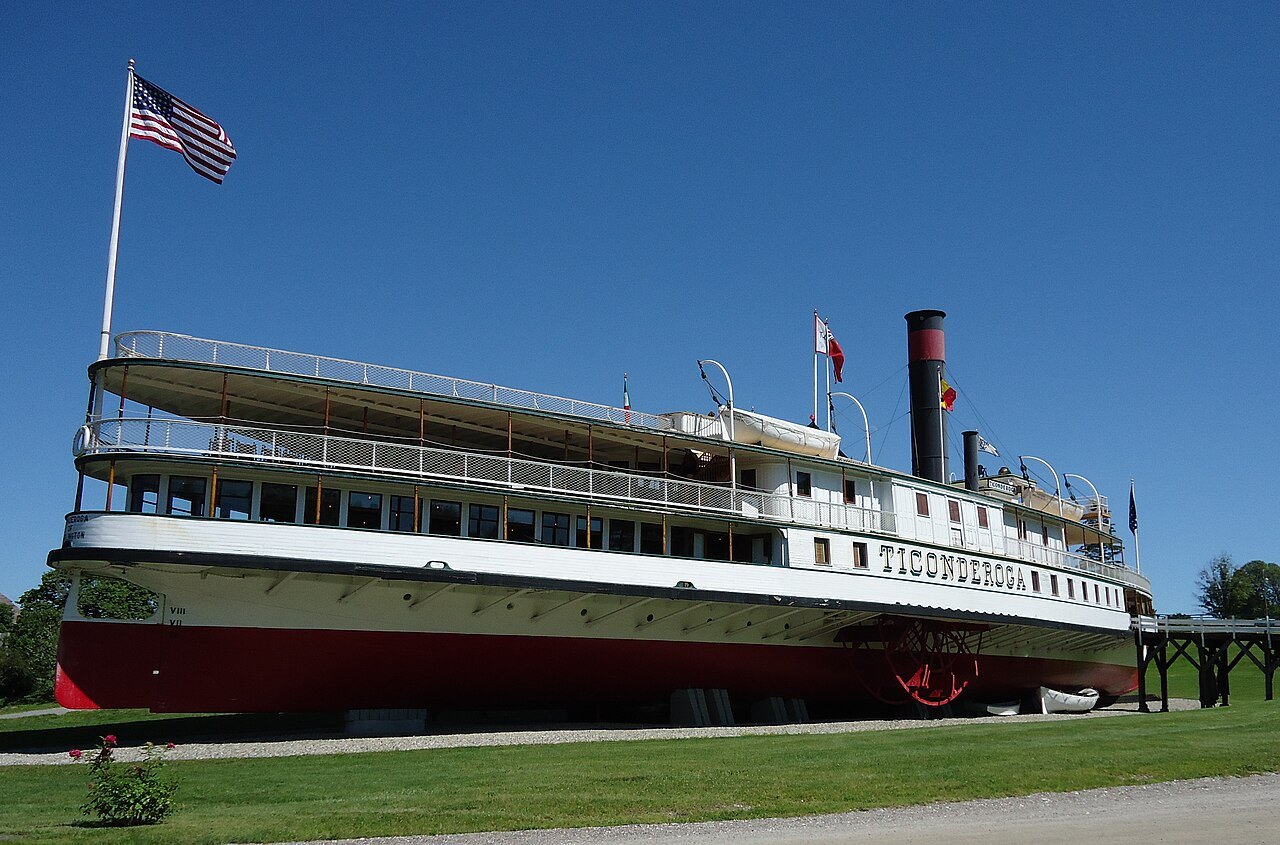
The steamboat Ticonderoga, a 220-foot National Historic Landmark, is displayed at the museum rather than at the farm, and its move from the lake onto dry land is one of the more unusual stories connected to the Shelburne estate's layered history, a story covered in more detail in a related journal article on this site.
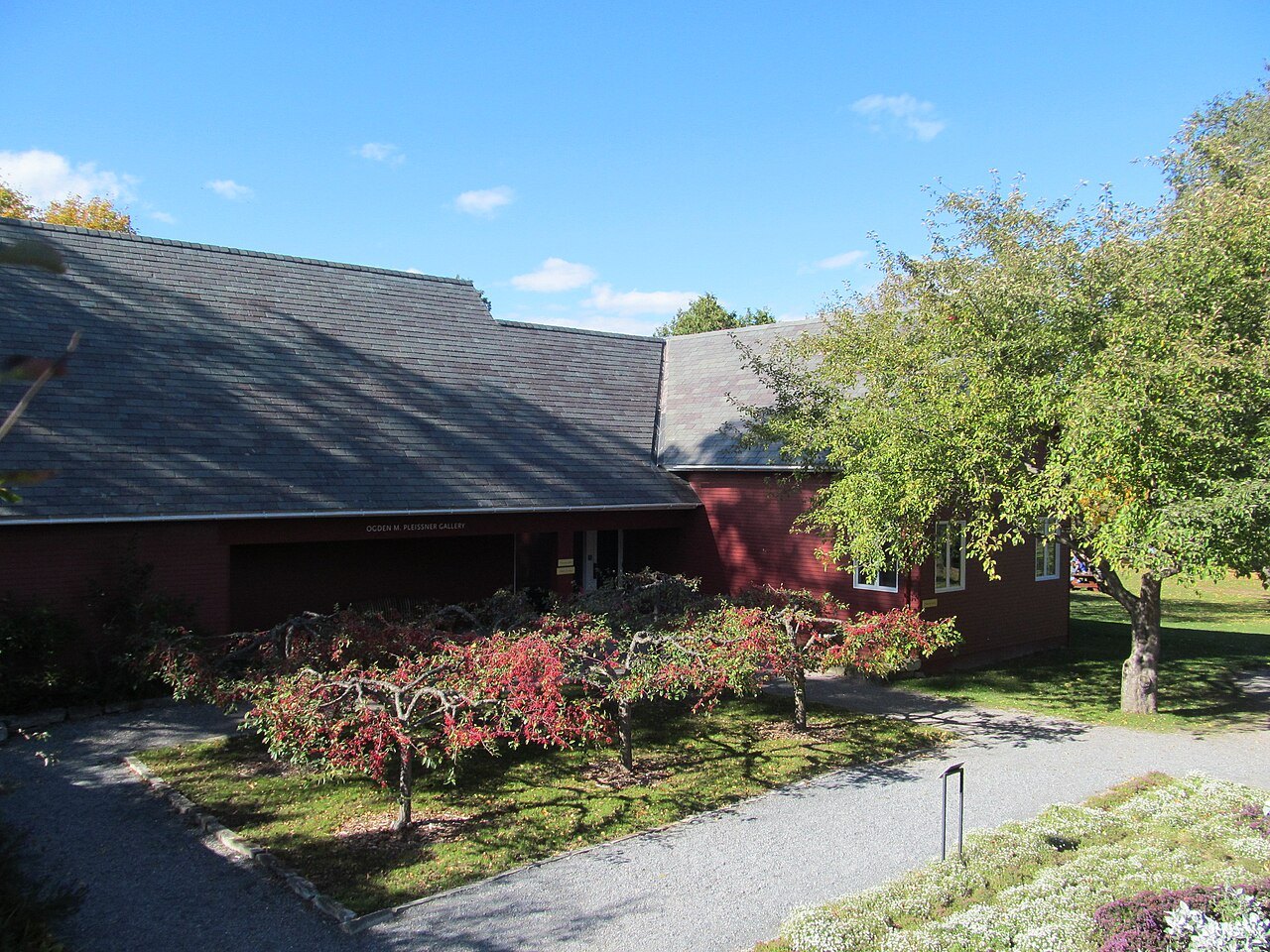
Planning a visit
Both sites keep their own seasonal arrangements for opening, tours and public access, so visitors should check directly with Shelburne Farms and with the Shelburne Museum before traveling, rather than assume a fixed schedule. Programs tied to the dairy, the gardens and the farm's education mission can also change from season to season, and the farm's own information is the most reliable source for current details.
Because the farm sits on working land rather than a static historic site, conditions such as field access, trail routes and building hours are managed around the agricultural calendar and the organization's own programs, another reason to confirm plans directly with the farm rather than relying on general guidebook timing.
Visitors planning overnight stays near Shelburne, or building a longer trip around the Vermont side of Lake Champlain, can consult the where to stay page for lodging options and general planning advice before combining a visit to the farm with other stops in the area, since the farm, the museum and the lake shore all lie close together near Shelburne.