Newport, Vermont's lake city at the head of Lake Memphremagog
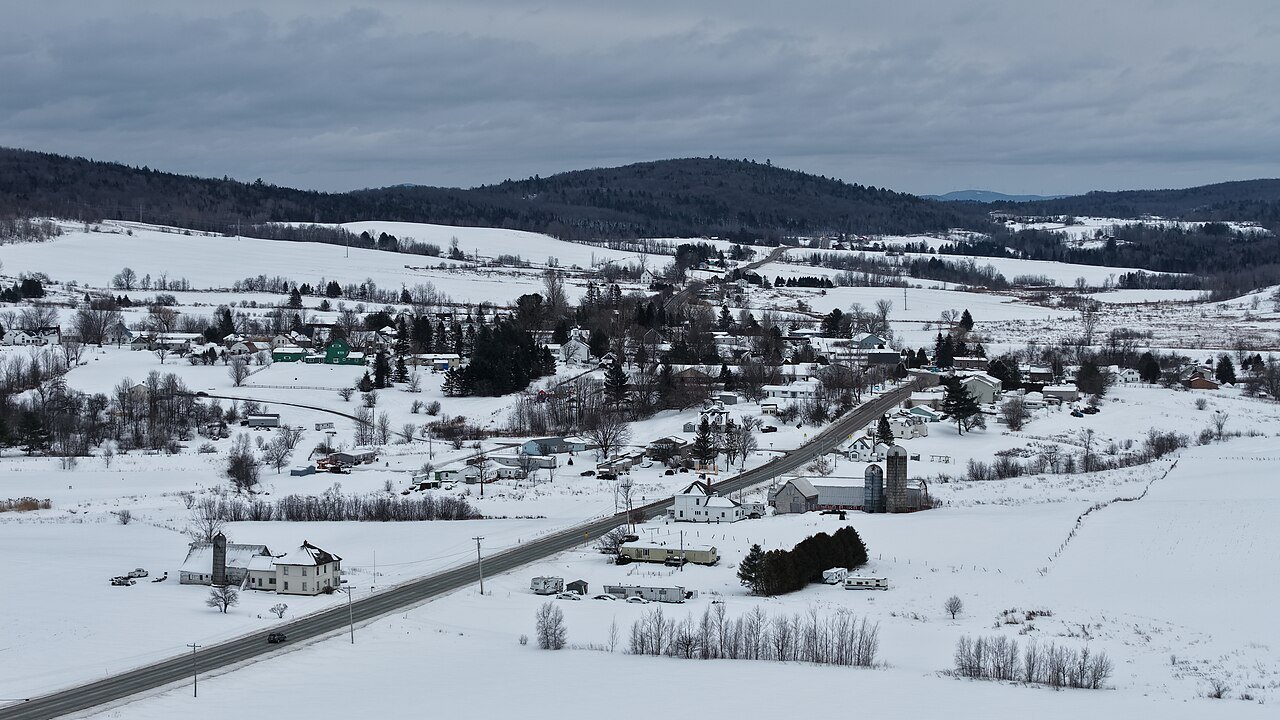
Photographs: Ascended Dreamer, Wikimedia Commons, CC BY 4.0 · AlexiusHoratius, Wikimedia Commons, CC BY-SA 4.0 · Ascended Dreamer, Wikimedia Commons, CC BY 4.0
The cities · The Northeast Kingdom
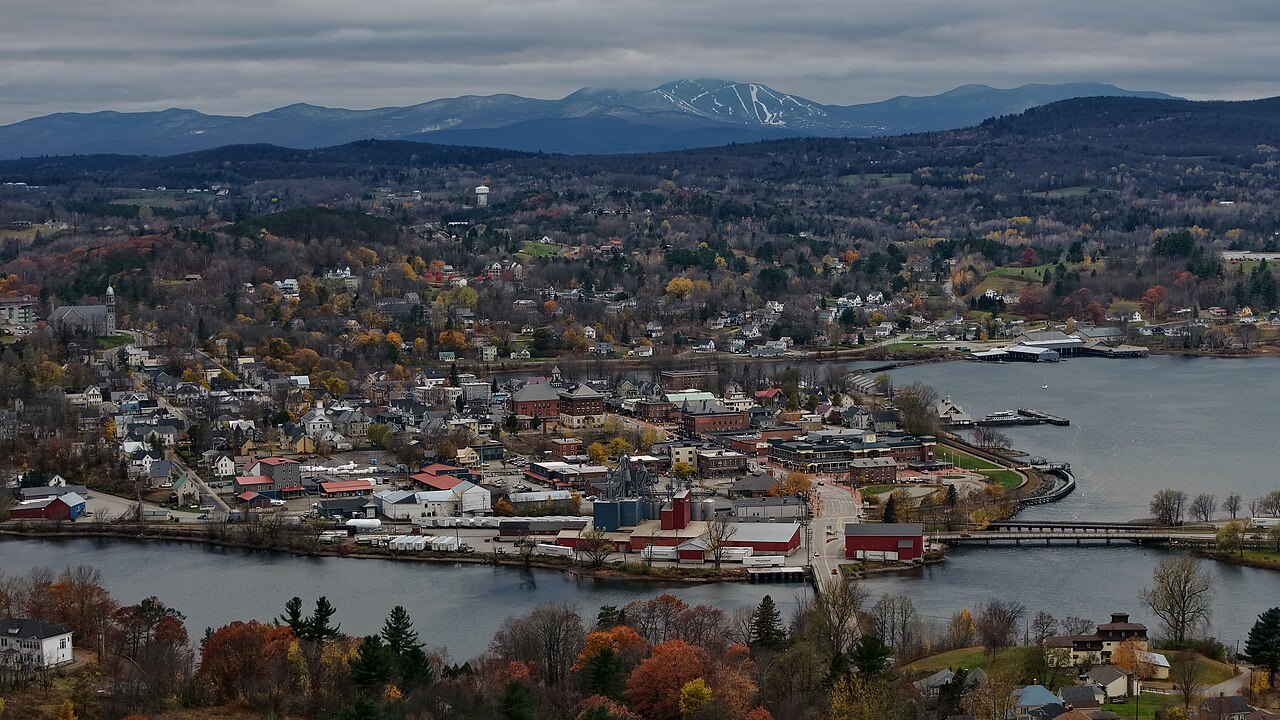
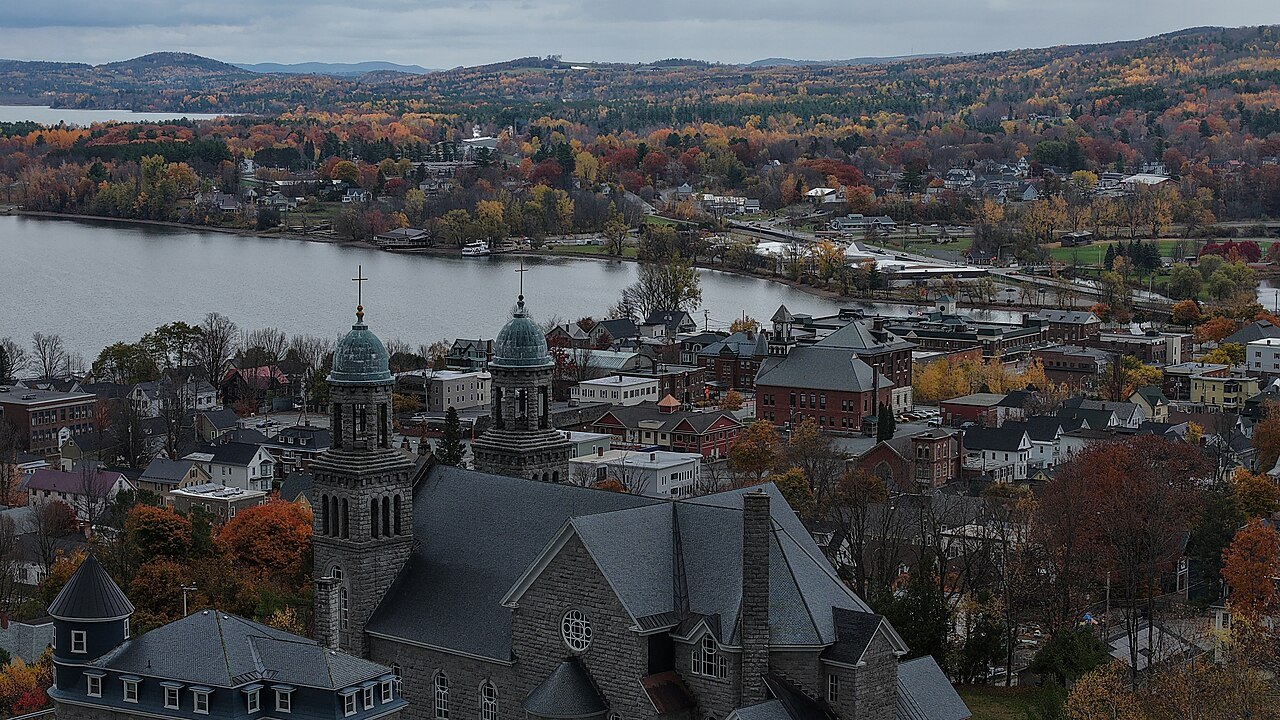
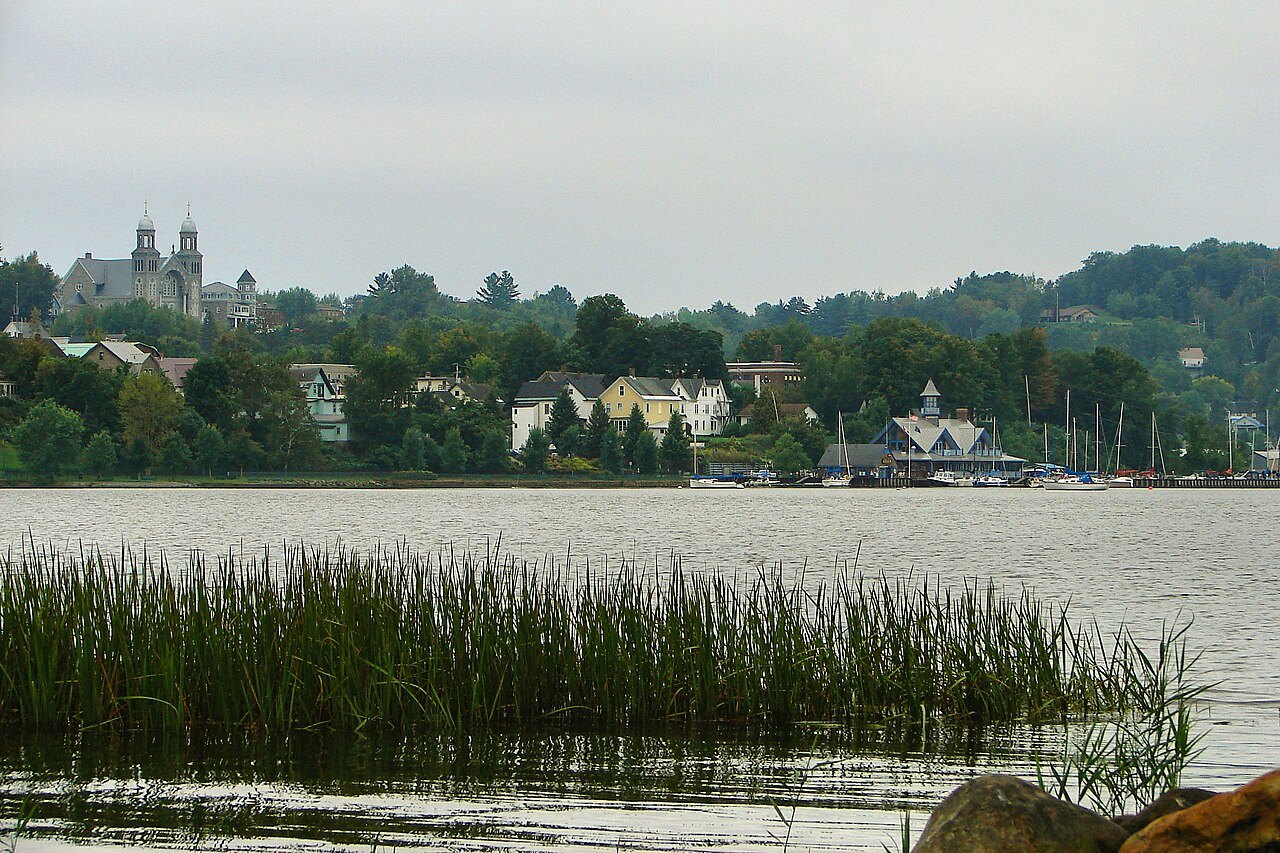
Newport is the only city in Orleans County and its shire town, a small lake city on the southern shore of Lake Memphremagog where three rivers meet the water, and the northern gateway of the Northeast Kingdom.
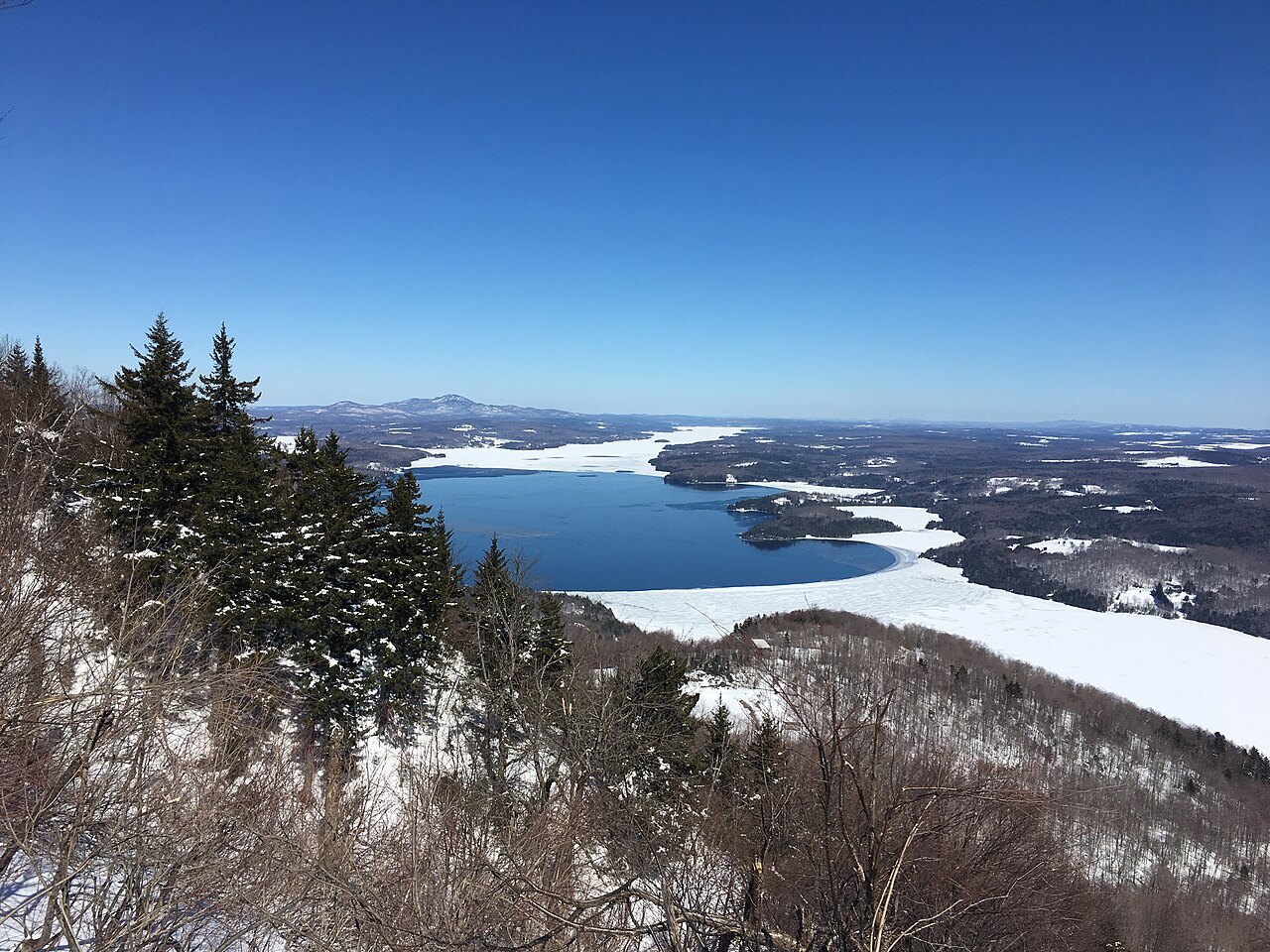
- Lake MemphremagogThe city wraps the southern shore of the lake, where the Clyde, Barton and Black Rivers empty into it.
- The Lady of the LakeA steam excursion boat that ran from 1867 to 1917 and is the city's logo.
- The county courthouseBuilt in 1886, the year the legislature moved the shire town here.
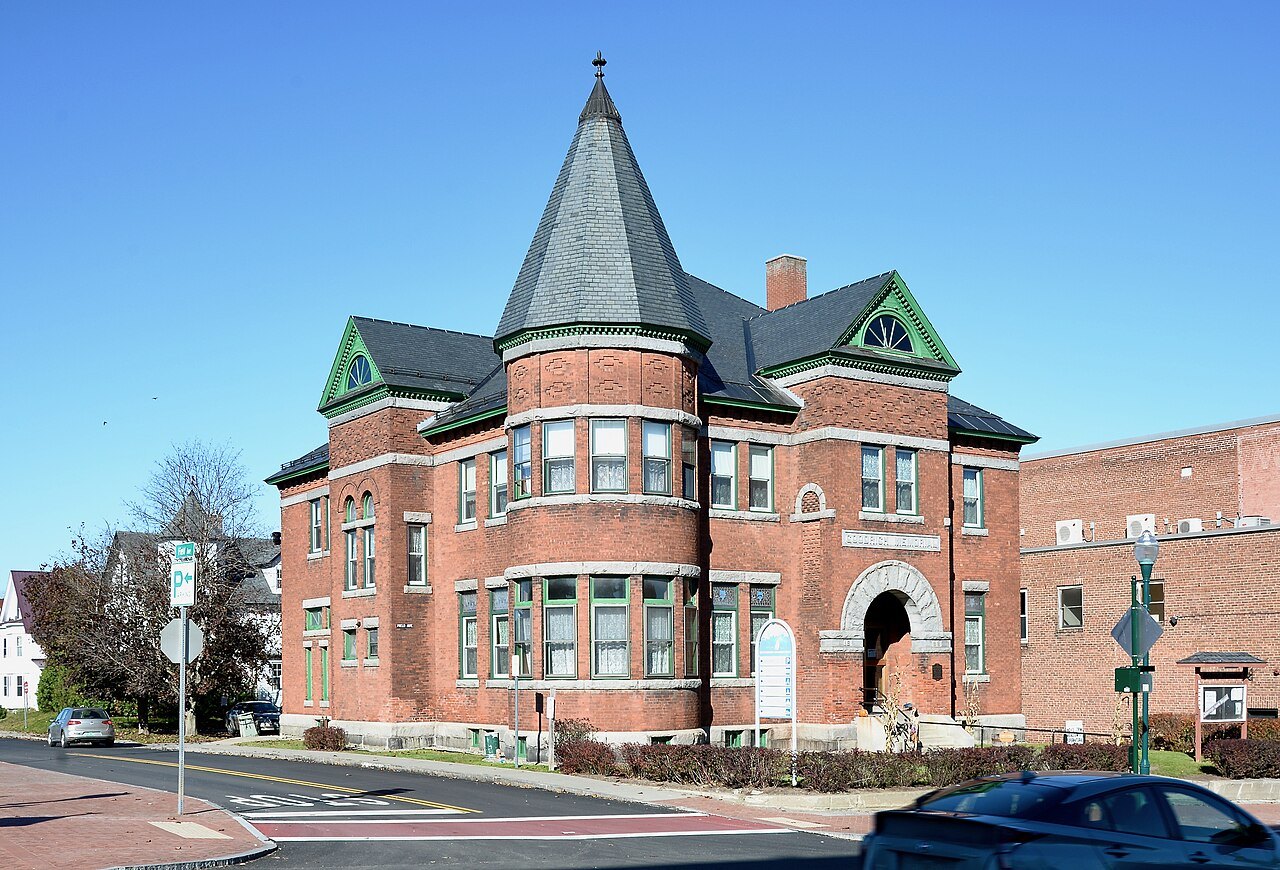
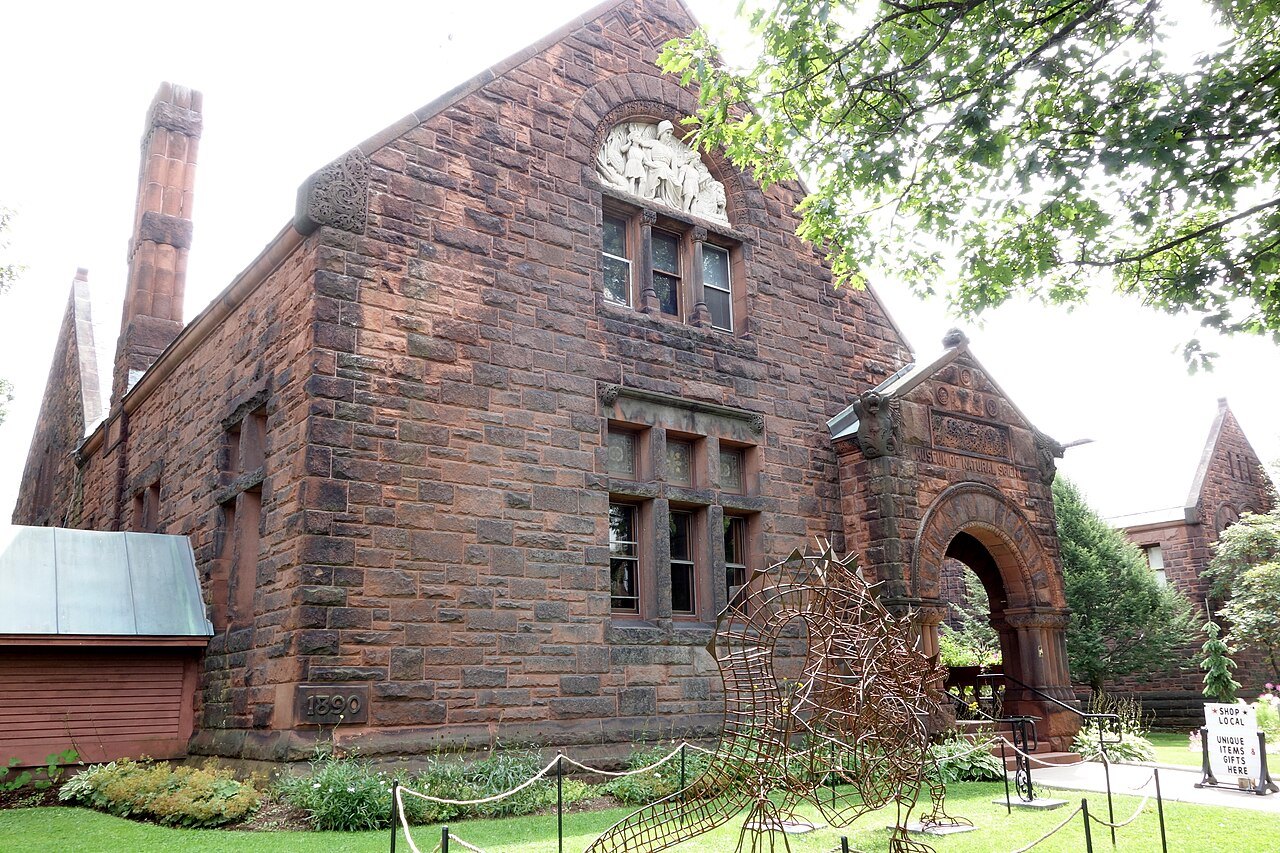
- Goodrich Memorial LibraryBuilt in 1899, one of the city's old civic buildings.
- The International ClubBetween 1936 and 1953, the largest dance floor in New England, for 2,000 dancers.
- The February ice fishing derbyA commercial derby held since 2004, with 920 participants in 2010.
Why it matters
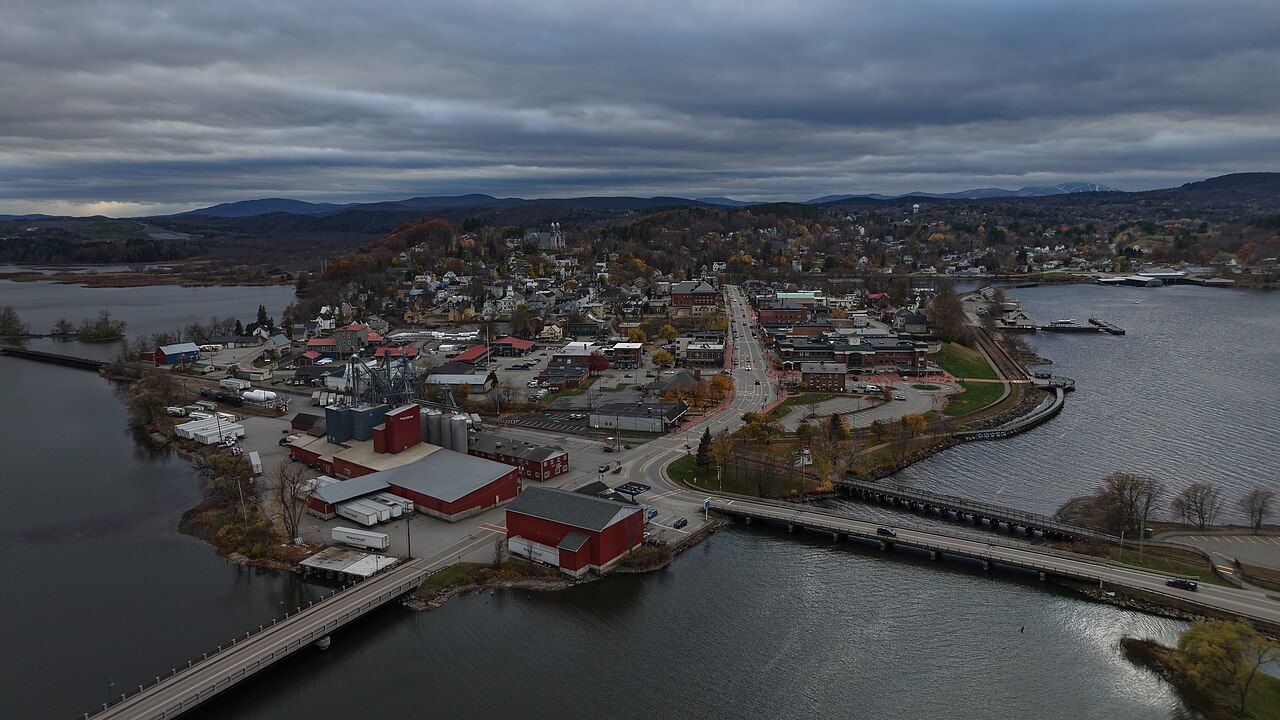
Newport is the only city in Orleans County and its shire town, with 4,455 people at the 2020 census, the second-smallest city by population in Vermont. The county has one larger municipality, neighboring Derby, but Newport has the smallest geographic area. The city surrounds the southern shore of Lake Memphremagog, with a total area of about 7 square miles, of which 20 percent is water.
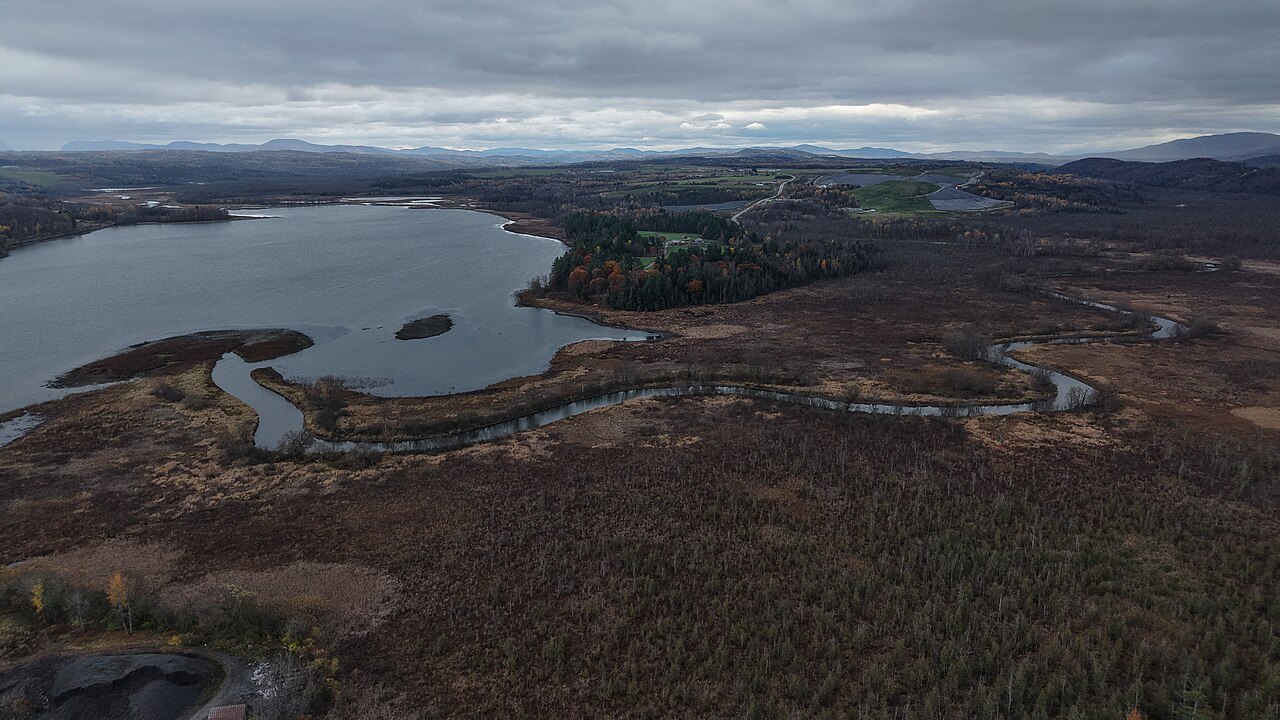
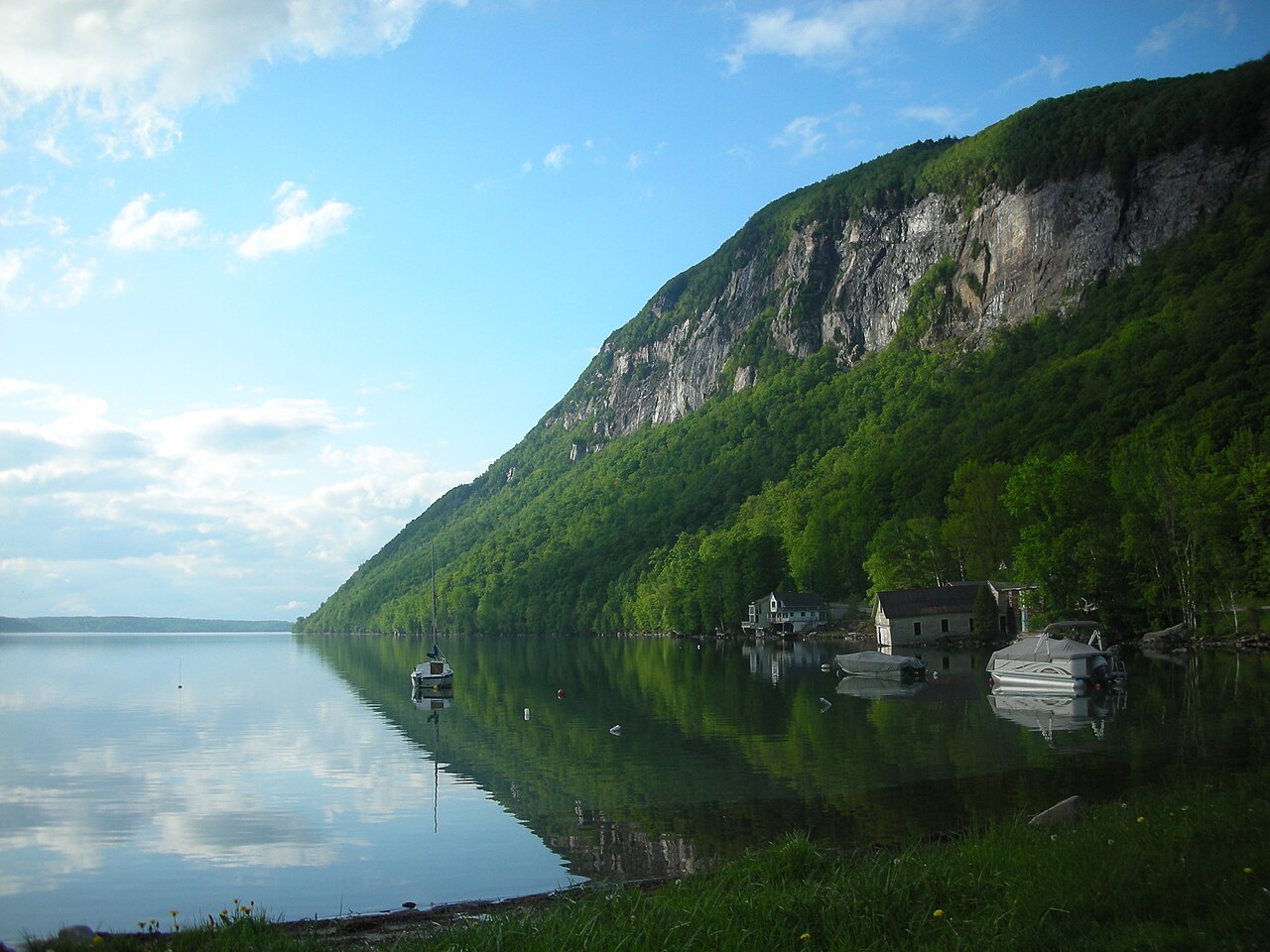
Three of the four major rivers in the county, the Clyde, the Barton and the Black, empty into the lake here. For a visitor, it is a lake town at the top of the state, the northern anchor of the Northeast Kingdom, and a place to start from or stop at on a drive that continues along Lake Willoughby and the roads of the kingdom.
Pickerel Point and Lake Bridge
Newport was founded by European Americans in 1793 and was first called Pickerel Point, then renamed Lake Bridge for its place at the head of Lake Memphremagog. The railroad reached it in 1863, during the Civil War, and in 1868 the Lake Bridge settlement was incorporated as the Village of Newport. It became a busy lumber town, and the lumbering firm Prouty and Miller, begun in 1865, operated for more than 100 years and closed in the 1980s.
Earlier, in 1759, the militia force called Rogers' Rangers retreated through the county after an attack across the border during the French and Indian War, splitting up on the east shore of the lake to confound their pursuers; one group followed the Clyde River east and another the Barton River south.
During the Civil War the city had a scare when news arrived of the St. Albans Raid and feared it might be repeated at the south end of the lake. The militia was turned out, and armed students from Norwich University were brought in by train; nothing happened, and everyone was sent home after a few days.
Steamboats and the railroad
The Lady of the Lake, a steam excursion and ferry boat, began running in 1867 and stopped in 1917; the steamboat is used as the city's logo. By the late nineteenth century two railroad companies had routed their lines through Lake Bridge, and connections to outside markets drew more residents. The last passenger train left Newport in 1965, as people relied more on cars.
The city paved Main Street in 1917, and by the summer of 1930 traffic on it had risen to 4,000 motor vehicles a day. The city sold its airport to the state of Vermont in the 1970s.
Buildings and dances
The county courthouse was built in 1886, the year the legislature moved the shire town to Newport. The federal courthouse followed in 1904, and the Goodrich Memorial Library was built in 1899. The Field Opera House and Clock Tower of 1879 was destroyed by fire in 1896, and the municipal building was later built on its site; Lane's Opera House of 1892 burned in 1923.
Between 1936 and 1953 the International Club in Newport had the largest dance floor in New England, 220 feet by 60 feet, which could hold 2,000 dancers. Big-band performers on the railroad between the larger cities entertained there, among them Louis Armstrong, Cab Calloway, Glenn Miller and Rosemary Clooney.
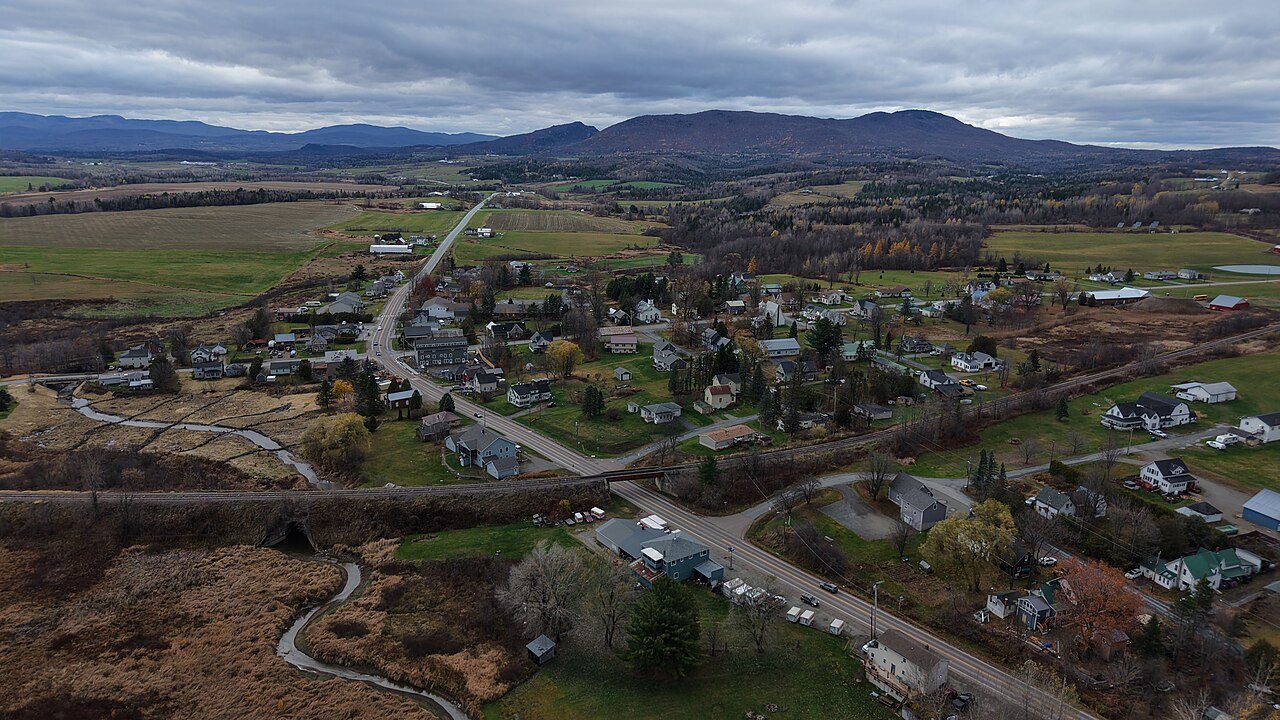
The city was once divided into at least five neighborhoods, among them French Village and Batesville, the section around Prouty Bay where the Frost Veneer Mill was a primary employer.
The lake in the year
A commercial ice fishing derby has been held in February since 2004, and in 2010 it had 920 participants. The only Soap Box Derby in Vermont is held in the city annually, and the winner represents the state in the nationals. The local Rotary has held an annual music festival involving county high schools since 1947.
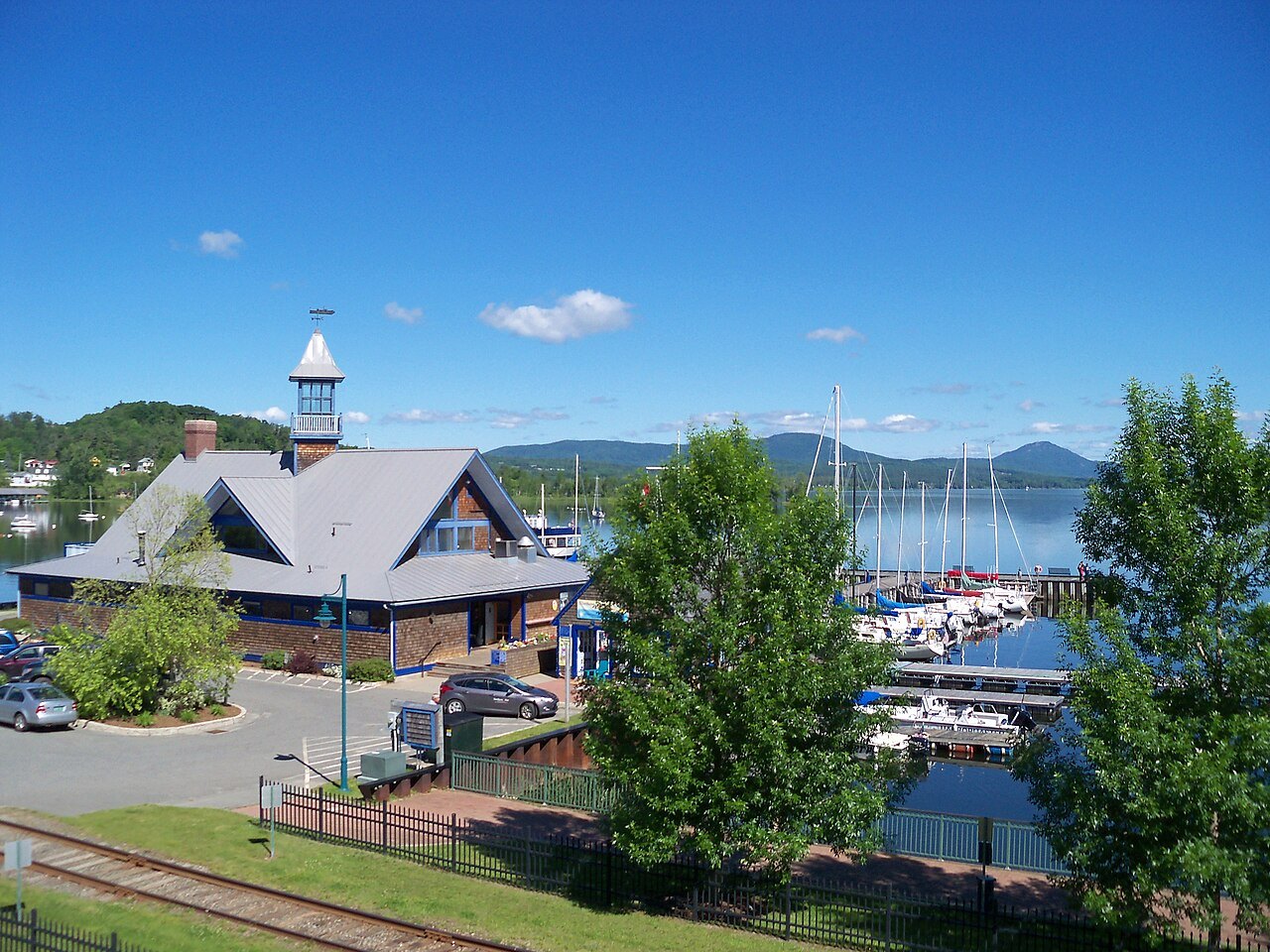
North Country Hospital is the city's largest employer. A harbor master and a harbor commission look after the waterfront, a reminder that this is a working lake as well as a scenic one.
Getting there
U.S. Route 5 connects the city with the town of Coventry to the south and Derby to the north and east, and Vermont Route 105 runs with it through much of the city. Vermont Route 191, the Access Road, joins Interstate 91 at Exit 27 to the city. Interstate 91 itself runs through neighboring Derby, and two exits give access to Newport. The city has six stoplights, five of them on Route 5.
Three major bridges cross the South Bay of Lake Memphremagog: the Route 5 bridge and the Long Bridge, which join the former village of Newport with the former village of West Derby, and the railway trestle. Rural Community Transportation, a non-profit based in St. Johnsbury, runs buses through the northern part of the county, and the Northeast Kingdom International Airport has two runways.
Schools and college
Newport has two public schools, Newport City Elementary and North Country Union High School, and one private school, the United Christian Academy, formed in 1996 to unite Roman Catholic and Protestant churches in offering high school education. Newport is also home to a branch of the Community College of Vermont, which enrolls nearly 300 students.
Planning
Newport borders the towns of Coventry to the south, Newport Town to the west and Derby to the north and east. The getting around page describes the roads through the northern part of the state, and the when to come page covers the winter that gives the derby its season.
The city is the end of the long run up Vermont Route 100 described on the homepage, and the natural place to finish it.
Nearby
Sources read for this page