Brattleboro, the river town of Gallery Walk, organs and Kipling
Photographs: Janisbent15, Wikimedia Commons, CC BY-SA 3.0 · Kenneth C. Zirkel, Wikimedia Commons, CC BY 4.0 · Caleb Clark, Wikimedia Commons, CC BY-SA 3.0
The cities · Southern Vermont
Brattleboro is a Windham County town at the meeting of the West River and the Connecticut River, the first major town on Interstate 91 northbound, known for its arts community, its mills and the house where Rudyard Kipling wrote The Jungle Book.
- Gallery WalkOn the first Friday of every month, galleries, artists and shops display new work or hold performances.
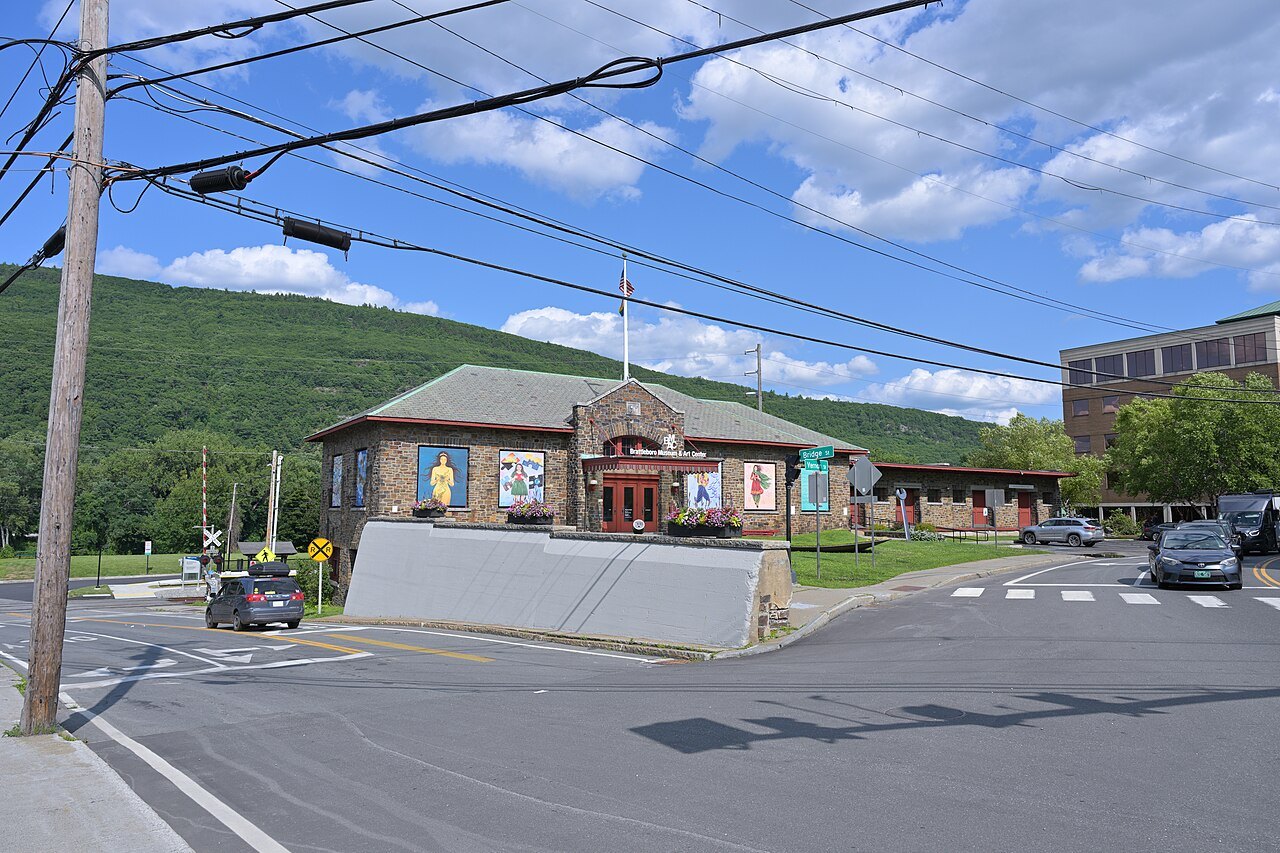
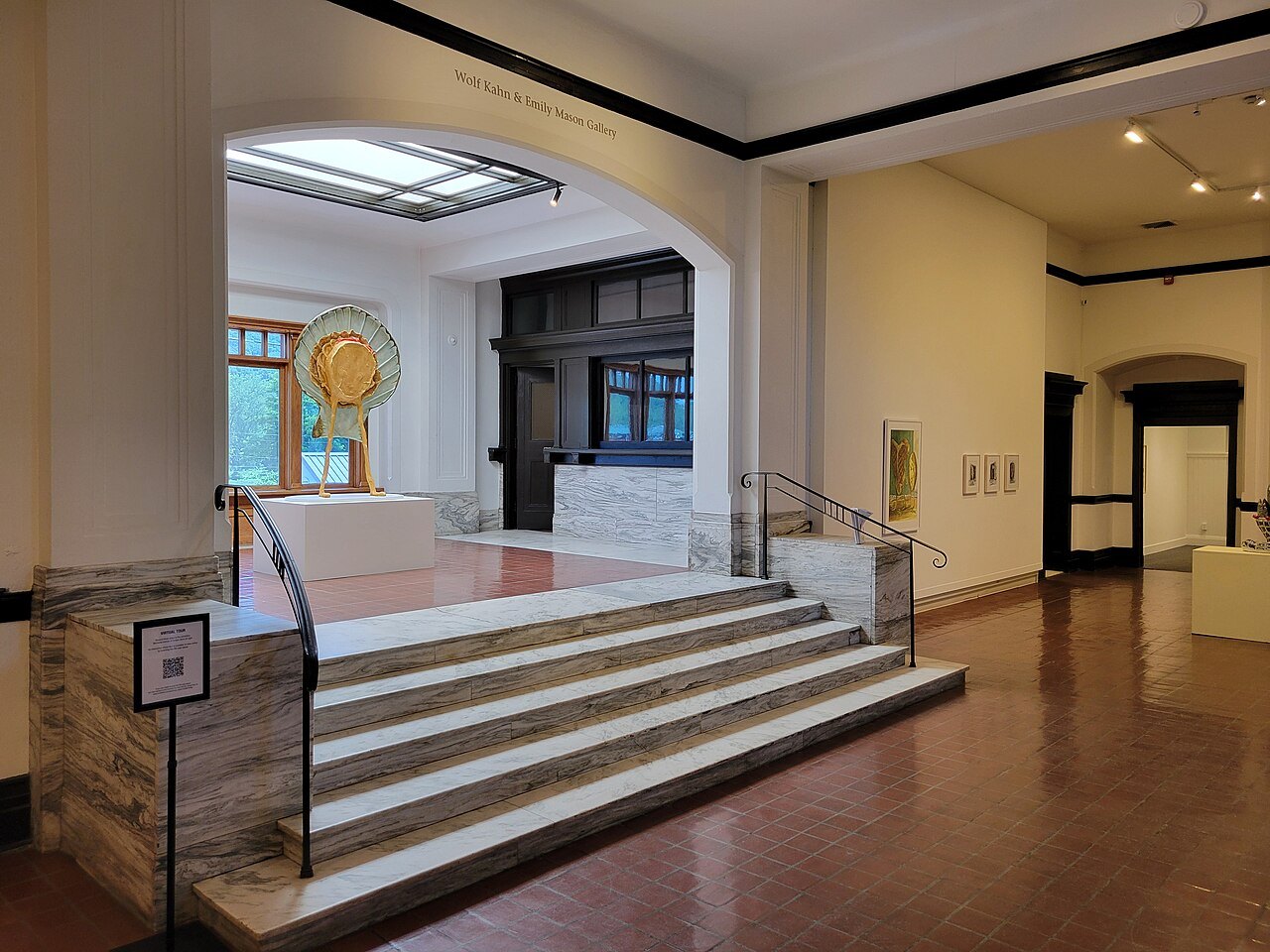
- Brattleboro Museum and Art CenterOne of the participants in the monthly Gallery Walk, in the downtown.
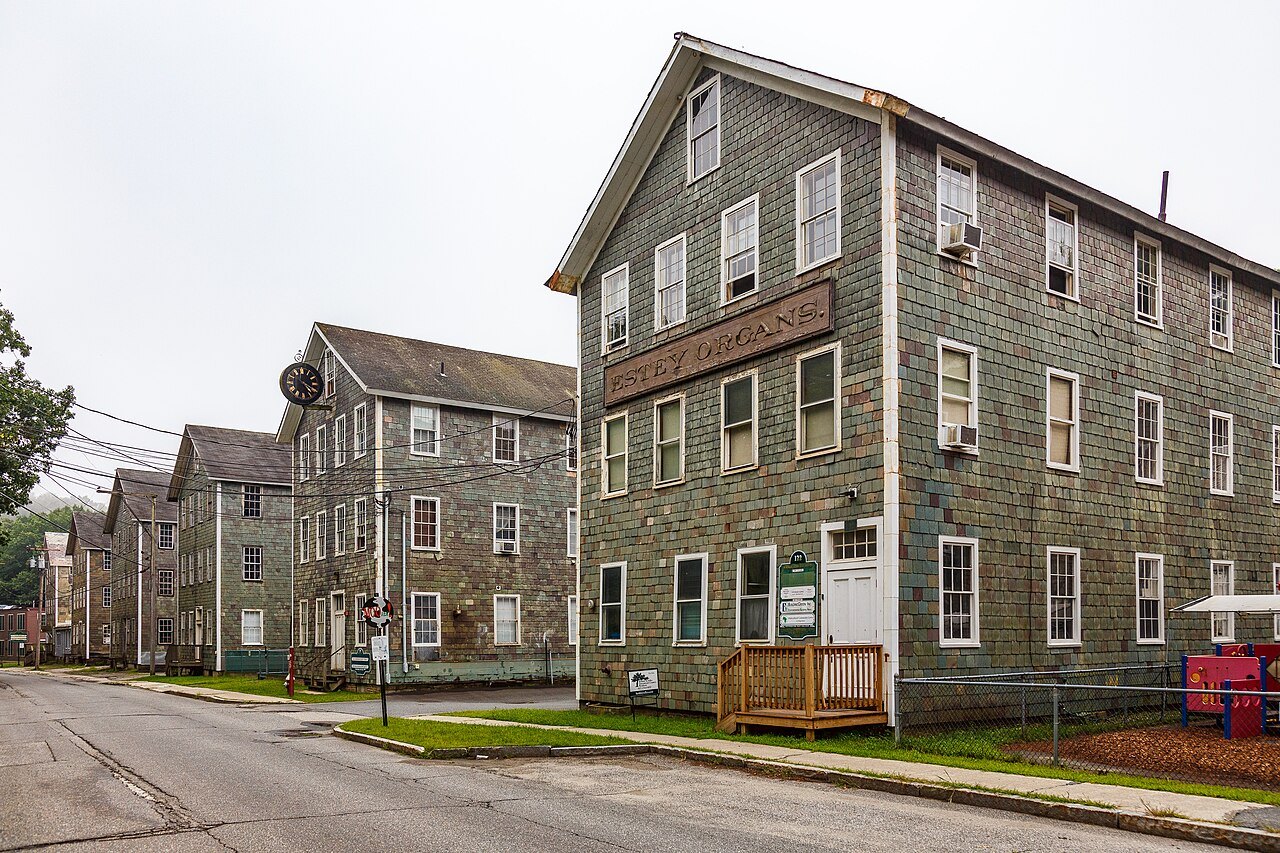
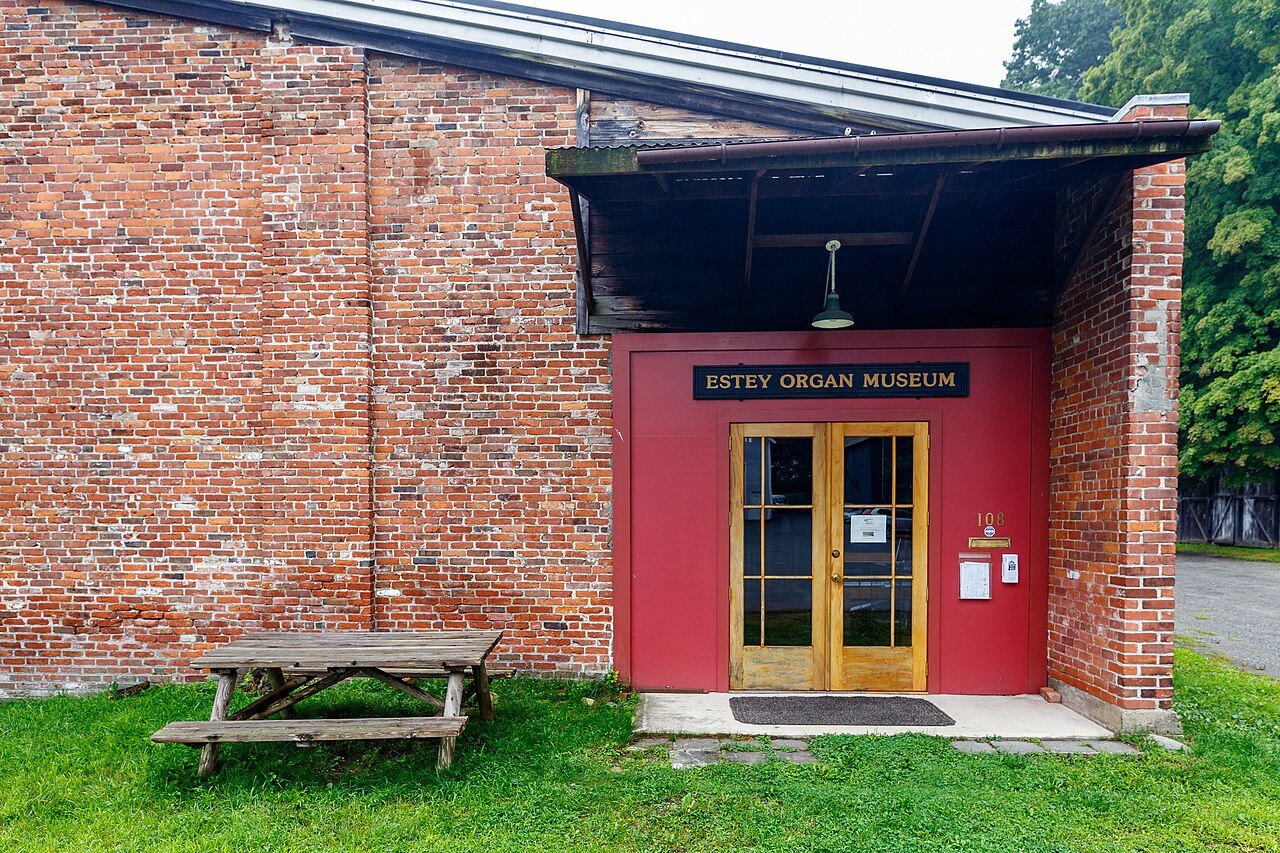
- Estey Organ MuseumIn one of the buildings of the factory that made organs here for about a century from 1852.
- NaulakhaThe house in neighboring Dummerston where Kipling wrote The Jungle Book.
- Fort DummerA blockhouse and stockade begun in 1724 on the Connecticut River, a defense against raids.
- Strolling of the HeifersAn annual event on the list of notable events, along with the Brattleboro Literary Festival.
Why it matters
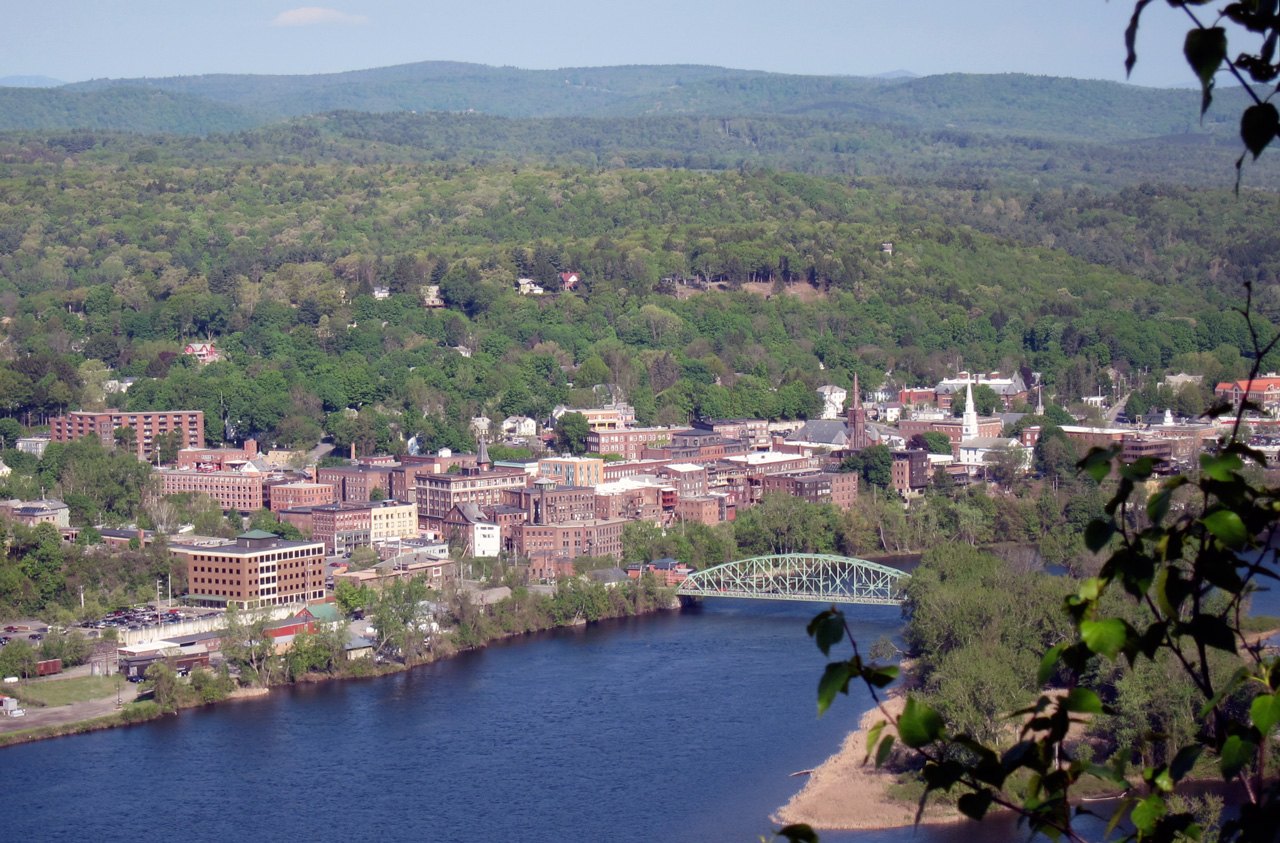
Brattleboro is in Windham County, about 10 miles north of the Massachusetts line at the confluence of the West River and the Connecticut River. With 12,106 people at the 2022 count, it is the most populous municipality along the state's eastern border, which the Connecticut River forms. It was a gateway for trade on the river and then on the roads and railroads, and the Whetstone Brook powered its mills.
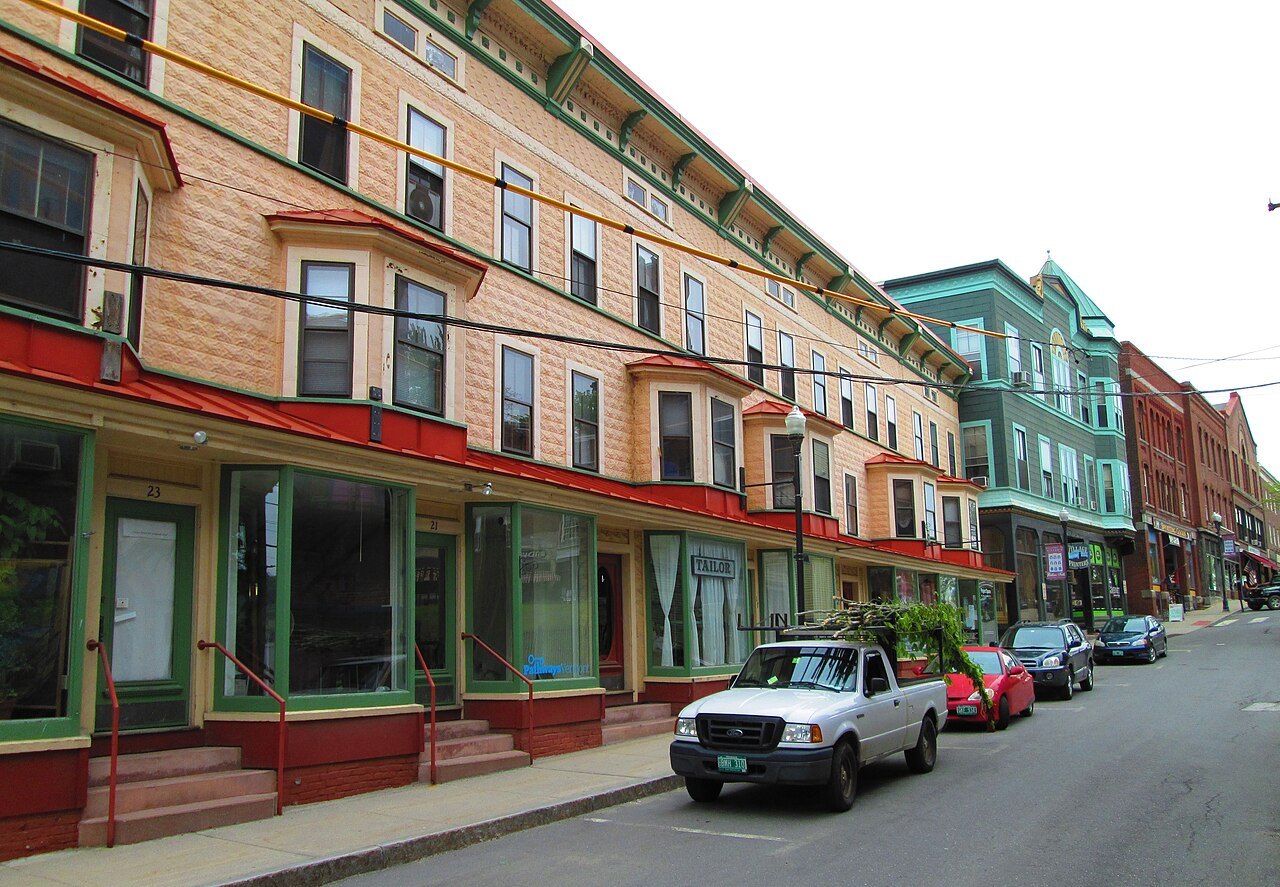
It is also the first major town a driver meets on Interstate 91 heading north, reached by Vermont exits 1, 2 and 3. The town offers a mix of rural atmosphere and urban amenities, with lodging, galleries, stores and performance spaces mostly in the downtown. John Villani's book on small art towns ranked it ninth among arts towns of 30,000 people or fewer.
A fort and a town
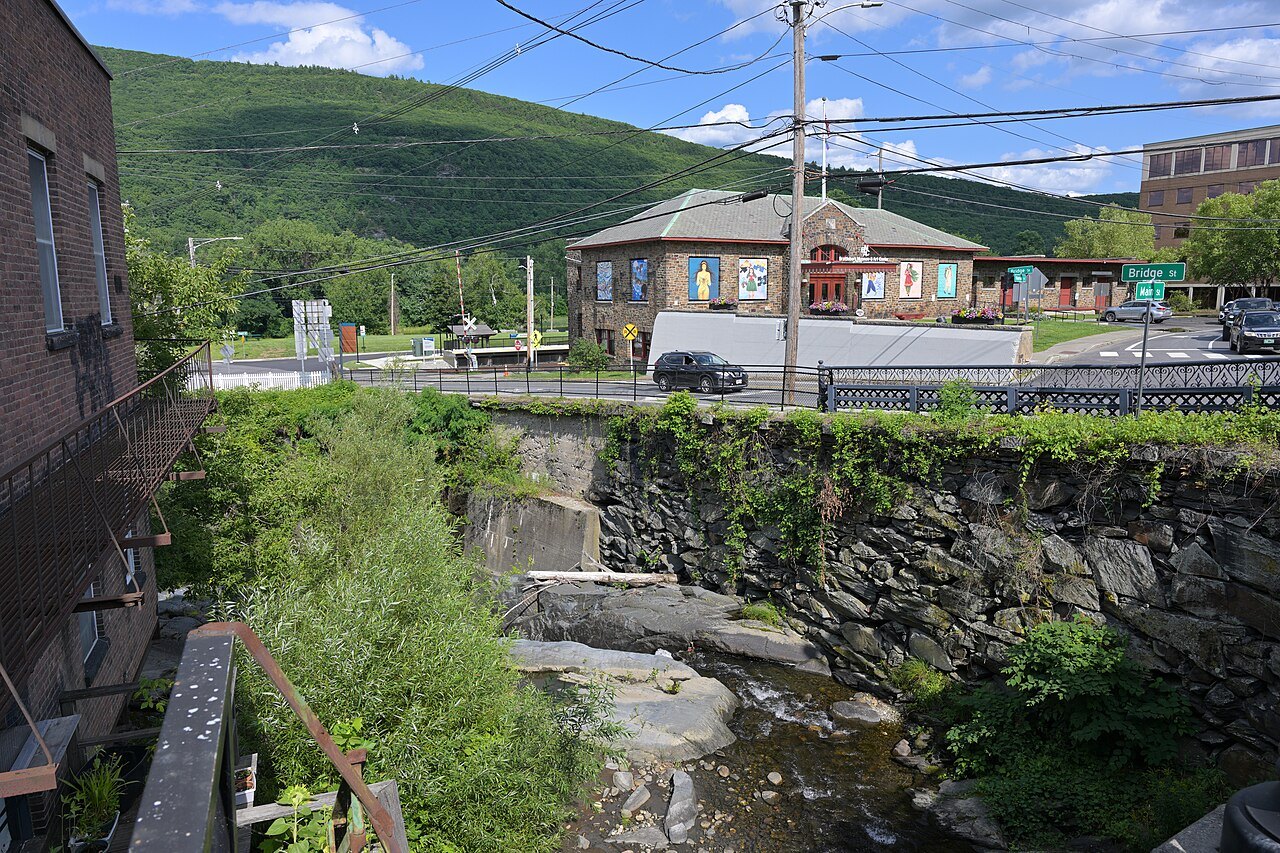
The Sokoki band of the Abenaki, who lived here before European settlement, called the place Wantastegok. On December 27, 1723, the Massachusetts General Court voted to build a blockhouse and stockade on the Connecticut River near the future town, and construction of Fort Dummer began on February 3, 1724. The French attacked it on October 11 of that year, and for a time it served as a trading post among the settlers and the Indians; King George's War, from 1744 to 1748, brought colonial troops.
The township was chartered on December 26, 1753, by Governor Benning Wentworth and named Brattleborough, after Brigadier-General William Brattle; there is no record that Brattle ever visited. After the Revolution the town developed quickly. In 1771 Stephen Greenleaf opened Vermont's first store in the east village, and a post office followed in 1784.
Water cure, printing and organs
The Brattleboro Retreat was established in 1834 as the Vermont Asylum for the Insane, and in 1844 the Brattleboro Hydropathic Establishment opened, the third water-cure establishment in the country. Until the cure closed in 1871, the town was widely known as a curative health resort.
Industry grew along the Whetstone Brook. By 1859, when the population had reached 3,816, the town had a woolen textile mill, a paper mill, a flour mill, a carriage factory, two machine shops and four printing establishments, including the Brattleboro Typographic Company, which produced Bibles.
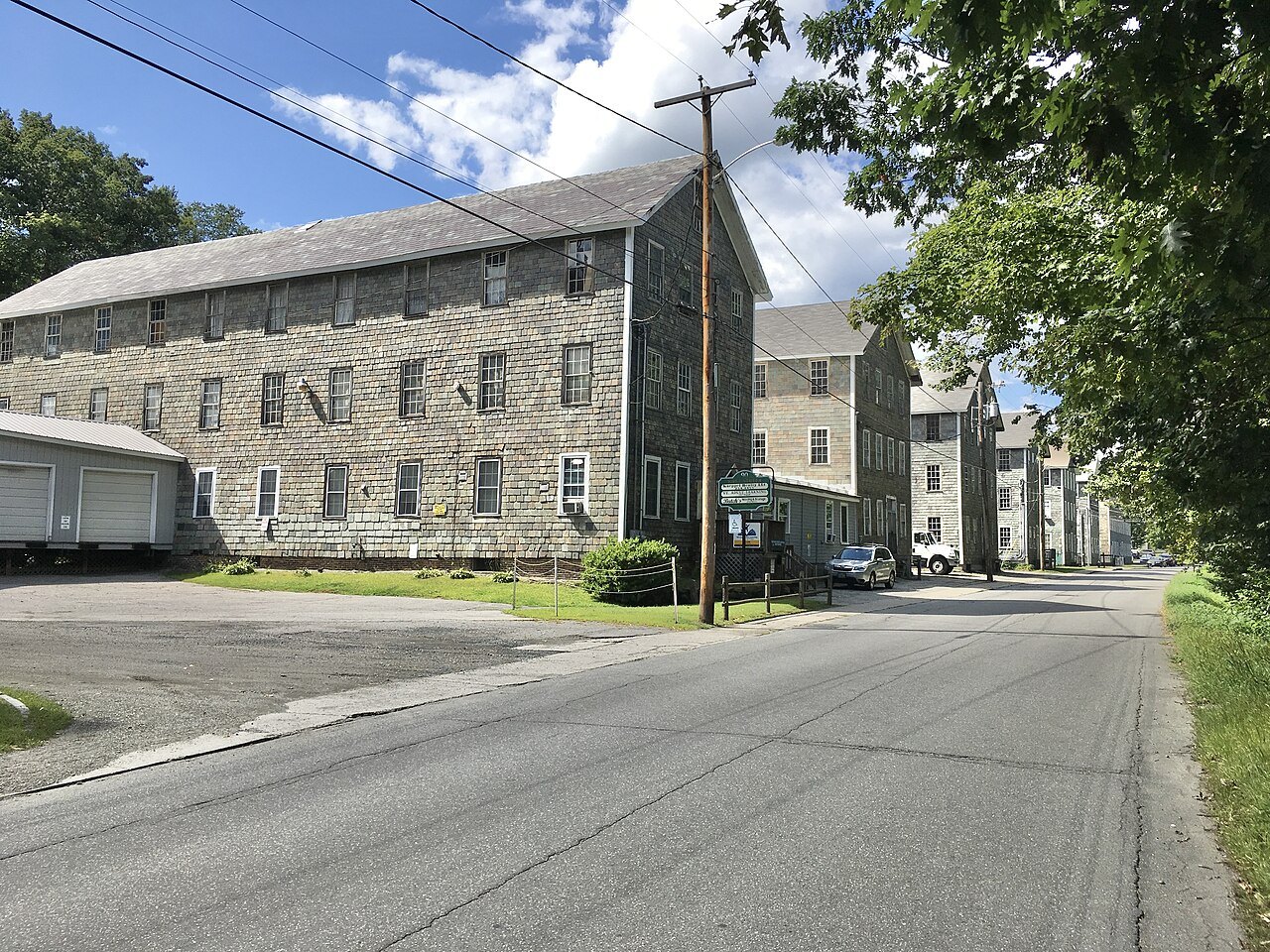
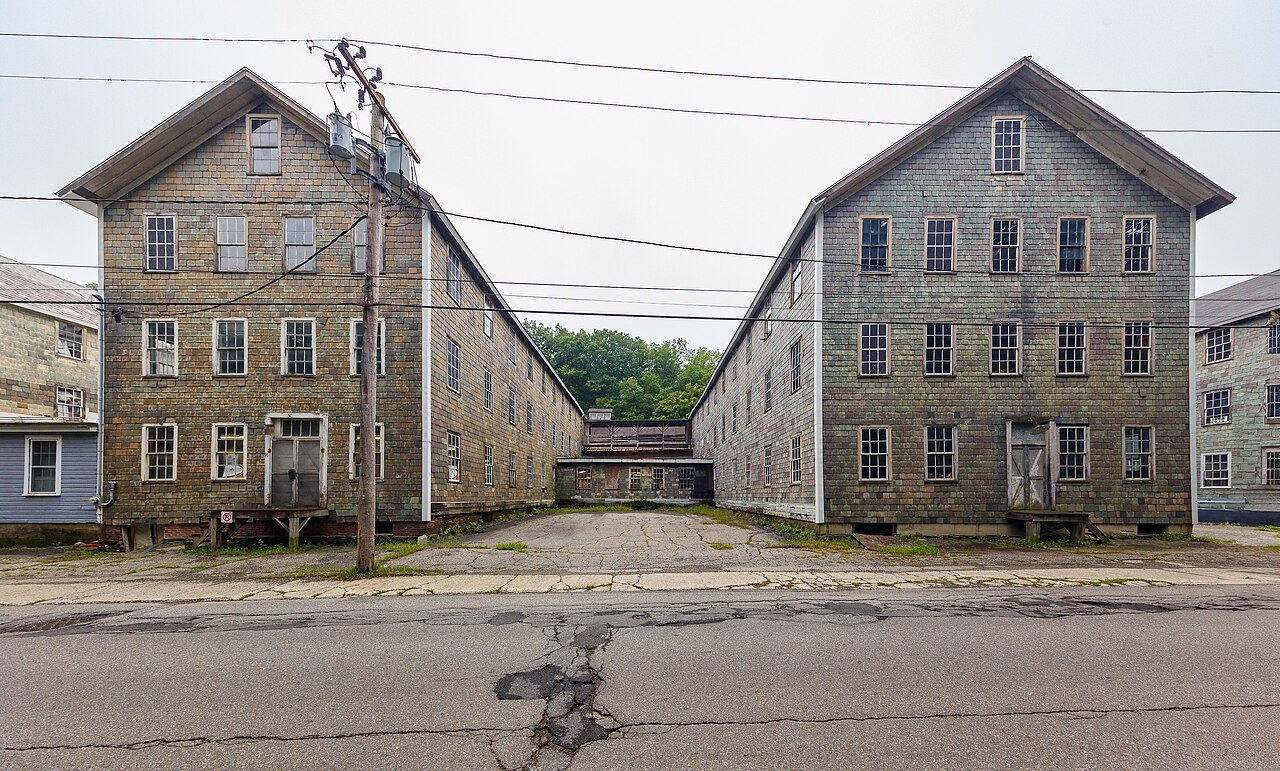
The Estey Organ company, the largest organ manufacturer in the United States, operated here for about a century beginning in 1852. At its height the complex had more than 20 buildings, many joined by raised walkways and covered bridges, and one of the buildings now houses the Estey Organ Museum.
Kipling in Vermont
Rudyard Kipling settled in Brattleboro after marrying a young Brattleboro woman, Carrie Balestier, in 1892. The couple built a house called Naulakha just over the town line to the north in neighboring Dummerston, and Kipling wrote The Jungle Book and other works there. He also wrote about local life in the early 1890s, with its heavy snowfalls, ox-teams drawing sledges, and small-town people beset with what he called a terrifying intimacy about each other's lives.
Two smaller distinctions belong to the town. The first person to receive a Social Security benefit check, issued on January 31, 1940, was Ida May Fuller of Brattleboro, and in 1950 the auctioneer Emma Bailey held her first auction in the town, the beginning of a career that made her the first American woman auctioneer.
The arts and downtown
Gallery Walk, a mid-1990s creation, takes place on the first Friday of every month. Galleries, artists, arts organizations and stores display new work or hold performances, among them the Brattleboro Museum and Art Center, the Hooker-Dunham Theater and Gallery, the In-Sight Photography Project, River Gallery School and the Windham Art Gallery. The New England Center for Circus Arts and the Vermont Jazz Center are also in town, and the Brooks Memorial Library houses a town historical archive, paintings and sculptures.
The town was designated a Fair Trade Town in 2007, the second in the nation. Annual events include Strolling of the Heifers and the Brattleboro Literary Festival, and satellite campuses of the Community College of Vermont and Vermont Technical College are here.
The lay of the town
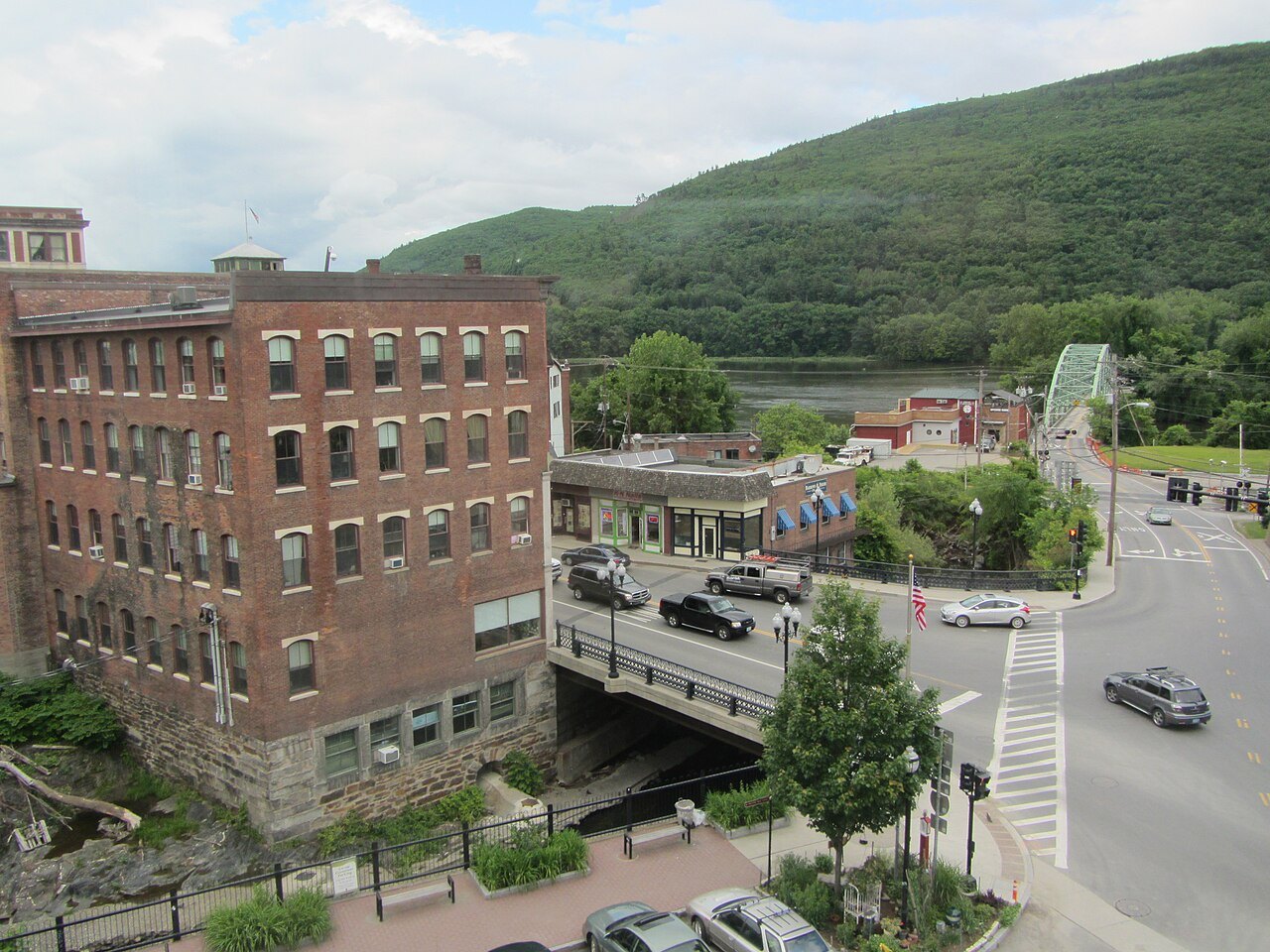
The town's densely populated center lies near Vermont's lowest elevation point, in the Connecticut River valley. Because of the surrounding steep hills there is very little flat land, and many buildings sit on steep hillsides, closely bunched together, which gives the downtown a semi-urban, cosmopolitan feel. The southeast quarter, next to the riverbank, has historically been the most densely populated.
The western part, built up around Vermont's east–west Route 9, was designated a village in 2005, and areas away from it have dirt roads and wooded foothills of the Green Mountains. North of the West River the land was mostly developed in the 1960s and 1970s after Interstate 91 was built, and Putney Road is dominated by larger commercial and industrial establishments, including seven chain hotels and motels.
Climate and planning
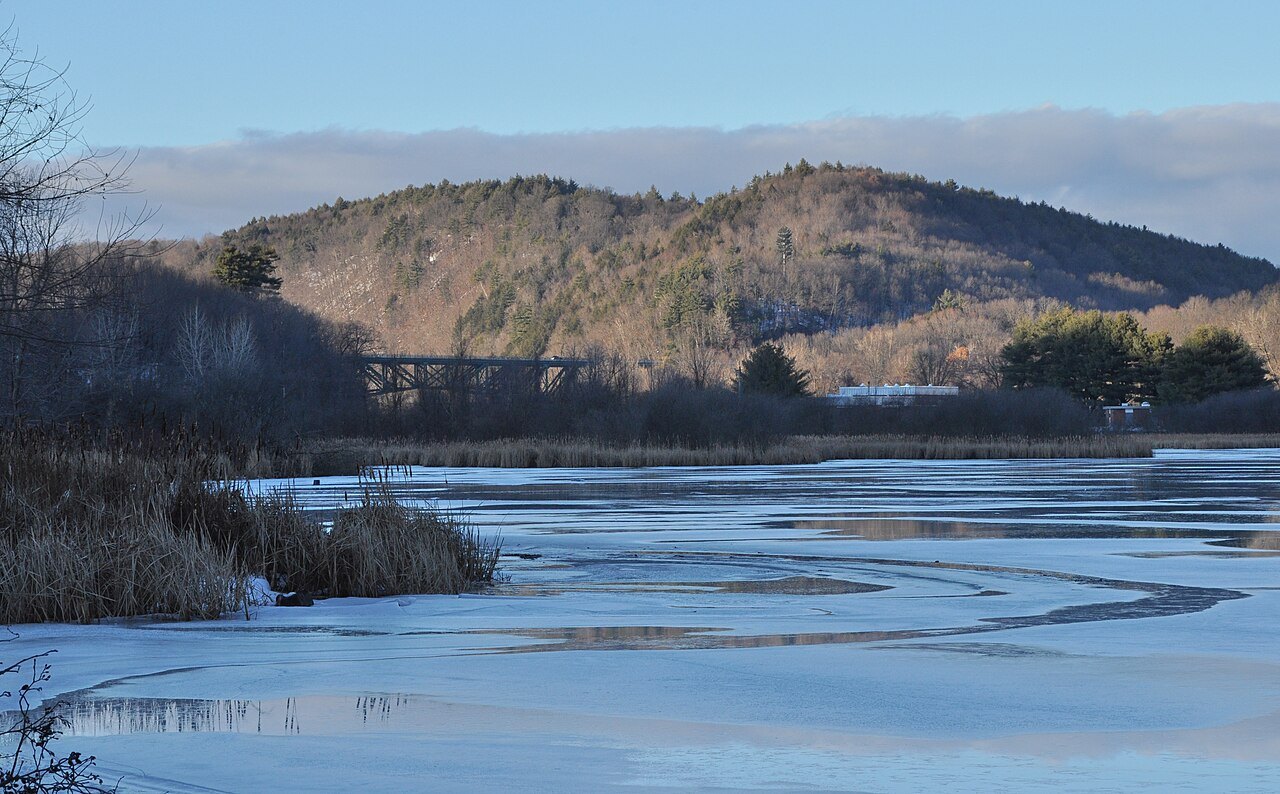
Brattleboro has a humid continental climate with cold, snowy winters and hot, humid summers. Snow can arrive as early as November and as late as April, and nor'easters can drop a foot or more. The record high is 100 degrees, set in 1955, and the record low is minus 33, set in 1958. The when to come page covers the seasons across the state.
For visitors from the south, Brattleboro is the natural first stop in Vermont, and from here Route 9 leads west toward Bennington and Interstate 91 north toward Bellows Falls.
Nearby
Sources read for this page