Why did Calvin Coolidge take the oath in a farmhouse?
Photographs: Dsdugan, Wikimedia Commons, CC0 · Pi3.124, Wikimedia Commons, CC BY-SA 4.0 · Dougtone, Wikimedia Commons, CC BY-SA 2.0
In August 1923 Calvin Coolidge became president by candlelight in his father's farmhouse in Plymouth Notch, Vermont. Why he was there, who gave the oath, why he took it a second time, and what the village looks like today.
The short answer
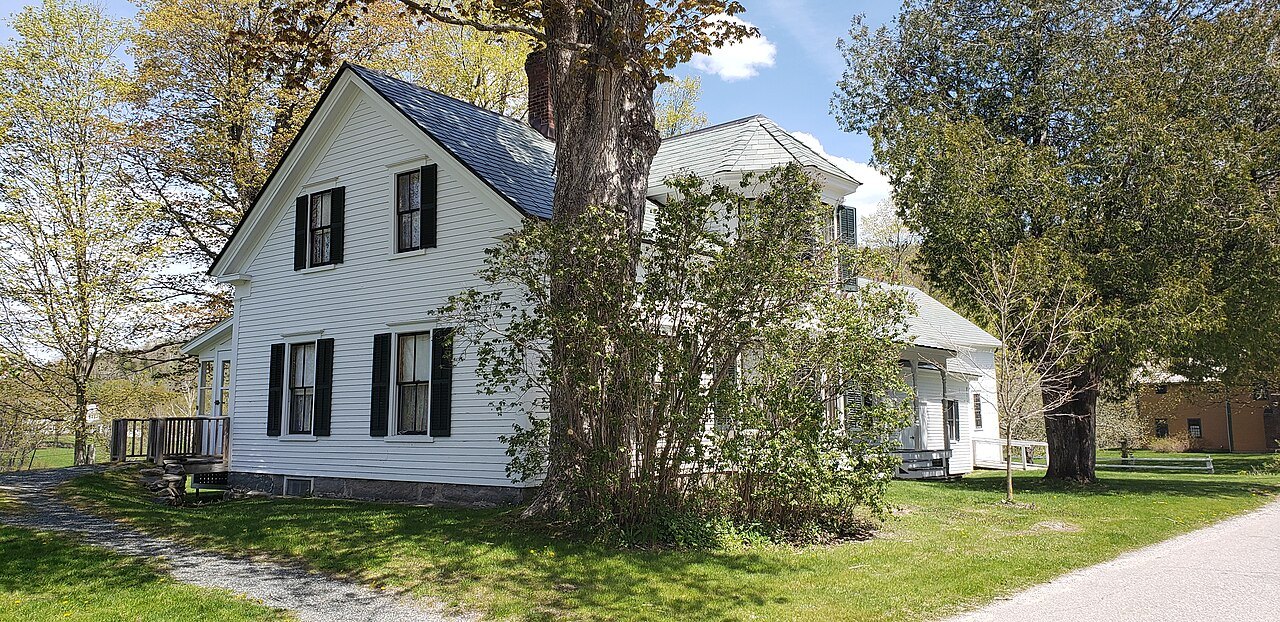
Calvin Coolidge was visiting his family home in Plymouth Notch, Vermont, when President Warren G. Harding died unexpectedly on August 2, 1923. The house had neither electricity nor a telephone, so a messenger brought the news, and Coolidge's father, a notary public and justice of the peace, administered the oath of office in the family parlor by the light of a kerosene lamp in the early hours of August 3.
The new president then went back to bed. The room, the lamp, the Bible and the table are still in their places, and the village around them is kept as a state historic site, described on the Plymouth Notch page.
Why he was there
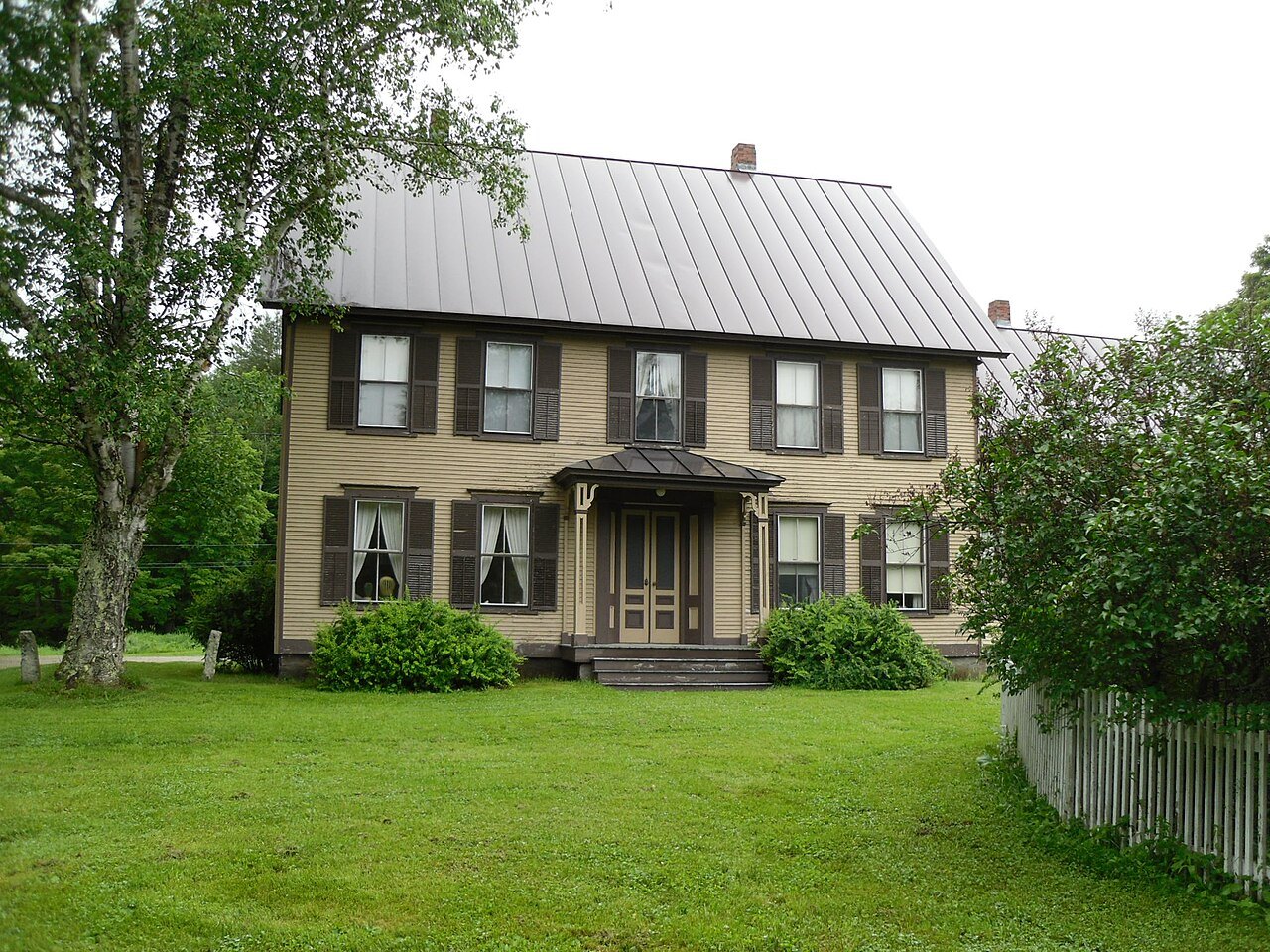
Plymouth Notch is a small village in the town of Plymouth, in Windsor County. Coolidge was born here on July 4, 1872, the only president born on Independence Day, and he lived in the homestead from the age of four, in 1876, until 1887, when he left for Black River Academy. He later attended St. Johnsbury Academy and Amherst College, and lived most of his adult life in Northampton, Massachusetts, but he often returned to visit his family.
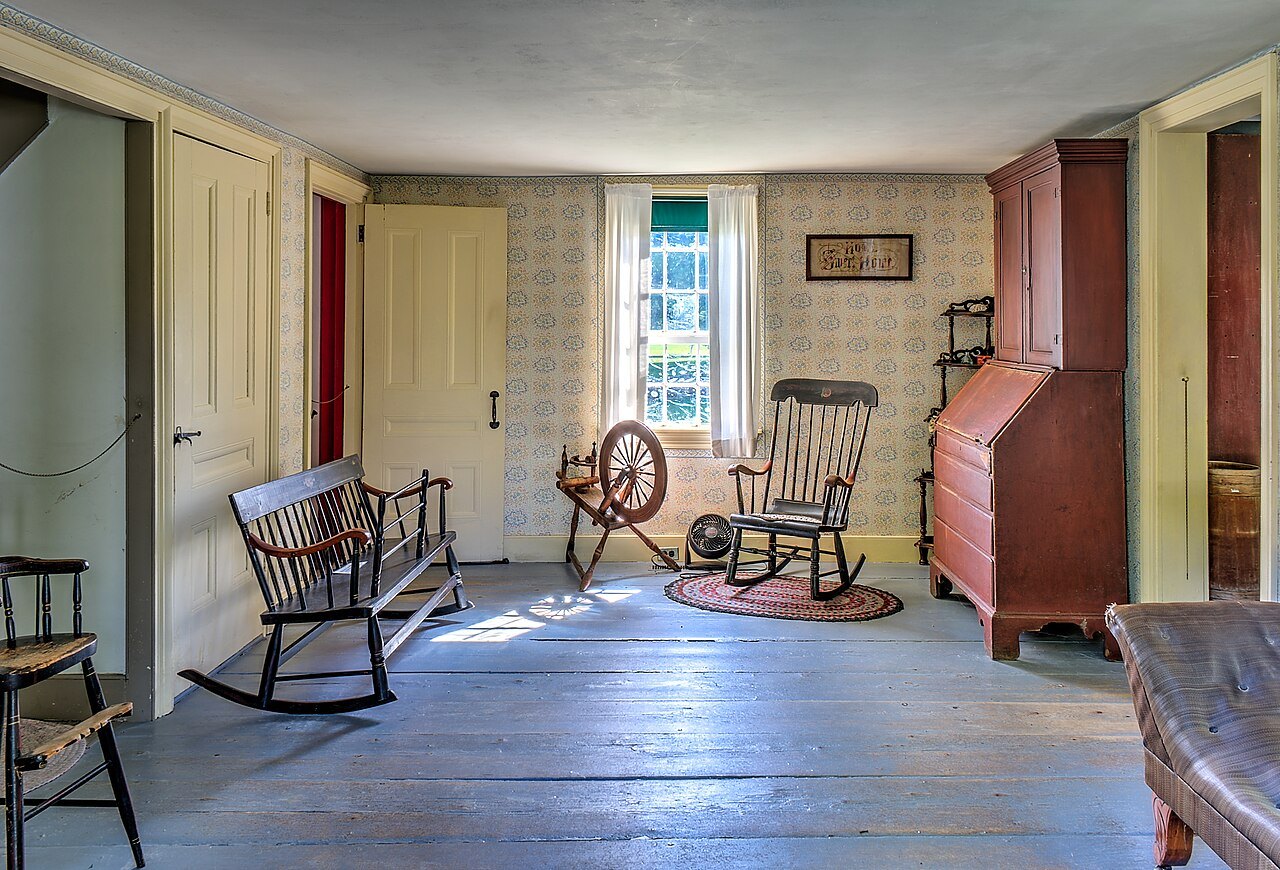
The homestead had been bought by his father, John Coolidge, who expanded it from a simple one-and-a-half-story farmhouse to the size it has today. The vice president was spending part of the summer there when the news came.
The family behind the notch
Coolidge senior engaged in many occupations and developed a statewide reputation as a prosperous farmer, storekeeper and public servant. He held various local offices, including justice of the peace and tax collector, and served in both houses of the Vermont General Assembly; Calvin's grandfather, Calvin Galusha Coolidge, had served in the Vermont House of Representatives. That is the background for the scene in the parlor: a family that had held office in the village for three generations.
Calvin's mother, Victoria Josephine Moor, was the daughter of Hiram Dunlap Moor, a Plymouth Notch farmer. The president's earliest American ancestor, John Coolidge, had emigrated from England around 1630 and settled in Watertown, Massachusetts, so the family was old in New England before it was old in Vermont.
The oath
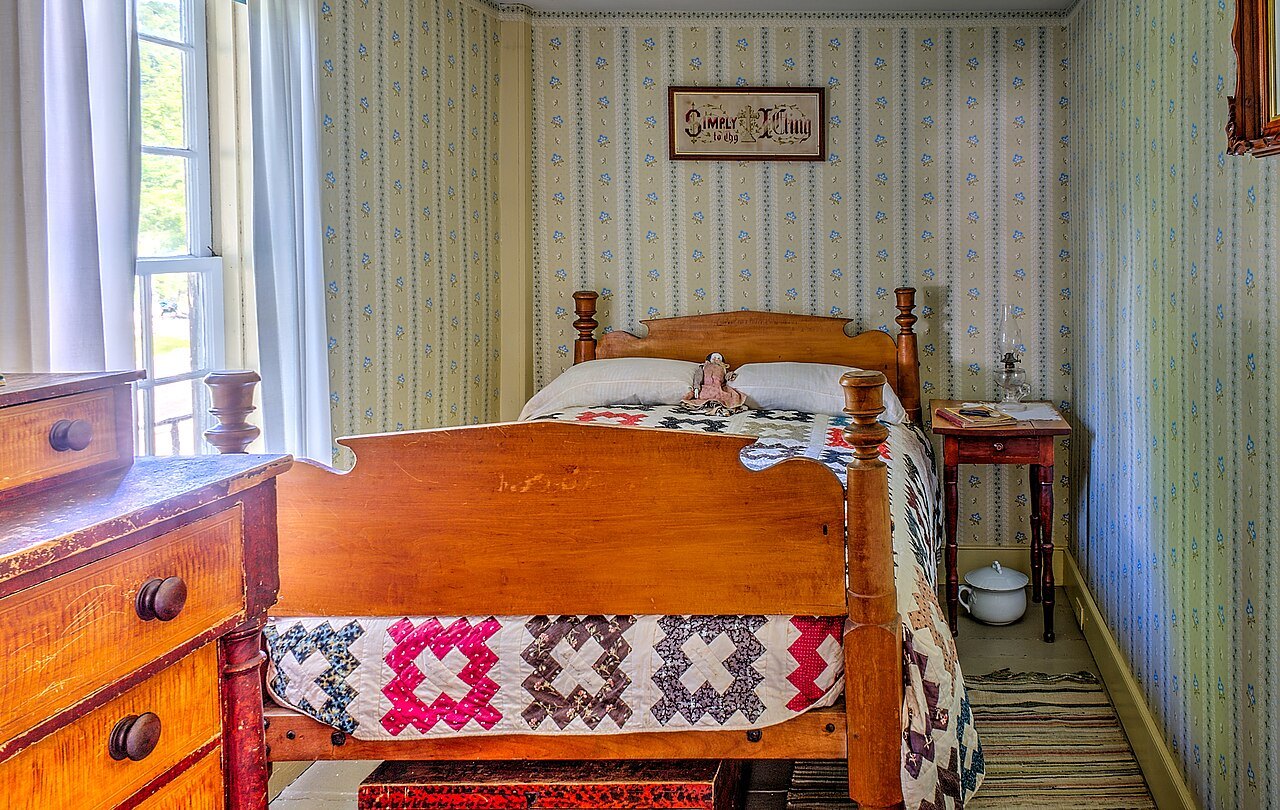
His father, John Calvin Coolidge Sr., was a notary public and a justice of the peace, which is why a farmhouse parlor could produce a legal oath. The elder Coolidge administered it by the light of a kerosene lamp, with the family present.
The next day Coolidge returned to Washington and was sworn in again by Justice Adolph A. Hoehling Jr. of the Supreme Court of the District of Columbia, to remove any doubt about whether a state official could administer a federal oath.
From the notch to Washington
After Black River Academy and St. Johnsbury Academy, Coolidge enrolled at Amherst College, where he distinguished himself in the debating class and graduated cum laude. At his father's urging he moved to Northampton to become a lawyer, apprenticing with the firm of Hammond and Field. In 1903 he met Grace Goodhue, a graduate of the University of Vermont, and they married on October 4, 1905, in the parlor of her family's house.
Coolidge began his career in the Massachusetts State House and rose to the governorship in 1918. His later offices, vice president and president, are the ones the parlor scene links together: he went from the second office to the first in a single night, in the room where he had been a boy.
What the room looks like
His father refused to modernize the house, so it remains in the same condition, and in some cases with the same furnishings, as it was the night of the oath. The Inaugural Room itself is behind glass, but visitors can stand in an alcove and see the lamp, the Bible and the table used in the ceremony, all in their historic positions.
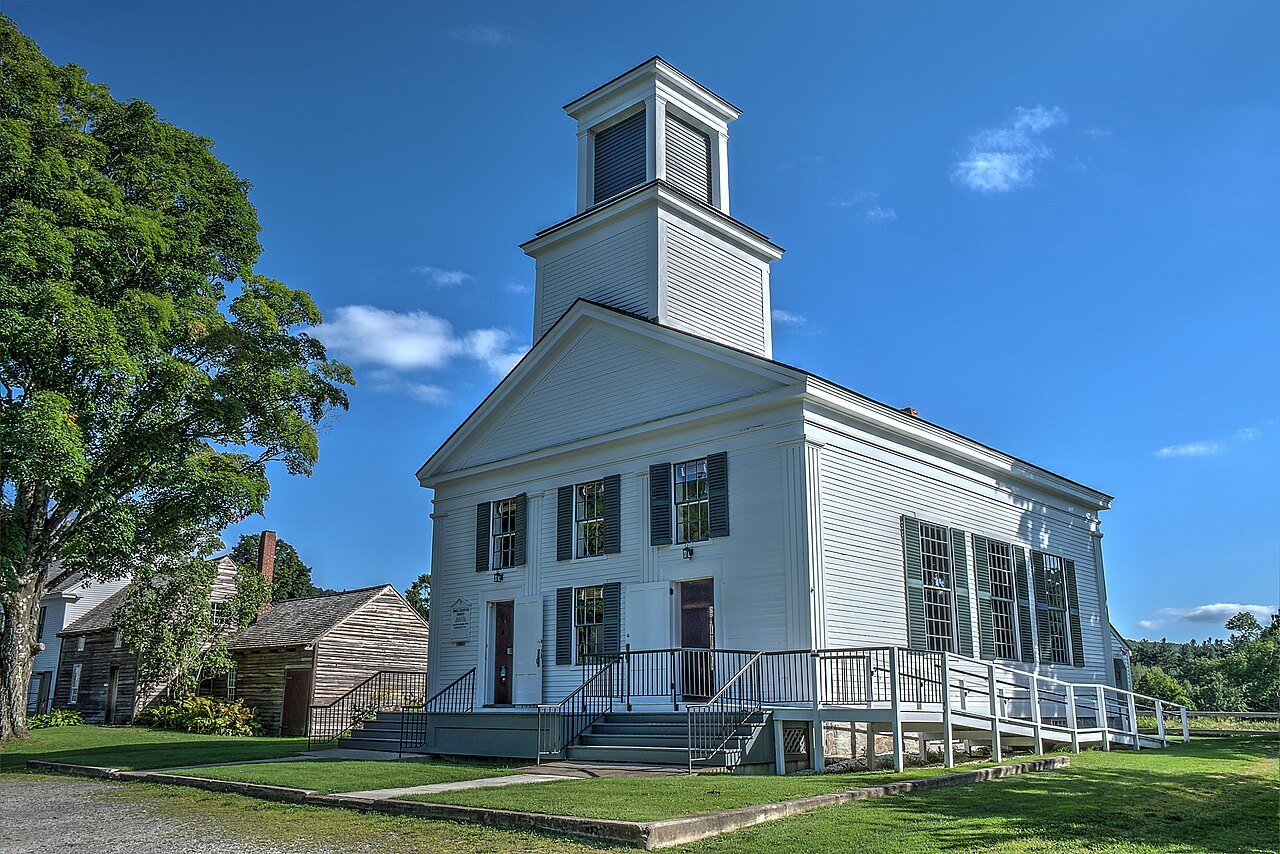
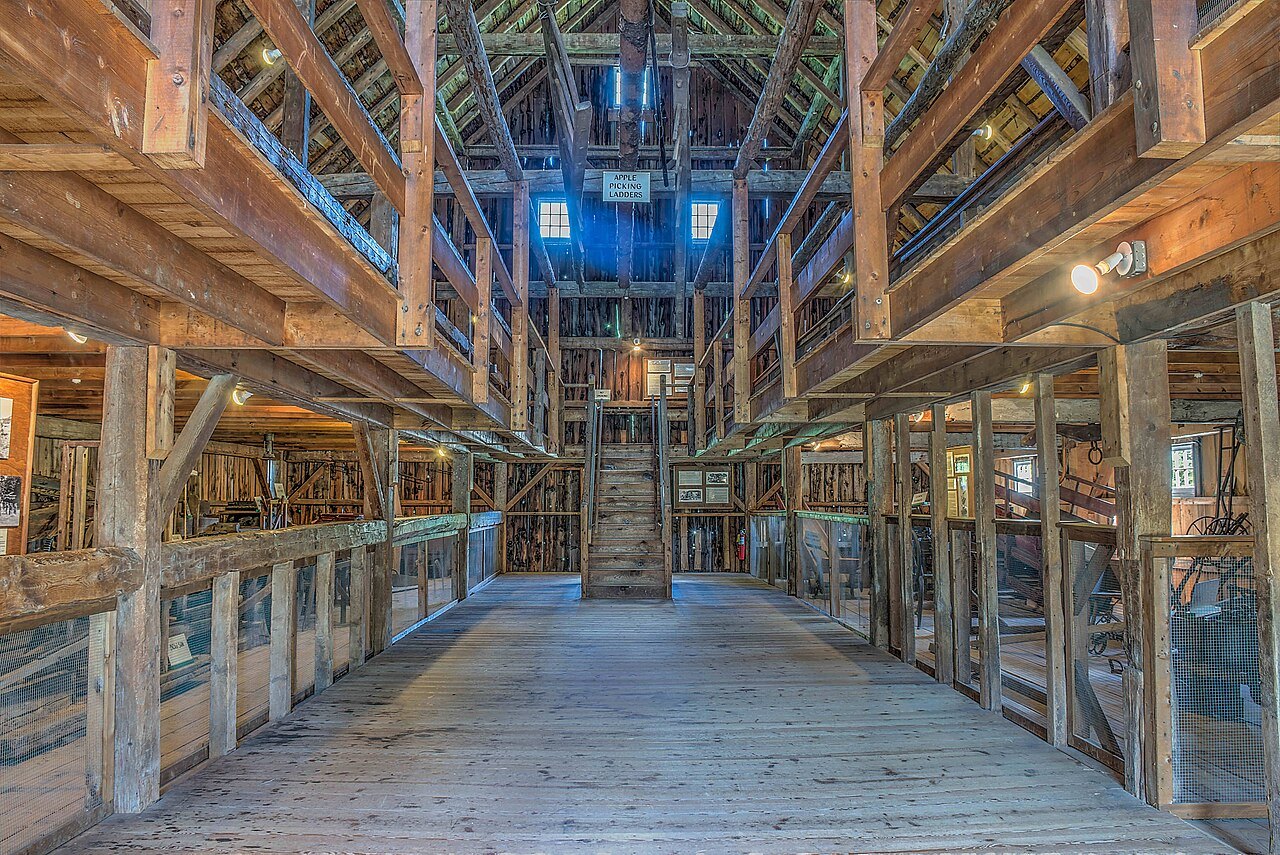
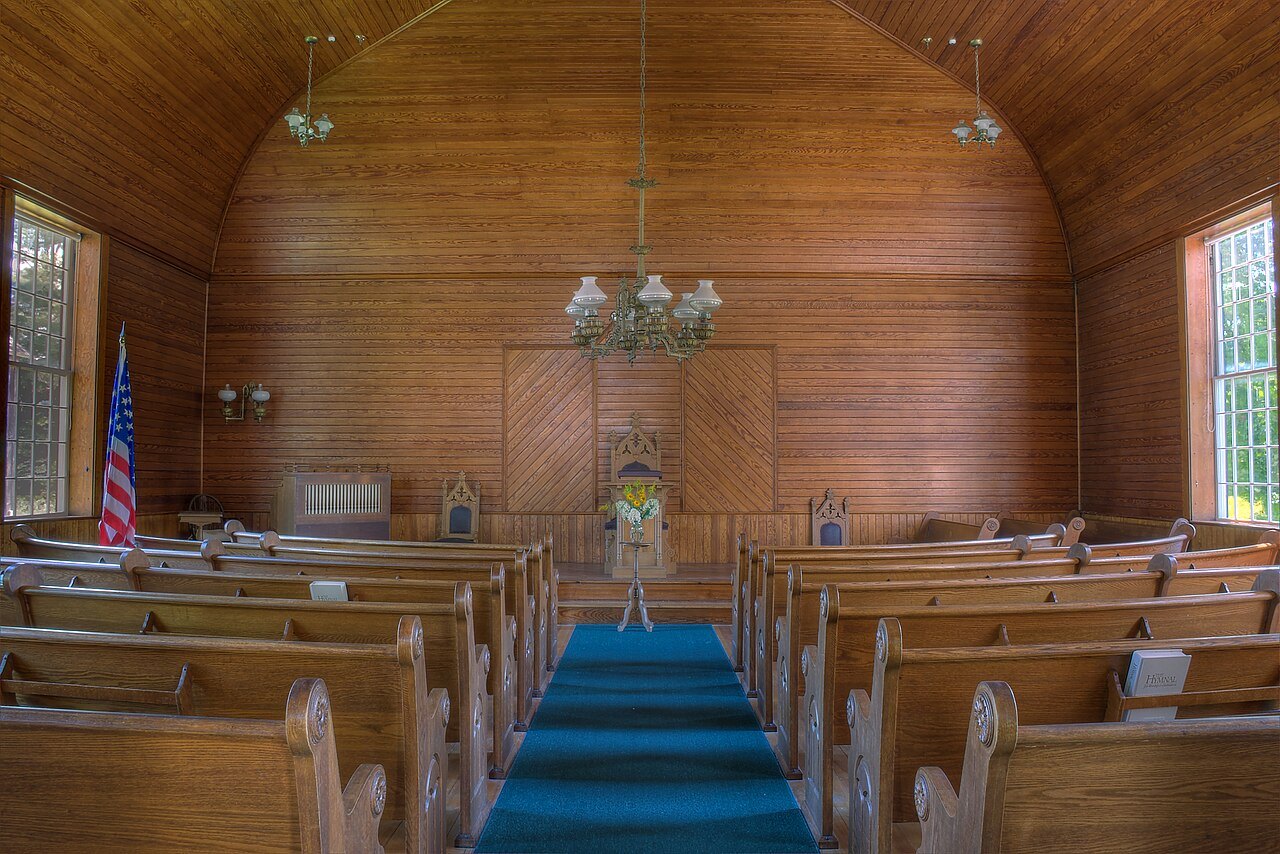
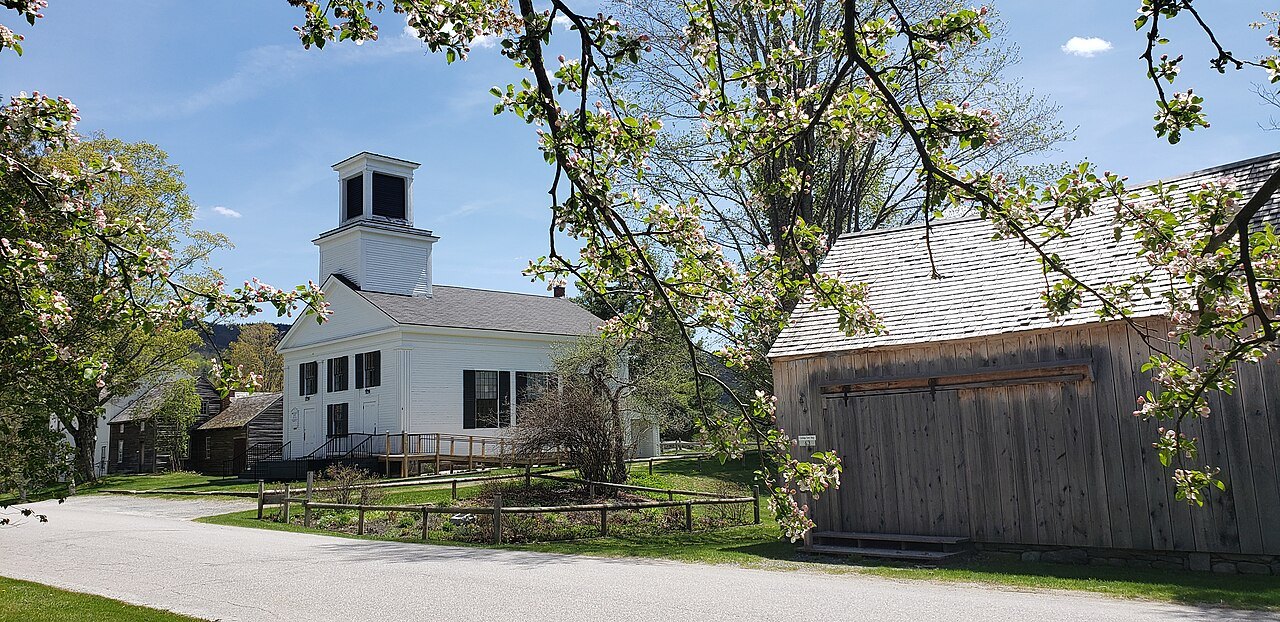
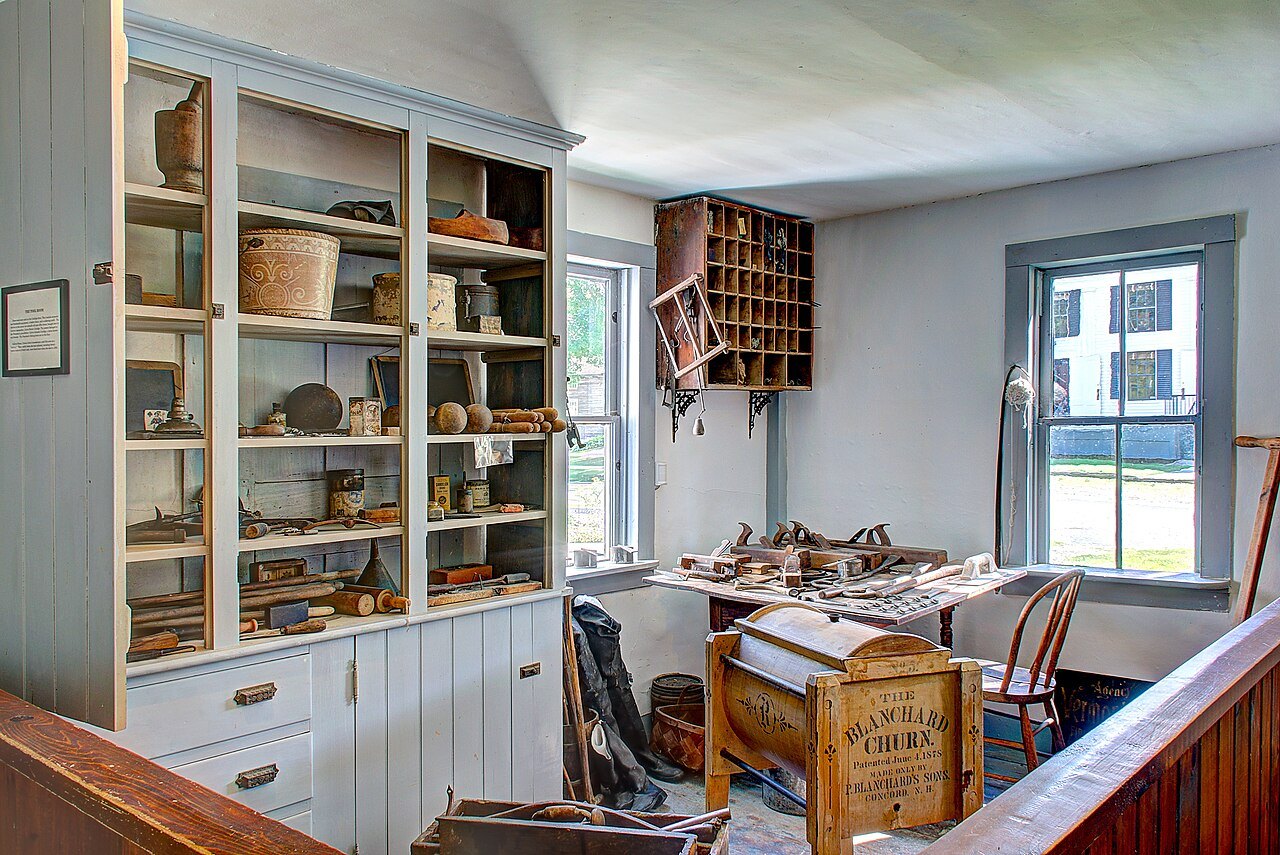
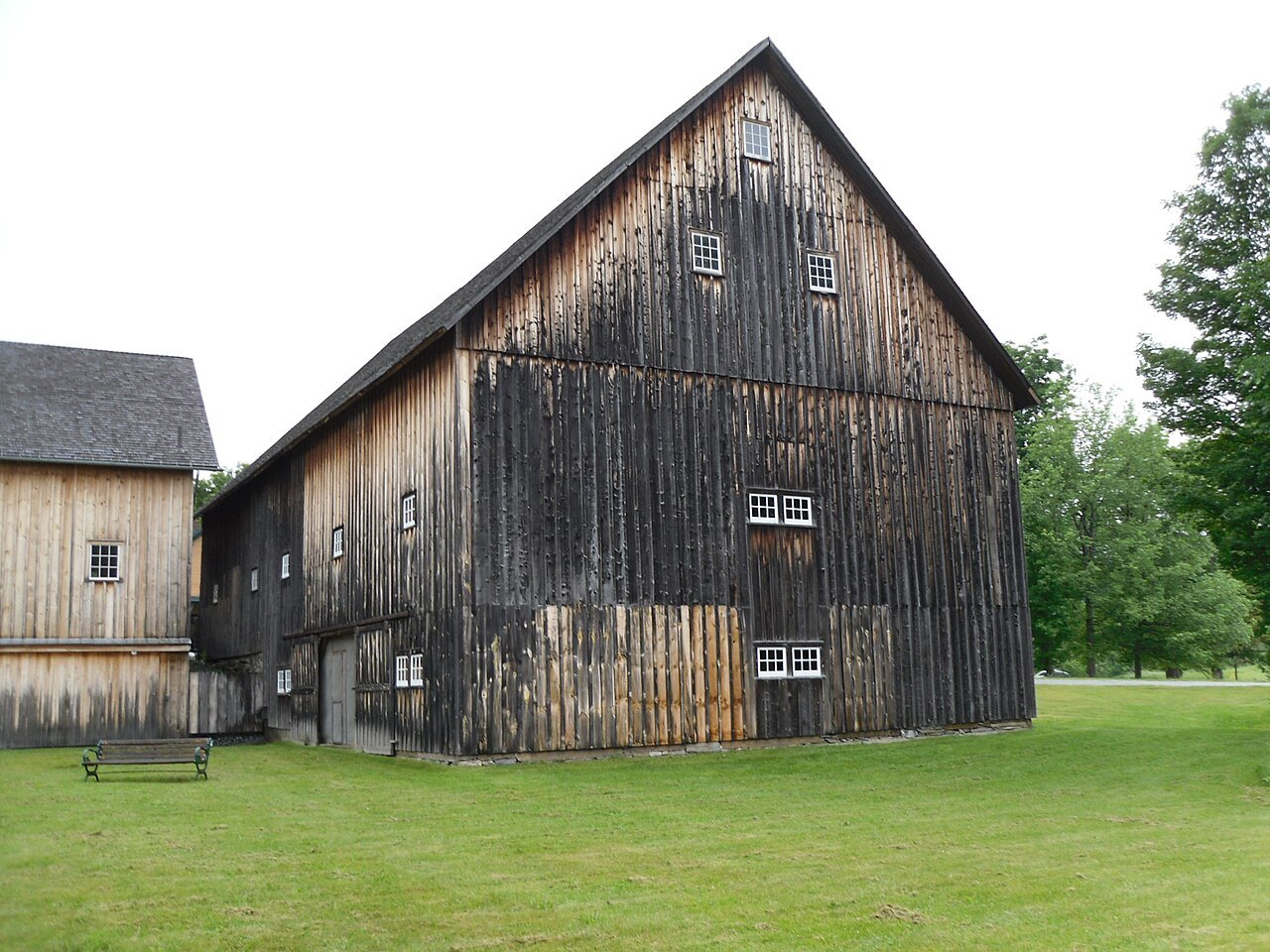
The district around it includes a visitor center, a farmers' museum, the Wilder House and Wilder Horse Barn, a one-room schoolhouse and the Coolidge Farm Shop. The old farmhouse and store building, later called Coolidge Hall, held the Florence Cilley General Store.
A president from the notch
Calvin Coolidge was the elder of two children of John Calvin Coolidge Sr. and Victoria Josephine Moor. After Amherst he moved to Northampton at his father's urging, apprenticed with a local law firm and entered Massachusetts politics. He served as governor of Massachusetts from 1919 to 1921, as vice president from 1921 to 1923 and as president from 1923 to 1929, and his taciturn manner and dry humor earned him the nickname Silent Cal.
In the summer of 1927 he issued a terse statement that he did not choose to run in 1928. He died on January 5, 1933, and was buried in the cemetery at the Notch, not in Northampton, where his funeral was held, alongside seven generations of Coolidges.
The village's working parts
John Coolidge ran the family store, which housed the post office in the 1920s, and his wife Carrie served as postmaster from 1903 to 1917. The cheese factory, which his father founded in 1890 as Plymouth Cheese, has a cheese-making museum upstairs in the factory building, and the village also contains a restaurant and a general store.
Taken together, the buildings cover a farm, a school, a store and a post office, the working parts of a small Vermont village, which is why the place makes a better lesson in how a president was formed than a monument would.
Visiting
The village is a short loop of buildings on a hill road. Start at the visitor center, see the homestead and its parlor next, then follow the farmers' museum, the one-room schoolhouse and the farm shop, and leave time for the cheese factory and the cemetery. The state historic site keeps seasonal arrangements, so check its own information before traveling. The town of Plymouth had 641 people at the 2020 census and covers about 48 square miles of hill country, so the scale of the place is part of what the visit teaches: everything the family needed was within a short walk.
The Killington area is near, and the guide does not sell, book or reserve anything; admission and arrangements come from the site itself.