How is Vermont maple syrup made?
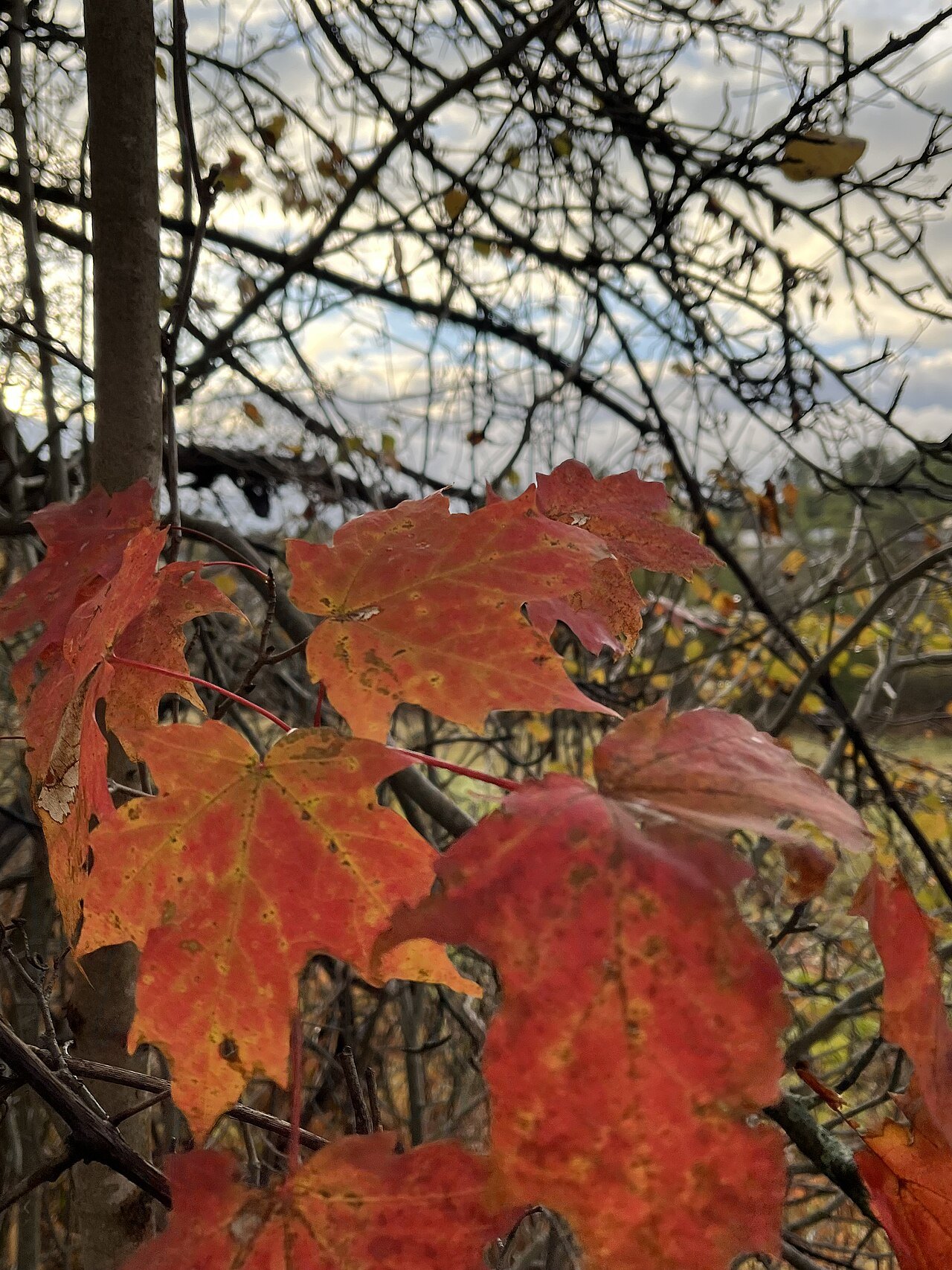
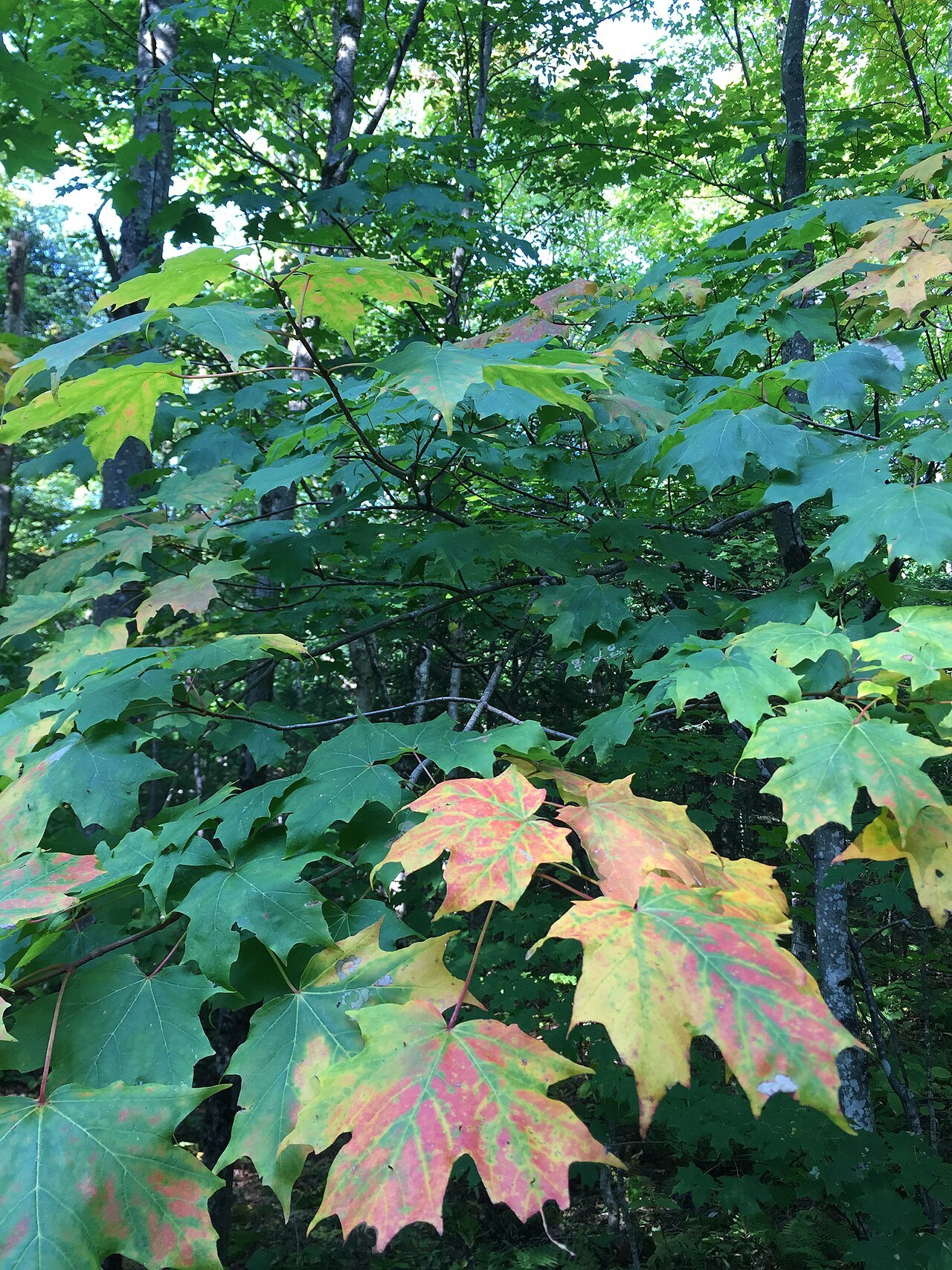
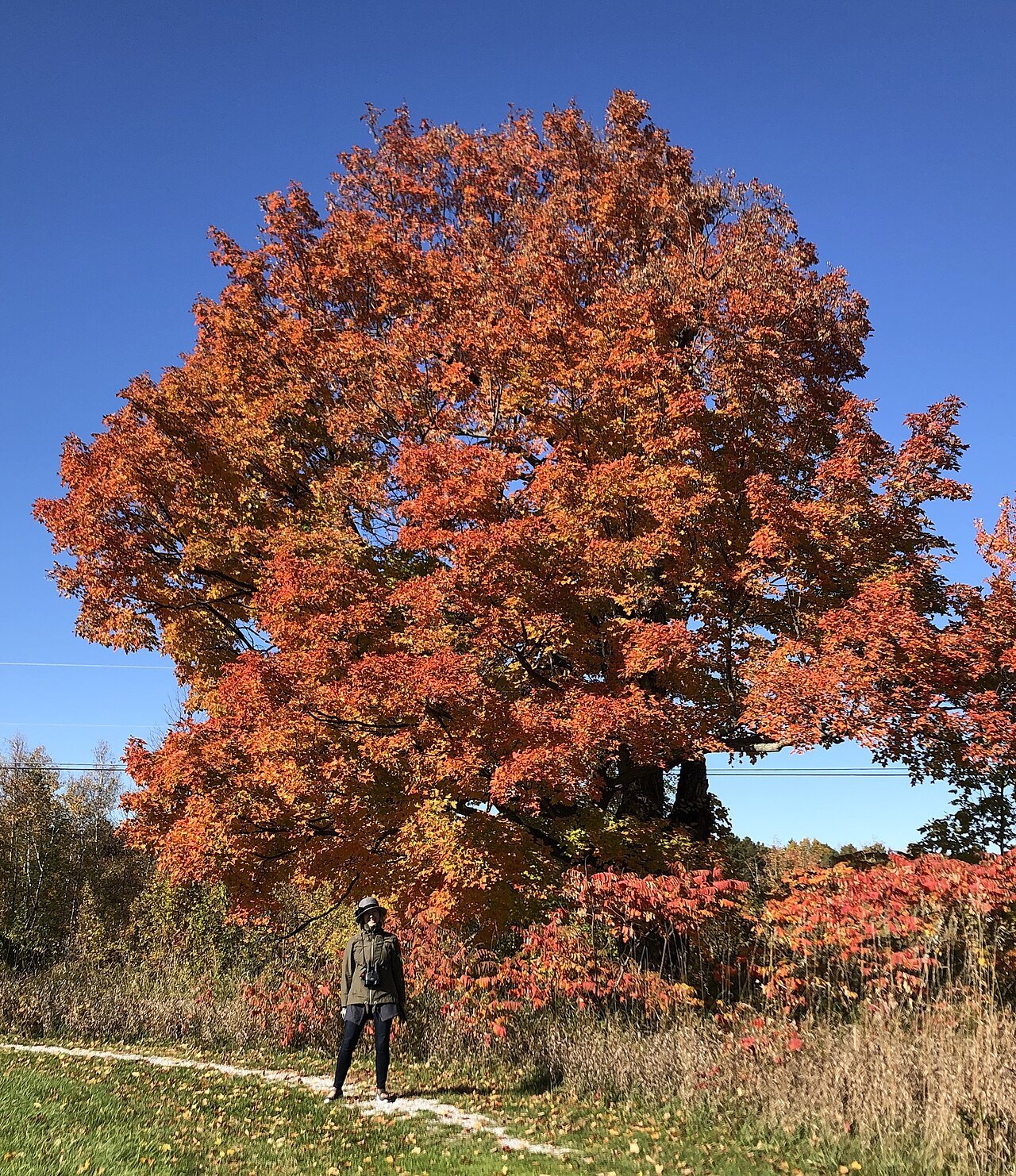
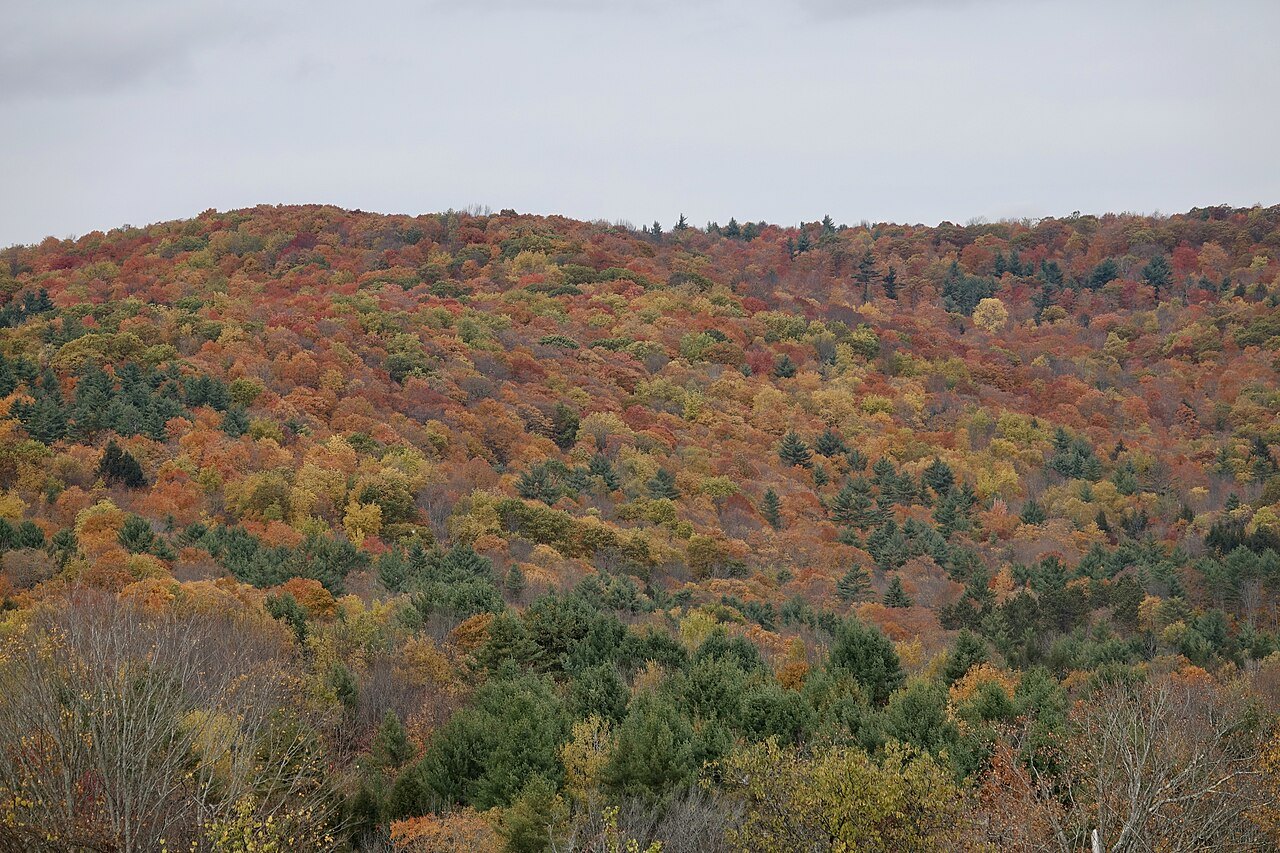
Photographs: Famartin, Wikimedia Commons, CC BY-SA 4.0 · BethPoet, Wikimedia Commons, CC BY-SA 4.0 · Famartin, Wikimedia Commons, CC BY-SA 4.0
The Journal · Eating and Drinking
Maple syrup is boiled sap, and Vermont has long been the country's largest producer. How the trees are tapped, why late winter is the season, how many gallons of sap make one of syrup, and what sugar on snow is.
The short answer
Maple syrup is made by collecting the sap of maple trees and boiling it until most of the water is gone. In cold climates the trees store starch in their trunks and roots before winter, the starch turns to sugar in late winter and early spring, and the sugar rises in the sap. A hole is bored in the trunk, the sap runs out through a spout, and it is boiled down, usually in a sugarhouse, to syrup.
Vermont has long been the largest producer in the United States, with a record of about nine and a half million liters in 2022, and the sugar maple is the state tree. This article follows the process from tree to bottle and says where a visitor can see the story told, on the eating and drinking page's wider tour of the Vermont table.
The trees and the season
Three species of maple are the main sources: the sugar maple, the black maple and the red maple, because their sap has a high sugar content, two to five percent. Of these, the red maple has a shorter season because it buds earlier, which changes the flavor of the sap. Maples are usually tapped from the age of 30 to 40 years, and each tree can support between one and three taps, depending on the width of its trunk.
The tap season falls in late winter and spring and usually lasts four to eight weeks, depending on the weather. The sap flows during the day when the temperature rises above freezing, and the taps stay in place for the season. Maples can continue to be tapped until they are over a hundred years old. Because the season depends on cold nights and thawing days, it is the same thaw that makes mud season in the hills.
Boiling it down
Sap is often processed in a sugar shack, also called a sugarhouse. Maple syrup is made by boiling between twenty and fifty volumes of sap, depending on its sweetness, over an open fire until one volume of syrup is obtained, usually at a temperature about seven degrees above the boiling point of water. The sweeter the sap, the less of it is needed: sap with one and a half percent sugar needs 57 units for one unit of syrup, while sap at three and a half percent needs only 25.
Boiling is a tightly controlled process. Syrup boiled too long will crystallize, and syrup that is under-boiled will be watery and spoil quickly. The finished syrup is filtered to remove sugar sand, crystals of sugar and calcium malate that are not toxic but make the syrup gritty, and then it is graded and packaged while still hot. The containers are turned over after sealing so that the hot syrup sterilizes the cap.
Why the season is short
The sap's sugar content is highly variable and fluctuates even within the same tree, and the season ends when the trees begin to bud. Late in the season a flavor called buddy sap can appear, and syrup made then tastes off, which is one reason the weeks matter. An average maple produces tens of liters of sap in a season, and a tap takes only about seven percent of the tree's total sap.
Weather matters as much as the calendar. Higher temperatures in late winter and early spring move the collection season earlier in the year, and hot summers lower the sugar content of the sap. Sugar maples in Vermont have also been stressed by acid rain and pests, and in 2011 a large deer herd was eating bark from trees in winter, according to the state's own account.
How it was done before
Indigenous peoples of northeastern North America were the first known to produce maple syrup and sugar, long before Europeans arrived, and they developed rituals around syrup-making, celebrating the Sugar Moon, the first full moon of spring. At the start of the spring thaw they made incisions in the trunks and ran the sap into buckets, concentrating it by leaving it out to freeze overnight and discarding the ice, then boiling it in clay pots.
European settlers learned the technique from them, but drilled holes with augers instead of cutting the bark. Around the time of the Civil War, syrup makers began using large flat metal pans, which were more efficient for boiling than iron kettles, and the first evaporator was patented in 1858. The 1970s brought plastic tubing, vacuum pumps and reverse-osmosis machines, and in 2009 researchers at the University of Vermont unveiled a tap that prevents sap flowing back into the tree.
Sugar on snow and other products
Boiling the syrup longer makes other products: maple sugar, maple butter or cream, and maple candy or taffy. Maple taffy, also called sugar on snow, is made by boiling the syrup to a temperature just past the syrup stage and pouring it over packed snow or cracked ice, where it sets into a glassy, sticky candy.
Syrup is also an ingredient in cooking. It goes into Vermont baked beans and into a maple mustard, a mix of syrup and grainy mustard, that is used in the toasted Vermonter sandwich with cold cuts, apple and sharp cheddar.
The grades
Vermont adopted the new national grading system on January 1, 2014, replacing its own system of letter grades such as AA and A, which had kept a slightly higher standard of density than the national one. The grades describe color and flavor, so a visitor can read a label and know what to expect.
The state manages and defends the Vermont brand, and maple is one of its best-known products, along with cheddar, ice cream and flour.
Seeing it in practice
The best time to see syrup made is the thaw, in late winter and early spring, when sugarhouses are boiling. A visitor should ask locally, because the season shifts with the weather; climate change is moving the tap season earlier in the year and lowering the sugar content of sap in hot summers. A trip that includes the sugar season also meets mud season, so keep to paved roads.
The guide does not sell, book or reserve anything and does not recommend sugarhouses by name; ask at the village store or the farm stand when you arrive.