What to eat and drink in Vermont: syrup, cheddar, cider and ice cream
Photographs: Pjrsoap, Wikimedia Commons, CC BY-SA 4.0 · brewbooks from near Seattle, USA, Wikimedia Commons, CC BY-SA 2.0 · Bachrach433, Wikimedia Commons, CC BY-SA 4.0
Access Vermont · At the table
Vermont food is built on what its farms and woods produce: maple syrup, cheddar and other dairy, apples and cider, and the ice cream that began in a Burlington parlor; this page explains each, and where to meet it.
What to eat and drink
Maple syrup
Boiled down from the sap of sugar maples tapped in late winter and early spring; Vermont has long been the largest producer in the country.
Sugar on snow
Maple syrup boiled past the syrup stage and poured over packed snow or cracked ice, where it sets into a glassy, sticky candy.
Cheddar
The state's best-known cheese, made by cooperatives such as Cabot and by small makers such as Grafton Village and Shelburne Farms.
The Vermonter sandwich
A toasted sandwich of cold cuts, apple, sharp Vermont cheddar and a maple mustard of syrup and grainy mustard.
Baked beans with maple
Maple syrup is used as an ingredient in some Vermont dishes, baked beans among them.
Rhubarb pie
A common dessert in late spring, often paired with strawberries.
Ben and Jerry's ice cream
Founded in 1978 in Burlington, with its first franchise opened in 1981 on Route 7 in Shelburne.
Cider and craft beer
Apples and orchards give a cider tradition, and Vermont is one of the New England states with notable craft breweries.
The short version
Vermont's table is short and strong. The ingredients that matter are maple, dairy and apples, and the dishes that matter are the simple ones built from them. A visitor can eat very well on a diet of cheddar, syrup, fresh bread and a diner breakfast, and a good number of the state's best-known foods are made within a few miles of where they are sold.
This page does not recommend particular restaurants or give prices. It explains what the foods are and where their stories can be followed, so that you can look for them in the places you visit.
Maple
Maple syrup is made from the sap of maple trees. In cold climates the trees store starch in their trunks and roots before winter, and in late winter and early spring it is converted to sugar that rises in the sap. The trees are tapped by drilling holes in the trunk and collecting the sap, which is heated to evaporate most of the water. Vermont has long been the largest producer in the United States, with a record of about nine and a half million liters in 2022, and the sugar maple is the state tree.
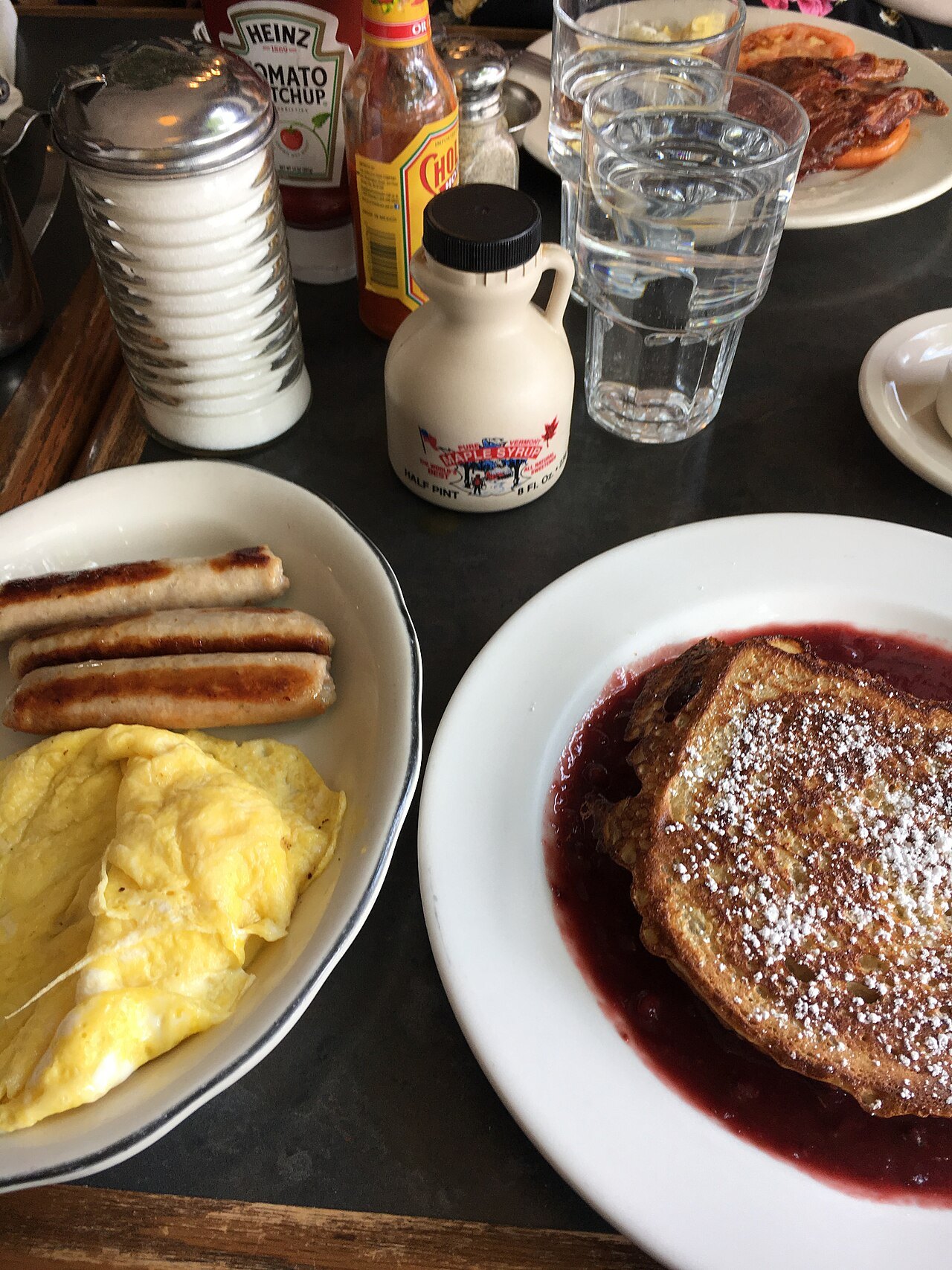
Vermont adopted the new national grading system on January 1, 2014, replacing its own system of letter grades such as AA and A. Maple is also the base of a seasonal treat: maple taffy, also called sugar on snow, is made by boiling the syrup to a temperature just past the syrup stage and pouring it over packed snow or cracked ice, which sets it into a sticky, glassy candy. The syrup also goes into baked beans and into a maple mustard for the Vermonter sandwich.
The Vermont brand itself is something the state manages and defends, and its artisan and specialty foods are a growing part of the economy; the examples of its specialty exports include Ben and Jerry's, Cabot cheese, King Arthur Flour, Vermont Creamery, several microbreweries and ginseng growers.
Cheese and dairy
Vermont produces cheddar and other dairy products, and cheddar is the center of it. The Cabot Creamery Cooperative began with a plant in Cabot built with an investment paid by 94 farmers in proportion to the number of cattle each owned. The cooperative began by making butter from excess milk, started making cheese in 1930, had 600 member farmers by 1960 and merged in 1992 with Agri-Mark; in 2008 about 400 Cabot farms in Vermont belonged to it. Its administrative headquarters is in Waitsfield.
Smaller makers carry on the hand-crafted tradition. Grafton Village Cheese Company is the successor to the 1892 Grafton Cooperative Cheese Company, and it opened a production plant and retail shop in Brattleboro in July 2008; Shelburne Farms and the Crowley Cheese Factory are other makers recognized for hand-crafted cheddar. The shops sell cheese alongside wine, Vermont microbrews, fresh bread and maple products, which makes a cheese shop the easiest place to assemble a picnic.
Dairy farming remains a primary source of agricultural income, though the number of farms has fallen nearly 95 percent from the 11,206 operating in 1947 to 568 in December 2021, while milk production has doubled as output per cow tripled. Vermont's government passed laws controlling development to protect the industry, with limited success against that decline. The dairy barn remains characteristic of the state, and the Vermont Barn Census, organized in 2009, has recorded the number, condition and features of barns throughout Vermont. A barn seen from a road is therefore now as much a piece of history as a working building.
Ice cream
Ben and Jerry's was founded in 1978 in Burlington by Ben Cohen and Jerry Greenfield, friends since childhood. In 1980 they rented space in an old spool and bobbin mill on South Champlain Street in Burlington and started packing their ice cream in pints, and the first franchise opened in 1981 on Route 7 in Shelburne. The company is known for flavors that mix foods and desserts into ice cream, many themed after musicians and public figures.
The brand is now sold well beyond Vermont, and Vermont's government manages and defends the state's own brand of artisan and specialty foods, which includes Ben and Jerry's, Cabot cheese and others. For a visitor, the ice cream is best treated as one stop among several in Burlington and Shelburne rather than a destination in itself.
Apples, cider and beer
The Vermonter sandwich puts apple beside the cheddar, and craft beer has become a major part of the regional table: Vermont is among the states with notable breweries, including the Long Trail Brewing Company and The Alchemist Brewery. Burlington's Vermont Brewers Festival drew an estimated 9,600 people in 2009.
Brattleboro's cheese shop sells Vermont microbrews alongside its cheeses. The state's specialty exports also include several microbreweries.
Diners, general stores and farmers' markets
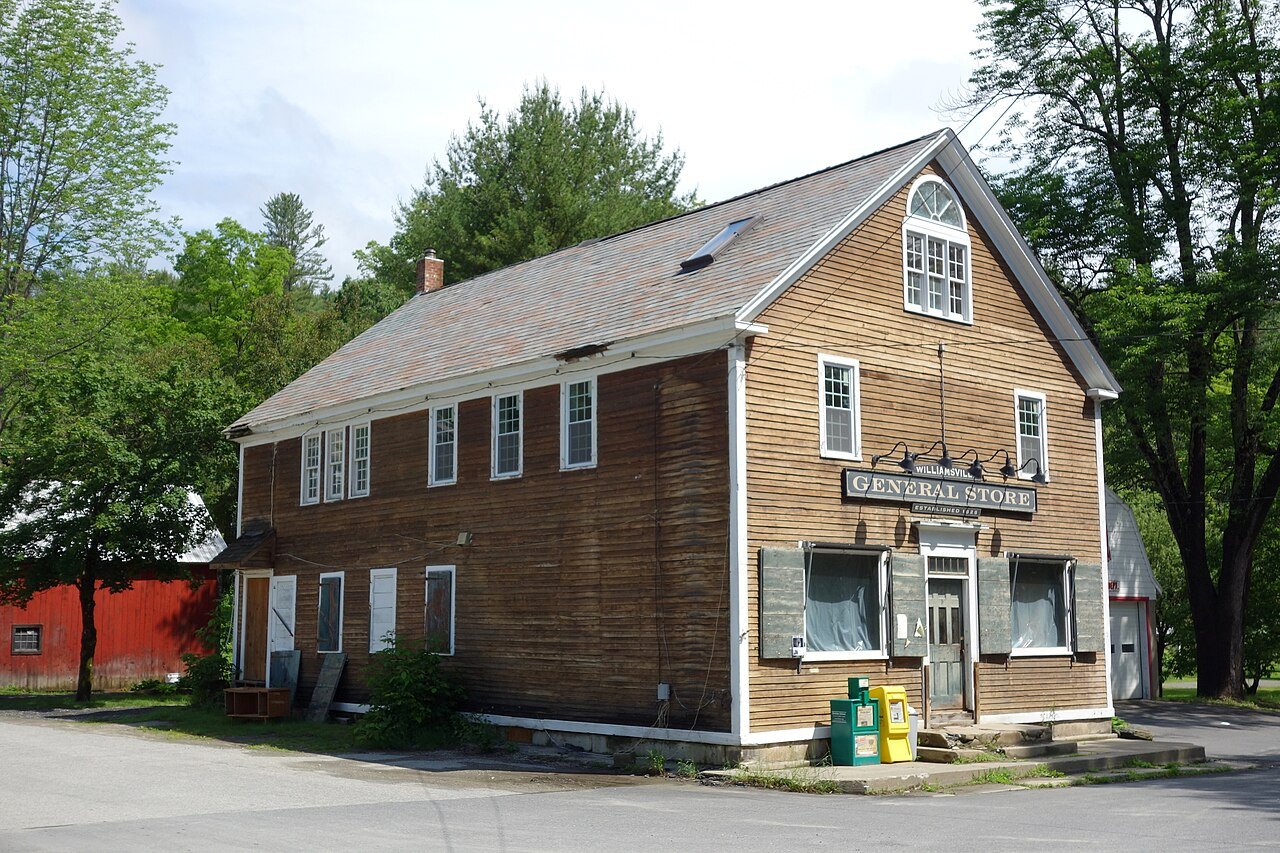
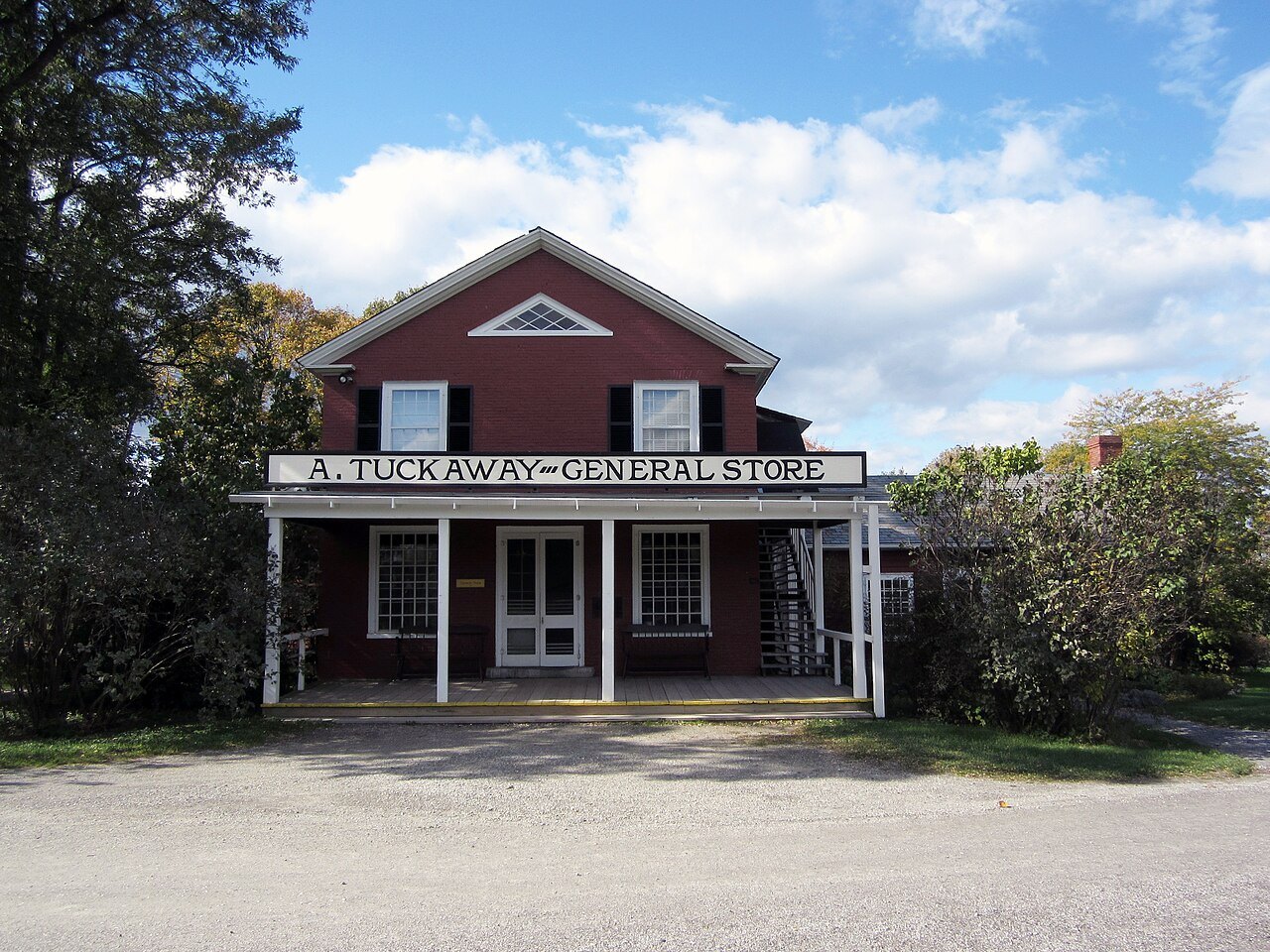
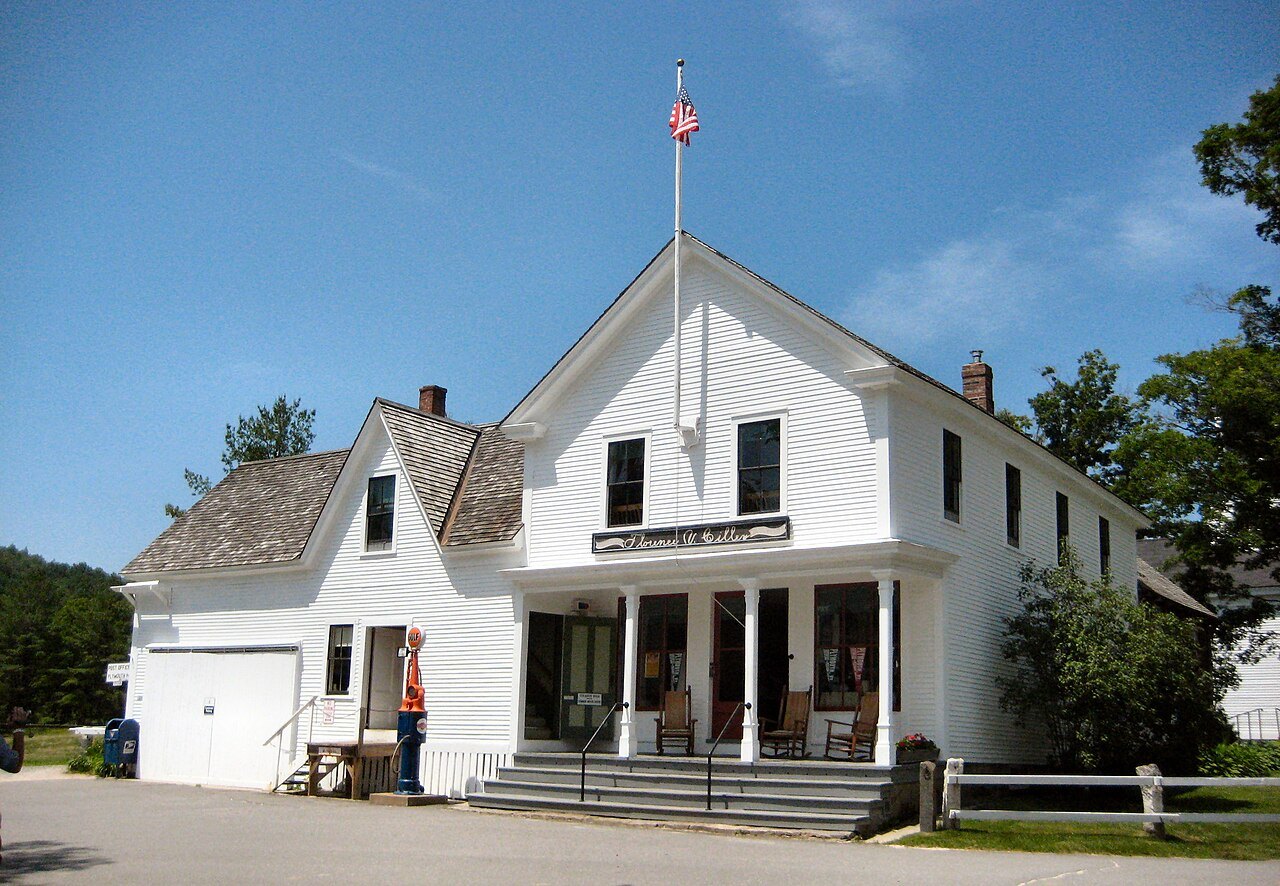
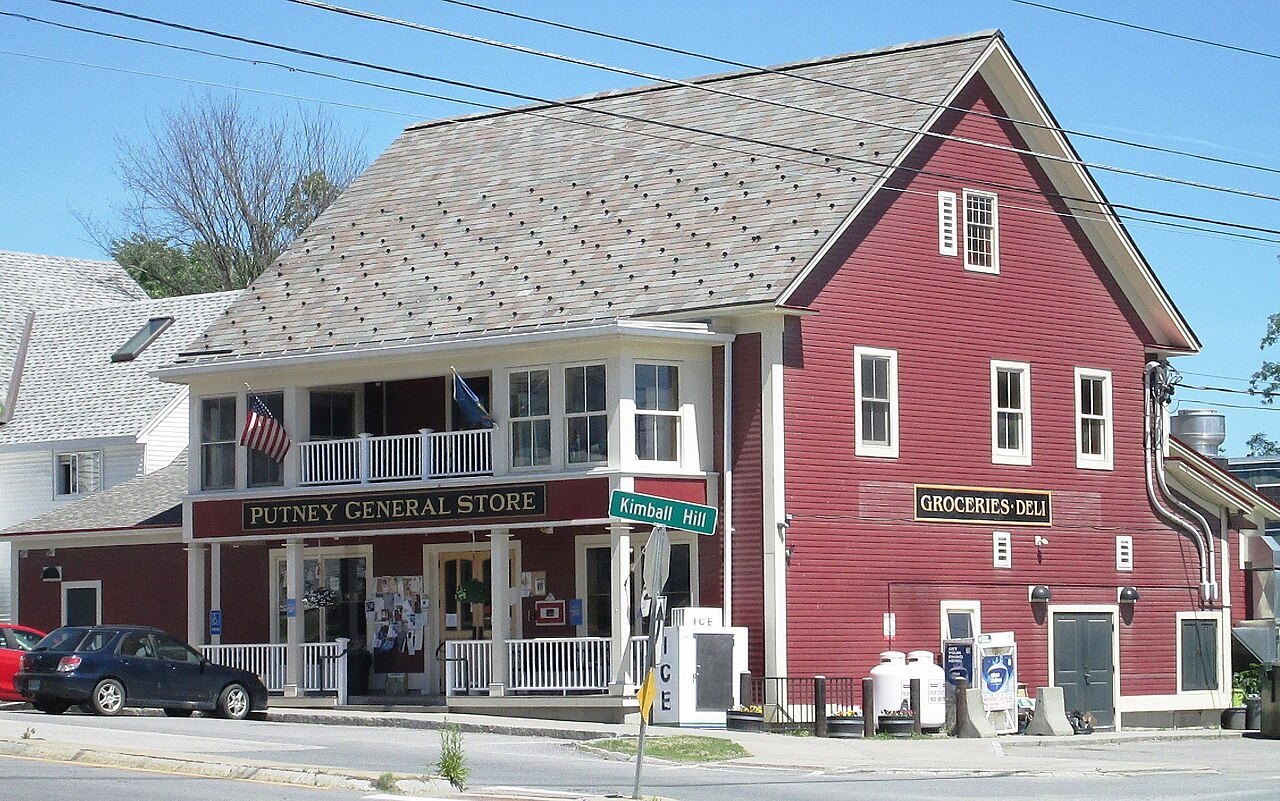
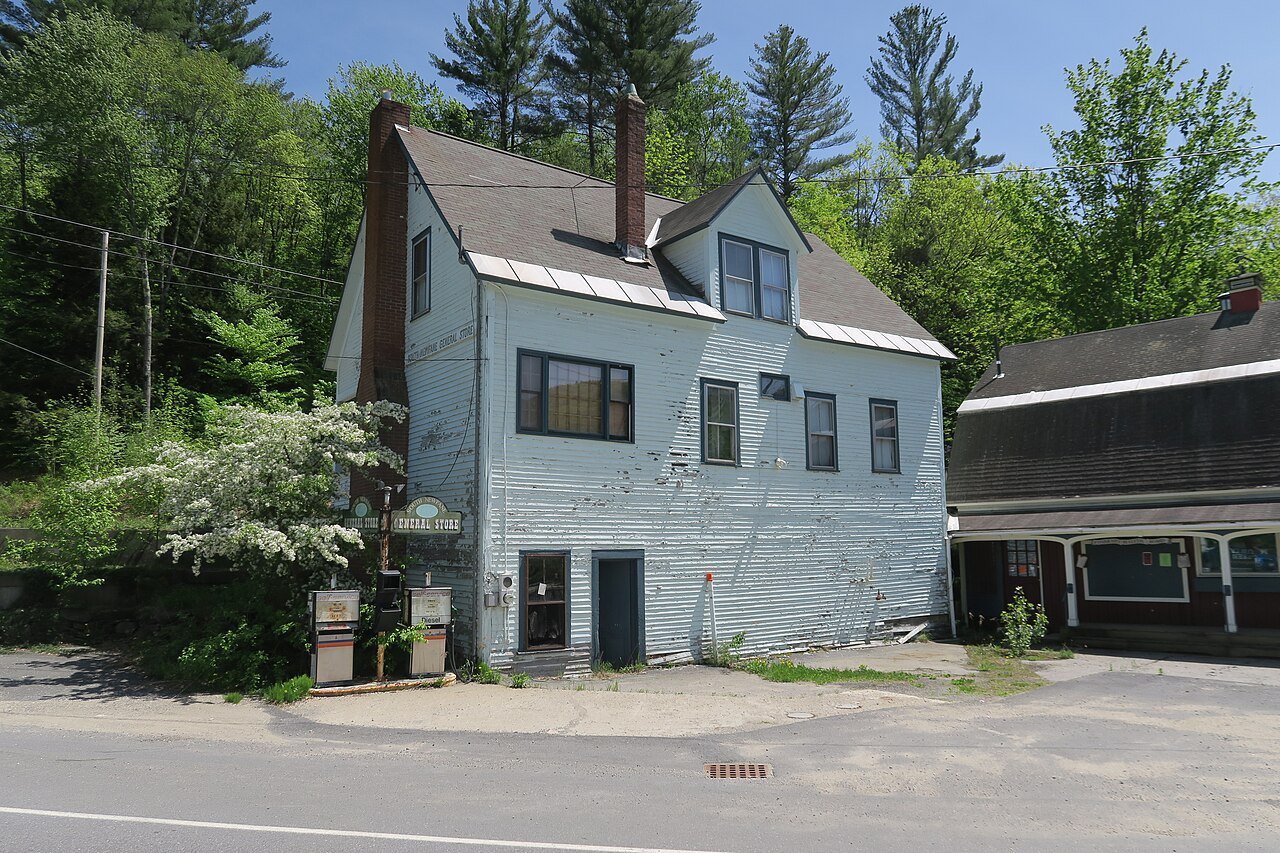
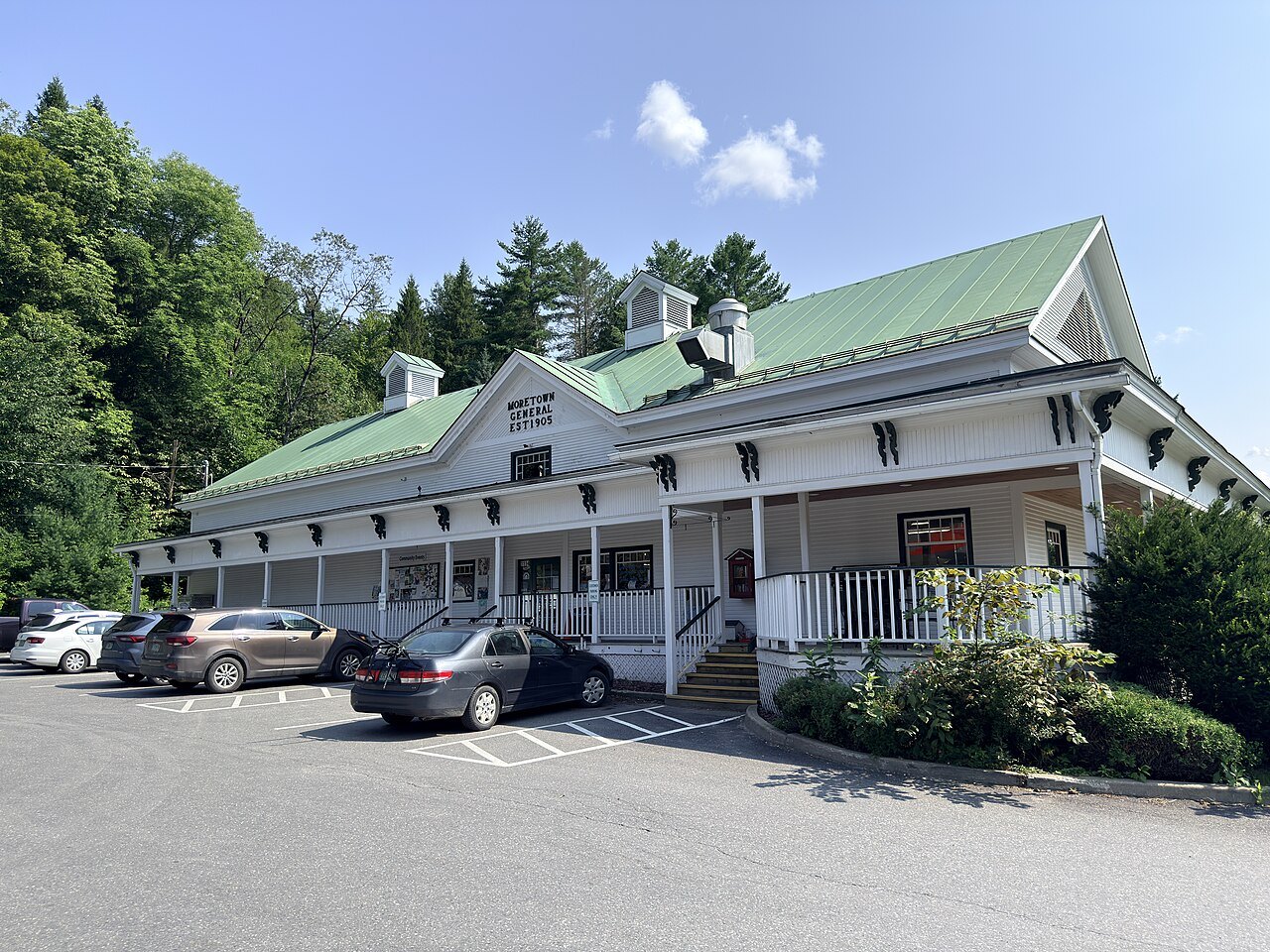
Some of Vermont's best eating is in unpretentious rooms. Miss Bellows Falls Diner, a barrel-roofed Worcester diner built in 1941, has its original varnished wood walls, enamel panels, tile floor and oak booths. F. H. Gillingham and Sons, a general store established in 1886 and still in its original building at 16 Elm Street in Woodstock, is another kind of institution. Burlington has one of the largest year-round farmers' markets in the state.
Brattleboro, designated a Fair Trade Town in 2007, is the place to find food that is local and fairly traded, and Montpelier's downtown is mostly locally owned, which means that its shops carry kitchenware, books and Vermont-themed gifts rather than chains.
Food and the calendar
Several of the state's annual events are built around its food. The Vermont Brewers Festival in Burlington drew about 9,600 people in 2009, and the Giant Pumpkin Regatta and Festival on the same waterfront drew about 5,000. Strolling of the Heifers in Brattleboro is on the town's list of notable annual events, along with its Literary Festival. Woodstock's Harvest Weekend at the Billings Farm in October includes a husking bee, a barn dance and nineteenth-century harvest activities, and its Wassail Weekend comes in early December.
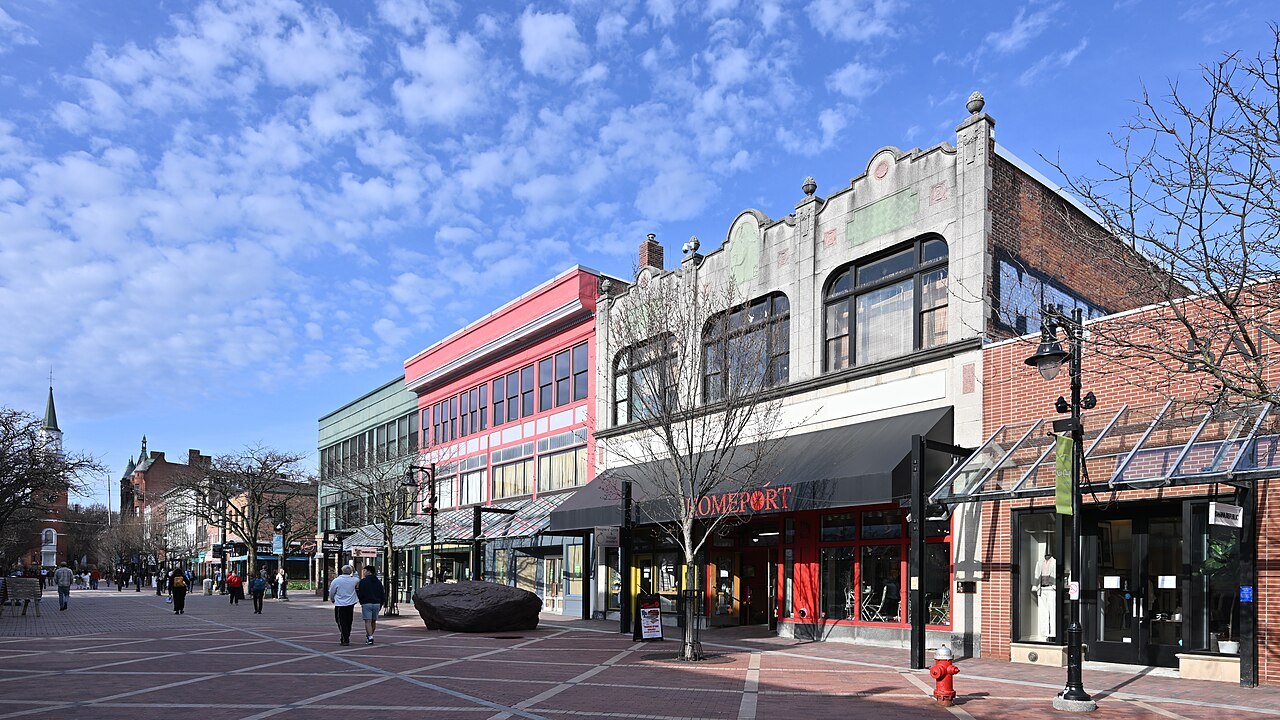
The Church Street Marketplace in Burlington has dozens of restaurants, bars and coffee shops among its 86 storefronts, and the city's year-round farmers' market is among the largest in the state. For the practical side of eating, see the where to stay page, which pairs each base with what is near it.